Gulf Coast Freight Shipping Solutions for Regional and Nationwide Distribution
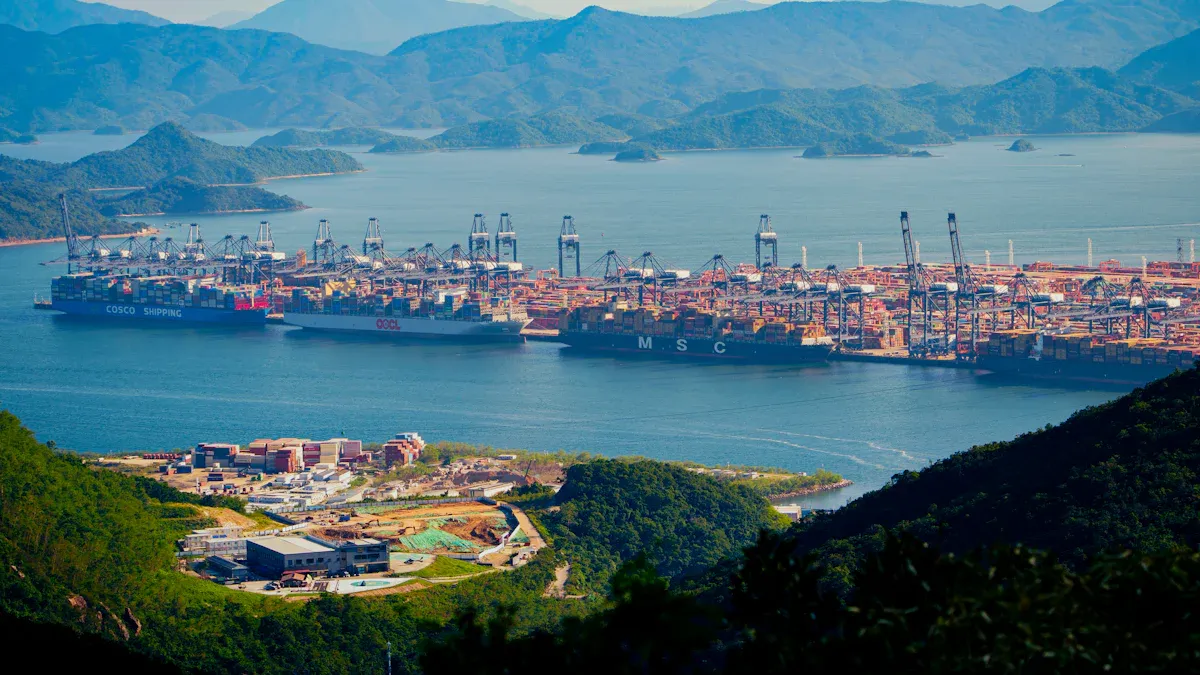
You count on Gulf Coast freight shipping solutions to keep your business running. The area has good port access. It links your supply chain to local and national shipping. Gulf Coast freight shipping solutions offer many logistics options. These include FTL, LTL, intermodal, drayage, and warehousing. These solutions help you handle your supply chain. They make logistics better and help your supply chain work well. You can trust these solutions to fit your supply chain needs. They help with distribution and make your logistics network stronger.
Key Takeaways
Gulf Coast freight shipping gives many logistics choices like FTL, LTL, intermodal, and warehousing. These help make your supply chain better. Use the I-10 corridor for quick access to big markets. This helps you skip traffic and get faster deliveries. Pick the best freight shipping method for your shipment size and how fast you need it. This saves money and makes things work better. Use technology to track shipments in real time. This helps you know where things are and fix problems fast. Choose good freight partners with lots of experience and strong technology. This makes your shipping smooth and gives you better service.
Gulf Coast Logistics Network Overview
Major Ports and Freight Hubs
You can find some of the busiest freight hubs in the United States along the Gulf Coast. These hubs help you move goods quickly and efficiently. The region covers Texas, Louisiana, Mississippi, Alabama, and Florida. Key cities like Houston, New Orleans, Mobile, Tampa, Jacksonville, and Corpus Christi support your supply chain. The port of greater baton rouge also plays a vital role in handling bulk and breakbulk cargo.
Here is a table showing annual throughput for major gulf coast ports:
Port Name | Annual Throughput (TEUs) |
|---|---|
Port of Houston | |
Port of Greater Baton Rouge | 250,000 |
Port of New Orleans | 600,000 |
Port of Mobile | 500,000 |
Port Tampa Bay | 300,000 |
You can see that gulf coast ports handle millions of containers each year. The port of greater baton rouge stands out for its bulk cargo operations.
Key Regional Freight Corridors
You can use the I-10 corridor to connect your business to major markets. This highway links eight states and many gulf coast ports. The I-10 corridor helps you avoid congestion and keeps your shipments moving. Warehousing near I-10 lets you respond quickly to customer needs.
The I-10 corridor gives you access to key markets and boosts supply chain agility.
It helps you avoid crowded routes, making freight movement more reliable.
Warehouses near I-10 keep your goods close to customers and lower costs.
Integration with National Distribution
You can connect your gulf coast operations to national freight routes with ease. The port of greater baton rouge and other gulf coast ports link you to rail, truck, and air networks. The Port of Houston leads in foreign trade, making it a top choice for shippers. The expansion of the Panama Canal brings even more cargo through gulf coast ports, giving you more options for nationwide distribution.
Tip: Use gulf coast ports as your gateway to the Southeast and beyond. This strategy helps you reach more customers and grow your business.
Freight Shipping Solutions and Services

You need good freight shipping solutions to keep your business going. The Gulf Coast has many ways to move goods. These options help you send products and reach customers all over the country. You can pick from different freight shipping services. This lets you match your cargo needs and delivery times.
FTL and LTL Freight Options
You can pick Full Truckload (FTL) or Less-than-Truckload (LTL) services. Your choice depends on how big your shipment is and how fast you need it. FTL is best for big shipments or when you need things delivered quickly. LTL is better for smaller shipments. It saves money because you share truck space with other companies. Gulf Coast transload services help you combine shipments and save on transportation costs.
FTL works well for fast deliveries and large loads.
LTL helps you save money by sharing space.
Truckload services give you a truck just for your freight.
Intermodal transportation links you to rail networks like BNSF and UP.
Flatbed options are good for heavy equipment and big loads.
You can change your shipping plan based on what you ship, where it goes, the time of year, and market changes. Gulf Coast transload services help you group freight and make distribution easier. You get more choices and control over how you ship.
Note: Gulf Coast transload services make things work better by combining shipments and cutting down on empty trips. You can spend less and make your supply chain work better.
Intermodal and Drayage Services
You get help from intermodal and drayage services that link ports, rail hubs, and warehouses. Drayage services move containers between different types of transport quickly and safely. Gulf Coast transload solutions help with export logistics and make it easier to manage complex supply chains.
Drayage services help deliver on time and cut costs from traffic.
Real-time tracking lets you see where your shipment is.
Custom container solutions fit your business needs.
Reliable transport from ports to final stops keeps things running.
Scalable transload services handle busy times and keep you flexible.
You can reach places all over the country through big ports, rail hubs, and airports. Gulf Coast transload services know how to handle both incoming and outgoing drayage. This makes switching between modes easy. You get less drayage time and cost, faster container moves, and lower fees. Transload services give you good access to inland ports, which cuts costs and traffic.
Tip: Use technology to track your shipments in real time and get alerts. You can see what is happening and talk to one person for updates.
Warehousing and Cross-Docking Solutions
You can use warehousing and cross-docking to manage your inventory and speed up deliveries. Gulf Coast transload services give you flexible storage times and short-term storage. You can process inventory fast and meet changing customer needs.
Temporary storage includes cross-docking and inventory processing.
Short-term and long-term warehousing fits your business.
Reliable teamwork and inspection services keep quality high.
Flexible storage times help you adjust to market changes.
You can move freight from pallet to pallet or from floor-loaded shipments. Same-day and short-term cross-dock handling keeps your supply chain quick. Gulf Coast transload services help with import and export freight, overflow shipments, and missed appointments. Facilities have many dock-high doors for 53-ft trailers, strong forklifts, safe yards, and controlled dock access. You can set up transload services fast and keep your business moving.
Callout: Gulf Coast transload services help you handle shipping containers, make transportation better, and improve distribution. You can use technology to make things easier and see your supply chain clearly.
You get many freight shipping solutions, like FTL, LTL, intermodal transportation, port drayage, warehousing, and cross-docking. Gulf Coast transload services are important for grouping, transloading, and export logistics. You can make transportation better, lower costs, and help your business grow with the right freight shipping solutions.
Industries Served by Gulf Coast Freight
Energy and Petrochemical Logistics
When you use Gulf Coast freight shipping, you help the energy and petrochemical sector. The region moves a lot of crude oil, petroleum, and liquefied natural gas. You can look at the table below to see how much is shipped each year:
Commodity | Annual Volume (tons) | Yearly Change (%) |
|---|---|---|
Crude Oil | 112 million | +15% |
Petroleum | 62 million | +11% |
Liquefied Natural Gas | 16 million | +4% |
These products travel on special freight shipping routes. You use import and export logistics to link refineries, terminals, and offshore rigs. You get help from carrier networks that move hazardous materials and project cargo. You use tracking and safety steps to keep shipments safe.
Tip: Pick freight shipping partners who know how to move energy equipment and hazardous materials. This helps you follow rules and keep your supply chain safe.
Industrial and Heavy Haul Shipping
You count on Gulf Coast freight shipping for big industrial and heavy haul jobs. You move large machines, building materials, and project cargo. You need special equipment and skilled carriers. The table below shows how Gulf Coast freight shipping helps you:
Service Feature | Description |
|---|---|
Experience | Many years of custom logistics for project and breakbulk cargo. |
Equipment Access | Modern fleets with special heavy hauling equipment. |
Carrier Network | Over 5,000 carrier partners with good safety records. |
Transport Management | Handles all transport details, including permits. |
Emergency Shipping | Can ship important equipment fast in emergencies. |
Tracking | GPS tracking keeps oversized cargo safe and on time. |
Freight shipping solutions help you with permits, customs, and emergency shipments. You use GPS to track your cargo and make sure it arrives on time. You use import and export logistics to move industrial parts across the Gulf Coast and the country.
Food, Beverage, and Consumer Goods
You have special problems in the food, beverage, and consumer goods sector. You must keep products fresh and avoid late deliveries. You deal with problems at Gulf Coast ports, busy West Coast ports, and rail delays. The freight shipping industry helps you by giving flexible routes and warehousing.
More traffic on the West Coast from rerouted shipments.
Rail delays on the West Coast from more intermodal shipments.
You use freight shipping with temperature-controlled storage and cross-docking. You use import and export logistics to move goods fast. You protect your supply chain from delays that hurt production and sales.
Note: U.S. ports are not as efficient as some other countries. You can save money and get better service by working with Gulf Coast freight shipping partners who know the local ports.
You also help the automotive and construction sectors by moving parts and materials. You keep your supply chain strong with reliable freight shipping solutions.
Cost and Risk Factors in Gulf Coast Shipping
Fuel Costs and Port Congestion
You must pay close attention to fuel costs when shipping from the Gulf Coast. Fuel surcharges are a big part of your shipping bill. These surcharges go up or down as diesel prices change. In 2022, fuel surcharges went up by 20–30% because oil prices got higher everywhere. The U.S. Energy Information Administration says diesel prices can change fast, so freight rates change a lot too. Crowded ports also make shipping more expensive. When ports are busy, you pay more for storage and wait longer for your freight. You can save money by picking ports that are not crowded and shipping at less busy times.
Fuel surcharges change with fuel prices.
Higher oil prices mean shipping costs more.
Crowded ports cause delays and extra fees.
Weather and Seasonal Risks
You deal with weather risks every year, especially during hurricane season. Big storms can stop Gulf Coast shipping and slow down your freight. You need to get ready for these storms to keep your supply chain safe. The table below shows how hurricanes change shipping at different times:
Phase | Description |
|---|---|
Before the storm | Shippers clear docks and move freight, which makes space tight and prices go up. |
During the storm | Freight barely moves, and only emergency shipments go out. The government decides when it is safe. |
After the storm | Recovery starts with important goods, so inbound rates go up and orders pile up. |
You can use special inventory plans that change when bad weather comes. You add 15–25% more inventory when storms are near. You watch the weather and use backup plans before problems start.
Carrier Capacity and Network Density
You need to look at carrier capacity and network density when picking Gulf Coast shipping. High demand can make it hard to find carriers and book freight. You can lower risks by keeping inventory in more than one warehouse and using different suppliers. You plan other routes and keep extra stock to protect your supply chain. You work with shipping companies to make strong risk plans. You use better tracking to see where your freight is and act fast if there are problems.
The 30% rule helps you not depend on one area too much.
Shared plans let you move shipments during storms.
Using more suppliers and warehouses makes your supply chain stronger.
Tip: You can make freight shipping better for the environment by planning for risks and using flexible plans. This helps your supply chain stay strong and support sustainability.
Choosing the Right Gulf Coast Freight Partner
Assessing Shipping Needs and Volumes
You should know your shipping needs before picking a Gulf Coast partner. First, look at how big your shipments are. Check when you need things delivered. Think about what kinds of goods you ship. Use carrier data to help you choose the right amount of space. Compare carriers by how often they deliver on time. Also, check how often they accept bookings. Try to be a preferred customer by having a good reputation. Stay flexible with your shipping plans. Work with reliable carriers to get better space guarantees. Use carrier performance when you ask for quotes. This helps you get good service, not just low prices. Use different carriers so you do not depend on just one. Keep backup contracts in case your main carrier cannot help. Be ready to change your plans if the market changes. You can ask for better service or new contracts when things shift.
Use carrier data to help decide on shipping space.
Compare carriers by on-time delivery rates.
Stay flexible and keep a good reputation.
Use different carriers and have backup plans.
Evaluating Service Providers and 3PLs
You need to check Gulf Coast service providers and third-party logistics companies carefully. Look at their technology and see if it fits your needs. Make sure their warehouses are close to your customers. This helps you deliver faster and save money. Ask for clear prices with all fees listed. Find out how they handle busy seasons and fast growth. Make sure they have experience with your type of products. Check if they care about the environment. Ask for references from other clients. Find out how accurate their orders are. Ask about same-day processing and how they talk to you during problems.
Description | |
|---|---|
Technology Capabilities | Check if their systems and reports fit your needs. |
Geographic Coverage | Make sure warehouse locations help you deliver quickly. |
Pricing Transparency | Ask for clear prices with all fees listed. |
Scalability | See how they handle busy times and fast growth. |
Industry-Specific Experience | Make sure they know your product type. |
Sustainability Programs | Check if they report on the environment. |
Client References | Ask for references and check order accuracy and communication. |
Check if the provider knows baton rouge freight shipping and other Gulf Coast routes. Ask for references and see how they do during busy times.
Requesting a Freight Shipping Quote
Give correct details when you ask for a freight shipping quote. Include the weight of your shipment. Write down the size of your shipment. Say where it will be picked up and delivered. Describe what you are shipping. Tell if you need special handling. The table below shows what you need to prepare:
Requirement | Description |
|---|---|
Shipment Weight | How much your shipment weighs |
Dimensions | The size of your shipment |
Pickup Location | Where your shipment starts |
Delivery Location | Where your shipment goes |
Type of Goods | What you are shipping |
Special Handling Requirements | Any special needs for your shipment |
Tip: Giving the right details helps you get the best shipping rates. It also makes baton rouge freight shipping go smoothly.
Follow these steps to make Gulf Coast shipping better. You will find the right partner and make your supply chain work well.
You get real benefits when you pick Gulf Coast freight shipping solutions. Lower rent and easy access to inland waterways help save money. Freight shipping is efficient and costs less. You can move freight in many ways, like transloading and cross-docking. To make shipping better, look at your current freight plans. Use data to guess what you will need and keep inventory just right. Check your freight partners for good service, strong technology, and lots of experience. These steps help you build a strong and trustworthy shipping network for your business.
Factor | Description |
|---|---|
Service Capabilities | See if the provider can handle your freight and shipping needs. |
Technology | Look for tracking and digital tools that help your shipping. |
Industry Experience | Pick partners who know freight shipping in your industry. |
Tip: Talk to Gulf Coast freight experts and ask for a shipping quote to find the best choice for your needs.
FAQ
What types of freight can you ship from the Gulf Coast?
You can ship many kinds of freight. This includes industrial equipment, energy products, consumer goods, and food. Gulf Coast carriers move both bulk and containerized freight. Special services help with heavy haul, hazardous materials, and temperature-sensitive shipments.
How do you choose the best freight shipping method?
Think about your shipment size, delivery speed, and cargo type. FTL is good for big loads. LTL works for smaller shipments. Intermodal options use rail and truck together. Gulf Coast experts help you pick the best freight solution.
What is drayage in Gulf Coast freight logistics?
Drayage moves freight between ports, rail terminals, and warehouses. You use drayage to transfer containers fast and safely. Gulf Coast drayage services link your freight to national networks and help cut delays.
How do you manage risks in Gulf Coast freight shipping?
Watch the weather, fuel costs, and port congestion. Keep backup inventory and use flexible routes. Gulf Coast freight partners give real-time tracking and backup plans. These steps help protect your supply chain from problems.
Can you track your freight shipments in real time?
Yes, you can track your freight shipments with digital tools. Gulf Coast carriers give real-time updates and alerts. You see shipment status, delivery times, and route changes. Tracking helps you plan and fix issues quickly.
See Also
Dependable Storage And Distribution Services Across The East Coast
Dynamic Trucking Solutions Enhance West Coast Freight Services
PGL Offers Efficient Warehouse Solutions For Quick Miami Deliveries
PGL Simplifies Import Warehousing And Delivery On The East Coast
PGL Provides Comprehensive Ocean Freight Export Solutions Nationwide
