Houston FTL and LTL Shipping Services: Complete Guide for Businesses
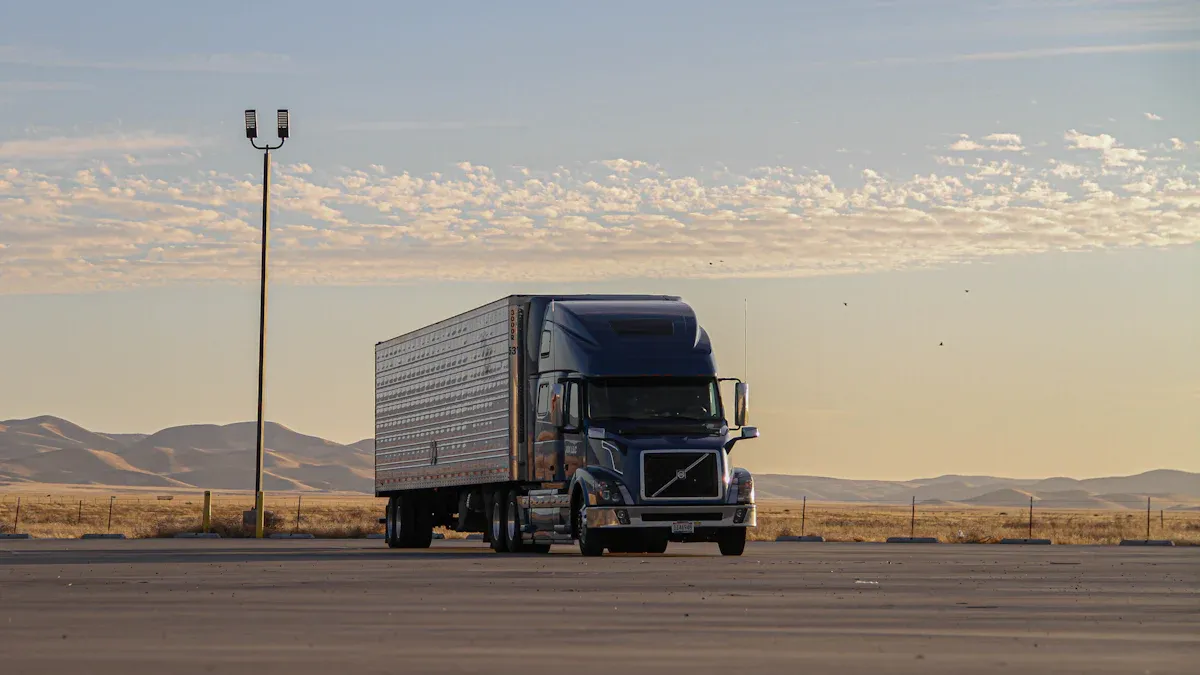
When deciding between FTL and LTL, it’s important to consider the advantages of Houston FTL LTL shipping services. Houston stands out as a premier logistics hub, investing heavily in new infrastructure, including buildings, roads, and the expansion of the Houston Ship Channel. Its strategic location allows for fast shipping routes throughout the U.S. and Latin America. Evaluate the size of your shipment, your business needs, and your required transit speed when choosing between FTL and LTL options. Local Houston FTL LTL shipping services can impact both cost and efficiency, so leveraging Houston’s logistics expertise will help you make the best decision for your freight.
Key Takeaways
Pick FTL if you have big shipments that need a truck. This choice lowers handling and keeps your items safer.
Use LTL for smaller loads to spend less money. You can share the truck with other shipments this way.
Learn about freight class so you do not get extra charges. Correct class makes shipping easy and stops delays.
Think about Houston's good logistics like its big port and many centers. These things help your shipping work better.
Talk clearly with your logistics provider. Good communication gives you better service and more choices for shipping.
Understanding Houston FTL and LTL Shipping Services
What Is FTL Shipping?
You pick FTL shipping when your freight fills a whole truck or needs its own truck. In Houston, FTL is important for oil and gas companies. These companies move big machines and equipment that must be safe and go straight to the destination. FTL means your shipment gets a whole truck, so it goes from pickup to delivery without stopping for other loads. This way, there is less handling and less chance of damage.
FTL is a good choice if you ship expensive machines that should only be loaded and unloaded once, like in oil and gas or mining.
Houston FTL LTL shipping services give you trucks even when it is busy. You can trust your big or urgent shipments will arrive on time.
What Is LTL Shipping?
LTL shipping means less-than-truckload. You use LTL when your freight does not fill up a truck. In Houston, many businesses use LTL for smaller shipments. You share the truck with other companies, which saves money. LTL is good for general freight and construction items.
Here are some things often shipped by LTL in Houston:
Boxes of tile
Plumbing fixtures
Doors
Tools
Small HVAC units
LTL shipments usually weigh between 150 and 15,000 pounds. Houston FTL LTL shipping services give flexible choices for businesses that want to save money.
FTL vs LTL: Key Differences
It is important to know how FTL and LTL are different. The table below shows how these services compare in Houston:
Feature | LTL (Less-Than-Truckload) | FTL (Full-Truckload) |
|---|---|---|
Best For | Small, cost-sensitive shipments | Large, time-sensitive, or high-value shipments |
Shipment Size | 1–6 pallets | 10+ pallets |
Weight | 150–10,000 lbs | 10,000–45,000+ lbs |
Cost Structure | Pay for the space you use (by weight, class, & density) | Pay a flat rate per mile for the whole truck |
Transit Time | Slower (multiple stops at terminals) | Faster (direct point-to-point) |
Risk of Damage | Higher, freight is loaded and unloaded multiple times | Very low, loaded once and unloaded once |
Scheduling | Estimated pickup/delivery windows | Firm, pre-set appointment times |
Houston FTL LTL shipping services help you pick the best way to ship your freight. You can use LTL for smaller, cheaper shipments or FTL for bigger, faster deliveries.
Houston’s Logistics Advantages for Freight Shipping
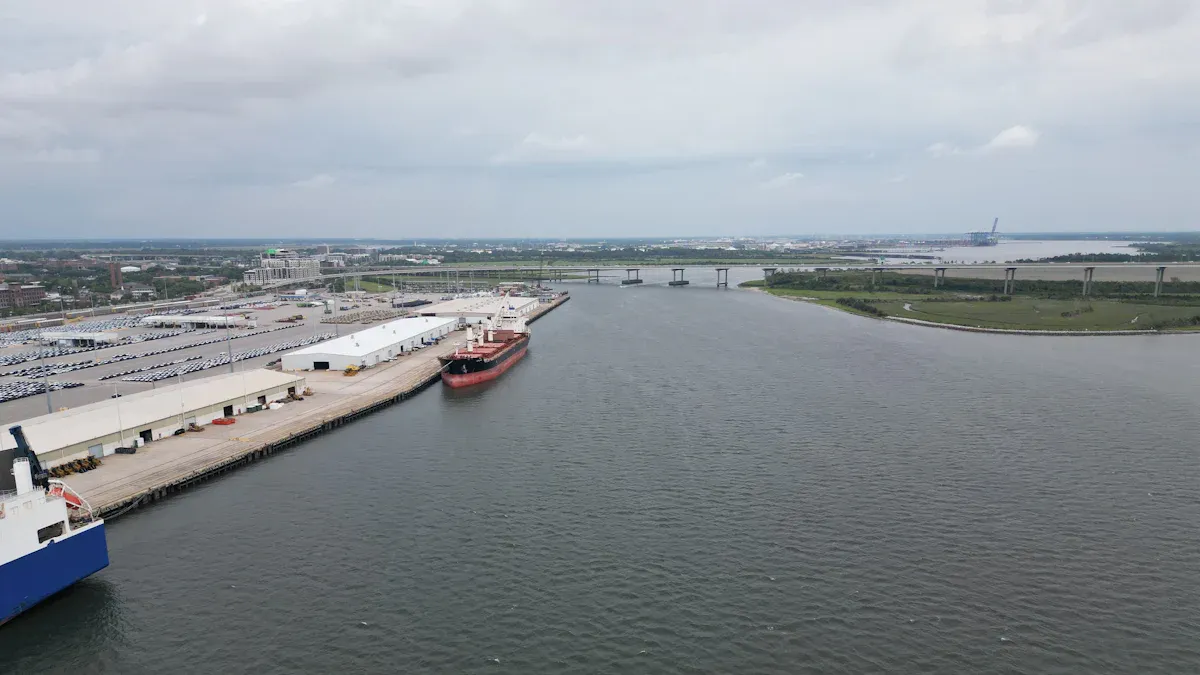
Port of Houston and Regional Network
Houston has the biggest port in the U.S. for water cargo. The Port of Houston moves more freight than any other port in Texas. It helps millions of people get jobs and brings in lots of money for Texas and the country. In 2023, the port handled over 309 million tons of goods. The Houston Ship Channel is the busiest waterway in America. A $1 billion upgrade lets bigger ships come in, so you can ship more at once. Houston connects to main highways, railroads, and two big airports. This network helps you reach places all over the U.S., Mexico, and other countries.
The Port of Houston has 44% of Texas’s tonnage market.
Houston’s lead over the next biggest port grew by 24.4 million tons in 2023.
Houston’s location gives you access to the Gulf Coast and Latin America.
Houston Distribution Centers and Warehousing
Houston has many distribution centers and warehouses. Since 2020, Houston added 83 million square feet of warehouse space. New buildings are coming in Baytown, Deer Park, Hockley, and Humble. Some big facilities include a 2.3 million square foot logistics portfolio near the port and a 1.2 million square foot center planned in Hockley. These centers help you store, sort, and move freight easily. You can use these places to keep your supply chain working well.
Palmer Logistics opened a 616,700 square foot warehouse in Baytown.
Baywood Logistics built a 401,000 square foot facility near the Ship Channel.
Over 13 million square feet of warehouse space will be ready by 2025.
Key Industries: Energy, Retail, Manufacturing, Oil & Gas
Houston helps many industries that need freight shipping. You can see how different businesses use FTL and LTL in the table below:
Description | Key Industries | |
|---|---|---|
Full Truckload (FTL) | Dedicated shipments for one company. | Energy, Manufacturing |
Less Than Truckload (LTL) | Combines smaller shipments from several companies. | Retail, E-commerce |
Specialized Freight | Handles hazardous or temperature-sensitive cargo. | Healthcare, Energy |
You can pick the best shipping method for your business. Energy and manufacturing use FTL for big equipment. Retail and e-commerce use LTL for smaller shipments that happen often. Houston’s infrastructure supports all these choices, so you can move goods easily.
Cost Factors in Houston FTL and LTL Shipping
Freight Class and NMFC System
You need to know how freight class affects your costs. The NMFC system gives each freight a class. This class depends on how dense, easy to stack, and safe it is. Lower class numbers mean your shipment is easier to move and costs less. Higher class numbers mean your freight is harder to move and costs more. Always check your freight class before shipping. Using the wrong class can make you pay extra fees or cause delays.
Freight class and the NMFC system decide how much space your shipment needs and how risky it is to move.
Lower class codes mean lower costs.
Higher class codes mean higher costs because of extra handling.
Accurate class helps you avoid surprises and keeps shipping smooth.
Distance, Fuel Surcharge, and Seasonality
Distance is a big part of your total cost. Longer trips use more fuel and take more time, so rates go up. In Texas, full truckload rates are about $3.00 per mile. Fuel prices in Texas are between $3.00 and $3.40 per gallon. Summer months often have higher fuel surcharges, sometimes up to $0.50 per mile. Winter months usually have lower surcharges. You can save money by planning routes through states with cheaper fuel. Rates also go up during busy seasons, like holidays, when more trucks are needed.
Longer distances make freight rates higher.
Fuel surcharges change with diesel prices and the time of year.
Peak seasons push rates up.
Accessorial Charges and Extra Fees
You may see extra fees on your bill. These are called accessorial charges. They cover special services that are not part of basic shipping. Common accessorial charges include:
After hours delivery or pickup
Bill of Lading correction
Excess length fee for shipments over 10 feet
Hazardous cargo charge
Inside delivery or pickup
Lift gate service
Limited access locations
Residential or farm delivery
Ask your carrier about these charges before you ship. This helps you avoid surprises and plan your budget.
Tip: Always check your shipment details and ask for a full breakdown of costs before booking. This helps you compare FTL and LTL options and pick the best one for your needs.
Shipping Type | Best For | Characteristics |
|---|---|---|
FTL | Large-volume, high-priority shipments | Dedicated truck for heavy machinery or construction equipment |
LTL | Smaller, cost-sensitive shipments | Flexibility and lower costs for retail products or ecommerce packages |
You can estimate your total cost by looking at freight class, shipment size, distance, season, and any extra services you need. Careful planning helps you keep your freight costs under control.
How to Choose Between FTL and LTL in Houston
Picking between FTL and LTL may seem hard at first. You can make a good choice by following some easy steps. Houston FTL LTL shipping services give you many choices for your business. Use the tips below to find the best shipping service for your needs.
Shipment Size and Weight Considerations
First, look at how big and heavy your shipment is. These two things help you know if you need LTL or FTL. Check the table below to see where your shipment fits:
Shipping Type | Weight Range (lbs) | Shipment Size Characteristics |
|---|---|---|
LTL | 151 - 20,000 | Less than 40 linear feet, about 1-15 pallets |
FTL | Over 20,000 | Full truckload, usually more than 40 linear feet |
LTL shipments are usually between 151 and 20,000 lbs.
LTL often starts at about 250 lbs per pallet.
FTL is best for shipments over 20,000 lbs or when you fill the trailer.
If your freight is 1 to 15 pallets and under 20,000 lbs, LTL is likely best. If your shipment is heavier or fills most of the trailer, FTL is better for you. Houston FTL LTL shipping services can help you measure and sort your freight the right way.
Tip: Always check your shipment’s weight and size before you book. Good measurements help you avoid extra costs and delays.
Delivery Speed and Risk Factors
Think about how fast you need your shipment to get there. Delivery speed is important when you choose. FTL gives you a direct trip and a set schedule. Your freight gets there fast because the truck does not stop for others. Pick FTL if you have tight deadlines or need fast delivery.
LTL is good if you do not need your shipment right away. The truck will stop to pick up and drop off other loads. This means your delivery may take longer, but you save money.
Risk is also important. FTL gives you “one-touch” service. Your shipment is loaded and unloaded only once. This lowers the chance of damage, which is good for fragile or expensive items. LTL has more stops and handling, so there is a higher risk of damage.
Pick FTL for urgent shipments or if you want less risk of damage.
Use LTL for less urgent deliveries and to save money.
Special Cases: High-Value or Fragile Cargo
Some shipments need extra care. High-value or fragile cargo needs special attention with FTL or LTL. Follow these tips to keep your shipment safe:
Use strong boxes and lots of padding for fragile items.
Wrap pallets with shrink-wrap to keep them steady.
Tell your carrier about any special needs or delivery rules.
Think about buying extra insurance for high-value shipments.
FTL is often best for these cases. There are fewer stops, so there is less risk of damage. If you use LTL, make sure you pack your freight well and label it clearly.
Guidance: Always talk to your Houston logistics provider about your shipment’s value and how it should be handled. This helps you get the right service and protection.
Step-by-Step Decision Guide for Houston Shippers
Measure and weigh your shipment.
See if your freight fits LTL or FTL rules.
Decide how fast you need it delivered.
Think about how valuable or fragile your cargo is.
Look at your budget and compare costs.
Ask your Houston FTL LTL shipping services provider for advice.
Common Mistakes and Best Practices
Many Houston businesses make the same mistakes when picking FTL or LTL:
They classify freight wrong and get surprise fees.
They use weak packaging, which leads to damage.
They pick the wrong carrier for their shipment.
They skip digital freight tools that save time and money.
They guess wrong about delivery times, especially with LTL.
You can avoid these problems by following best practices:
Classify your freight the right way.
Use strong and safe packaging.
Pick a carrier who knows your industry.
Use technology to track and manage your shipments.
Plan for delivery times that make sense.
Guidance: Careful planning and clear talks with your Houston FTL LTL shipping services provider will help you avoid costly mistakes and keep your freight moving without problems.
Finding the Right Houston Freight Partner
Evaluating Houston Freight Companies
You want a partner you can trust with your freight. Start by seeing how Houston companies do their jobs. Look for companies that deliver on time more than 95% of the time. Fast answers in less than four hours mean good service. Digital tracking lets you see where your shipment is. Make sure the company has the right licenses and insurance. Ask if they have worked with your type of business before. Some companies are better with energy or retail shipments. Use the table below to compare what matters most:
Criteria | Description |
|---|---|
Operational Excellence and Performance Metrics | On-time delivery rates above 95%, response times under 4 hours, digital tracking capabilities. |
Regulatory Compliance and Industry Credentials | FMC licensing, IATA certification, C-TPAT status, cargo insurance. |
Network Strength and Carrier Relationships | Direct contracts with major carriers, terminal slot availability at Port of Houston. |
Specialization in Your Industry Segment | Experience handling specialized cargo for your business. |
You can also look at what services they offer and if customers are happy. For example, VelociBuilders has many services and is very reliable. Deliver Houston is known for great customer support and good warehousing.
Getting a Houston LTL Freight Quote
You need a clear price before you ship your freight. Write down your shipment’s weight, size, and where it is going. Call local companies and ask them for a quote. Make sure you ask about all extra charges, like fuel or special fees. Compare prices from at least two companies. This helps you get the best deal for your ltl shipment. Ask if they have digital tools for tracking and reports.
Tip: Always check the quote for hidden fees. Ask questions if something is not clear.
Tips for Working with Local Logistics Providers
Having a good relationship with your logistics partner helps your business. Pick a partner who works well even when things get busy. Good communication is very important. You want honest updates if there are delays or changes. Flexibility is helpful if your shipping needs change. Choose a partner who can grow with your business. Meet often to set goals and talk about what you expect. The table below shows what to look for in a long-term partner:
Key Traits and Questions | Description |
|---|---|
Operational Stability | Consistent performance under pressure. |
Clear Communication | Honest updates about delays and issues. |
Flexibility | Adapts to changing demands. |
Growth Support | Can scale with your business. |
Shared Expectations | Matches your reliability and communication standards. |
You can also ask for reports and data. This helps you see how things are going and make your shipping better.
You can pick the best shipping way by following easy steps. First, check how big and heavy your shipment is. Next, think about how fast you need it delivered. Look at any risks, like if your items break easily. Houston’s logistics network helps you save money and work faster. Compare FTL and LTL prices using the table below. Talk to local freight experts for advice. Change your shipping plan often to keep it working well.
Factor | What to Check |
|---|---|
Weight | Total shipment weight |
Freight Class | NMFC classification |
Distance | Route and delivery location |
Tip: Check what carriers charge and watch delivery times. This helps you stay ahead of others.
FAQ
How do you decide between FTL and LTL shipping in Houston?
First, check how much your shipment weighs and its size. If your freight fills up a truck or needs to get there fast, pick FTL. If your load is smaller and you want to save money, choose LTL. You can always ask your Houston logistics provider for help.
What is a freight class, and why does it matter?
Freight class tells you how dense your cargo is and how it should be handled. The NMFC system helps you put your shipment in the right class. Picking the right freight class stops extra fees and makes sure your delivery goes smoothly.
Can you track your Houston shipment in real time?
Most Houston freight companies let you track your shipment online. You can see where your shipment is and if it is on time. This helps you plan and keep your supply chain running well.
What are common accessorial charges in Houston shipping?
You might pay more for things like liftgate service, inside delivery, limited access, or home drop-off. Always ask your carrier about these extra fees before you book your shipment.
How can you reduce damage risk for fragile cargo?
Use strong boxes and make sure pallets are secure. Put clear labels on fragile items. For expensive shipments, FTL is better because there are fewer stops and less handling.
See Also
PGL Delivers Expert LTL And FTL Freight Shipping Services
Selecting LTL, FTL, Or Drayage With PGL For Trucking
Transport Large Loads Economically With PGL's Cross-Country FTL
