How to Source Ocean Shipping Clients: Practical Strategies for Sustainable Growth
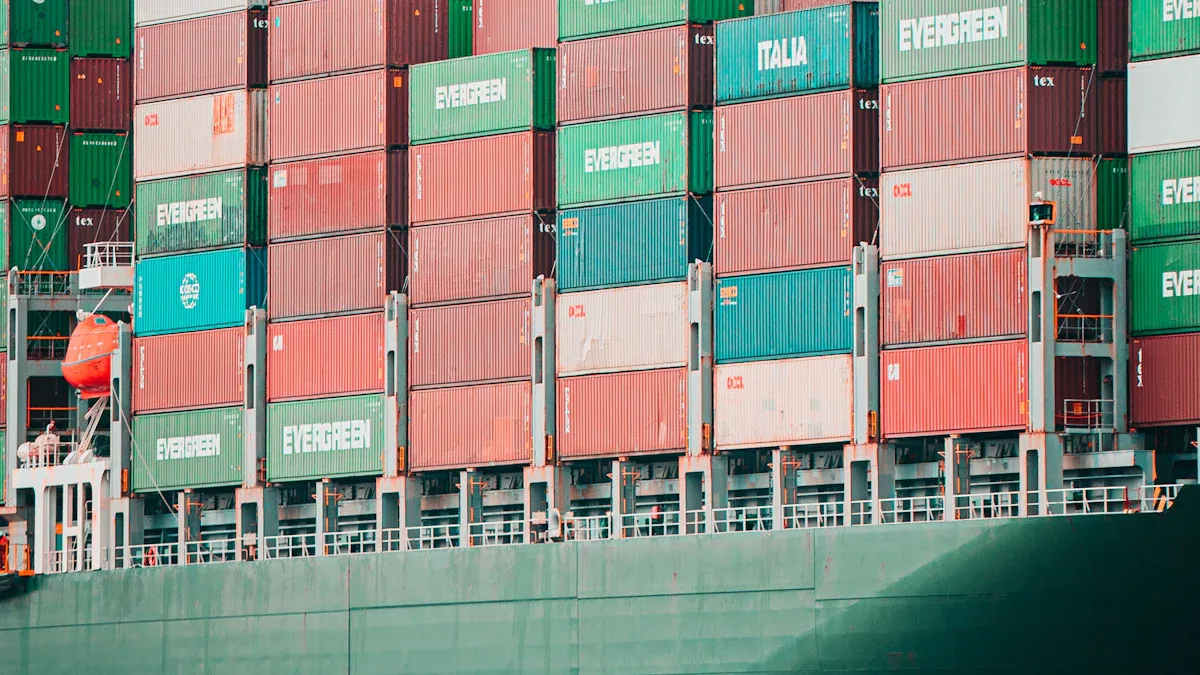
In a field that facilitates nearly 80% of world trade, understanding how to source ocean shipping clients is crucial for your future success. Trust plays a significant role as clients navigate challenges such as late cargo, high prices, and fluctuating markets. If you prioritize sustainability, clients will recognize your commitment to efficiency and environmental responsibility. Providing excellent service and maintaining clear communication will enable you to outperform competitors in the shipping industry.
Key Takeaways
Figure out who your best client is by splitting up your market. This lets you change your services and messages for each client group.
Reach out to new clients directly and meet people in your field. Join industry groups and use trade lists to find good contacts.
Use online marketing like SEO and social media to get noticed. This brings in important people and helps them trust you.
Pay attention to eco-friendly shipping methods. Clients like partners who care about the environment, and this makes your business look better.
Use a strong CRM system to keep track of clients. This helps you talk to clients, makes work easier, and keeps clients coming back.
Define Your Ideal Client
Target Market Segmentation
You must know your best clients before you look for them. Breaking your market into groups helps you find the right companies. This saves you time and effort. When you sort clients by what they need and how they act, you can change your services and messages. Doing this makes selling easier and helps you learn from each group.
Tip: Segmentation helps you use your resources wisely. You can make messages that match what high-potential clients want.
Here is a table that shows common ways to split up ocean shipping clients:
Segmentation Type | Description | Example |
|---|---|---|
Demographic Segmentation | Finds customers by age, income, education, and marital status. | High income customers who pay more for fast shipping. |
Geographic Segmentation | Looks at where customers live, like country, state, or city. | Customers in cities who want free next-day delivery. |
Psychographic Segmentation | Thinks about personality, values, and interests. | Customers who care about sustainability and pay for green shipping. |
Behavioral Segmentation | Studies what customers do, like buying habits and product use. | Customers who want free next-day shipping and buy more to get it. |
Needs-Based Segmentation | Finds groups with special needs for products or services. | Business customers who need overnight shipping and pay extra for it. |
Economic Value-Based Segmentation | Looks for customers who want the best deal. | Customers who buy in bulk and pick up if the price is good. |
You can also group by service type, cargo type, and end-user industry. This helps you match your skills to what clients need. For example, you might focus on FCL shipments for car companies or LCL for small businesses.
Client Profile Essentials
Making a client profile helps you know who you want to work with. It shows why they are good for your business. Look for clients who ship a lot because they get better prices and more space. Ocean freight works for small startups and big companies. You can grow your services as needed. Knowing where your clients do business helps you pick the best shipping lines and routes.
Here are important things to put in your client profile:
Attribute | Description |
|---|---|
Company Name | Trade and directory names |
Industry Classification | SIC, NACE, or other standards |
Geographic Location | Physical location of the company |
Legal Structure | Business entity type |
Estimated Revenue | Annual turnover |
Company Size | Number of employees |
Key Decision-Makers | CEO, CFO, and other leaders |
Contact Information | Phone, email, and other details |
Website and Social Media | Online presence |
Registration Date | Date of company registration |
Official Operating Language | Main language used |
Headquarters and Branches | Main office and branch locations |
You should also pick clients who talk clearly, act professionally, and are honest. These traits help you build strong and lasting partnerships. Today, clients who handle supply shocks and care about sustainability are special. When you know your ideal client, you build a strong base for growth and success in ocean shipping.
How to Source Ocean Shipping Clients: Direct Outreach & Networking
Importer and Exporter Prospecting
You need to learn how to source ocean shipping clients who move goods between countries. First, look for companies that import or export products often. These businesses need shipping partners they can trust. You can find them by checking trade databases, customs records, and company websites. Trade databases show you information about supply, demand, freight rates, and trade flows. This helps you see which companies ship a lot and what they want.
Aspect | Description |
|---|---|
Data Provided | Detailed data on shipping market supply and demand, freight rates, vessel earnings, and trade flows. |
Role in Decision-Making | Helps people make choices in the maritime industry by giving insights into shipping markets. |
Market Analysis | Follows and studies important numbers to understand shipping market changes. |
Industry associations and chambers of commerce are also good places to find clients. These groups connect you with importers and exporters who want to grow. If you join these groups, you get member lists, events, and chances to meet people.
Direct outreach works best when you use smart methods. Here is a table that shows the best ways to reach new clients:
Outreach Method | Description |
|---|---|
Cold Calling | A good way to talk to new shippers, focusing on what makes your service special, like real-time tracking and helpful information. |
Consultations | An easy way to start talking, offering things like shipping audits or reviews to build trust and show you understand logistics. |
Referral Programs | Using happy customers to get new clients through rewards and trust, sharing stories on social media to reach more people. |
You can call or email companies to talk to them directly. When you do, show you know their business. A 2023 McKinsey report said 74% of B2B buyers want suppliers who know their industry well. If you offer a free consultation or shipping audit, you build trust and start a chat. Referral programs help you get more clients too. Happy customers can introduce you to new importers and exporters.
Tip: Always follow up after your first contact. A handicrafts exporter from Jaipur got three orders in two months by answering faster and following up. A U.S. exporter raised her conversion rate from 2.1% to 6.8% in 90 days by using smart, targeted follow-ups.
Industry Networks and Partnerships
You can also learn how to source ocean shipping clients by making strong industry connections. Working with overseas agents and forwarding networks helps you find new markets and clients. Freight forwarders and NVOCCs handle costs and cargo needs well. They help you deal with changes in capacity or ports, which keeps clients happy. Working together in ocean shipping helps manage space and makes things run better. This brings in more clients and keeps them coming back.
Carrier and vendor partners are important for finding clients. If you work closely with steamship lines, trucking companies, and warehouses, you get more referrals. These partners often know shippers who need good service. Good relationships with them save money, improve service, and lower risk.
Benefit Type | Description |
|---|---|
Cost Optimization and Rate Savings | Saving money on transportation by getting better rates and combining shipments. |
Improved Service Quality | Clear rules mean better service and more trust. |
Risk Mitigation | Good contracts help you follow rules and lower risks. |
Enhanced Supplier Relationships | Strong contracts build trust and help solve problems with carriers. |
You stand out from others by working well with your partners. These partnerships help you handle risks and make customers happier. They also help you try new ideas and make your service better.
Note: Meeting people at trade shows and industry events lets you talk to decision-makers face-to-face. You can share your shipping solutions and listen to what clients need. This builds trust and can lead to long-term business.
If you want to know how to source ocean shipping clients, focus on direct outreach and networking. Use trade databases, industry groups, and strong partnerships. These steps help you find the right clients and grow your shipping business.
Digital Marketing for Ocean Shipping

Digital marketing is very important in shipping. It helps your company get noticed. These strategies matter because they help you find new clients. You can reach people who make big decisions. You also build trust with them. This makes more people want to work with you.
LinkedIn and Online Platforms
You can use LinkedIn and other websites to meet new clients. These sites help you talk to business leaders and logistics managers. They are the people who decide about shipping. Social media like LinkedIn, Facebook, and Twitter let you share news and updates. You can also post stories about your success. This helps people remember your company.
Many companies use smart tools to do better. The table below shows how these tools help you work faster:
Functionality | Description |
|---|---|
Automate prospect research | AI-driven tools collect and organize data from many places. This saves you time. |
Enrich and segment leads | These tools add details to your contact lists. This helps you send the right message to the right people. |
Engage with smart outreach | You can send personal messages and use many platforms. This helps you talk to buyers who need shipping. |
These features help you save time and find the right people. Your outreach works better and you find clients who need shipping.
SEO and Content Marketing
SEO and content marketing are important for your business. When you use the right keywords, more clients can find your website. One freight company got three times more questions by using good keywords. This means the right plan can really help.
Here are ways to get noticed online:
Use keywords that match what clients search for.
Write SEO content for different places to get local clients.
Post articles about shipping trends to show you are an expert.
You can also use pay-per-click ads to get leads fast. Change your ads to get better results. Sharing your knowledge online builds trust. It shows you know about shipping. Digital marketing helps you talk to clients who want good shipping services.
Sustainable Ocean Shipping Practices

Sustainable shipping is changing how people do business in ocean freight. Many clients want partners who use sustainable practices. These clients hope to lower their carbon footprint and follow new rules. When you show you care about sustainable ocean shipping, you build trust. You also stand out from other companies. This helps your business get ready for new rules and changes in the market.
Communicating Sustainability to Clients
You should talk clearly about your sustainable shipping actions. Clients want to know how you cut emissions and use green technology. You can tell them about using alternative fuels or new tools that lower emissions. Many clients now ask about sustainability when they want a quote. This helps them pick partners who care about the environment.
Tip: Make feedback tools, like surveys, so clients can share ideas about your sustainable shipping. This helps you get better and meet what clients want.
You can also use certifications to show you care about the environment. Here is a table of common eco-friendly certifications in shipping:
Certification Name | Purpose | Criteria for Certification |
|---|---|---|
Environmental Ship Index | Rates ships on emissions | Rewards for low NOx and SOx emissions |
Green Award | Recognizes high standards | Audit of policies and practices, valid for three years |
Clean Shipping Index | Checks many environmental factors | Digital survey on emissions and pollution |
RightShip | Manages environmental risks | Ranks ships by greenhouse gas emissions |
Clean Cargo | Reduces impact of goods transportation | Shares best practices and data on emissions |
Eco-Friendly Initiatives
You can use many sustainable shipping ideas to get more clients. Top companies now use vessel speed reduction programs. For example, ships in the Blue Whales and Blue Skies program went slower for 60% of trips in 2021. This cut greenhouse gas emissions by 16,000 tons. Many brands now pick freight companies that join these programs.
Other important sustainable shipping actions are:
Working with governments and environmental groups to make clear rules.
Joining research groups to create new green technology.
Using circular economy ideas to cut waste and recycle more.
Many countries now have strict emission rules and carbon pricing. You need to keep up with these changes to stay ahead. Clients trust you more when you show real results from your sustainable shipping. Green ocean shipping is not just a trend. It is important for building long-term business relationships.
Client Retention and CRM
Retention Strategies
You want your ocean shipping clients to stay with you for a long time. Keeping clients costs less than finding new ones. When clients stay, you build trust and grow your business. Happy clients may tell others about your company.
Here are reasons why keeping clients is important:
You can use smart tools to stop overbooking by 25%. This makes your service better.
Working with the same suppliers helps you get space when it is busy. This keeps your business steady.
Sharing shipment schedules with partners helps everyone work together. Clients get their cargo on time, so they are happier.
Setting clear goals for suppliers means you give good service. Clients notice when you always do a good job.
Learning new industry tips helps you change fast. You stay ahead and keep your clients happy.
Tip: Check in often and share news about the market. This shows clients you care about their success.
CRM and Lead Management
A good CRM system helps you keep track of clients and leads. You can put all client information in one place. This saves time and helps you make fewer mistakes. You also talk better with clients and suppliers.
Here is a table that shows why CRM systems help ocean shipping companies:
Feature | Benefit |
|---|---|
Efficient Customer Management | You remember every time you talk to a client and do not forget details. |
Streamlined Communication | You keep talks clear and build stronger relationships. |
Centralized Data Storage | You find what you need fast and do not search through emails. |
Improved Sales and Marketing | You find the right clients and get more business. |
Enhanced Customer Service | You give special service, so clients want to stay. |
With a CRM, you can guess what clients need and offer the right services. Your team has more time for important work. Using CRM tools helps you build better relationships and sell more. This makes clients happier and helps your business grow for a long time.
Common Mistakes in Sourcing Clients
Pitfalls to Avoid
You want your business to get bigger, but mistakes can slow you down. When you look for clients in ocean shipping, you need to watch out for errors. These mistakes can hurt your name and make you lose money. They can also cause late shipments, extra costs, and upset customers.
Here are the most common mistakes you should avoid:
Documentation Issues: If you forget papers or fill them out wrong, cargo gets delayed and clients get upset.
Ignoring Incoterms: If you do not know shipping terms, you might have arguments and pay surprise fees.
Skipping Insurance: If you do not check for insurance, you could lose a lot if something bad happens.
Overlooking Customs Requirements: If you do not follow import rules, you might get fined or your shipment could be sent back.
Not Consolidating Smaller Loads: Sending small shipments one by one wastes money and lowers your profits.
Failing to Track Cargo: If you do not track cargo, you cannot get ready for delays or answer client questions.
Prioritizing Price Over Service: Picking the cheapest choice can lead to bad service and more trouble later.
Tip: Always check your paperwork and learn what Incoterms mean. This helps you stop expensive mistakes.
You can stay away from these mistakes by being careful and talking clearly. Pick partners you can trust and use digital tools to watch your shipments. Make sure you know all the shipping rules before you start.
Building Long-Term Trust
Trust is very important for success in ocean shipping. When you build trust, clients stay with you for a long time. Loyal clients help your business stay strong, even when things change.
Trust grows when you use sustainable shipping practices. Clients see you care about the environment and think your service is better.
Loyal clients give you an advantage. They come back and tell their friends about your company.
When you show real results and keep your promises, clients feel safe working with you.
Note: Trust takes time to build. You need to keep your promises and talk clearly at every step.
If you focus on trust, you make strong relationships that last for years. This helps your business stand out and keeps your clients coming back.
You can make your ocean shipping business bigger by picking good carriers. Work with strong partners and use digital tools to help your company. Using sustainable practices makes you different and helps people trust you. The table below explains why these ideas are important:
Why It Matters | |
|---|---|
Carrier Selection | Makes shipping reliable and fast |
Outsourcing | Lowers costs and makes work easier |
Green Corridors | Shows you care about the environment |
Watch numbers like how happy your customers are and how many orders you finish. When you care about relationships and green choices, your business can do well for a long time.
FAQ
Why should you focus on sustainable practices in ocean shipping?
Sustainable practices help you do what clients want. They also help you follow new rules. You can lower harm to the environment. Clients trust companies that care about the planet.
Why do importers and exporters value strong communication?
Clear communication helps you stop mistakes and delays. Clients want updates and quick answers. You build trust when you keep clients in the loop.
Why is client retention important in ocean shipping?
Keeping clients costs less than getting new ones. Loyal clients give you steady business and may tell others. Your business grows faster when clients stay with you.
Why use digital marketing to source ocean shipping clients?
Digital marketing helps you reach more clients online. You can share your knowledge and attract decision-makers. This method brings in leads even when you are not working.
Why join industry networks and partnerships?
Industry networks connect you with new clients and partners. You get referrals and learn about market trends. These connections help your business grow.
See Also
PGL Offers Reliable Ocean Shipping From Major U.S. Ports
Key Strategies for Effective Global Logistics Management Success
Enhancing International Operations Through Innovative Logistics Solutions
PGL Provides Comprehensive Ocean Freight Services Nationwide
Reasons Southern California eCommerce Brands Prefer PGL Warehousing
