How to Spot Differences Freight Broker and Forwarder Easily
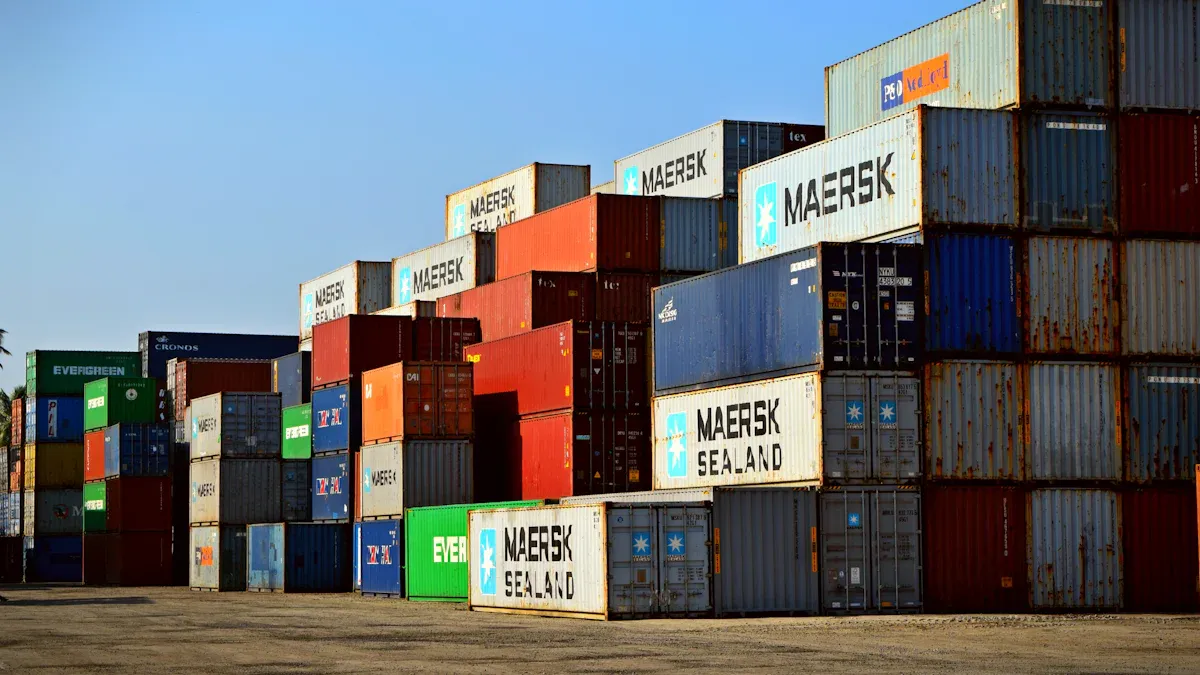
You may face challenges when shipping goods, especially if you’re unclear about the differences freight broker and forwarder bring to your supply chain. Choosing the right partner can save you both time and money.
Understanding the differences freight broker and forwarder offer is key: freight brokers connect you with carriers for cost-effective domestic shipping.
Freight forwarders, on the other hand, manage everything from packing and storage to international shipping.
Recognizing the differences freight broker and forwarder provide helps you avoid confusion and discover more efficient ways to move your goods.
Key Takeaways
Freight brokers help shippers find carriers for shipping in the country. They do not touch cargo or fill out paperwork.
Freight forwarders take care of the whole shipping process. They handle customs, storage, and paperwork, mostly for shipping to other countries.
Pick a freight broker for fast and cheap shipping in the country. They work best for normal loads and when you need things sent quickly.
Pick a freight forwarder for tricky shipments that need help with customs and different ways to move goods. They make sure you follow all the rules for shipping to other countries.
Knowing what each does helps you choose better and makes shipping easier.
Definition of Freight Broker and Forwarder
Role | |
|---|---|
Freight Broker | A company helps shippers find carriers to move freight. They are a middleman and set up shipments. They do not own the trucks or vehicles used. |
Freight Forwarder | An organization plans how shipments move. They book cargo space, fill out customs papers, and handle the whole shipping process. This is important for international shipments. |
What Is a Freight Broker?
A freight broker helps you find the right carrier for your shipment. This person knows shipping rules and the best ways to move goods. Their main job is to match your cargo with a good carrier. They help your goods move quickly and for a fair price.
Freight brokers do not own trucks or warehouses. They help you find carriers, talk about prices, and keep track of your shipment. Their main jobs are:
Finding the right carrier for your cargo
Talking about prices and deals
Handling paperwork and rules
Tracking your shipment and giving updates
Freight brokers need special training and licenses to work. In the United States, they must get broker authority from the FMCSA. In some places, like Ontario, they also need a local license.
What Is a Freight Forwarder?
A freight forwarder takes care of the whole shipping process, especially for international shipments. You can trust them to set up transport by air, sea, rail, or truck. They handle all the paperwork, like customs forms, and make sure your shipment follows the rules.
Freight forwarders do more than just book space. They help with:
Setting up transport services
Handling export and import papers
Making sure rules are followed
Giving cargo insurance
Offering storage and warehouse space
Grouping or splitting shipments
Tracking and watching your cargo
You can count on a freight forwarder to handle hard shipments. They take care of customs and keep your goods safe from start to finish.
Differences Freight Broker and Forwarder
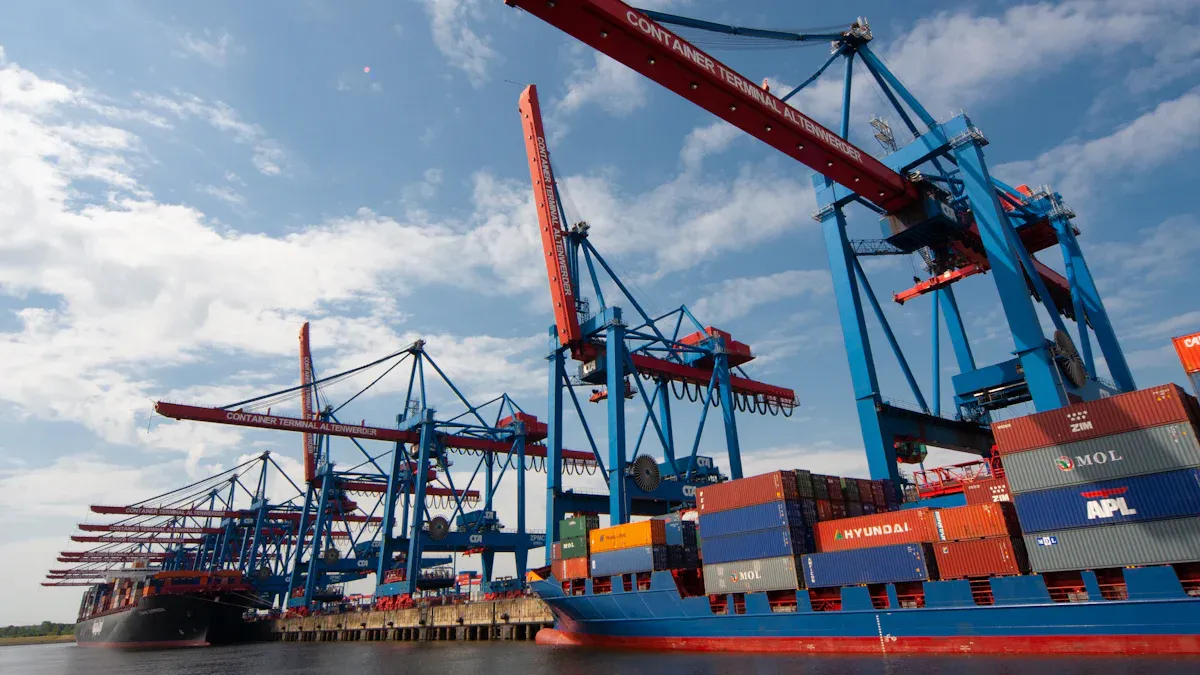
Knowing the differences freight broker and forwarder bring helps you make better choices. You can spot these differences by looking at what they do, their legal rules, how they handle cargo, and how you pay them. Let’s look at each part so you can see which one fits your needs.
Services and Scope
Freight broker and freight forwarder do not offer the same services. Here’s a table to help you compare:
Aspect | Freight Broker | Freight Forwarder |
|---|---|---|
Ownership of Assets | Does not own vehicles or shipping equipment | Does not own vehicles or shipping equipment |
Role | Coordinates and negotiates transportation | Arranges physical transportation and prepares cargo |
Documentation | Does not prepare paperwork or bills of lading | Prepares customs documents and may issue bills of lading |
Additional Services | Limited services, no packaging or warehousing | Offers packaging, warehousing, and customs services |
Responsibility | Focused on getting equipment from one destination to another | More involved in the shipment process and logistics |
You use a freight broker when you need someone to find a carrier and set up transport. Freight brokers focus on finding the best carrier and talking about prices. They do not handle your cargo or do customs paperwork.
A freight forwarder manages the whole shipping process. They help with booking, paperwork, customs, and storage. Freight forwarders plan the route and make sure your goods clear customs. In freight logistics, a forwarder is your one-stop shop, especially for shipping to other countries.
Tip: Pick a freight forwarder if you need help with customs, storage, or shipping to other countries. If you just need someone to find a truck, a freight broker is enough.
Legal and Licensing
You should check the legal and licensing rules before picking a partner. The differences freight broker and forwarder have here are important for following the law and staying safe.
A freight broker in the United States needs a license from the FMCSA. You also need a $75,000 surety bond or trust fund, liability insurance, and business registration. Freight brokers must pass background checks and sometimes a test on the rules.
A freight forwarder must get authority from the FMCSA and, for ocean shipments, from the FMC. You need proof of insurance, a surety bond, and business registration. Freight forwarders may also need a USDOT number if they use vehicles.
Requirement | Freight Broker | Freight Forwarder |
|---|---|---|
License | FMCSA Broker Authority | FMCSA, FMC (for ocean), IATA (for air) |
Surety Bond | $75,000 required | $75,000 required |
Insurance | Liability insurance required | Liability insurance required |
Registration | State and federal registration | State and federal registration |
Application Fee | Yes | Yes |
Freight forwarders often have more complex licenses because they handle more paperwork and ship to other countries. This is a big difference in freight logistics.
Cargo Handling and Responsibility
How each partner handles cargo and takes responsibility is a big difference freight broker and forwarder show.
A freight broker never takes your goods. You keep control, and the carrier is responsible during shipping. If something goes wrong, you file a claim with the carrier, not the broker.
A freight forwarder takes your goods and controls the shipment. You trust them to manage everything from start to finish. They can give their own house bill of lading and are legally responsible for your goods during shipping.
Aspect | Freight Broker | Freight Forwarder |
|---|---|---|
Cargo Liability | Does not assume liability for cargo | Assumes liability for cargo during transit |
Takes Possession | No | Yes |
Issues Bill of Lading | No | Yes (house BOL or airway bill) |
Customs Clearance | Rarely | Often |
Warehousing | No | Yes |
Freight forwarders can file claims for you if your cargo is lost or damaged. This makes them better for hard or expensive shipments. Freight brokers leave the risk with the carrier.
Revenue and Payment
Freight broker and forwarder also earn money and get paid in different ways.
Freight brokers earn a commission for each shipment. They talk with carriers about prices and charge you a fee based on their profit. This is the usual way for freight brokers.
Freight forwarders charge you for a group of services. You might pay before shipping (freight prepaid) or when your goods arrive (freight collect). Forwarders often add fees for handling, paperwork, storage, and customs.
Aspect | Freight Broker | Freight Forwarder |
|---|---|---|
Revenue Model | Commission per shipment | Markup on shipping and service fees |
Payment Timing | After shipment is arranged | Upfront or at destination |
Service Fees | Limited to brokerage fee | Includes handling, documentation, and more |
Freight brokers focus on setting up transport and earning a commission. Freight forwarders offer a full package with more detailed bills.
Note: Always check payment terms before you pick a partner. This helps you avoid surprises and keeps your shipping on track.
By knowing these differences freight broker and forwarder have, you can pick the right one for your shipping needs. Now you know how their services, legal rules, responsibilities, and payment models are not the same.
How to Identify Freight Broker vs Forwarder
Quick Checklist
You can tell the differences freight broker and forwarder by looking at a few main things. This table can help you figure out which one you are talking to:
Aspect | Freight Broker | Freight Forwarder |
|---|---|---|
Role | Links shippers with carriers | Takes possession of the cargo |
Responsibilities | Coordinates domestic transportation | Manages shipping, storage, and customs clearance |
Legal Liability | Limited responsibility for goods | Greater responsibility, including insurance |
Global Operations | Usually domestic | Often international |
Documentation | Manages shipment paperwork | Handles customs and labeling |
Tip: If a company only sets up transport and never touches your goods, it is probably a freight broker. If they take your cargo and handle customs or storage, it is a freight forwarder.
Here is a short list you can use:
Freight brokers work between you and the carrier.
Freight forwarders take your cargo and manage its trip.
Brokers usually help with shipments inside the country, but forwarders often work with other countries.
Real-World Scenarios
Let’s see some examples to make this easier:
You need to send pallets from Chicago to Dallas. The company finds a truck, plans the trip, and gives you updates, but never touches your goods. This is a freight broker.
You want to ship goods from New York to Germany. The company picks up your cargo, stores it, fills out customs papers, and arranges ocean shipping. This is a freight forwarder.
You ask for help with packing and labeling for air shipping. The company gives you instructions and handles all the paperwork. This is a freight forwarder.
You need a truck fast for a last-minute delivery in your state. The company finds a carrier and charges you a fee. This is a freight broker.
Remember: Freight brokers set up transport. Freight forwarders handle the whole shipping process, including storage and customs.
Choosing the Right Option
When to Use a Freight Broker
Pick a freight broker if you want flexible and cheap shipping in your country. Freight brokers help you find carriers fast. This is good for normal loads, urgent deliveries, or busy seasons. They help you get good prices and handle the details. Your team can then work on other jobs.
Here is a table to help you see if a freight broker is right for you:
Shipment Type | Why Use a Freight Broker? |
|---|---|
Standard Domestic Loads | Flexible timing, better prices, and matching with carriers |
Cross-Border North American Shipments | Knows about tolls and border rules |
Time-Sensitive or Specialized Freight | Has a network of special carriers |
Seasonal Demand | Can handle extra loads during busy times |
Some good things about using a freight broker are:
They can get you better prices by moving lots of freight.
They help with claims if your shipment is lost or damaged.
They know about busy seasons and local prices.
They take care of shipping and tracking, so you have less to do.
Tip: If you need quick help for shipping in your country or nearby, a freight broker can save you time and money.
When to Use a Freight Forwarder
Use a freight forwarder if your shipment goes to another country, uses many carriers, or needs lots of paperwork. Freight forwarders handle everything, like customs forms and tracking. They are best for shipping around the world.
Think about a freight forwarder if you need:
Shipping to other countries with help for customs and rules
Help with many carriers or ways to move your goods
Care for fragile, dangerous, or expensive items
One person to talk to for all your shipping
The good things about using a freight forwarder are:
You only talk to one main person.
They make sure you follow all import and export rules.
You can track your cargo with new technology.
They offer safe and on-time delivery in many ways.
Note: Freight forwarders are best if you want someone to handle everything, especially for shipping to other countries or when things get tricky.
When you pick between a freight broker and a freight forwarder, think about legal rules, inspections, how prices are set, payment rules, and digital tools. Match your shipment and business needs to the right partner. This will help your shipping go smoothly and work well.
You can use this easy table to see how freight forwarder and freight broker are different:
Role | Freight Forwarder | Freight Broker |
|---|---|---|
Main Job | Takes care of the whole shipping process | Finds carriers for your shipments |
Handles Cargo | Yes | No |
Customs & Paperwork | Yes | No |
Tip: Pick a freight forwarder if you want help with customs and storage. If you just need someone to find a carrier, a freight broker is best.
Choose the right partner for your shipping needs so your goods arrive safely and on time.
FAQ
What is the main difference between a freight broker and a freight forwarder?
A freight broker finds carriers for you but does not touch your goods. A freight forwarder takes care of the whole shipping job, like paperwork, customs, and sometimes storage.
Can a freight broker help with international shipping?
You mostly use a freight broker for shipping inside your country. For shipping to other countries, you need a freight forwarder because they handle customs and world shipping rules.
Who is responsible if my cargo gets damaged?
Role | Responsibility |
|---|---|
Freight Broker | Carrier is responsible |
Freight Forwarder | Forwarder is responsible |
If you use a broker, you file claims with the carrier. If you use a forwarder, you talk to them if something goes wrong.
Do I need both a freight broker and a freight forwarder?
You almost never need both. Pick a freight broker for easy moves in your country. Choose a freight forwarder for hard or international shipping.
How do I know which service I need?
Look at your shipment type.
If it is simple and in your country, use a broker.
If it is hard or goes to another country, use a forwarder.
Tip: Ask about customs, storage, and paperwork. Their answers will help you pick the right one.
See Also
Selecting LTL, FTL, Or Drayage Options With PGL
Transport Large Loads Economically Across The Country With PGL
Simplifying Cross-Border Freight From The West Coast With PGL
