How to Understand Roles of Freight Forwarders and Brokers Easily
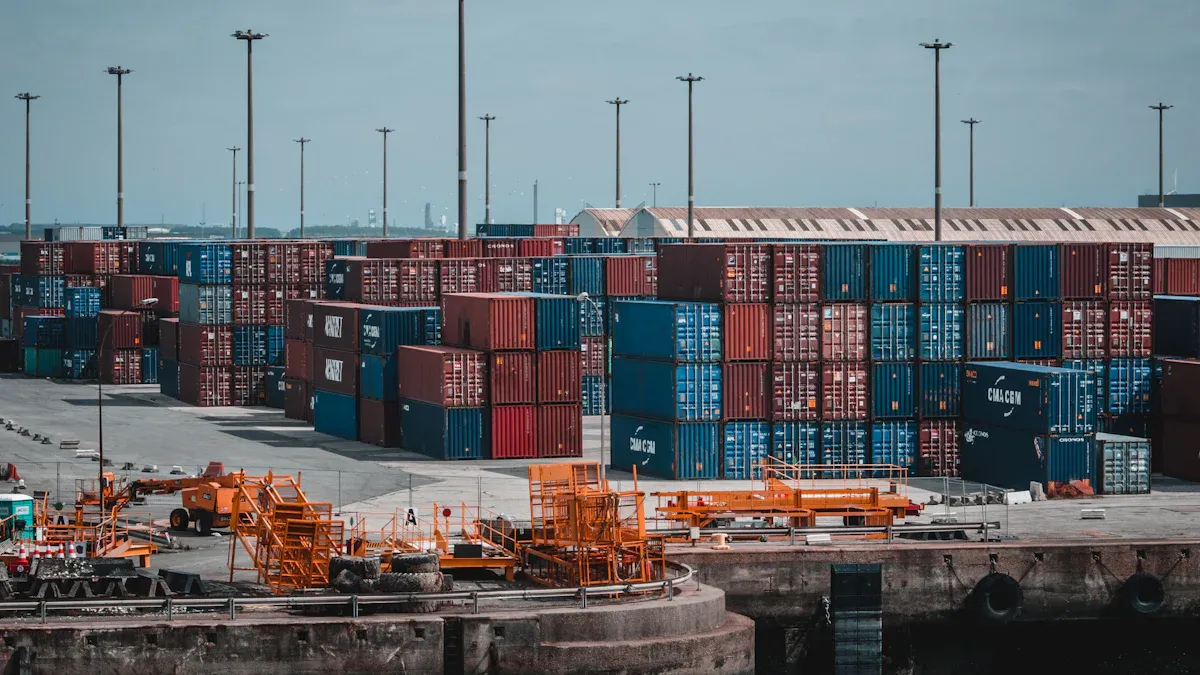
You may ask what the roles of freight forwarders and brokers are and how they differ. Freight forwarders work directly with your shipments, taking care of each step in the process. In contrast, brokers do not move your goods; they assist you in finding carriers. Understanding the roles of freight forwarders and brokers helps you select the best option for your needs, ultimately saving you money. This knowledge allows you to choose the right service and prevent delays from occurring.
Choosing the right one can significantly impact your shipping plan, ensuring your freight moves smoothly.
Aspect | Freight Forwarder | Freight Broker |
|---|---|---|
Role | Works with shipments and arranges transport | Connects shippers and carriers |
Services Provided | Offers various services like storage and insurance | Primarily sets up transportation |
Level of Involvement | More involved and manages shipments directly | Less involved in the shipping process |
Key Takeaways
Freight forwarders handle the whole shipping job. They make sure your goods get there safe. They also make sure your goods arrive on time.
Freight brokers link you with carriers. They help you get good prices for shipping in your country.
Pick a freight forwarder for shipping to other countries. This is best if you need help with customs.
Use a freight broker for fast shipping in your country. This can help you save time and money.
Knowing how freight forwarders and brokers are different helps you choose better for shipping.
Freight Forwarder Roles and Services
What Does a Freight Forwarder Do?
A freight forwarder helps you move goods between countries. They act like your guide for shipping things overseas. They plan each step and make sure your freight arrives safely and on time. Freight forwarders use their worldwide connections to handle tough shipping jobs. You only need to talk to one person who manages everything. This means you do not have to worry about missing paperwork or delays.
Key Responsibilities of Freight Forwarders
Freight forwarders have many important jobs in logistics. Here are the main ways they help you:
Shipment Coordination: They set up transport by sea, air, rail, or truck. They pick the best route for your freight.
Cargo Consolidation: They put small shipments together into one big load. This saves you money and space.
Documentation Management: They get all the paperwork ready, like invoices and packing lists. They make sure everything is correct for customs.
Customs Clearance: They handle customs forms and make sure your freight follows all rules.
Warehousing and Storage: They offer places to store your freight and keep track of inventory until delivery.
Risk Management: They give cargo insurance and help with claims if something goes wrong.
Rate Negotiation: They try to get you the best prices for transport and other services.
Tip: Freight forwarders also give advice about trade rules. They help you fix problems if your freight is delayed or needs a new route.
When to Use a Freight Forwarder
You should use a freight forwarder for international shipments or special handling. For example, if you ship goods overseas and need help with customs, storage, and delivery in different countries, a freight forwarder is the best choice. They let you change routes, help you save money, and solve hard shipping problems. Using a freight forwarder gives you expert help, reliable delivery, and peace of mind. When you compare freight forwarders and brokers, you see freight forwarders handle every detail. This makes them important for international logistics and moving goods smoothly.
Freight Broker Roles and Services
What Does a Freight Broker Do?
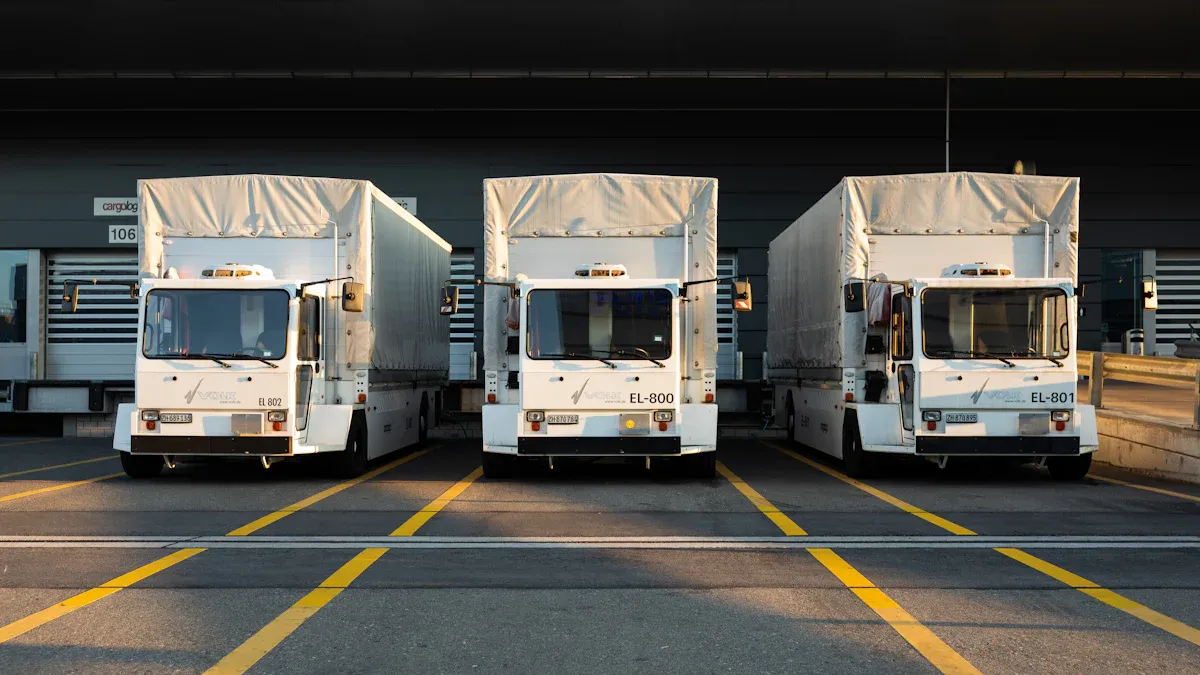
A freight broker is like a helper for shipping. You use a freight broker when you need to move goods in the country. They do not own trucks or storage places. They connect you with carriers who can move your freight. This job is not the same as freight forwarders who handle every step of shipping overseas. Freight brokers work with shipping inside the country. They make sure your freight goes from one place to another without problems.
Key Responsibilities of Freight Brokers
Freight brokers help with many important jobs. Here are the main things a freight broker does:
They connect shippers and carriers using their big network.
They talk with carriers to get the best price for your shipment.
They handle paperwork like bills of lading and other documents.
They track your freight and tell you where it is.
They fix problems if there are delays or issues.
They check that carriers follow rules and have the right insurance.
They are the main contact between you and the carrier.
Freight brokers use technology to post loads and confirm bookings. They also check prices and trends. They help both shippers and carriers so everyone is happy.
Picture a small business owner named Sarah. She has a warehouse full of cheeses that must go to shops across the country. She needs delivery in three days. Sarah does not have trucks or carrier contacts. She feels worried about the deadline. A freight broker steps in and helps her. The broker finds a refrigerated carrier fast. The broker gets a price 20% lower than usual. Sarah gets real-time tracking and avoids costly delays.
When to Use a Freight Broker
You should use a freight broker when you need to ship freight quickly in the country. If you want to save money, a broker can help with rates. Freight brokers find the right carrier, handle paperwork, and fix problems fast. Using a freight broker saves money and time. You also get expert advice. If your shipping needs change or you have a tight deadline, a freight broker can help. They make sure your freight arrives on time. This makes it easy to understand the roles of freight forwarders and brokers. You can pick the right partner for your next delivery.
Key Differences: Roles of Freight Forwarders and Brokers
Knowing the differences between freight forwarders and freight brokers helps you make smart choices. You should know who handles your freight and who takes care of problems. This helps you pick the best partner for your shipping needs. Let’s look at the main differences so you can feel sure about your decision.
Comparison Table: Freight Forwarder vs. Freight Broker
The table below shows the main differences. It lets you compare their jobs, duties, and legal rules easily.
Aspect | Freight Forwarder | Freight Broker |
|---|---|---|
Main Function | Manages the whole shipping process from start to finish | |
Scope of Work | Handles logistics, warehousing, customs, and delivery | Arranges transportation only |
Cargo Handling | Physically manages, stores, and combines freight | Does not handle or store freight |
Legal Responsibility | Issues bills of lading and takes responsibility for cargo loss or damage | Does not take responsibility for cargo |
Licensing Authority | Federal Maritime Commission (FMC) for international shipments | Federal Motor Carrier Safety Administration (FMCSA) |
Licensing Requirement | Ocean Transportation Intermediary (OTI) license | Broker Authority License |
Insurance | Must have general liability insurance and surety bonds | Not required to provide cargo insurance |
Customs Clearance | Prepares and submits customs documents, makes sure rules are followed | Does not handle customs clearance |
Rate Negotiation | Negotiates rates for many services, like transport and warehousing | Negotiates rates for transportation only |
Involvement with Shipment | Coordinates all steps, including transport and paperwork | Arranges carrier and gives updates |
Type of Clients Served | Businesses with complex or international shipping needs | Businesses with simple, domestic transportation needs |
Note: Freight forwarders do everything for your freight. They manage every detail. Brokers help you find the right carrier and get good prices.
Decision Factors for Shippers
You need to pick the right partner based on your freight and how complicated your shipping is. Here are the main things to help you choose:
Complexity of Logistics Needs
If your shipping is simple, a freight broker is a good choice. If you need help with warehousing, customs, and paperwork, pick a freight forwarder.Nature of Shipping
Domestic shipments work well with freight brokers. International shipments need a freight forwarder’s skills.Cost Efficiency
If you want to save money and only need help finding a carrier, a broker can get better prices. If you need more help, a forwarder can bundle services to save money.Level of Support Required
If you need help with customs, insurance, or risk management, a freight forwarder gives more support. If you already know logistics, a broker may be enough.Shipment Complexity
For tricky routes or shipments needing special care, a freight forwarder has the right skills. For simple shipments, a broker can handle it.Legal and Insurance Needs
If you want someone to take legal responsibility for your freight, pick a forwarder. If you only need a carrier connection, a broker is the answer.
Tip: Think about your business goals. If you want to grow or ship internationally, a freight forwarder can help you.
Use these points to match your needs with the right partner. This helps you avoid delays, save money, and get smooth delivery. When you know the roles of freight forwarders and brokers, you can make better choices for your shipping.
How to Choose: Freight Forwarder or Broker?
Quick Checklist for Decision-Making
You want to pick the best partner for your freight. Use this checklist to help you decide. Each step helps you find what you need.
Write down your shipping needs. Include cargo type, where it goes, and if you ship overseas.
See if you need help with customs, storage, or risk.
Ask about rules and licenses. Make sure your partner knows logistics laws.
Check how clear their prices are. Ask for a list of rates, fees, and refunds.
Look for tracking tools. See if you can follow your freight and if their system works with yours.
Think about their services. Find out if they offer different transport types and extra help.
Ask about certificates and how they improve. Check if they use good methods.
Ask for client stories and support info. See how they manage accounts.
Tip: Try their technology with a demo. If you can, test a shipment to see how they handle your freight.
Questions to Ask Before Choosing
Before you pick a freight forwarder or broker, ask these questions. They help you learn about their skills and if they fit your plan.
How many carriers and partners are in your network?
Can I track my freight live?
What is in your rates? Are there extra or hidden fees?
What kinds of freight do you ship? Do you ship overseas?
Are you licensed and bonded for logistics?
Do I need to pack my cargo, or do you offer packing and storage?
What papers do I need for my shipment?
How much experience do you have in freight and logistics?
Do you know all laws and rules for my shipping route?
Category | Freight Forwarders | Freight Brokers |
|---|---|---|
Involvement | Handle cargo, storage, and shipping | Connect shippers and carriers |
Legal Responsibility | Take more responsibility for cargo and its condition | Less responsibility, only liable if negligent |
Specialization | Manage tough international transport | Focus on price and rule management |
Note: Freight forwarders handle every part for tricky shipments. Freight brokers help you find good carriers and prices for simple moves.
You now understand the main differences between freight forwarders and brokers:
Freight forwarders handle all parts of shipping and give full logistics help.
Brokers connect you with carriers and work to get good prices.
Forwarders deal with customs and take more care of your cargo.
Picture a freight forwarder as your travel planner for goods, while a broker is like someone who finds tickets.
Using the checklist below helps you stop expensive mistakes and make your shipping better:
Checklist Item | Impact on Shipping Outcomes |
|---|---|
Figure out the real cost of mistakes | Stops costly errors and makes customers happier. |
Write down how you do now | Shows how order accuracy and speed get better. |
Use automatic quality checks | Finds mistakes before they reach your customers. |
Start performance dashboards | Gives quick updates for smarter choices. |
Track order accuracy by picker | Makes your process more correct and faster. |
FAQ
What is the main difference between a freight forwarder and a freight broker?
A freight forwarder takes care of your whole shipping process. They handle paperwork and customs for you. A freight broker finds carriers to move your freight. They do not handle your cargo or documents.
Can I use both a freight forwarder and a freight broker for my shipments?
Yes, you can use both services. You may use a freight forwarder for shipping overseas. You can use a broker for moving freight inside the country. This lets you pick the best service for each shipment.
Do freight brokers handle customs clearance?
No, freight brokers do not handle customs clearance. You need a freight forwarder if your shipment needs customs papers or international documents.
When should I choose a freight forwarder?
Pick a freight forwarder when you ship goods to other countries. Choose them if you need help with customs or want someone to manage everything.
How do I know if a freight partner is licensed?
Ask for their license number. You can check with the Federal Maritime Commission for forwarders. For brokers, check with the FMCSA. Licensed partners will show proof and answer your questions.
See Also
Simplifying Cross-Border Freight Solutions on the West Coast
Expert Freight Shipping Solutions for LTL and FTL by PGL
Selecting LTL, FTL, Or Drayage Services with PGL
