A Complete Guide to International Logistics for Beginners
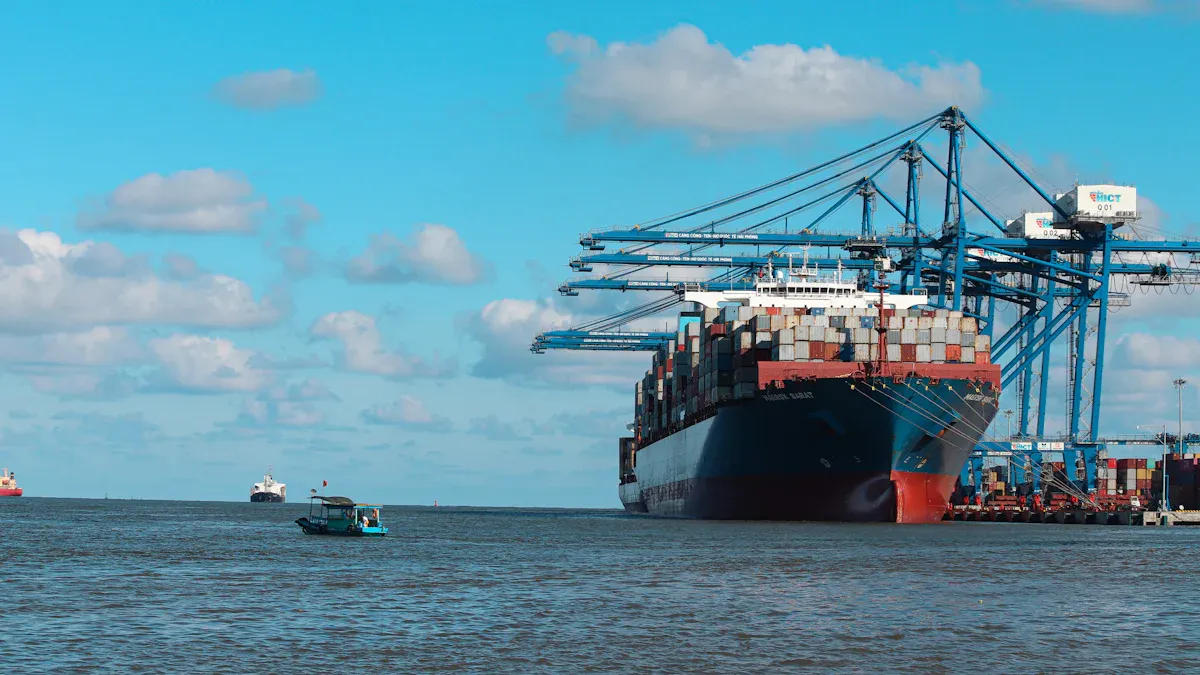
International logistics means planning, moving, and storing goods across countries. You help connect businesses and customers all over the world. This work matters because the global logistics market is huge—worth about $5.65 trillion in 2024. If you want to get started, you will need to:
See how trade shapes logistics
Find ways to lower risks
Keep customers happy
Protect your company’s reputation
Look for new chances in the field
This international logistics complete guide will turn big ideas into simple steps you can follow.
Key Takeaways
International logistics involves planning, moving, and storing goods across borders. Understanding this process is essential for success in global trade.
Master key components like transportation management, inventory control, and customer service to improve efficiency and keep customers satisfied.
Use technology and tracking systems to monitor shipments and manage inventory. This helps avoid delays and enhances customer trust.
Stay informed about regulations and customs requirements to prevent costly mistakes. Work with experts like customs brokers for smooth operations.
Start with simple steps to enter international logistics. Identify shipping needs, choose reliable partners, and prepare essential documentation.
International Logistics Complete Guide: Key Concepts
What Is International Logistics?
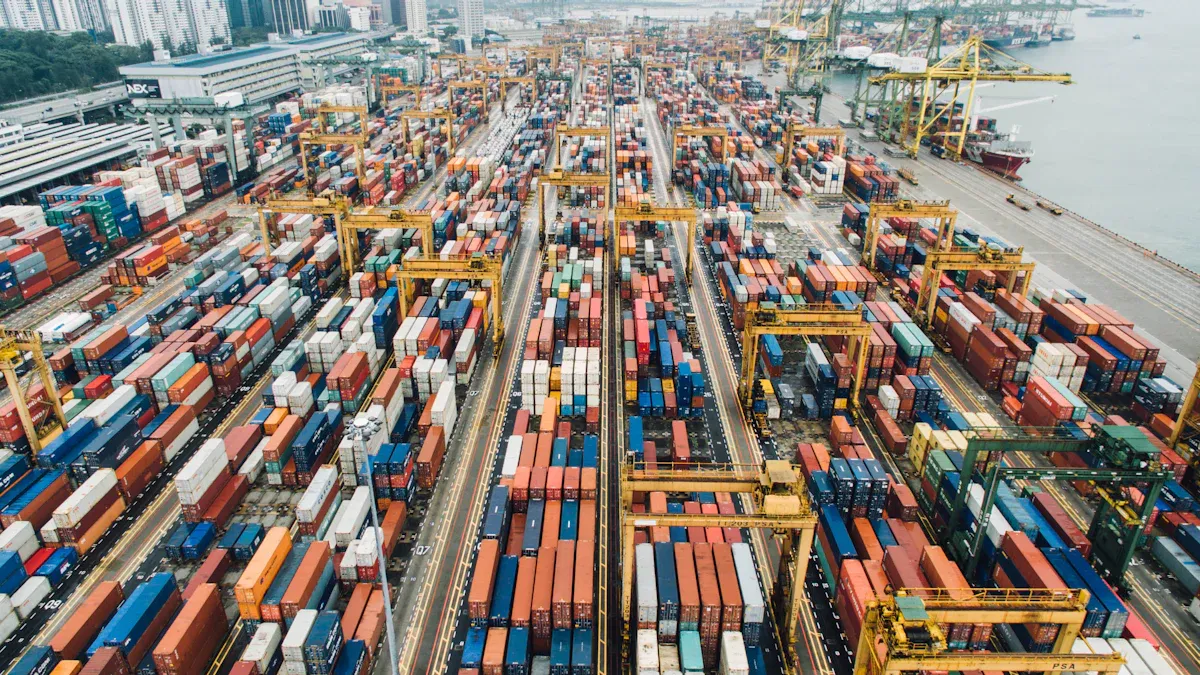
You might wonder what international logistics really means. In simple terms, you plan, move, and store goods as they travel from one country to another. This process covers everything from picking the best way to ship products to making sure they arrive safely and on time. You also handle paperwork, follow rules, and keep customers happy.
When you look at the core parts of international logistics, you see that it is more than just moving boxes. Here’s a table to help you understand the main components:
Component | Description |
|---|---|
Transportation Management | You pick the best way to move goods, plan routes, and track shipments. This helps you save time and money. |
Inventory Control | You make sure you have the right amount of products at the right time. This keeps costs low and avoids running out of stock. |
Warehousing and Distribution | You store goods in smart locations and use tools like automation to speed up the process. |
Order Fulfillment | You receive, process, and deliver orders. This step is key for happy customers, especially with online shopping. |
Supply Chain Management | You connect all the steps, working with partners to keep goods, information, and money flowing smoothly. |
Customer Service | You answer questions and solve problems quickly. Good service keeps customers coming back. |
Logistics Network Design | You decide where to put warehouses and centers to make shipping faster and cheaper. |
You can see that international logistics covers a lot of ground. The international logistics complete guide helps you break down each part so you can manage them step by step.
Why It Matters
You might ask, “Why should I care about international logistics?” The answer is simple. If you want to grow your business or work in global trade, you need to master these skills. When you follow the international logistics complete guide, you set yourself up for success.
Here are some big reasons why international logistics matters:
You manage your supply chain better, moving goods across borders quickly and at a lower cost.
You save money by making your processes more efficient.
You keep customers happy with fast and accurate deliveries.
You can reach new markets around the world.
You balance your inventory, so you don’t have too much or too little stock.
You spot and handle risks before they become big problems.
You help the planet by using eco-friendly practices.
Let’s look at some of these benefits in a table:
Benefit | Description |
|---|---|
Efficient Supply Chain Management | You move goods across borders smoothly and save money. |
Cost Reduction | You cut down on extra costs by improving your process. |
Enhanced Customer Satisfaction | You deliver on time, which makes customers trust you. |
Global Market Expansion | You can sell in new countries and grow your business. |
Improved Inventory Management | You keep just the right amount of stock. |
Risk Mitigation | You find and fix problems before they hurt your business. |
Environmental Sustainability | You use green methods that save money and help the environment. |
When you use the international logistics complete guide, you learn how to get these benefits for your business.
Tip: Fast delivery and good tracking make customers happy and loyal. If you communicate well, you avoid surprises and build trust.
You also get a big advantage over your competitors. Here’s how:
You connect global markets with local needs.
You avoid delays and control your costs.
You react quickly to changes and set better prices.
You use smart tools like tracking systems to keep customers informed.
International vs. Domestic Logistics
You might think moving goods inside your country is the same as shipping them overseas. That’s not true. International logistics comes with extra steps and challenges. The international logistics complete guide shows you the differences so you can prepare.
Here’s a table to help you compare:
Aspect | International Logistics | Domestic Logistics |
|---|---|---|
Borders and Trade Barriers | You must follow customs rules and deal with trade barriers. | You face few or no barriers within your own country. |
Distances and Transportation | You often ship goods farther and use planes, ships, or trains. | You usually ship shorter distances, mostly by truck. |
Customs and Documentation | You handle lots of paperwork and different rules. | You deal with less paperwork and simpler rules. |
Legislation and Regulations | You follow many laws from different countries. | You follow one set of national laws. |
Language and Cultural Management | You work with people who speak different languages and have different customs. | You share the same language and culture. |
Risk Management | You face more risks, like damage or currency changes. | Your risks stay inside your country. |
You can see that international logistics is more complex. You need to plan for longer trips, more paperwork, and different cultures. The international logistics complete guide helps you handle these challenges so you can succeed in global trade.
Main Players in International Logistics
When you step into international logistics, you work with many key players. Each one has a special job that helps goods move smoothly across borders. Let’s meet the main players you’ll work with.
Shippers & Exporters
You start with shippers and exporters. These are the people or companies that send goods from one country to another. They make sure products are ready for shipping and follow all the rules. Here’s what they do:
Import/Export Specialists manage the full process of moving goods between countries.
They study market trends to pick the best shipping methods.
They make sure everything follows trade laws.
They talk with agencies, customers, vendors, and carriers to set up deals.
Tip: If you want to ship goods, learn how to work with these specialists. They help you avoid mistakes and delays.
Freight Forwarders
Freight forwarders act like travel agents for your cargo. They handle the tricky parts of moving goods across borders. You can count on them to:
Arrange transportation using trucks, ships, trains, or planes.
Handle all the paperwork and documents.
Guide you through customs.
Schedule shipments so they arrive on time.
Make sure your cargo stays safe from start to finish.
Freight forwarders help you manage rules and paperwork, so your goods reach their destination without trouble.
Customs Brokers
Customs brokers help you follow the law when you import or export goods. They know all the rules and keep your shipments moving. Here’s how they help:
Make sure your goods meet all regulations.
Handle complex documents for customs clearance.
Understand tariffs and trade agreements.
Help you avoid fines from mistakes or missed deadlines.
Let you focus on your business while they handle the paperwork.
Note: A good customs broker saves you time, money, and stress.
Carriers
Carriers move your goods from one place to another. You can choose from different types, each with its own benefits:
Carrier Type | Advantages |
|---|---|
Trucking Companies | Flexible for many kinds of cargo, even those needing special care. |
Railway Freight | Great for long distances and big loads. |
Ocean Freight Carriers | Best for shipping large amounts far away. |
Air Freight Carriers | Fastest choice for urgent or perishable goods. |
Pick the carrier that matches your needs for speed, cost, and cargo type.
Government Agencies
Government agencies set the rules for international logistics. You need to know who they are and what they do:
Agency | Main Functions |
|---|---|
DOT | Makes sure transportation is safe and sets safety rules. |
FMCSA | Watches over commercial trucks and sets driving limits. |
NHTSA | Works to prevent accidents and checks vehicle safety. |
These agencies protect you, your cargo, and everyone on the road.
Logistics Flows
When you work in international logistics, you deal with different flows that keep everything moving. Each flow has its own job. Let’s break them down so you can see how they fit together.
Product Flow
Product flow means moving goods from the starting point to the final destination. You need to plan each step and make sure nothing gets lost or delayed. Here’s what happens during product flow:
You manage the movement of goods, services, and information across borders.
You handle customs procedures to clear shipments.
You choose the best transport and storage options.
You plan and optimize routes for speed and safety.
You process import and export documents.
You monitor shipments and track their progress.
Tip: If you keep a close eye on product flow, you avoid delays and keep customers happy.
Financial Flow
Money moves along with goods. You need to understand how payments and investments work in global trade. Here’s a table showing the main types of financial flow:
Type of Financial Flow | Description |
|---|---|
Merchandise Trade Flows | You import and export physical goods. This affects your country’s Balance of Payments. |
Invisible Transactions | You deal with services, income, and transfers. These impact the current account. |
Foreign Investments | You use Foreign Direct Investment (FDI) and Foreign Portfolio Investment (FPI) for stability. |
Information Flow
Information flow keeps everyone in the loop. You use modern freight communication platforms to share updates. These tools give you real-time data and help you work with partners. When you manage information well, you avoid mistakes and build trust. Everyone knows what’s happening with each shipment.
Documentation Flow
You need the right paperwork for every shipment. Documents prove ownership, show what’s inside, and help clear customs. You prepare invoices, packing lists, and certificates. If you miss a document, your goods might get stuck at the border.
Risk Management
Risks pop up all the time in international logistics. You need smart ways to handle them. Here’s a table with common risks and how you can manage them:
Common Risks in International Logistics | Management Strategies |
|---|---|
Transportation delays | Risk assessment |
Regulatory noncompliance | Compliance measures |
Security breaches | Cargo security practices |
Supply chain disruptions (natural disasters) | Contingency planning |
Geopolitical events | Supplier diversification |
Note: If you plan ahead and use good strategies, you keep your shipments safe and your business running smoothly.
Key Elements of International Logistics
Transportation Modes
You have several ways to move goods across borders. Each mode has its own strengths. Trucks work well for short trips and last-mile delivery. Rail is great for heavy loads over long distances. Ocean freight handles huge shipments but moves slowly. Air freight is the fastest but costs the most. Here’s a quick comparison:
Metric | Truck Freight | Rail Freight | Ocean Freight | Air Freight |
|---|---|---|---|---|
Average Cost | Moderate | Low | Very Low | Very High |
Typical Speed | Fast | Moderate | Very Slow | Very Fast |
Cargo Capacity | Medium | Very High | Extremely High | Low |
Accessibility | High | Limited | Limited | Limited |
Best For | Local, urgent | Bulk, heavy | Bulk, low urgency | Urgent, high-value |
Tip: Choose your transportation mode based on how fast you need delivery, your budget, and the type of goods you ship.
Warehousing & Fulfillment
Warehousing keeps your goods safe until they reach customers. You can store everything in one place and ship across borders, or set up local warehouses in each country. Cross-border fulfillment often means longer shipping times and higher costs. Local warehouses help you deliver faster and meet customer expectations, but they need more investment.
Aspect | Cross-Border Fulfillment | Localized Fulfillment |
|---|---|---|
Shipping Times | Longer | Faster |
Shipping Costs | Higher | Lower |
Customs Complexity | More complex | Fewer hassles |
Customer Expectations | Harder to meet | Easier to meet |
Investment | Lower upfront | Higher upfront |
Inventory Management | Easier in one place | More reliable locally |
Inventory Management
You need to track your stock at every step. Good inventory management helps you avoid running out or having too much. Use software to see what you have and where it is. This keeps your supply chain running smoothly.
Packaging & Labeling
Proper packaging protects your goods and meets legal rules. You must use the right symbols and labels, like “Fragile,” “Keep Upright,” or hazardous material signs. Standards such as ISO 780:2015 and UN recommendations guide you. These symbols help everyone handle your packages safely.
Keep Upright Symbol
Handle with Care
Fragile
Temperature-Sensitive
Hazardous Materials Symbols
Recycle Symbol
Compliance & Regulations
You must follow many rules in international logistics. These include customs security programs, maritime safety, and data protection laws. Trade agreements and accurate documents are also important. Here are some key regulations:
International Maritime Organization (IMO)
General Data Protection Regulation (GDPR)
The international logistics complete guide helps you keep up with these rules and avoid costly mistakes.
Challenges & Solutions
Language & Culture
You face many challenges when you work with people from different countries. Language barriers can cause confusion. Sometimes, you and your partners use different words or styles to communicate. This can lead to mistakes in shipping or paperwork. Culture also shapes how people negotiate and make decisions. You might notice that some partners prefer quick deals, while others want to build trust first.
Communication Barriers: Misunderstandings can slow down your supply chain.
Business Practices: Each culture has its own way of doing business.
Legal Differences: Trade laws and customs rules change from country to country.
How can you solve these problems? Try these steps:
Hire multilingual staff or use translators.
Learn about local customs before meetings.
Work with legal experts in each country.
If you think globally but act locally, you build better relationships and avoid costly mistakes.
Regulatory Issues
Every country has its own rules for shipping goods. You must follow these rules to avoid fines or delays. Here’s a quick look at common regulatory issues:
Regulatory Issue | Description |
|---|---|
Diverse Regulations | Rules change from country to country. |
Trade Policies | Import and export policies can affect your shipments. |
Customs Procedures | Clearing customs can be tricky and time-consuming. |
Documentation | You need lots of paperwork for each shipment. |
Stay organized and keep up with changing laws. Work with customs brokers and legal advisors to make sure you follow every rule.
Delays & Disruptions
Delays happen for many reasons—bad weather, strikes, or paperwork problems. You can reduce risks by:
Using more than one supplier or warehouse.
Keeping extra stock for emergencies.
Talking often with carriers and customers.
Using real-time data to make quick decisions.
Having backup plans ready.
If you prepare for problems, you keep your business running even when things go wrong.
Cost Control
International logistics can get expensive. You want to save money without losing quality. Try these strategies:
Manage tariffs and trade rules to avoid extra costs.
Use suppliers from different regions.
Outsource logistics to trusted partners.
Use data and analytics to spot problems early.
Automate tasks with AI and smart tools.
Buy from local sources when possible.
Smart planning helps you control costs and grow your business.
Technology & Tracking
Technology makes your job easier. You can track shipments and manage inventory with special tools:
Warehouse Management Systems (WMS) help you organize stock.
Transportation Management Systems (TMS) give you real-time updates.
Blockchain keeps your data safe and easy to share.
AI helps you make better decisions.
Cloud computing lets you access information anywhere.
GPS tracking shows where your shipments are at all times.
If you use these tools, you deliver faster and keep customers happy. 🚚
Getting Started: Steps for Beginners
First Steps
Ready to jump into international logistics? You can start by breaking things down into simple actions. Here’s a step-by-step guide to help you get moving:
Identify Your Shipping Needs
Figure out what you want to ship, where it needs to go, and how fast you need it delivered.Choose Between Air and Sea Freight
Pick the best option for your budget and timeline. Air is fast but costs more. Sea is slower but cheaper.Select a Reliable Shipping Partner
Find a freight forwarder you trust. They help with paperwork and booking.Understand Incoterms
Learn who pays for what and who takes the risk at each stage.Prepare Essential Documentation
Make sure all your documents are correct and complete.Book Container Space
Reserve space for your cargo. Decide if you need a full container (FCL) or just part of one (LCL).Pack and Label Cargo Properly
Use the right packaging and labels. Follow international standards.Arrange for Cargo Insurance
Protect your shipment from damage or theft.
Tip: If you follow these steps, you avoid common mistakes and keep your shipments safe.
Success Tips
You can make things easier by using a few smart strategies. Stay organized and keep track of every shipment. Communicate with your partners often. Double-check your paperwork before sending anything. Use technology to track your cargo and get updates.
Tip | Why It Helps |
|---|---|
Stay Organized | You avoid confusion |
Communicate Often | You solve problems quickly |
Double-Check Docs | You prevent delays |
Use Technology | You get real-time updates |
🚀 Start small and learn as you go. Every shipment teaches you something new.
Learning Resources
You can find lots of helpful tools and guides online. Try these resources:
Online Courses: Websites like Coursera and Udemy offer beginner lessons.
Industry Blogs: Read news and tips from logistics experts.
Government Websites: Check customs and trade rules for each country.
Freight Forwarder Guides: Many companies share free guides and checklists.
Note: If you keep learning, you build confidence and skills for global success.
You can handle international logistics if you break it down into simple steps. Start by learning the basics, then build your skills with each shipment. Stay curious and look for new ways to improve. If you want to grow, try these next steps:
Research global markets
Connect with other logistics professionals
Ask experts for advice
Keep moving forward. Every step you take opens up more opportunities in global trade. 🌍
FAQ
What documents do you need for international shipping?
You need a commercial invoice, packing list, bill of lading, and customs forms. Some shipments require extra certificates. Always check with your freight forwarder for the latest requirements.
How do you track your shipment?
Most carriers give you a tracking number. You enter it on their website or app. You see updates as your package moves. Some companies send email alerts.
Tip: Ask your shipping partner for real-time tracking options.
What is a freight forwarder?
A freight forwarder helps you move goods across borders. They book transport, handle paperwork, and guide you through customs. You save time and avoid mistakes.
Service | What They Do |
|---|---|
Booking | Arrange transport |
Paperwork | Handle documents |
Customs | Help with clearance |
How can you lower shipping costs?
You can compare rates, use bulk shipping, and pick the best transport mode. Packing efficiently also helps. Ask your forwarder for discounts.
What happens if your shipment gets delayed?
Delays can happen from weather, customs, or strikes. You should contact your carrier for updates. Keep backup plans ready. Communicate with your customers to manage expectations.
See Also
Key Strategies For Effective Management Of Global Logistics
Enhancing International Operations With Innovative Logistics Solutions
Critical LCL Shipping Steps For Panama Exports By PGL
