Essential Strategies for Managing International Shipping Logistics
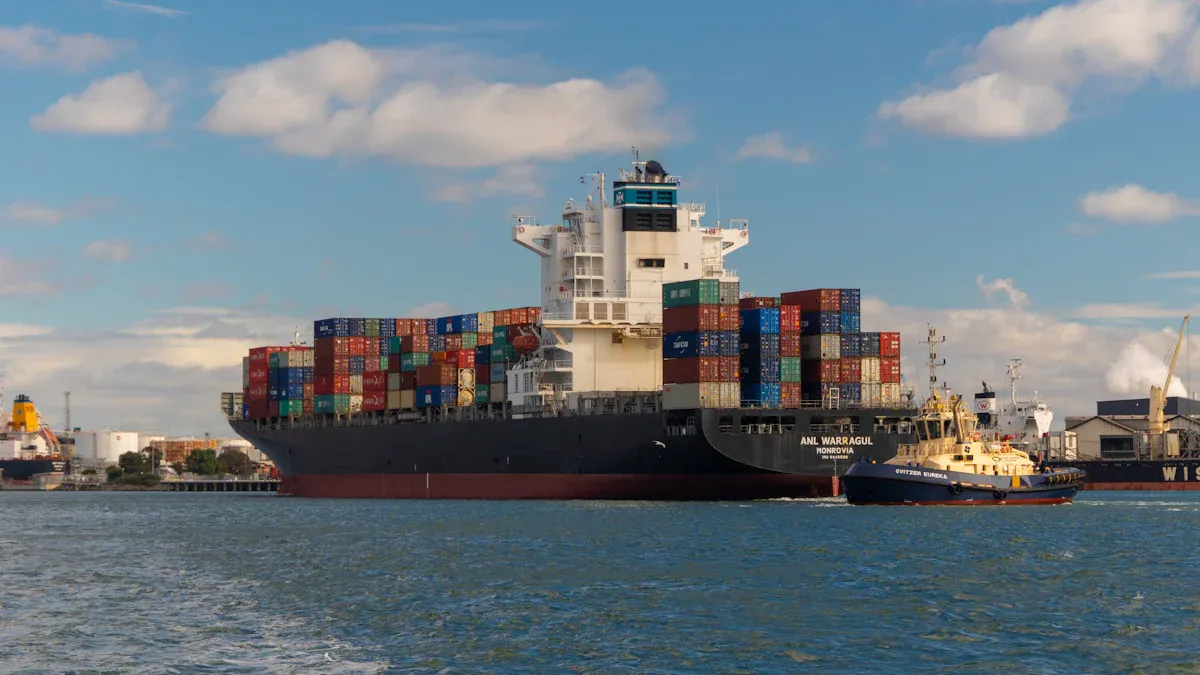
You need strong international shipping logistics strategies to move goods across borders successfully. Comprehensive planning helps you avoid delays and unexpected costs. Operational efficiency lets you deliver products on time. Working with reliable partners and using technology keeps your supply chain running smoothly. Following all rules and keeping accurate records protects your business.
More than 80 percent of goods travel by sea, showing how important shipping logistics are worldwide.
Think about how these strategies can help you improve your shipping results and grow your business.
Key Takeaways
Comprehensive planning is essential. Create a checklist for each shipment to ensure all steps are covered.
Manage your cash flow closely. Set reminders for invoices and track spending to avoid financial issues.
Build cross-functional teams. Regular meetings between departments improve communication and shipping efficiency.
Choose the right shipping method. Consider cost, speed, and reliability to meet your business needs.
Stay updated on customs regulations. Accurate documentation prevents delays and fines during shipping.
International Shipping Logistics Strategies
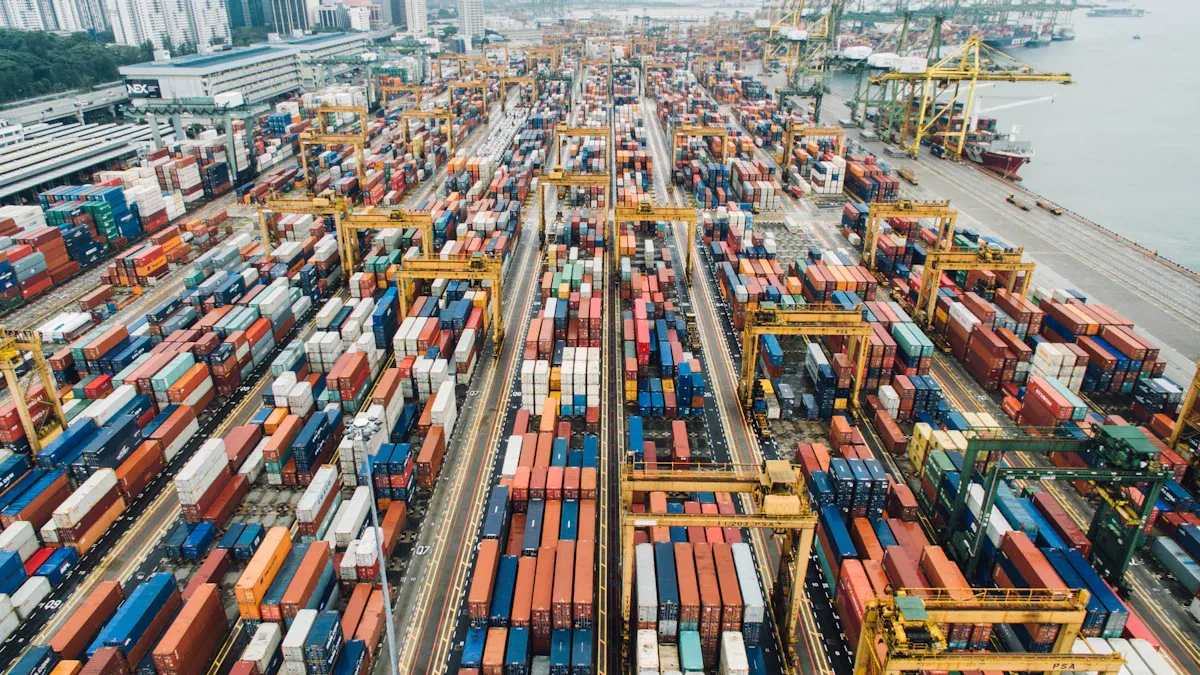
International shipping logistics strategies help you move goods across borders with fewer problems. You need to understand each part of the process to make smart choices. These strategies include mapping your supply chain, planning transportation, using technology, managing risks, following rules, and thinking about sustainability. When you use these strategies, you can save money and deliver products on time.
Comprehensive Planning
You need a strong plan before you ship anything. Comprehensive planning makes your shipping process smoother. It helps you use your resources wisely and cut costs. You can keep your customers happy by delivering on time and keeping your service quality high. Planning lets you see changes in the market and adjust your inventory. You can avoid problems like too much stock or not enough products. When you plan well, you lower your risks and keep your business running.
Tip: Make a checklist for each shipment. Include steps for booking transport, preparing documents, and checking delivery dates.
Cash Flow Management
Managing your money is important in shipping. You face many challenges that can affect your cash flow. Some common problems include:
Payment delays from customers
Seasonal demand fluctuations
Inefficient inventory management
Unplanned expenses
You need to watch your payments and spending closely. Set up reminders for invoices and track your inventory. Try to predict busy seasons so you can prepare your budget. When you control your cash flow, you can pay your bills and invest in better shipping solutions.
Cross-Functional Teams
You need people from different departments to work together. Cross-functional teams help you solve problems faster. You can share ideas and spot risks early. For example, your finance team can work with your shipping team to plan budgets. Your customer service team can talk to your warehouse team to make sure orders go out on time. When everyone works together, you improve your shipping results.
Note: Hold regular meetings with team members from sales, finance, and logistics. This helps everyone stay informed and work toward the same goals.
You can use international shipping logistics strategies to make your business stronger. When you plan well, manage your money, and build strong teams, you set yourself up for success.
Optimizing Transportation & Distribution

Shipping Method Selection
You need to choose the right shipping method for your business. This decision affects your costs, delivery speed, and customer satisfaction. When you select a shipping method, consider several important factors:
Cost
Shipping routes
Regulatory compliance
Reliability
Technology
Insurance
Sustainability
Customer service
Scalability
Warehousing
Cultural barriers
Partnerships
Financial stability
Technology adoption
You can compare these factors for each option. Air freight moves goods quickly but costs more. Ocean shipping saves money for large shipments but takes longer. Rail and truck transport work well for regional deliveries. Your choice depends on your budget, delivery needs, and the type of goods you ship.
Tip: Review your shipping needs every year. Changes in your business or the market may require a new shipping method.
Route & Warehouse Optimization
You can save money and deliver faster by optimizing your shipping routes and warehouse locations. Choosing the best shipping origins and timing helps you lower costs and avoid crossing too many zones. You also reduce storage fees. Accurate transit time predictions and simple last-mile processes improve reliability.
Better inventory placement and process automation enhance customer experience.
Warehouse optimization software reduces travel time for pickers.
Smarter pick path optimization uses real-time data and facility layout.
Dynamic slotting improves efficiency by considering order patterns and ergonomics.
Real-time analytics help you adapt to traffic or weather changes.
You improve your international shipping logistics strategies when you use these tools and methods.
Operational Efficiency
You need to track your performance to improve your shipping operations. Key performance indicators (KPIs) help you measure success. Important metrics include ship turnaround time, fuel consumption, and voyage performance. You can also monitor:
On-Time Pickup Percentage
On-Time-In-Full (OTIF)
Lead Time
Automation and smart scheduling make your operations smoother. You can use AI to manage fleets and plan routes. Eco-friendly strategies help you reduce your carbon footprint. Automation also helps you handle global labor shortages and streamline data flows.
Note: Set clear goals for each KPI. Review your results monthly to find areas for improvement.
Compliance & Documentation
Customs Regulations
You must follow customs regulations to move goods across borders. These rules change from country to country. You need to know what documents to prepare and how to classify your products. Here are some common customs requirements:
Customs declarations show what you are shipping and where it comes from.
You must include details about the shipper, consignee, country of origin, and product descriptions.
International standards like HS codes and HTS codes help classify goods and set duties.
CITES controls the trade of endangered species and their products.
Rules of origin decide if your goods qualify for trade agreements.
Incoterms explain who is responsible for shipping costs and risks.
Aspect | Description |
|---|---|
Goes beyond customs declarations to include trade agreements and product classification. | |
Financial Penalties | Mistakes can lead to big fines and hurt your business. |
Customs Regulations | Each country has different rules for documents and product types. |
Export Control Regulations | Some products cannot be shipped to certain places for safety reasons. |
Product-Specific Regulations | Safety and health rules change based on what you ship and where it goes. |
Free Trade Agreements | You can save money if your goods meet the rules for special trade deals. |
Regulatory Change Management | You must keep up with new rules and update your process often. |
Accurate Documentation
You need accurate paperwork for every shipment. Good documentation helps you clear customs faster and keeps your goods moving. If you make mistakes, you risk delays, fines, or even having your shipment held. Here are some important points:
Accurate paperwork speeds up customs clearance.
Mistakes or missing information can cause delays and extra costs.
Customs officials may hold shipments until you fix problems.
Incomplete paperwork is the top reason for shipment delays.
Tip: Double-check all documents before shipping. Make sure every detail matches the shipment.
Packaging & Labeling
Proper packaging and labeling protect your products and help you follow the rules. You need strong boxes and clear labels to avoid damage and confusion. Here are best practices:
Use sturdy packaging to prevent damage during long trips.
Add internal cushioning like bubble wrap to keep items safe.
Choose boxes that resist moisture and rough handling.
Follow all packaging and labeling rules to avoid fines.
Use clear labels with correct HS codes and handling instructions.
Describe contents and values accurately.
Pick eco-friendly materials when possible.
You improve your international shipping logistics strategies when you focus on compliance and documentation. This keeps your shipments safe and on schedule.
Enhancing Visibility & Technology
Real-Time Tracking
You can improve your supply chain by using real-time tracking technology. This technology lets you see where your shipments are at any moment. You can use GPS to track trucks and ships. RFID tags help you check inventory without counting each item by hand. IoT sensors watch the temperature and humidity of your goods, so you can stop spoilage or damage. Blockchain keeps your shipping records safe and easy to share. The table below shows how each technology helps your business:
Technology | Benefit |
|---|---|
GPS | Gives you accurate, real-time tracking and helps you plan better routes. |
RFID | Tracks inventory quickly and lowers the risk of theft. |
IoT Sensors | Monitors shipment conditions to prevent spoilage and damage. |
Blockchain | Keeps your data secure and makes sharing information easier. |
Tip: Use tracking apps to get alerts about shipment delays or problems.
Data Integration
You can connect your data systems to make your shipping process smoother. When you link your inventory, orders, and supplier data, you get a clear view of your supply chain. This helps you spot problems early and fix them fast. Integrated systems also cut down on mistakes because you do not have to enter the same data twice. The table below explains the benefits:
Benefit | Description |
|---|---|
Enhanced Supply Chain Visibility | See real-time data on inventory and orders for better decisions. |
Streamlined Processes | Automate data transfer and reduce errors. |
Improved Demand Forecasting | Use past data and trends to predict what you need to ship. |
Better Supplier Collaboration | Share information quickly with suppliers to shorten lead times. |
Compliance and Risk Management | Track compliance data to avoid fines and manage risks. |
Cost Reduction | Lower costs by automating and optimizing your supply chain. |
Faster Time-to-Market | Make quick decisions to launch products faster. |
Analytics for Decision-Making
You can use analytics to make smarter choices in your shipping process. Analytics tools help you:
Forecast demand by studying buying patterns, so you avoid running out or having too much stock.
Optimize freight rates by tracking fuel prices and busy seasons.
Plan your shipping network by testing different routes and seeing what works best.
Analyze shipping costs to find billing mistakes and save money.
Check how well your carriers deliver on time.
Prepare for risks like new tariffs or port closures by running scenario tests.
When you use technology and analytics, you make your international shipping logistics strategies stronger. You get better control, save money, and keep your customers happy.
Building Partnerships & Collaboration
Local Partnerships
You can solve many shipping challenges by building strong local partnerships. Local experts know the customs rules and can help you avoid delays. They also understand the best routes and how to handle paperwork. When you work with trusted customs brokers and logistics partners, you gain valuable support in each region.
Strategy | Description |
|---|---|
Relationships | Build strong connections with customs brokers and logistics partners with local expertise. |
These relationships give you flexibility and help you adapt when problems arise. Local partners often have the knowledge to handle sudden changes, such as new regulations or port closures. You can rely on them to keep your shipments moving.
Supply Chain Collaboration
You improve efficiency and lower costs when you collaborate across your supply chain. Working closely with suppliers, manufacturers, and distributors helps you plan better and avoid mistakes. Here are some ways collaboration helps:
Collaborative forecasting and long-term planning keep inventory levels balanced.
You avoid overstocking or running out of products.
Cost-sharing, like joint transportation or warehousing, saves money for everyone.
Strong supplier relationships build trust and lead to better service.
Open communication lets you respond quickly to changes in demand or supply.
When you use international shipping logistics strategies that focus on teamwork, you make your supply chain more resilient. Partners who trust each other can solve problems faster and keep goods flowing, even during disruptions.
Communication Channels
You need clear and timely communication to coordinate your shipping operations. Good communication keeps everyone informed and helps you solve problems quickly. Here are some key points:
Effective communication ensures information flows smoothly.
Clear updates improve the customer experience.
Communication guides shipments and builds transparency.
The right channels help all parties address challenges and set expectations.
Consistent updates build trust and loyalty with customers.
You can use email, instant messaging, and shipment tracking platforms to keep everyone connected. When you communicate well, you improve coordination and strengthen your reputation in the shipping industry.
Managing Risks & Costs
Risk Identification
You face many risks when you ship goods internationally. Some risks can stop your shipments or cost you money. You need to know what can go wrong so you can prepare. Common risks include:
Incorrect or incomplete paperwork
Poor handling and cargo damage
High transportation costs
Compliance and regulatory issues
Theft
Damage to goods
Political instability
Cyber threats
Environmental hazards like storms or fires
Piracy
Shipment retention at ports
Legal and financial risks
You should watch for these problems and check your supply chain often. You can also monitor news for political changes and review your routes for weather risks. Building flexibility into your plans helps you respond quickly when something goes wrong.
Cost Control Strategies
You can control costs by using smart strategies. Start by learning about tariffs and trade agreements. This helps you avoid paying extra duties. You can also save money by:
Planning better routes and filling trucks or containers fully
Automating invoice checks to catch billing mistakes
Using reports to track spending and make better choices
Placing inventory closer to your customers
Improving packaging to lower shipping fees
Tip: Review your warehouse and transportation plans every few months. Small changes can lead to big savings.
Insurance & Contingency Planning
Insurance protects you from big losses if something happens to your cargo. You should get coverage that matches the value of your goods. Good insurance shifts the risk to the provider, so you do not lose money if there is damage or theft. You also need a plan for emergencies. This means knowing what to do if there is a storm, accident, or delay.
Solution | Description |
|---|---|
Covers losses from cargo damage or loss during transit. | |
Crisis Management | Uses emergency plans and local experts to solve unexpected problems. |
You should check your insurance for any limits, especially if you ship near conflict zones. Always update your plans as risks change. This keeps your shipments safe and your business strong.
Overcoming Global Trade Challenges
Handling Delays
You face many types of delays in international shipping. These delays can slow down your business and upset your customers. The table below shows the most common causes of delays and what they mean for your shipments:
Cause of Delay | Description |
|---|---|
Customs Clearance Complications | Complicated customs rules can lead to inspections and paperwork issues. |
Problems with Suppliers | Manufacturing backlogs and shortages can delay shipment readiness. |
Port Congestion | Busy ports and labor shortages can cause long wait times. |
Customs Delays | Inaccurate paperwork or random checks can slow customs processing. |
Freight Issues | Not enough containers or space can create bottlenecks. |
Inland Transportation Delays | Poor roads or traffic can delay final delivery. |
Carrier Issues | Trucking and rail problems can disrupt movement. |
Weather Disruptions | Storms or bad weather can close ports and change routes. |
Political Unrest and Trade Disputes | Unstable regions can disrupt shipping lanes and increase checks. |
Unexpected Global Events | Pandemics or disasters can disturb shipping networks. |
Tip: You can reduce delays by double-checking paperwork, tracking shipments, and working with reliable partners.
Adapting to Changes
You must stay flexible to succeed in global shipping. New rules and market shifts happen often. You can use several strategies to adapt quickly:
Strategy | Description |
|---|---|
Regulatory Monitoring | Track new rules and understand how they affect your shipments. |
Market Intelligence | Study market data to spot trends and new opportunities. |
Best Practice Development | Learn and use proven methods to solve common problems. |
Client Communication | Share important updates with your clients in a clear way. |
Proactive Communication | Give timely information about changes that may affect shipments. |
Risk Management | Build plans to handle risks and supply chain disruptions. |
Technology Integration | Use automation and digital tools to keep your business running smoothly. |
You can also watch for rising tariffs, supply chain disruptions, and new compliance rules like sustainability standards. Staying alert helps you avoid surprises.
Cultural & Language Barriers
You work with people from many countries in global shipping. Cultural and language differences can cause confusion. You can overcome these barriers with the following steps:
Clear communication helps you follow shipping rules and avoid costly mistakes.
Real-time updates build trust with your partners and customers.
Understanding cultural differences makes teamwork easier.
Use translation tools to help everyone understand each other.
Offer language training to your team.
Create a workplace with bilingual signs and multilingual support staff.
Note: When you respect other cultures and use the right tools, you build stronger relationships and keep your shipments moving.
You can improve your shipping results by using international shipping logistics strategies. Strong planning, compliance, technology, and teamwork help you avoid delays and lower costs. Review the table below for key takeaways and steps:
Actionable Step | |
|---|---|
Leverage Technology | Use real-time tracking tools to monitor shipments and solve problems quickly. |
Optimize Costs | Compare carrier rates to make smart shipping choices. |
Ensure Compliance | Stay updated on trade rules to avoid fines and delays. |
Continuous Improvement | Check your shipping process often to find ways to save money. |
Invest in technology for better customer service.
Automate paperwork and customs clearance.
Assess cost, speed, and reliability for each shipment.
Keep reviewing your process and share your ideas or ask experts for advice.
FAQ
What documents do you need for international shipping?
You need a commercial invoice, packing list, bill of lading, and customs declaration. Some shipments require extra certificates. Always check the rules for your destination country.
How can you reduce shipping delays?
Double-check your paperwork. Track your shipments in real time. Work with reliable partners. Prepare for customs checks. Stay updated on weather and port conditions.
Why is real-time tracking important?
Real-time tracking lets you see where your goods are at any moment. You can spot problems early and update your customers quickly. This helps you avoid surprises.
What should you do if your shipment gets stuck at customs?
Contact your customs broker.
Review your documents for errors.
Provide missing information fast.
Stay in touch with your shipping partner.
How do you choose the best shipping method?
You should compare cost, speed, and reliability. Think about your product type and customer needs. Air is fast but expensive. Ocean is slow but cheaper for large loads.
See Also
Key Strategies for Effective Global Logistics Operations
Enhancing International Operations Through Innovative Logistics Solutions
Streamlining Supply Chains in the USA with Global Logistics
Top LCL Shipping Guidelines for Panama Exports with Global Logistics
Boosting Global Efficiency with Point-to-Point Logistics Systems
