What Does DDP Mean in International Trade
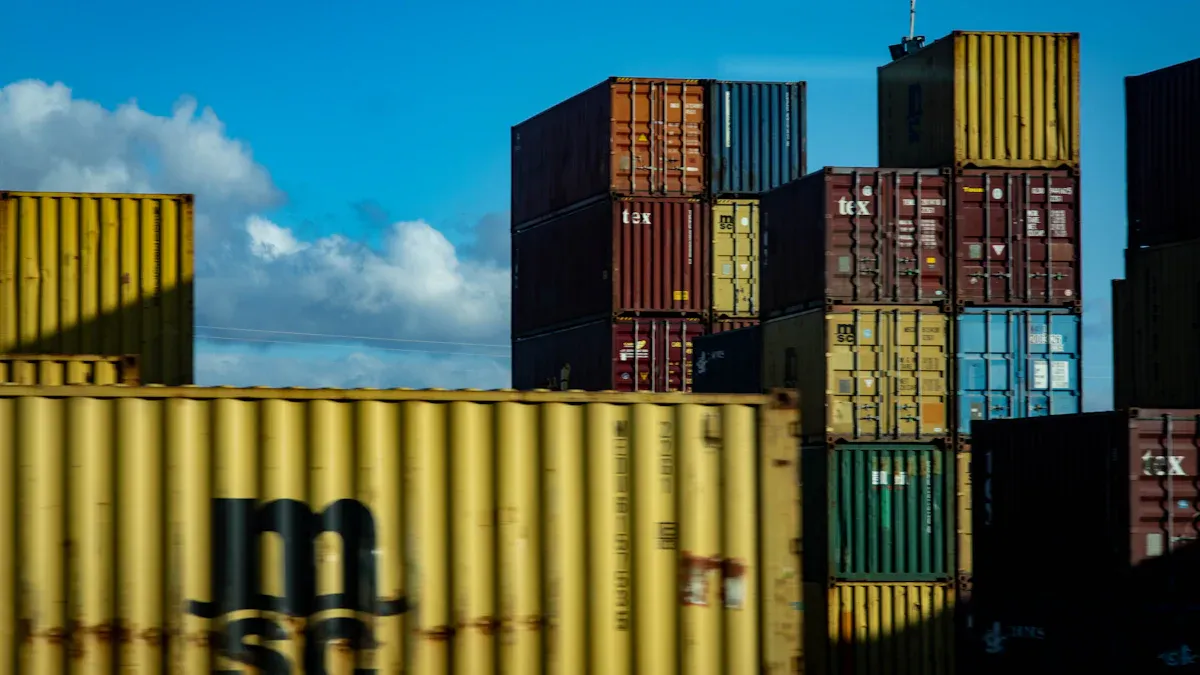
You may come across the term DDP, or Delivered Duty Paid, when you read about international trade ddp terms. DDP means you, as the buyer, have almost no worries about extra costs or paperwork. The seller handles everything, including shipping, customs duties, taxes, and final delivery. This approach gives you peace of mind and predictable costs. The table below shows how DDP shifts responsibilities:
Aspect | Seller Responsibility | Buyer Benefit |
|---|---|---|
Customs Duties | Seller covers all customs duties and taxes | Buyer enjoys a hassle-free delivery |
Final Delivery | Seller is responsible for final delivery | Buyer receives goods at their doorstep |
Cost Estimation | Seller risks underestimating costs | Buyer benefits from predictable pricing |
Risk of Fluctuating Tariffs | Seller faces losses if tariffs increase | Buyer is insulated from tariff changes |
Key Takeaways
DDP means the seller handles all costs and risks until the goods reach you. You only need to receive the delivery.
With DDP, you enjoy a hassle-free buying experience. The seller manages shipping, customs, and all fees, so you avoid surprises.
Choosing DDP allows for predictable costs. You know the total price upfront, making budgeting easier.
DDP is ideal for those who want a smooth import process. It works well for e-commerce and retail businesses that need fast delivery.
Always confirm what is included in the DDP price with the seller. This helps prevent confusion and ensures successful delivery.
Understanding International Trade DDP Terms

What Is DDP
You may wonder what DDP means when you see it in international trade ddp terms. DDP stands for Delivered Duty Paid. This is an official Incoterm, or international commercial term, that sets clear rules for buyers and sellers. When you agree to DDP, the seller must arrange the transport and deliver the goods to a place you both choose. The seller also pays all the costs, including shipping, insurance, customs duties, and taxes. You do not need to worry about import clearance or extra fees. The seller handles everything until the goods reach you, ready for unloading.
Note: The seller takes on the most responsibility with DDP. You only need to receive the goods at the agreed place.
The International Chamber of Commerce explains that DDP means the seller must clear the goods for import and pay all taxes. The seller also carries the risk until you can access the goods at the destination. This makes DDP one of the most buyer-friendly options in international trade ddp terms.
Key Features of DDP
You can spot several key features when you use DDP in your trade deals:
The seller covers all costs and risks. This includes transport, insurance, customs duties, and taxes.
The seller must deliver the goods to the place you choose, ready for you to unload.
You do not need to handle customs paperwork or pay import fees.
The seller must follow all local laws and rules for import clearance.
You get a simple and predictable buying process.
Here is a quick table to help you see the main points:
Feature | Seller Responsibility | Buyer Responsibility |
|---|---|---|
Shipping | Arrange and pay | None |
Customs Clearance | Complete and pay duties/taxes | None |
Delivery Location | Deliver to agreed place | Unload goods |
Risk | Until goods are ready to unload | After unloading |
You benefit from DDP because it reduces your risk. The seller manages shipping and customs, so you do not face surprises. DDP also helps you follow import laws and avoid legal trouble. You know your costs up front, which makes planning easier.
Tip: If you want a smooth and easy buying experience, DDP is a strong choice in international trade ddp terms.
DDP: Seller vs Buyer
Seller’s Responsibilities
When you use DDP in your trade deals, you give the seller almost all the work. The seller must make sure your goods arrive safely and on time. You do not need to worry about shipping, customs, or extra fees. The seller takes care of everything from start to finish.
Here is a table that shows what the seller must do under DDP:
Responsibility | Description |
|---|---|
Shipping | The seller arranges and pays for the entire shipping process. |
Customs Clearance | The seller handles all customs paperwork and pays for import clearance. |
Duties and Taxes | The seller pays all duties and taxes before the goods reach you. |
The seller must also decide how to handle customs costs. The seller can include these costs in the price, add them at checkout, or absorb them. Because the seller pays all fees in advance, your goods often arrive faster. You do not face delays at customs.
Tip: DDP gives you a simple buying process. The seller manages all the hard parts, so you get your goods without stress.
Buyer’s Role
Your job as the buyer is very easy under DDP. You only need to receive the goods when they arrive. You do not need to fill out customs forms or pay extra charges at the border. The seller does all the paperwork and pays all the fees.
Here is a quick list of your main tasks as the buyer:
Manage any internal logistics after you get the goods.
Provide any documents or information if customs asks for them.
You do not have to deal with complex customs rules. The seller handles all the details. This makes DDP one of the most buyer-friendly options in international trade ddp terms.
Note: You have very little control over the customs process. Sometimes, this can cause small delays, but you do not need to worry about extra work.
DDP in Practice

Shipping and Delivery
When you use DDP in your shipping process, you let the seller handle every step until the goods reach your door. The seller arranges transport, manages all logistics, and pays for shipping insurance. You do not need to worry about finding a shipping company or tracking the shipment. The seller also takes care of any damages during transit.
Here is a table that shows how DDP compares to other Incoterms in shipping and delivery:
Incoterm | Seller's Responsibilities | Buyer's Responsibilities |
|---|---|---|
DDP | Handles all logistics, customs clearance, and payment of duties. | Receives goods at specified location without additional charges. |
DAP | Delivers goods to a specified location. | Responsible for import clearance, duties, and taxes. |
You can see that DDP gives you the most support. The seller manages all logistics and documentation, so you only need to receive the goods.
Customs and Import Duties
Customs clearance can be confusing, but under DDP, the seller takes care of everything. The seller must prepare all documents, pay customs handling fees at both the origin and destination, and settle all duties and taxes. You do not need to fill out forms or pay extra charges at customs.
Tip: Sellers sometimes face challenges with customs in your country. They may not know local rules, which can cause delays. The seller is responsible for the goods until they clear customs, so they must work hard to avoid problems.
Here is what the seller must do for customs under DDP:
Deliver all required documents with the goods
Pay customs fees at export and import
Handle unexpected customs issues
Manage the goods until they clear customs
Taxes and Fees
You do not pay any taxes or fees when you use DDP. The seller covers all costs, including shipping, import and export duties, insurance, value-added tax (VAT), and storage fees. The seller must include these costs in the price you pay. This makes your total cost clear from the start.
When sellers set prices under international trade ddp terms, they must think about all these costs:
Shipping costs
Import and export duties
Insurance
Damages of goods
Value-added taxes (VAT)
Storage fees
The seller must pay all customs duties, taxes, and other fees in your country. You get a simple and stress-free buying experience.
DDP: Pros and Cons
Advantages
When you choose DDP, you make your buying process much easier. You do not need to worry about hidden fees or complicated paperwork. The seller takes care of everything, so you can focus on your business. Here are some key benefits you get with DDP:
You enjoy a simple and smooth buying experience.
You do not face surprise costs because the seller includes all fees upfront.
You can trust the seller to handle shipping, customs, and delivery.
You save time because you avoid paperwork and customs forms.
You gain confidence in international deals, knowing the seller manages all risks.
You can plan your budget better since you know the total cost before you buy.
Tip: DDP helps you avoid stress and gives you peace of mind when you buy from another country.
Disadvantages
While DDP offers many benefits, you should also know the drawbacks. Sellers take on more work and risk, which can affect you in some ways:
Sellers must manage the whole shipping process, including customs and taxes.
They need to know the import rules for your country, or they might face delays.
Sellers may pass their extra costs to you, making the price higher.
If something goes wrong during shipping, the seller loses money.
Changes in import duties or unexpected fees can reduce the seller’s profits.
Sometimes, you have less control over how and when your goods arrive.
Disadvantage | Impact on You |
|---|---|
Higher seller costs | Possible higher prices |
Seller manages all customs | Less control for you |
Risk of shipping delays | Delivery may take longer |
Practical Scenarios
You see DDP used in many real-world situations. For example, electronics companies often use DDP to send products overseas. The seller handles all shipping and import duties, so you get your items without extra steps. Large retail chains also use DDP to keep their supply chain simple. They let the seller manage logistics, so they can focus on selling products.
Note: If you want a worry-free buying process, DDP works well for electronics, retail, and other goods that need smooth delivery across borders.
DDP vs Other Terms
DDP vs DAP
You may see both DDP (Delivered Duty Paid) and DAP (Delivered at Place) in international trade. These terms look similar, but they have important differences. Under DDP, you receive goods with all duties, taxes, and customs clearance handled by the seller. You do not pay extra fees when the goods arrive. With DAP, the seller brings the goods to your location, but you must pay import duties, taxes, and handle customs clearance.
Here is a table to help you compare:
Responsibility | DDP | DAP |
|---|---|---|
Sellers' responsibility | Assumes all costs including import duties, taxes, and customs clearance. | Covers all transport costs to the agreed destination, including export clearance but not import duties and taxes. |
Buyers' responsibility | Not applicable. | Pays import duties, taxes, and any customs clearance fees. Only responsible for unloading the goods at the final destination. |
You can see that DDP gives you a hassle-free experience. The seller takes on all risks and costs. With DAP, you must handle the final steps and pay extra fees.
DDP vs DDU
You might also hear about DDU, which means Delivered Duty Unpaid. This term puts more work on you as the buyer. The seller brings the goods to your country, but you must pay all customs duties and taxes. You also handle customs clearance and pay any fees when the goods arrive.
Aspect | DDU (Delivered Duty Unpaid) | DDP (Delivered Duty Paid) |
|---|---|---|
Responsibility for Duties | Buyer is responsible for all customs duties and taxes | Seller pays for all duties and taxes |
Customs Clearance | Buyer manages customs clearance and duty payments | Seller handles customs clearance |
Financial Burden | Buyer bears the financial responsibility upon arrival | Seller bears the financial burden before delivery |
Choosing DDP makes your buying process simple. You avoid surprise fees and customs delays. Sellers who use DDP often build trust and long-term relationships with buyers.
When to Use DDP
You should consider DDP when you want everything handled for you. DDP works best if you want a smooth and easy import process. Many e-commerce companies use DDP because their customers expect fast and predictable delivery. DDP is also helpful if you do not know local customs rules or want to avoid paperwork.
Here are some reasons to choose DDP:
You want a hassle-free buying experience.
You need time-sensitive shipments delivered quickly.
You prefer knowing all costs upfront.
You buy goods for e-commerce or retail and want to keep customers happy.
You do not want to manage customs or pay surprise fees.
Before you choose DDP, check if the seller understands your country’s import rules. Make sure they can calculate duties and taxes correctly. Reliable sellers with experience in DDP can help you avoid problems and keep your supply chain running smoothly.
Tip: Always ask the seller to explain what is included in the DDP price. This helps you avoid confusion and ensures a successful delivery.
You now know that DDP means the seller handles all costs and risks until you receive your goods. You only need to accept delivery. The table below shows why DDP matters:
Benefit Description | Fact |
|---|---|
No hidden import fees | Up to 30% of buyers abandon purchases due to surprise duties. |
Faster customs clearance | 43% of shipments face customs delays. |
More convenience | 65% of buyers want door-to-door service. |
Before you choose DDP, compare it with other strategies. Experts suggest you set strong contracts, check your suppliers, and train your team to manage risks.
FAQ
What does DDP stand for in shipping?
DDP means Delivered Duty Paid. You let the seller handle all shipping, customs, and taxes. You only need to receive the goods at your location.
Who pays customs duties under DDP?
You do not pay customs duties. The seller pays all import duties, taxes, and fees before you get your goods.
Is DDP safe for buyers?
Yes, DDP protects you from surprise costs and paperwork. You get a simple process and know the total price before you buy.
Can you use DDP for any product?
You can use DDP for most products. Some countries have rules that limit DDP for certain items. Always check local laws before you buy.
Tip: Ask your seller if they have experience with DDP in your country.
See Also
Unlocking Panama Trade With PGL’s LCL Export Services
Key LCL Shipping Steps for Panama Exports by PGL
Navigating the LCL Export Process for Panama With PGL
Comprehensive Export Solutions: Full Container, LCL, and Ro-Ro by PGL
Enhancing Global Efficiency Through Point-to-Point Logistics Systems
