The Complete Guide to Freight Agents: Roles, Responsibilities, and Career Paths in Air Freight
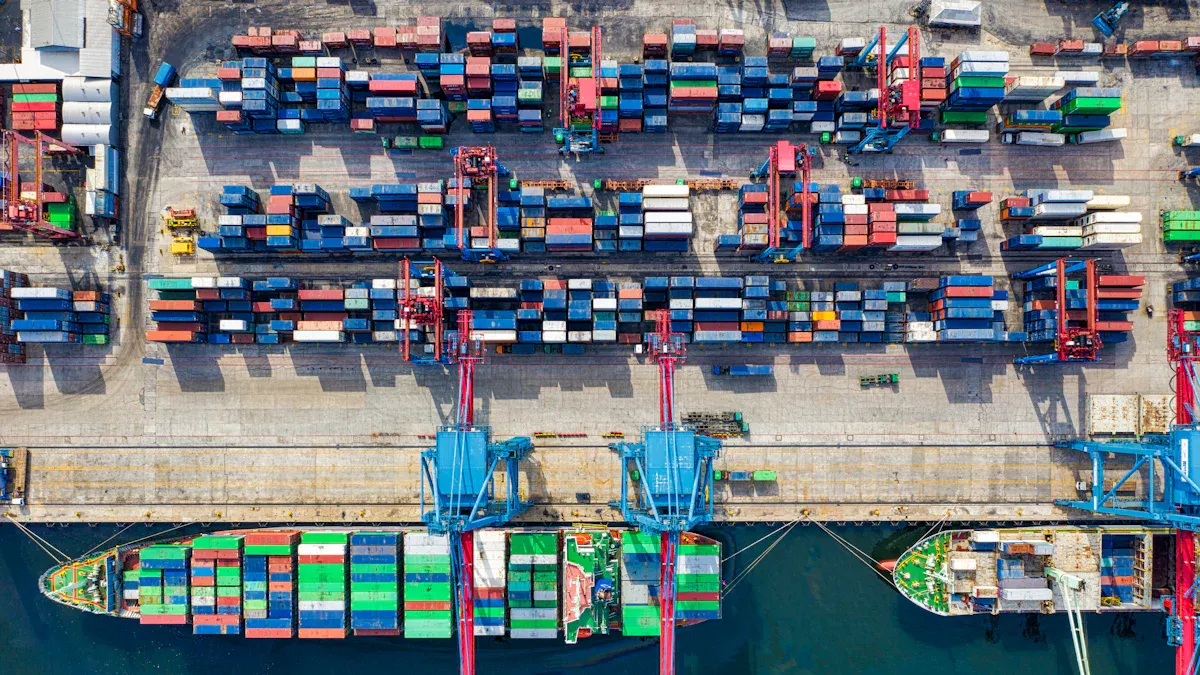
Air freight depends on coordination.
A shipment may involve shippers, consignees, freight forwarders, carriers, customs authorities, warehouses, ground handlers, and other logistics providers. Freight agents help coordinate many of these activities and ensure that shipment information moves between the right parties at the right time.
Although the title “freight agent” can describe different roles depending on the company and market, the position generally involves supporting the movement of cargo and managing the operational details surrounding transportation.
For people considering a career in logistics, freight agency can also provide an entry point into air freight, freight forwarding, cargo operations, and international supply chain management.
This guide explains what freight agents do, their main responsibilities, the skills they need, and common career paths in air freight.
What Is a Freight Agent?
A freight agent is a logistics professional who helps arrange, coordinate, or support freight transportation.
The exact responsibilities depend on the organization and business model.
A freight agent may work with:
· Shippers
· Consignees
· Freight forwarders
· Air carriers
· Ground transportation providers
· Warehouses
· Customs service providers
· Cargo handling facilities
The role is generally centered on communication, documentation, coordination, and shipment execution.

What Does a Freight Agent Do in Air Freight?
Air freight agents may support a shipment from booking through delivery.
A simplified process is:
Booking → Cargo Pickup → Warehouse Receipt → Export Processing → Airport Handling → Air Transportation → Import Processing → Final Delivery
The freight agent may be involved in several of these stages.
Main Responsibilities of a Freight Agent
Shipment Booking
A freight agent may coordinate shipment bookings based on:
· Origin
· Destination
· Cargo weight
· Cargo dimensions
· Required departure date
· Delivery deadline
· Cargo type
· Special handling requirements
The agent needs accurate information to identify a suitable transportation solution.
Documentation
Documentation is a major part of air freight.
Depending on the shipment, freight agents may handle or coordinate documents such as:
· Commercial invoices
· Packing lists
· Air waybills
· Shipment instructions
· Export documentation
· Import documentation
· Cargo receipts
· Delivery records
Accuracy matters because documentation errors can cause delays.
Cargo Coordination
The agent may coordinate pickup and warehouse delivery.
This can include confirming:
· Pickup times
· Cargo availability
· Package count
· Weight
· Dimensions
· Special handling instructions
Communication
Freight agents frequently act as communication links.
They may communicate shipment updates between:
· Customers
· Warehouses
· Carriers
· Drivers
· Customs-related parties
· Destination agents
Clear communication is particularly important when schedules change.
Tracking
A freight agent may monitor shipment milestones and provide updates.
Typical milestones can include:
· Booking confirmed
· Cargo picked up
· Cargo received
· Export processing completed
· Cargo accepted for air transportation
· Flight departed
· Flight arrived
· Import processing completed
· Final delivery completed

Freight Agent vs. Freight Forwarder
These terms are sometimes used interchangeably in casual conversation, but they can describe different roles.
A freight forwarder generally arranges transportation and logistics services on behalf of shippers.
A freight agent may operate as a representative, intermediary, or operational professional supporting transportation arrangements.
The precise distinction depends on the commercial structure and applicable legal framework.
Therefore, job titles alone should not be used to determine legal responsibility.
Freight Agent vs. Freight Broker
A freight broker primarily connects shippers with transportation providers and arranges transportation capacity.
A freight agent can have a broader or different role depending on the organization.
In air freight, the agent may be more directly involved in shipment coordination, documentation, customer communication, and operational execution.
The boundaries can overlap, so businesses and job seekers should examine the actual responsibilities rather than relying only on the title.
Skills Required to Become a Freight Agent
Communication Skills
Freight agents communicate with multiple parties every day.
They need to explain shipment information clearly and handle problems without turning every delay into a small diplomatic crisis.
Attention to Detail
A single incorrect digit in a shipment reference, weight, address, or document can cause operational problems.
Attention to detail is therefore essential.
Organization
Freight agents may manage multiple shipments simultaneously.
Good organization helps ensure that deadlines and documentation requirements are not overlooked.
Problem-Solving
Cargo does not always move according to plan.
Flights can change, documents can be incomplete, cargo can arrive late, and capacity can disappear.
Freight agents need to identify practical solutions quickly.
Basic Logistics Knowledge
A freight agent should understand concepts such as:
· Air waybills
· Freight forwarding
· Consolidation
· Cargo receipts
· Customs procedures
· Incoterms
· Shipment dimensions
· Chargeable weight
· Airport handling
Understanding Chargeable Weight
Chargeable weight is an important concept in air freight.
Air cargo charges may be based on either actual gross weight or volumetric weight, depending on which produces the applicable chargeable figure under the relevant pricing rules.
A simplified volumetric calculation commonly uses:
Volumetric Weight = Length × Width × Height ÷ Dimensional Factor
The dimensional factor depends on the applicable transportation and pricing rules.
A freight agent should understand this concept because incorrect weight calculations can affect quotations and shipment planning.
Special Cargo Responsibilities
Some air freight requires additional handling.
Examples can include:
· Temperature-sensitive cargo
· Dangerous goods
· Valuable cargo
· Oversized cargo
· Fragile goods
· Time-critical shipments
· Live cargo
The exact procedures vary according to the cargo type and applicable regulations.
A freight agent does not necessarily perform every technical handling function personally. Instead, the agent may need to identify the requirement and coordinate with appropriately qualified personnel.
Documentation Accuracy in Air Freight
Documentation errors can cause:
· Customs delays
· Cargo acceptance problems
· Shipment rework
· Incorrect billing
· Delivery delays
· Compliance issues
A freight agent should therefore check important information carefully.
Common verification points include:
· Shipper details
· Consignee details
· Cargo description
· Package count
· Weight
· Dimensions
· Origin
· Destination
· Special handling information
A Typical Day for a Freight Agent
A typical day can involve several different activities.
The morning may begin with checking overnight shipment updates and identifying cargo that has been delayed or requires attention.
During the day, the agent may arrange bookings, respond to customer requests, coordinate pickups, review documentation, and communicate with warehouses or carriers.
Unexpected issues are also common.
A flight may be rescheduled. A shipment may arrive with a package discrepancy. A document may be missing. A customer may suddenly need an urgent delivery.
Freight agency is therefore a highly coordination-oriented role.
Career Path in Air Freight
A freight agent can develop a career in several directions.
Entry-Level Operations
People may begin in roles involving shipment data entry, documentation, customer service, cargo coordination, or basic forwarding operations.
Freight Agent
With experience, professionals may take responsibility for more complex shipments and customer accounts.
Senior Operations Specialist
Experienced employees may manage complicated international shipments, exceptions, or specialized cargo.
Freight Forwarding Management
Some professionals move into supervisory or management positions involving teams, accounts, or regional operations.
Sales and Business Development
Logistics professionals with strong communication and commercial skills may move into freight sales or customer development.
Customs and Trade Compliance
Others may specialize in customs documentation, trade compliance, or international regulatory processes.
Supply Chain Management
Air freight experience can also provide a foundation for broader supply chain careers.
Qualifications for Freight Agent Careers
Requirements vary by employer and jurisdiction.
Many entry-level roles emphasize:
· High school or secondary education
· Communication skills
· Computer literacy
· Organizational ability
· Basic business knowledge
Additional education in logistics, supply chain management, international trade, or transportation can be useful.
Relevant industry training and practical experience can also improve career opportunities.
How Freight Agents Can Advance Their Careers
The most valuable development areas often include:
International trade knowledge: Understanding how cross-border transactions work.
Transportation documentation: Becoming highly comfortable with shipping documents.
Regulatory awareness: Learning the rules relevant to air cargo and customs processes.
Technology: Becoming proficient with transportation and shipment management systems.
Customer service: Learning to communicate clearly during both normal operations and disruptions.
Specialized cargo knowledge: Developing expertise in areas such as time-critical, temperature-controlled, or regulated cargo.
Common Challenges for Freight Agents
Tight Deadlines
Air freight is often chosen because speed matters.
Documentation Errors
Small mistakes can produce disproportionate operational consequences.
Multiple Time Zones
International shipments may require communication across several regions.
Schedule Changes
Air transportation schedules can change, requiring rapid coordination.
Customer Expectations
Customers may expect precise answers even when external factors are changing.
Regulatory Requirements
International cargo is subject to numerous rules, and requirements can vary by shipment and destination.
Frequently Asked Questions
What is a freight agent?
A freight agent is a logistics professional who supports or coordinates freight transportation, often handling bookings, documentation, communication, and shipment tracking.
What does a freight agent do in air freight?
Responsibilities can include booking cargo, preparing or coordinating documents, arranging pickups, communicating with carriers and warehouses, tracking shipments, and resolving operational issues.
Is a freight agent the same as a freight forwarder?
Not necessarily. The terms can describe different roles, although their activities may overlap depending on the business structure.
What skills does a freight agent need?
Communication, organization, attention to detail, problem-solving, computer skills, and knowledge of transportation documentation are important.
Is freight agency a good entry point into logistics?
It can be. Freight agency provides exposure to transportation operations, international shipping documentation, customer service, and supply chain coordination.
Conclusion
Freight agents play an important coordinating role in air freight. Their work connects customers, carriers, warehouses, transportation providers, and other logistics participants while keeping shipment information and documentation moving alongside the physical cargo.
The job requires more than simply booking transportation. Successful freight agents need strong communication, careful documentation habits, organizational skills, and the ability to solve problems under time pressure.
For people building a career in logistics, freight agency can also provide a practical foundation for moving into freight forwarding, operations management, trade compliance, sales, or broader supply chain roles.
In an industry where cargo can cross several borders faster than a human can finish reading the paperwork, capable freight agents remain essential to keeping the process coordinated and accountable.
See Also
Key Strategies For Effective Global Logistics Management Success
Enhancing International Operations With Innovative Logistics Solutions
Boosting Global Efficiency Through Point-to-Point Logistics Systems
Simplifying Supply Chain Optimization With U.S. Logistics Solutions
Top Global Logistics Services For Efficient East Coast Imports

