Logistics for modern retail unlocks faster shopping wins
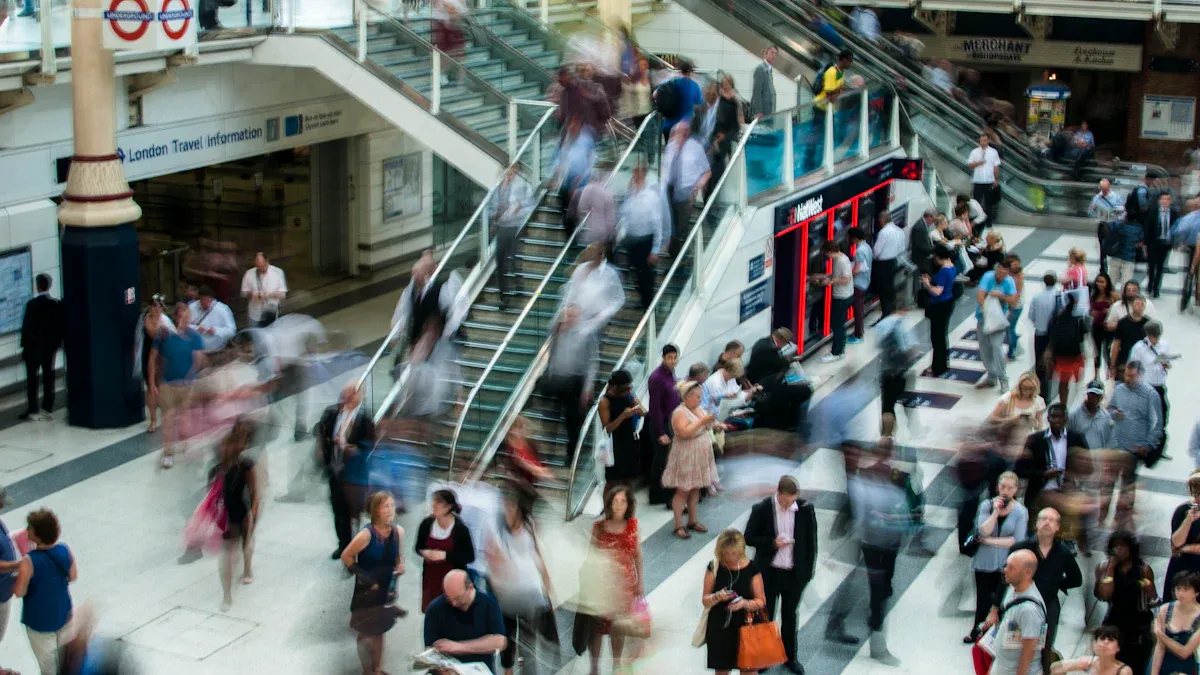
Logistics for modern retail shapes your shopping experience. When you see fast delivery, full shelves, and easy returns, logistics works behind the scenes.
Logistics performance drives about 62% of customer satisfaction.
Better logistics service means happier shoppers.
Description | Impact |
|---|---|
Smart logistics cuts costs and boosts efficiency | Stores save money and compete better |
Real-time inventory helps avoid stockouts | Shoppers get what they want, when they want |
Retailers like UPS and XPO Logistics improved turnover and customer satisfaction by adapting their logistics strategies.
Key Takeaways
Logistics drives 62% of customer satisfaction. Efficient logistics means happier shoppers.
Fast order fulfillment is crucial. Retailers use smart strategies to deliver products quickly, often within 1.8 days.
Preventing stockouts is key. Retailers use data-driven practices to keep shelves full and avoid lost sales.
Timely deliveries build trust. Reliable logistics ensure you receive your orders when promised.
Easy returns encourage repeat shopping. A smooth return process makes you more likely to shop again.
Logistics for modern retail drives speed
Faster order fulfillment
You want your order to arrive quickly after you click "buy." Logistics for modern retail makes this possible. Retailers use smart strategies to process orders faster. A major electronics distributor cut average order processing time by 40% by improving their supply chain. Leading retailers now fulfill orders in just 1.8 days on average. These results show how logistics for modern retail helps you get products sooner.
Retailers use several strategies to speed up order fulfillment. You benefit from these changes every time you shop online or in-store.
Strategy | Impact on Order Fulfillment |
|---|---|
Strategic Product Placement | Reduces travel time for pickers, enhancing efficiency. |
Efficient Picking Routes | Minimizes travel distance, speeding up the picking process. |
Zone Picking Strategies | Increases familiarity with product locations, improving accuracy. |
Accurate Inventory Tracking | Ensures real-time data, reducing errors and stockouts. |
Demand Forecasting | Proactively manages inventory, preventing delays in fulfillment. |
Cycle Counting | Maintains data integrity, ensuring accurate inventory levels. |
Tip: When you see "in stock" on a product page, logistics for modern retail is working behind the scenes to keep inventory accurate and ready for fast shipping.
Reduced delivery times
Speed matters when you wait for your package. Logistics for modern retail uses new technology and smart planning to deliver orders faster. Retailers invest in route optimization, predictive analytics, and even drone delivery to shorten delivery windows. These innovations help you get your purchases quickly and reliably.
The demand for faster last-mile delivery grows as more people shop online.
Route optimization and predictive analytics help reduce delivery times and improve resource allocation.
Drone delivery is changing how packages reach your doorstep.
You expect fast shipping. In fact, 90% of online shoppers want packages in two or three days. Many shoppers will leave their carts if delivery takes too long. Over 60% want items delivered within three hours, and 80% want same-day shipping.
Statistic | Implication |
|---|---|
You care about speed when choosing where to shop. | |
Over 50% are less likely to reorder after a poor delivery experience | Slow delivery can stop you from buying again. |
98.1% of e-commerce consumers say delivery experience affects loyalty | Delivery speed builds trust and keeps you coming back. |
84% will not return after one poor delivery | One slow delivery can lose a customer forever. |
63% switched retailers due to slow delivery | Many shoppers change stores for faster service. |
60% will not purchase again after slow delivery | Speed is key to keeping customers. |
Note: More than half of customers will abandon a purchase if shipping takes too long. You look for shorter delivery windows at checkout because you value convenience and reliability.
Retailers respond to these demands by investing in automation and technology. Warehouse robots and AI-powered software help process orders faster. Amazon, for example, uses robotics to keep up with high-speed delivery standards. The food and beverage sector also relies on fast logistics to deliver fresh products quickly and safely.
Logistics for modern retail keeps up with the fast pace of shopping today. You get your orders faster, and retailers stay competitive by meeting your expectations for speed.
Inventory management and cost control
Preventing stockouts
You want to find your favorite products every time you shop. Stockouts happen when items run out, causing you to leave empty-handed. This problem costs retailers billions each year and makes you more likely to shop somewhere else. In fact, stockouts account for about 6.5% of retail sales worldwide, which means $1.73 trillion in lost revenue. In the U.S. alone, retailers lose nearly $145 billion each year because of empty shelves. Almost half of shoppers abandon their purchase if they cannot find what they want.
Logistics for modern retail uses smart practices to keep shelves full and customers happy. Here are some of the most effective ways retailers prevent stockouts:
Logistics Practice | Description |
|---|---|
Dynamic safety stocks and reorder points | Absorb demand spikes without raising holding costs. |
Multi-node fulfillment | Shortens lead times and protects service levels. |
Data-driven replenishment | Synchronizes suppliers with store and online orders. |
Reliable delivery windows | Boosts customer satisfaction and basket size. |
Automated order processing | Reduces errors and speeds up shipping. |
Regular audits and cycle counts | Keeps inventory records accurate. |
Supplier collaboration | Ensures quick restocking during busy times. |
Leveraging technology | Automation helps meet demand and avoid stockouts. |
Tip: When you see a well-stocked shelf, you benefit from these logistics strategies working together.
Lowering operational costs
You want low prices and fast service. Retailers need to control costs to deliver both. Efficient logistics helps stores save money by reducing storage, labor, and shipping expenses. For example, automating logistics processes cuts labor costs and speeds up order handling. Optimizing inventory placement avoids extra holding costs and unplanned shipments. One retailer saved €3.5 million in a year by using these methods.
Key strategies for cost control include:
Using demand forecasting tools to predict what you will buy.
Applying Just-In-Time (JIT) inventory to keep stock levels lean and cash flow strong.
Building strong supplier relationships for better deals and reliable deliveries.
Improving last-mile delivery to cut shipping costs without lowering service quality.
When retailers use these strategies, they can offer you better prices and keep your favorite products in stock. Smart logistics for modern retail means fewer lost sales and more savings for everyone.
Customer satisfaction through logistics
Accurate, on-time deliveries
You expect your orders to arrive when promised. Reliable delivery builds trust and keeps you coming back. When retailers deliver on time, you feel valued and confident in your shopping choices. Timely deliveries show that stores care about your experience and want you to be happy.
They demonstrate commitment to customer satisfaction.
Consistent on-time deliveries contribute to customer loyalty and repeat business.
Retailers know that late or incorrect deliveries can drive you away. If an item arrives late, 14% of shoppers will stop buying from that store. One wrong delivery causes 16% of customers to leave. If a package is not delivered within two days of the promised date, 69% of shoppers are less likely to return.
Leading retailers use smart logistics strategies to keep delivery promises. Companies like RJW reach over 98% on-time and 99% in-full delivery rates. They use features like countback for inventory accuracy, multi-step quality checks, and daily reviews to make sure you get what you ordered, when you expect it. Advanced technology and efficient processes help companies like GFS Logistics coordinate every step, so your orders arrive on time.
Tip: When you receive your package on the promised day, you benefit from precise coordination across the supply chain.
Hassle-free returns
You want returns to be easy if something does not work out. A smooth return process makes you more likely to shop again. During busy seasons, retailers face many returns, which can slow down processing and increase costs. If returns take too long or feel complicated, you may get frustrated and choose another store.
Lenient return policies help, but only if the process is quick and simple. Some stores, like L.L. Bean, let you return items for up to a year, even without a receipt. This policy builds trust and keeps customers satisfied. Return fraud, such as 'wardrobing,' creates challenges for retailers and can lead to stricter policies, which may hurt honest shoppers.
A 2023 UPS study found that 73% of shoppers say their future buying decisions depend on how easy the returns process is.
"Organizations are optimizing their reverse logistics operations through several strategic approaches such as implementing a customer-centric returns policy to ensure that customers can easily understand how to return products."
Logistics for modern retail supports hassle-free returns by streamlining warehouse management and using technology to process returns quickly. When you know you can return items easily, you feel confident shopping again.
Competitive edge in retail
Adapting to market changes
You face a retail world that changes quickly. New trends, sudden disruptions, and shifting customer needs can appear at any time. Retailers who adapt fast gain a strong advantage. Agile logistics systems help you respond to these changes with speed and confidence.
Flexibility in operations lets you adjust to different demand levels. You can handle busy seasons or sudden drops without missing a beat.
Real-time data helps you make quick decisions. You see what customers want and react right away.
Team versatility means your staff can switch roles as needed. This keeps your business running smoothly, even when things change.
Supplier collaboration allows you to share information and adjust delivery plans. You keep shelves stocked and customers happy.
Ahold Delhaize shows how logistics improvements can boost market share. The company works closely with carriers and suppliers, invests in logistics coaching, and explores fixed purchasing commitments. These steps help reduce costs and improve service. By shifting to in-store order picking and using smaller vehicles for deliveries, Ahold Delhaize strengthens its e-commerce business and competes better in the US market.
Tip: When you see stores adjust quickly to new trends or restock after a rush, agile logistics make it possible.
Meeting evolving shopper demands
Shopper expectations keep rising. You want fast delivery, accurate orders, and easy returns. Retailers must transform their supply chains to meet these needs. Efficient logistics solutions are now essential for business survival.
Strategy | Description |
|---|---|
Technology Investment | Improves supply chain speed and accuracy. |
Last-Mile Delivery Optimization | Reduces costs and ensures reliable, fast delivery to your door. |
AI for Demand Forecasting | Predicts what you want, helping stores keep the right products in stock. |
Real-Time Inventory Visibility | Lets you order from anywhere and get updates on your purchase. |
Efficient Inventory Management | Matches supply with demand, so you find what you need every time. |
Retailers focus on technology to improve logistics. They use AI to forecast demand and manage inventory. Real-time inventory visibility helps you shop with confidence. Last-mile delivery optimization ensures your package arrives quickly and reliably. These strategies help retailers meet your changing needs and stay ahead in a competitive market.
Technology in logistics for modern retail
Automation and tracking
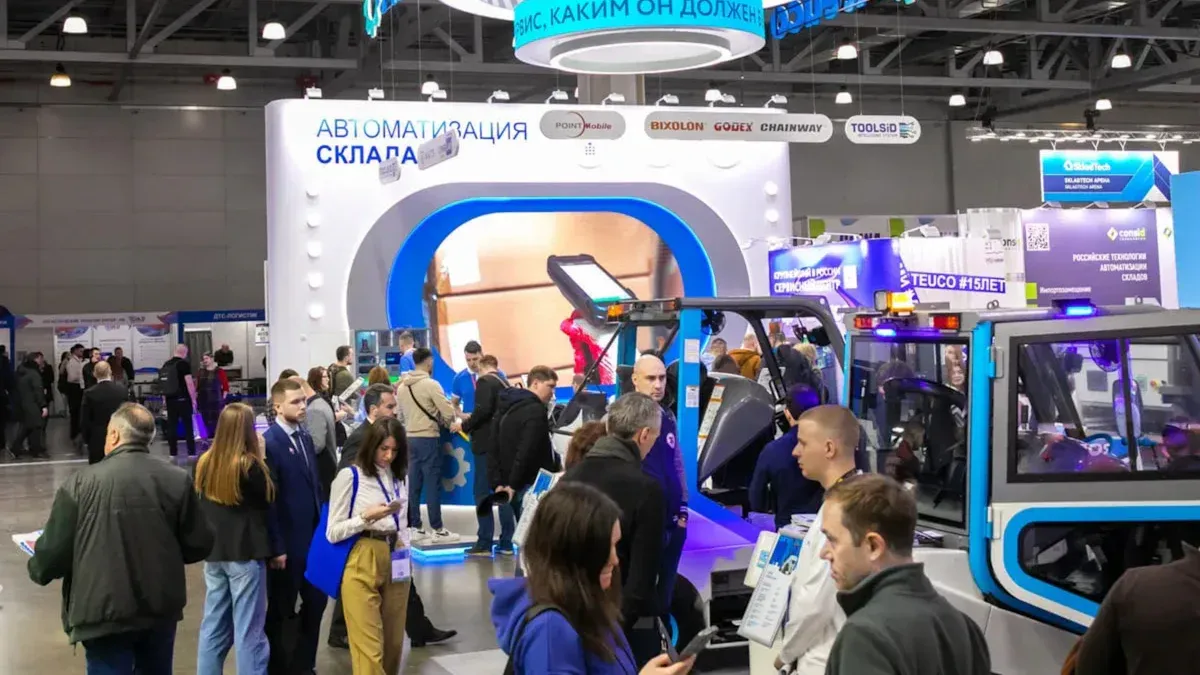
You see technology changing how retailers move products. Automation now plays a big role in logistics. Many retailers use robots and smart machines to speed up order processing. These systems help you get your orders faster and with fewer mistakes. Automation streamlines workflows, boosts data accuracy, and reduces the need for human labor. This means you receive your packages on time, even during busy seasons.
E-commerce fulfillment automation will account for about 29.6% of the retail and e-commerce segment in 2025. This number is expected to grow to 31.5% by 2035.
The global logistics automation market is growing quickly. India leads with a 16.4% growth rate, while the USA follows at 14.8%, thanks to smart fulfillment centers.
Real-time tracking gives you updates on your order. You can see where your package is at any moment. This transparency builds trust and keeps you informed.
Automation leads to faster processing and better accuracy in order fulfillment.
Warehouse automation also helps retailers meet your demand for quick delivery. You get your products faster, and stores can handle more orders without errors.
Tip: When you track your package online, you use real-time logistics technology that keeps you in the loop.
Data-driven decisions
You benefit when retailers use data to make smart choices. Data analytics helps stores predict what you want to buy and when you want it. This information lets them keep the right products in stock and avoid running out.
Retailers analyze data in real time to predict demand.
They use this analysis to optimize delivery routes and cut transportation costs.
Predictive models help manage inventory by forecasting demand shifts.
Prescriptive analytics suggest changes to routes and staffing, reducing waste.
Benefit | Description |
|---|---|
Personalized customer experiences | AI-driven recommendations give you suggestions you will like. |
Real-time pricing adjustments | Prices change quickly to match demand and keep stores competitive. |
Optimized inventory management | Stores avoid having too much or too little stock. |
Faster deliveries and lower costs come from better routing. | |
Improved employee productivity | Staff work where they are needed most, based on sales trends. |
Better in-store experience | Automated checkouts and smart POS systems make shopping easier. |
Data-driven logistics also means you get faster, more reliable deliveries. Stores can offer customized shipping options and improve your overall shopping experience.
Note: When you find what you want in stock and get it delivered quickly, you see the power of data-driven logistics in action.
You see logistics shape your shopping experience every day. Smart logistics bring you faster deliveries, stocked shelves, and easy returns. When retailers invest in logistics, they lower costs and improve your satisfaction.
Benefit | How It Helps You |
|---|---|
Faster delivery | You get products quickly |
Lower costs | Stores offer better prices |
Better information | You make informed choices |
Reliable service | You trust and return to the store |
Logistics investments reduce operating costs and free up resources for growth. When you choose where to shop, you notice the difference. Retailers who treat logistics as a strategic asset lead the market and keep you coming back.
FAQ
What is logistics in modern retail?
Logistics means moving products from suppliers to stores or customers. You see logistics when you get fast shipping, stocked shelves, and easy returns. Good logistics helps you shop with less waiting.
How does logistics affect your shopping experience?
You get your orders on time because of strong logistics. You find products in stock and enjoy easy returns. Logistics makes shopping smooth and reliable.
Why do retailers invest in logistics technology?
Retailers use technology to speed up deliveries and keep track of inventory. You benefit from faster shipping, better prices, and real-time updates on your orders.
How do logistics help prevent stockouts?
Logistics teams use data and smart planning to keep shelves full. You find what you need when you shop. This reduces lost sales and keeps you happy.
See Also
PGL Ensures Timely Movement Of Your eCommerce Inventory
Accelerate Your Orders With Premier Global Logistics Warehousing
The Impact Of Point-to-Point Logistics On Global Efficiency
PGL Connects Warehouses To Optimize Supply Chain Efficiency
Efficient Inventory Management And Distribution By Premier Global Logistics
