Exploring Growth Opportunities in India's Logistics Sector
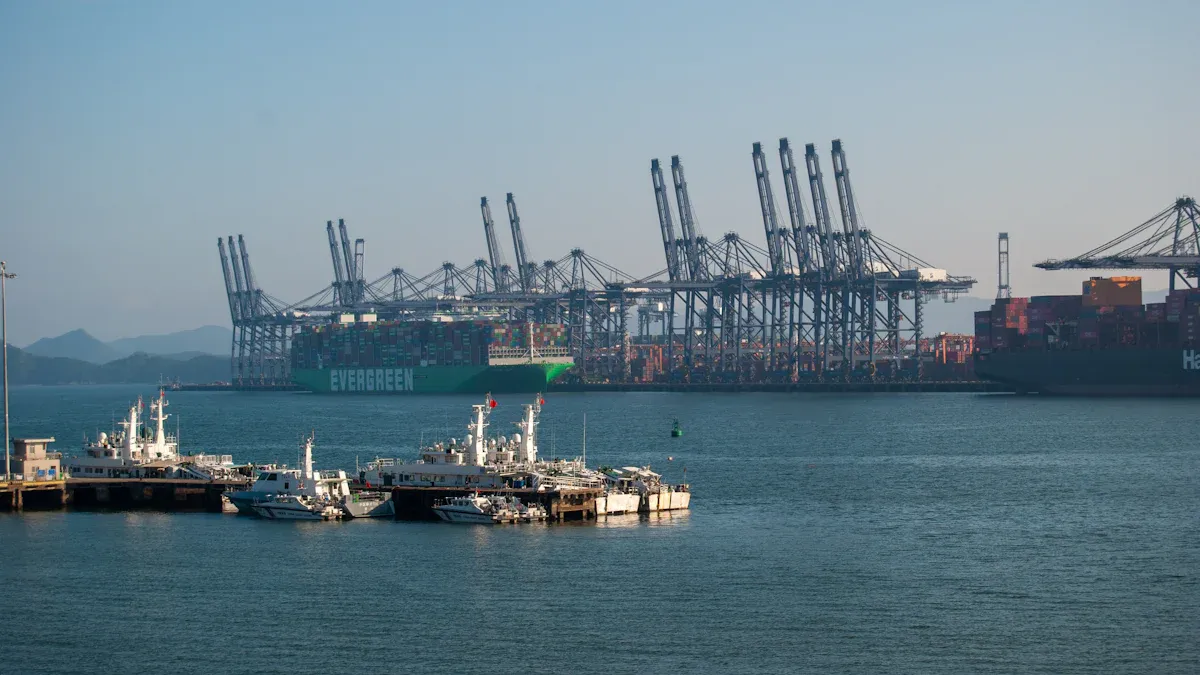
India's logistics sector stands as a powerhouse in the economy. You see a market valued at USD 24,275.8 million in 2023, with projections reaching USD 62,021.2 million by 2032. This sector grows at a strong 12.44% CAGR. Logistics drives job creation, providing work for over 22 million people and contributing up to 18.4% of India's GDP. Today, you can explore logistics growth opportunities in india across multimodal networks, green logistics, and digital transformation. Recent years have seen rapid e-commerce expansion and a swift recovery from the pandemic, opening new possibilities for innovation.
Key Takeaways
E-commerce is reshaping logistics. Companies can enhance delivery speed and efficiency by adopting real-time tracking and automation.
Modern warehousing is in high demand. Investing in automated and sustainable warehousing solutions can lead to significant cost savings and improved operations.
Cold chain logistics is rapidly expanding. Businesses should focus on temperature-controlled storage to meet the growing demand for perishable goods.
Third-party logistics (3PL) providers offer strategic advantages. Partnering with 3PL companies can help businesses access advanced infrastructure without high costs.
Sustainability is crucial for future growth. Adopting green practices can lower costs and attract environmentally conscious customers.
Logistics Growth Opportunities in India
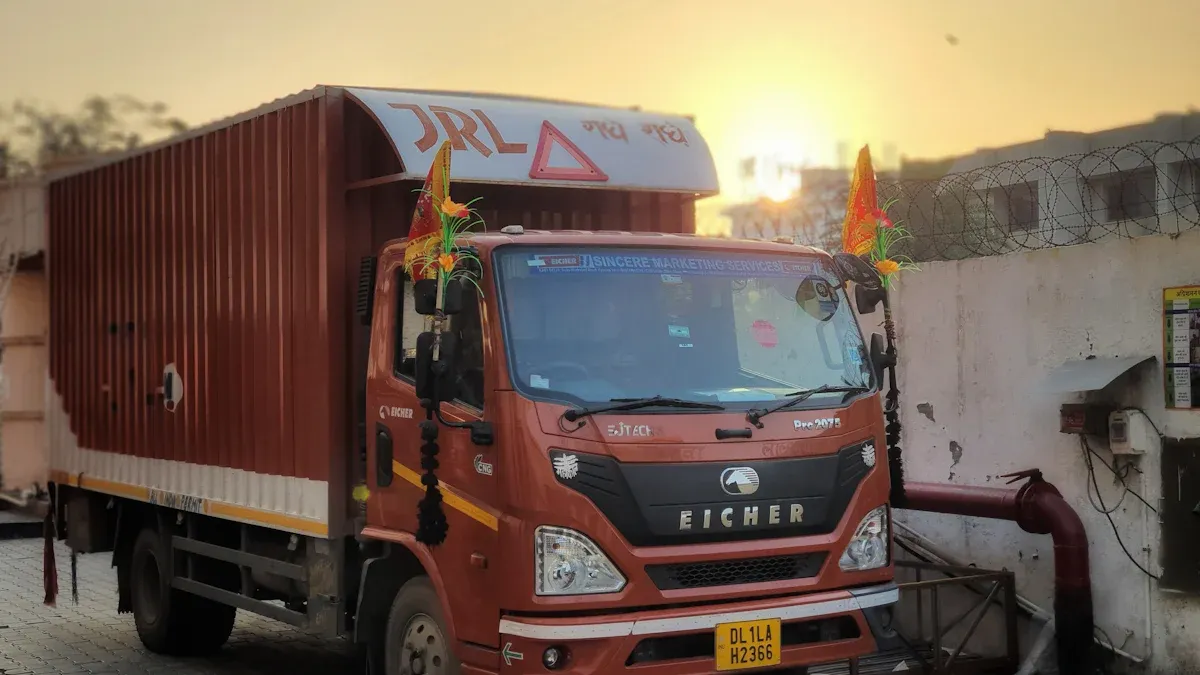
E-commerce Logistics
You see e-commerce as a major force shaping logistics growth opportunities in india. The market for e-commerce logistics is expanding quickly. Here is a table showing the projected market size and growth rate:
Year | Market Size (USD Billion) | CAGR (%) |
|---|---|---|
2024 | 3.98 | 10.10 |
2033 | 10.40 |
E-commerce platforms have changed how you experience logistics.
You can now track shipments in real time, which helps companies optimize routes and deliver packages on time.
Automation reduces manual work, cutting costs and boosting efficiency.
Standardized shipping makes it easier for logistics companies to manage operations and track performance.
Direct connections with customers improve service quality and build long-term relationships.
These changes create new logistics growth opportunities in india, especially as more people shop online and expect fast, reliable delivery.
Warehousing Trends
Warehousing is another area where you find strong logistics growth opportunities in india. Demand for modern warehousing space is rising. The table below highlights key trends:
Trend/Aspect | Details |
|---|---|
Demand for Warehousing Space | Record high demand of 4.8 million sq m in FY 2022. |
Growth Projection | Expected to reach INR 2,271 Billion by 2028, CAGR of 10.49% (2022-2028). |
Technology Integration and Automation | Surge in automation and AI to boost efficiency. |
Focus on Sustainability | More eco-friendly and energy-efficient warehouses. |
Expansion into Tier 2 and Tier 3 | Driven by rapid delivery needs and new markets. |
You notice that manufacturing leads the push for logistics automation. Companies use automated palletizers and AGVs to save time and money. Government programs like Make in India encourage more automation. Over the past three years, institutional investment in warehousing reached US $5.4 billion. In 2022 alone, 35% of this investment was made. The need for Grade-A warehousing space is projected at 223 million square feet, requiring $3.8 billion in equity investment. This creates a $2.8 billion investment opportunity soon.
Cold Chain Expansion
Cold chain logistics is growing fast and offers important logistics growth opportunities in india. The market was valued at USD 4,701 million in 2024 and is expected to reach USD 12,192.35 million by 2030, with a CAGR of 17.04% from 2025 to 2030.
Several industries drive this growth:
You see more people buying perishable foods, which need cold storage.
Organized retail is growing, increasing the need for cold chain solutions.
The pharmaceutical sector requires temperature-controlled storage for drugs and vaccines.
E-commerce adds to the demand, as customers want fresh produce delivered to their homes.
Government investments support new cold chain infrastructure.
These factors make cold chain expansion a key part of logistics growth opportunities in india.
Third-Party Logistics
Third-party logistics (3PL) providers play a big role in the logistics sector. In 2024, e-commerce made up 27% of the 3PL market share. When you partner with a 3PL company, you gain access to advanced infrastructure and specialized services. This helps you meet market demands without the high costs of building your own logistics network.
3PL companies in india are not just service providers. They act as strategic partners. Many use AI-powered logistics optimization and custom warehousing to make supply chains stronger and improve customer satisfaction. You benefit from automated inventory management and real-time tracking, which boost product safety and distribution efficiency. These innovations help businesses adapt to changing market needs and improve operational efficiency.
Green Logistics
Sustainability is now a top priority in logistics growth opportunities in india. Companies are adopting green practices to reduce their environmental impact. Here are some of the latest initiatives:
Use of biodegradable packing materials and a move away from single-use plastics.
Transition to electric vehicles and advanced route optimization to cut fuel use and emissions.
Launch of the Green Freight Corridor project to promote eco-friendly transportation.
E-mobility initiatives, including incentives for electric vehicle adoption.
Development of logistics parks with green infrastructure.
Investment in sustainable construction, such as LEED-certified buildings.
Introduction of prefabricated platforms for rapid EV charging station deployment.
The green logistics market in india has grown at a CAGR of 11.9% over the past five years. You also see more CNG vehicles replacing diesel fleets in cities. Electric three-wheelers and compact vans are common for last-mile delivery in tier-2 cities. Rail networks are improving freight movement along key industrial corridors.
These green initiatives help you lower costs, meet regulatory requirements, and appeal to environmentally conscious customers. They also open new logistics growth opportunities in india as the sector moves toward a more sustainable future.
Industry Overview
Market Size & Growth
You see India's logistics industry growing quickly after the pandemic. The market value in 2024 stands at USD 228.4 billion. By 2033, experts expect it to reach USD 428.7 billion. The sector grows at an annual rate of 6.5%. This strong growth shows how important logistics is for the country's economy.
Note: Logistics costs have dropped as a percentage of GDP. In the past, these costs were 13-14%, almost double the global average. Now, they have fallen to 7.97% for FY 2023-24, which is below the global average. This change means you can move goods more efficiently and at lower costs.
Year | Logistics Cost as % of GDP | Global Average Comparison |
|---|---|---|
Historical | 13-14% | Almost double the global average |
FY 2023-24 | 7.97% | Below the global average |
Major Players
You find many companies leading the logistics sector in India. Some of the top names include:
Aegis Logistics Ltd
Allcargo Logistics Ltd
Apollo LogiSolutions
Blue Dart Express Limited
Delhivery
DB Schenker
TCI Freight
Gati
VRL Logistics
Safexpress
Snowman Logistics
Coldman Logistics
These companies offer a wide range of services. You can choose from freight, warehousing, cold storage, and last-mile delivery. Their presence helps you access better logistics solutions and supports logistics growth opportunities in india.
Regional Differences
India's logistics landscape changes from region to region. The table below highlights key differences:
Aspect | Description |
|---|---|
Network Effects | Improved highways and multimodal links help small businesses in towns and cities. |
Technology Adoption | Cloud-based systems make logistics smoother for small and medium enterprises. |
Service Quality | Faster deliveries and better service improve your experience. |
Regional Development | New infrastructure brings growth to remote areas. |
Seasonal Variations | Logistics needs change with the seasons, affecting service quality. |
Monsoon Disruptions | Heavy rains can raise trucking prices by up to 15%. |
Regional Infrastructure | The Northeast faces big connectivity challenges. |
Festival Demand Spikes | Festivals like Diwali create huge demand surges. |
Urban vs. Rural Differences | Last-mile delivery methods must fit different environments. |
You notice that some regions have better roads and technology, while others face challenges like monsoons or poor connectivity. These differences shape how you plan and manage logistics across the country.
Growth Drivers
Policy Reforms
You benefit from major policy reforms that shape India's logistics sector. The government has increased infrastructure spending, moving from 2.1% of GDP in 2021 to a projected 3.1% in 2025. This investment could reach 5% by 2030. Programs like the National Logistics Policy and PM Gati Shakti help fix inefficiencies and make logistics smoother for you. Digitization, such as e-way bills and RFID tracking, aims to formalize up to 60% of the industry by 2035. You also see platforms like the Unified Logistics Interface Platform (ULIP) driving digital innovation. These changes make logistics faster, more reliable, and less costly.
FDI & Globalization
You notice that foreign direct investment (FDI) brings global expertise and capital to India's logistics sector. International companies like Panattoni and Blackstone invest in supply chain infrastructure, making it easier for you to access modern facilities. FDI inflows have crossed US$ 600 billion, with strong support from countries such as Singapore, the United States, and Japan. Government initiatives, including PM Gati Shakti Yojna, create a welcoming environment for these investments. Modern logistics parks now give small and medium businesses access to high-quality services, helping you scale up without heavy costs.
Technology Adoption
You see technology transforming logistics every day. Automation helps you manage inventory and track cargo, which cuts costs and speeds up deliveries. Many companies invest in logistics automation software to streamline documentation and improve accuracy. Digitalization, AI for demand forecasting, IoT sensors for fleet management, and cloud-based solutions all play a role. These tools give you real-time data and predictive insights, making your decisions smarter and your operations more efficient.
Urbanization Impact
Rapid urbanization changes how you experience logistics in cities. India's urban population may reach 600 million by 2031, which increases demand for logistics services. Major cities like Mumbai and Delhi face congestion and overloaded transport networks. About 40% of urban areas lack enough public transport, which affects delivery speed and reliability. You need better connectivity and infrastructure to keep up with growing economic activity and ensure smooth logistics operations.
Sector Challenges
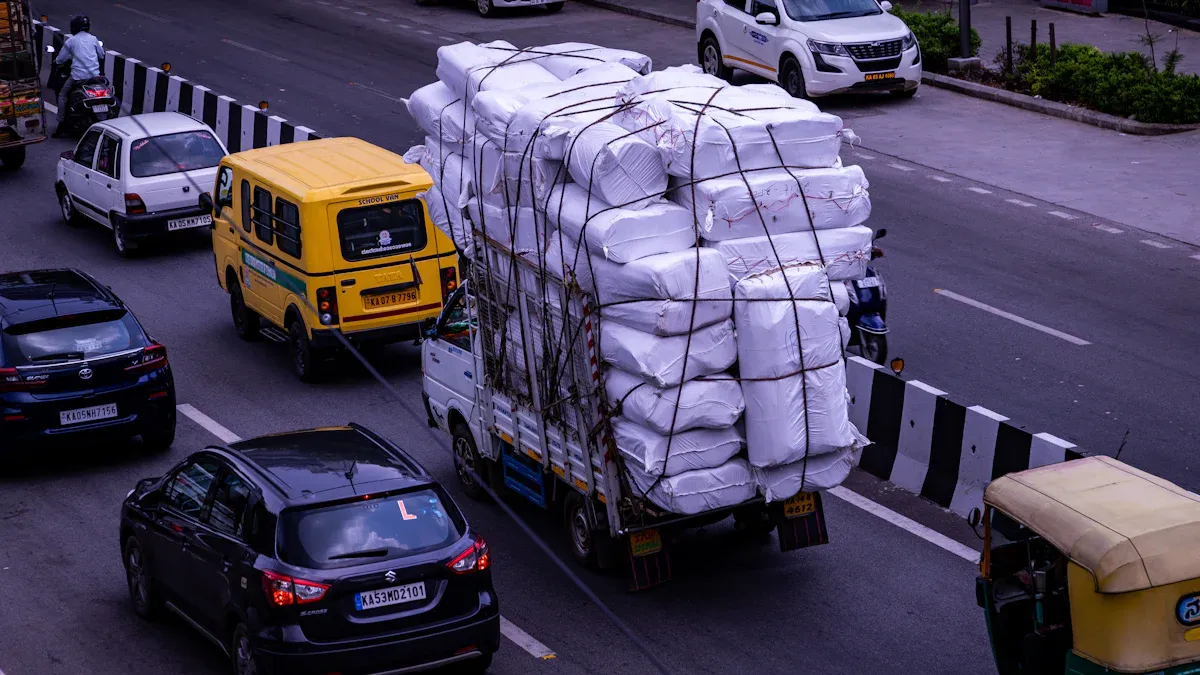
Infrastructure Gaps
You face many challenges in India's logistics sector because of outdated and inadequate infrastructure. Poor road conditions, congested urban areas, and underdeveloped transport networks often slow down your deliveries and increase costs. Warehousing facilities also lag behind modern standards, which leads to delays and operational inefficiencies.
Investing in better roads, smart distribution networks, and advanced warehousing can help you achieve smoother and more efficient logistics operations.
Poor road conditions
Congested urban areas
Underdeveloped transport networks
You can see that these gaps make it harder for you to move goods quickly and reliably across the country.
Regulatory Issues
You often deal with complex rules and slow reforms in logistics. Even after the Goods and Services Tax (GST), compliance requirements remain intricate. Bureaucratic delays and policy inconsistencies can slow down your business growth and make innovation difficult.
Type of Issue | Description |
|---|---|
Intricate compliance requirements persist despite the implementation of GST. | |
Regulatory Challenges | Bureaucratic delays and regulatory challenges continue to hinder efficiency. |
Policy Inconsistencies | Inconsistencies in policies and slow reforms impede growth and innovation. |
You need clear and consistent policies to help your logistics operations run smoothly.
Talent Shortage
You may struggle to find skilled workers in logistics. Only 4.7% of the 22 million people working in this sector have formal training. There is a high demand for skills in supply chain management, transportation planning, and advanced technologies like AI, IoT, and blockchain. Outdated educational programs and the perception that logistics is not an attractive career make it harder for you to hire the right talent.
The Logistics Sector Skill Council (LSSC) offers certification programs in warehousing and supply chain management.
Industry-academia partnerships help you access better training.
On-the-job training, mentorship, and leadership development are becoming more common.
You can benefit from these programs to build a stronger workforce.
Sustainability Concerns
You face growing pressure to make logistics more sustainable. Most medium and heavy commercial vehicles still use diesel, which increases pollution. Road transport produces 12% of India’s energy-related CO2 emissions. Electric vehicles are becoming more common for last-mile delivery, but their use in heavy-duty transport remains low at only 0.85%. You also see new trends in sustainable packaging and green warehousing, which focus on energy efficiency and waste reduction.
Heavy reliance on diesel fuel
High CO2 emissions from road transport
Low adoption of electric vehicles in heavy-duty logistics
Growth in sustainable packaging and green warehousing
You can help the environment by adopting cleaner vehicles and greener practices in your logistics operations.
Overcoming Barriers
Tech Solutions
You can overcome many logistics barriers in India by using advanced technology. When you invest in tools like IoT, AI, and blockchain, you improve how you manage your supply chain. These technologies give you better visibility and help you make faster decisions. Real-time tracking systems let you see where your goods are at any moment. Automated warehouses speed up your operations and reduce mistakes. As you use these solutions, you cut transportation costs and deliver products on time. This transformation helps you stay ahead in a fast-changing market.
Partnerships
Building strong partnerships is key to solving logistics challenges.
A reliable logistics partner brings you expertise, scale, and the latest technology.
Small eCommerce vendors benefit when they outsource logistics to established providers who know both local and global markets.
When you work with proven logistics partners, you gain access to better infrastructure.
Partnering with government initiatives, like the National Logistics Policy, gives you the advantage of new reforms.
These partnerships help you reach more customers and improve your service quality.
Workforce Development
You need a skilled workforce to keep your logistics operations running smoothly.
Attract and retain talented workers to close the skills gap.
Offer formal training programs for different job levels in logistics.
Enhance skilling initiatives to match workers with the right jobs.
Invest in upskilling your current team so they can use new technologies.
Create awareness about logistics careers and the skills needed for success.
When you focus on workforce development, you build a team that can adapt to new challenges.
Policy Recommendations
You can support logistics growth by following smart policy recommendations.
The National Logistics Policy of 2022 addresses challenges across the sector.
PM GatiShakti links different parts of infrastructure for better integration.
Digital platforms like the Unified Logistics Interface Platform (ULIP) make operations smoother.
Focus on building integrated logistics ecosystems with strong infrastructure.
Adopt new technologies to avoid inefficiencies.
Develop human capital to create logistics experts.
Reduce market fragmentation by encouraging consolidation.
Make sustainability a core part of logistics planning.
By following these steps, you help create a stronger and more efficient logistics sector in India.
Future Outlook & Actionable Opportunities
Emerging Trends
You will see many new trends shaping the future of logistics in India. Digital transformation continues to change how you manage supply chains. More companies use artificial intelligence and data analytics to predict demand and track shipments. Electric vehicles and green energy solutions are becoming popular for deliveries. You also notice a rise in smart warehouses that use robots and automation. These trends help you save time, reduce costs, and protect the environment.
Strategic Actions
You can take several steps to make the most of logistics growth opportunities in india. First, invest in technology like real-time tracking and automated sorting systems. These tools help you deliver goods faster and with fewer mistakes. Next, focus on building strong partnerships with other companies and government programs. This gives you access to better infrastructure and new markets. You should also train your team to use new tools and follow best practices. When you support sustainability, you attract more customers who care about the environment.
Tip: Stay updated with government policies and industry standards. This helps you avoid delays and keeps your business competitive.
Long-Term Projections
By 2030, you can expect India’s logistics sector to grow much larger. Experts predict the market could reach $800 billion. Some estimates are lower, between $360 billion and $428 billion, but the growth remains strong. The sector may create over 10 million new jobs by 2030. This means you will see more opportunities for work and business. If you act now, you can become a leader in this fast-growing industry.
Projected market size by 2030: up to $800 billion
Conservative estimates: $360 billion to $428 billion
Expected job creation: over 10 million new jobs
You play a key role in shaping the future of logistics in India. By embracing new trends and taking smart actions, you help the sector reach its full potential.
You have seen strong growth in e-commerce, warehousing, cold chain, and green logistics in India. To keep this momentum, you must solve key challenges like infrastructure gaps and skill shortages.
Invest in new technology
Build strong partnerships
Support workforce training
Policymakers should focus on clear rules and better infrastructure. If you act now, you can help India’s logistics sector become a global leader.
FAQ
What are the main growth drivers for India's logistics sector?
You see technology, policy reforms, and foreign investment as key growth drivers. Government programs like PM Gati Shakti and the National Logistics Policy help you access better infrastructure and digital tools.
Tip: Stay updated on new policies to benefit from these changes.
How does e-commerce impact logistics in India?
E-commerce increases demand for fast and reliable delivery. You benefit from real-time tracking, automated warehouses, and improved last-mile services. These changes help you get products quickly and safely.
What challenges do you face in Indian logistics?
You face issues like poor infrastructure, complex regulations, and a shortage of skilled workers. These problems can slow down deliveries and raise costs.
Poor roads
Regulatory delays
Talent gaps
How can you make logistics more sustainable?
You can use electric vehicles, eco-friendly packaging, and energy-efficient warehouses. These steps help you lower emissions and meet customer expectations for green practices.
Note: Green logistics also reduces long-term costs.
See Also
Enhancing Global Operations Through Innovative Logistics Strategies
Optimizing Import Warehousing and Delivery on the East Coast
Key Strategies for Effective Management of Global Logistics
Exploring Future Trends in LCL Shipping to Panama
Strategic Warehousing Solutions in Miami and Los Angeles for Supply Chain Efficiency
