The Complete Guide to Drayage Brokers: How They Optimize Container Transport in the US Supply Chain
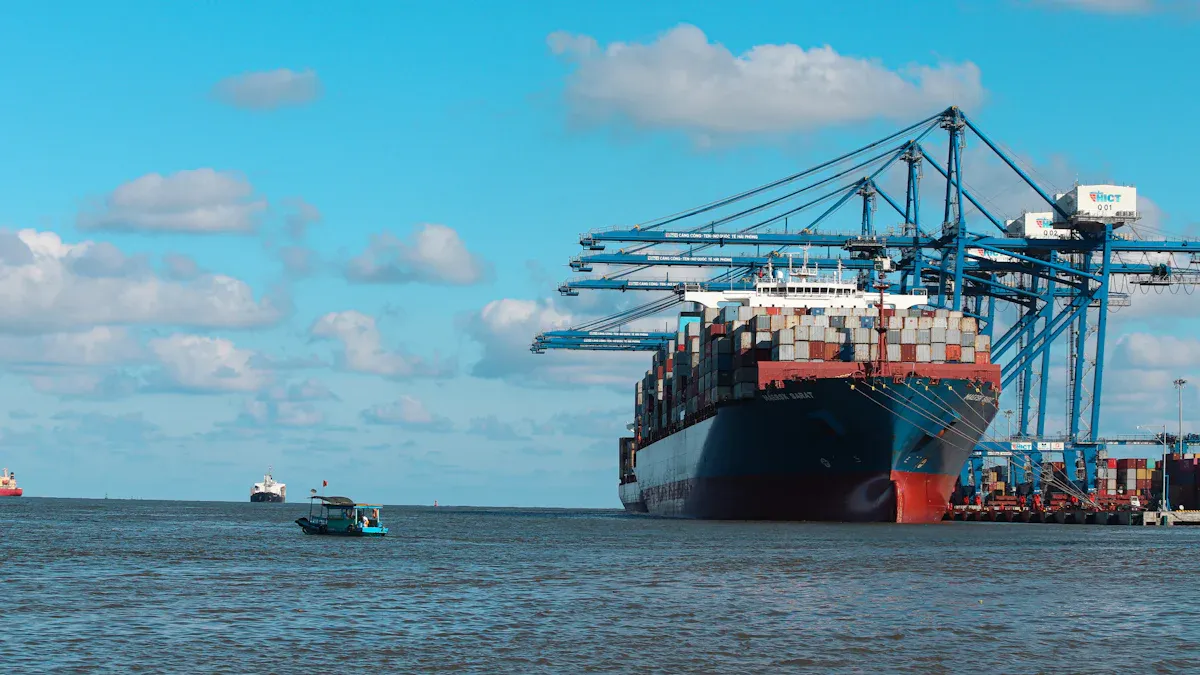
Drayage brokers help businesses coordinate the movement of shipping containers across the first and last stages of transportation. In the United States, where ocean ports, rail networks, distribution centers, warehouses, and major inland markets are connected through extensive transportation infrastructure, efficient drayage is essential.
A drayage broker acts as an intermediary between businesses that need container transportation and transportation providers that have trucks and equipment available.
The role can involve much more than finding a truck. Effective drayage brokerage requires understanding terminal procedures, scheduling, equipment, warehouse operations, transportation costs, and the broader supply chain.
What Does a Drayage Broker Do?
A drayage broker arranges short-distance container transportation.
Typical responsibilities may include:
· Finding transportation capacity
· Obtaining rates
· Coordinating pickup
· Managing appointments
· Arranging chassis
· Coordinating delivery
· Tracking shipments
· Managing empty returns
· Communicating delays
The exact services vary between brokers.
Why Drayage Is Important in the US Supply Chain
The United States has major coastal ports and extensive inland transportation networks.
Imported containers often need to move from coastal terminals to inland warehouses or distribution centers.
Export containers move in the opposite direction.
Rail transportation adds another layer.
Drayage connects these transportation systems.
How Brokers Optimize Container Transportation
Matching Capacity With Demand
A broker can match shipment requirements with available transportation capacity.
This can help businesses avoid spending excessive time searching for individual trucking providers.
Coordinating Equipment
Containers and chassis must be available at the appropriate locations.
Brokers can help coordinate equipment requirements with transportation providers.
Managing Appointments
Terminal appointments are an important part of many drayage operations.
Brokers can coordinate appointment schedules with pickup requirements.
Coordinating Warehouses
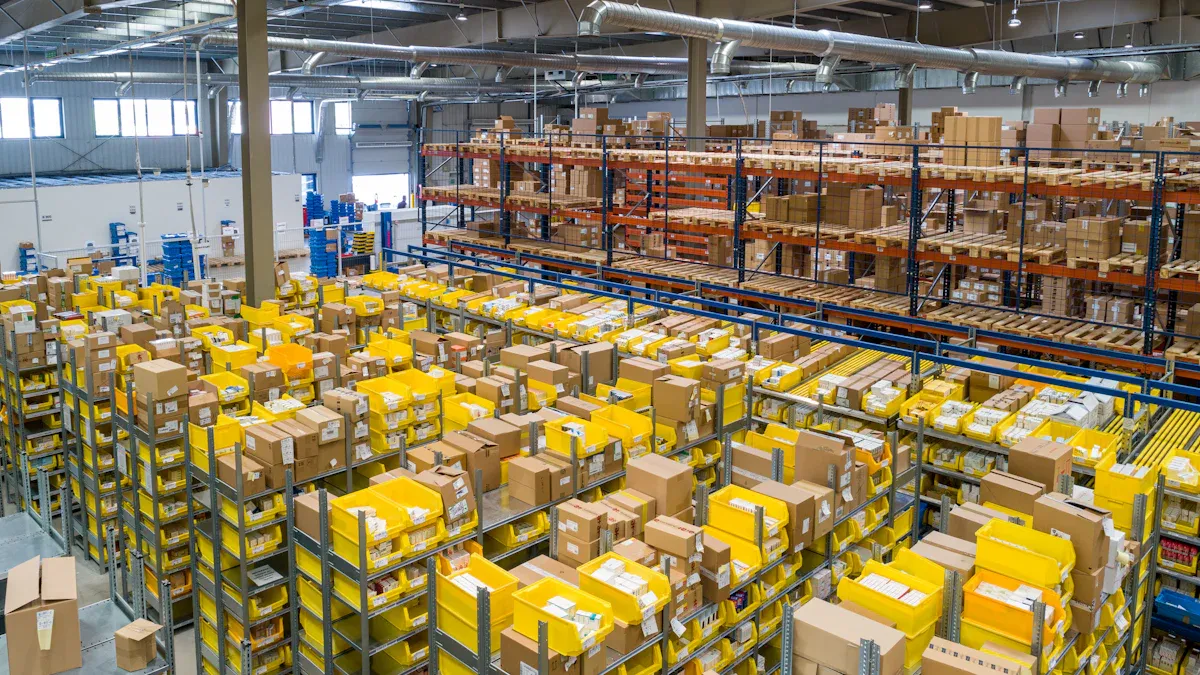
Delivery appointments should be aligned with warehouse receiving capacity.
Monitoring Deadlines
Container free-time deadlines should be tracked to reduce unnecessary charges.
Port-to-Warehouse Transportation
One of the most common drayage movements is port to warehouse.
The container leaves the marine terminal and moves to an inland facility.
The process may involve terminal pickup, highway transportation, warehouse delivery, unloading, and empty return.
Each stage requires coordination.

Rail-to-Warehouse Transportation
Rail terminals are another important source of drayage demand.
A container may travel a long distance by rail before requiring a truck to complete the local movement.
A broker can coordinate this final inland connection.
Drayage and Transloading
Transloading can change how imported cargo moves through the domestic supply chain.
Instead of keeping cargo inside the international container, a facility may unload the container and transfer cargo into domestic trailers.
Drayage connects the port with the transloading facility.
Managing Transportation Cost
Drayage costs can involve more than the basic mileage.
Businesses should consider:
· Fuel
· Chassis
· Waiting
· Additional stops
· Terminal-related expenses
· Storage
· Detention
· Demurrage
A broker can help businesses understand the potential total cost.
Importance of Communication
Communication is one of the most important elements of brokerage.
A schedule can change quickly.
A container may become available later than expected.
A warehouse may change an appointment.
A terminal may experience congestion.
The broker must communicate changes between the relevant parties.
Technology and Drayage Brokerage
Technology can improve brokerage operations.
Transportation systems can organize shipment information.
Tracking platforms can provide status updates.
Electronic documents can reduce administrative work.
Analytics can help identify recurring transportation problems.
Selecting a Drayage Broker
Businesses should evaluate:
· Geographic coverage
· Port experience
· Transportation network
· Equipment availability
· Technology
· Communication
· Pricing transparency
· Exception management
A broker’s ability to solve problems can be just as important as its ability to provide a competitive rate.
Building a Long-Term Relationship
For businesses with recurring container shipments, a long-term relationship can provide operational advantages.
A broker that understands a shipper’s routes, warehouse schedules, cargo profiles, and seasonal patterns can potentially plan more effectively.
The relationship becomes more valuable when both sides use shipment data to identify improvements.
Final Thoughts
Drayage brokers help optimize container transportation by coordinating the local movements that connect ports, rail terminals, warehouses, distribution centers, and transloading facilities.
Their value comes from combining transportation capacity with scheduling, equipment coordination, communication, and operational knowledge.
For businesses moving containers in the US supply chain, an effective drayage broker can simplify transportation management and help reduce avoidable delays and costs.
See Also
Enhancing Global Operations Through Innovative Logistics Strategies
Key Strategies for Effective Management of Global Logistics
Simplifying Supply Chain Optimization With U.S. Logistics Solutions
Boosting Global Efficiency With Point-to-Point Logistics Systems
Top Global Logistics Solutions for East Coast Import Efficiency

