What Are the Main Roles and Responsibilities of Customs Brokers

You rely on customs brokers to help move goods across borders legally and efficiently. A customs broker is a licensed intermediary who guides you through complex import and export processes. These professionals handle 95% of import declarations and manage 92% of global trade value. You benefit from their expertise because they prepare documents, classify products, ensure compliance, act as intermediaries, and handle duties and taxes. Understanding the roles of customs brokers helps you avoid costly mistakes and keeps your business running smoothly.
Key Takeaways
Customs brokers are licensed professionals who help you navigate import and export laws, ensuring your shipments comply with regulations.
Using a customs broker saves you time and reduces the risk of costly mistakes by managing all necessary paperwork and communication with customs officials.
Brokers classify your products accurately, which helps you avoid overpaying duties and ensures compliance with customs requirements.
Customs brokers keep your records organized and stored for at least five years, protecting you during audits and ensuring compliance.
Working with a customs broker can lead to significant cost savings, as they help you find the best duty rates and manage refunds effectively.
Definition of Customs Broker
Licensed Intermediary
You work with customs brokers because they act as licensed intermediaries between you and government agencies. These professionals help you follow import and export laws. In the United States, customs brokers must meet strict requirements before they can help you. Here is what they need to do:
Customs brokers must be licensed by U.S. Customs and Border Protection (CBP).
You need to know that brokers must understand entry procedures, admissibility rules, product classification, valuation, and duty rates.
Brokers must be U.S. citizens, at least 21 years old, not employed by the federal government, and have good moral character.
To become a broker, a person must pass the Customs Broker License Examination, submit a license application, and get approval from CBP.
You see similar licensing standards in other major trading countries. Customs brokers must prove their knowledge and reliability before they can represent you.
If you want to become a customs broker, you can choose from several training and certification programs. The table below shows one popular course:
Course Name | Description | Duration | Pass Rate | Link |
|---|---|---|---|---|
Self-paced online course with interactive features and guaranteed pass rate | 24/7 access | 90% |
You can also earn certifications like Certified Customs Specialist (CCS), Master Customs Specialist (MCS), or Certified Export Specialist (CES). These programs help you learn about import and export regulations.
Who Needs a Broker
You need a customs broker if you import or export goods and want to avoid mistakes. Brokers help you with paperwork, product classification, and duty calculations. You benefit from their knowledge of customs laws and procedures. Many businesses rely on brokers to manage shipments and keep up with changing regulations.
If you ship large volumes, handle complex products, or trade in multiple countries, you need a broker even more. Brokers make sure you follow the rules and avoid delays. You see the roles of customs brokers in action when they guide you through customs clearance and help you save time and money.
Roles of Customs Brokers
Customs Clearance
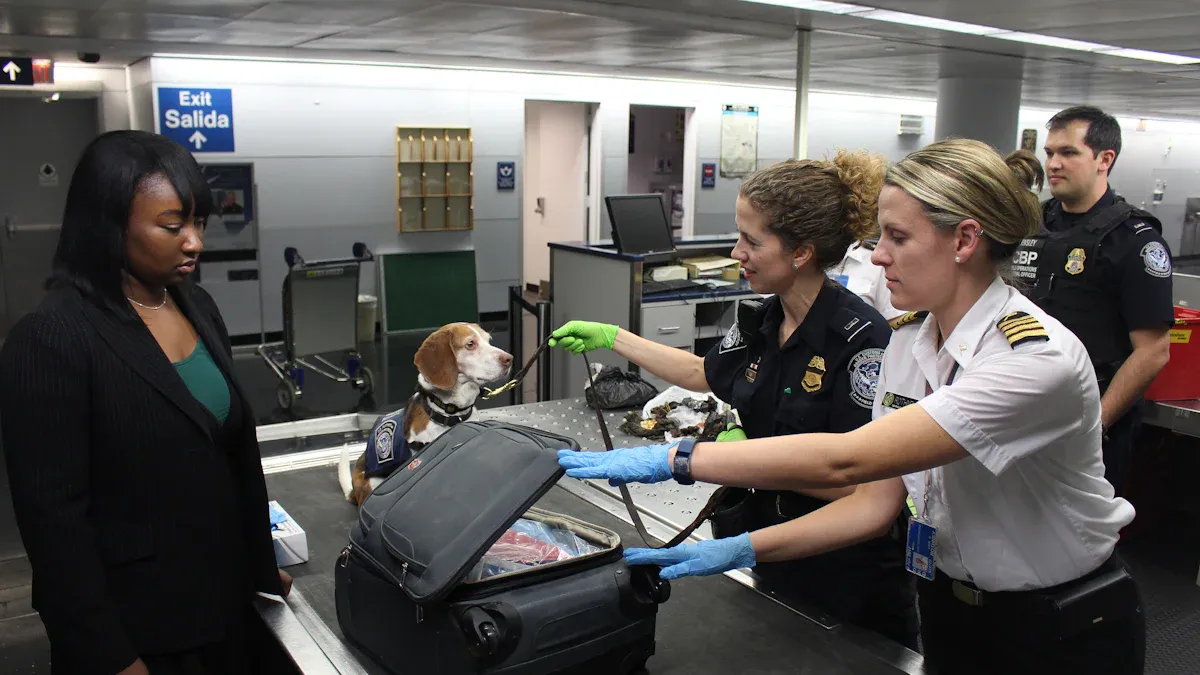
You depend on customs brokers to guide your shipments through customs. They help you collect and submit all the documents needed for your goods to enter or leave a country. You see them prepare customs declarations and pay duties and taxes on your behalf. If customs officials want to inspect your goods, brokers help you respond quickly. For example, when you import electronics, your broker checks every document and submits them to customs. This process helps you avoid delays and keeps your business moving.
Steps in Customs Clearance:
Collect and check all required documents.
Submit customs declarations with detailed cargo information.
Pay duties and taxes before customs releases your shipment.
Assist during physical inspections if customs requests them.
Tip: You save time and avoid mistakes when you let a customs broker handle customs clearance.
Documentation Management
You rely on customs brokers to manage your paperwork. They prepare and organize documents like commercial invoices, bills of lading, certificates of origin, and import/export permits. These documents prove your goods are legal and help you avoid penalties. If you ship clothing from Asia, your broker gathers all the necessary paperwork and submits it to customs. This step ensures your shipment moves smoothly.
Document Type | Description |
|---|---|
Commercial Invoices | Details the transaction between buyer and seller. |
Bills of Lading | Acknowledges receipt of cargo for shipment. |
Certificates of Origin | Verifies the country of origin for tariff purposes. |
Import/Export Permits | Authorizes the import or export of specific goods. |
Customs Declarations | Details the nature and value of goods for customs authorities. |
You avoid errors and delays when your broker manages your documentation.
Product Classification
You need customs brokers to classify your products correctly. They use the Harmonized System (HS) to assign codes to your goods. These codes decide how much duty you pay and if your goods need special permits. Brokers use manual reviews, rule-based automation, and even artificial intelligence to make sure your products get the right codes. If you import shoes, your broker checks the product details and assigns the correct HS code. This step helps you avoid paying too much duty or facing penalties.
Method | Description |
|---|---|
Manual Review | Analyze product specs and apply General Rules of Interpretation. |
Rule-based Automation Systems | Assign codes based on keywords or attributes. |
AI/ML Classification Platforms | Use natural language processing to suggest accurate HS codes. |
Note: Accurate classification protects you from disputes with customs authorities.
Duty and Tax Calculation
You trust customs brokers to calculate duties and taxes for your shipments. They figure out the duty rate based on your product’s HS code and destination country. Brokers add up the value of your goods, freight costs, insurance, and other charges, then multiply by the duty rate. They also calculate sales tax or VAT if required. For example, if you import furniture, your broker checks if the shipment is under the De Minimis value. If not, they calculate the correct duty and tax so you pay the right amount.
How Brokers Calculate Duties and Taxes:
Determine the duty rate for your goods.
Add up the value, freight, insurance, and extra costs.
Multiply by the duty rate to get the total duty.
Calculate VAT by adding all costs and multiplying by the VAT rate.
You avoid overpaying and stay compliant when your broker handles these calculations.
Compliance Assurance
You count on customs brokers to keep your shipments legal. They know customs regulations and help you follow every rule. Brokers manage your documents, classify your products, and check for risks before you ship. If you import chemicals, your broker checks safety standards and makes sure you meet every requirement. They keep records for at least five years and help you during audits. This role protects you from fines, legal trouble, and reputational damage.
Role of Customs Brokers | Description |
|---|---|
Expert Knowledge | Provide specialized knowledge of customs regulations. |
Documentation Management | Manage documents to meet regulatory requirements. |
Tariff Classification | Ensure accurate classification to avoid penalties. |
Risk Mitigation | Identify compliance risks and help you avoid legal issues. |
Alert: Mistakes in compliance can lead to fines, seizure of goods, or even criminal charges.
Client Communication
You need customs brokers to keep you informed. They act as your main contact for shipment updates and regulatory changes. Brokers schedule regular calls or meetings to discuss new rules and shipment status. If customs changes a tariff, your broker tells you right away and helps you adjust your plans. They create internal guides for your team and make sure everyone knows the latest policies.
Best Practice | Description |
|---|---|
Communicate Effectively | Designate a single contact and schedule regular updates. |
Improve Internal Communication | Create playbooks and share updated documents. |
Stay Ahead of Regulatory Changes | Track new tariffs and adjust compliance procedures quickly. |
You avoid surprises and stay ahead of changes when your broker communicates clearly.
Record Keeping
You depend on customs brokers to keep your records safe and organized. Brokers store all customs documents for at least five years, as required by law. They prepare entry records and can produce them if customs asks. If you claim a drawback or need a packing list, brokers follow special rules for those records. Good record keeping helps you during audits and protects you from penalties.
Requirement | Description |
|---|---|
Recordkeeping | Maintain records as per customs regulations. |
Entry Records | Prepare and transmit records to customs when needed. |
Retention Period | Keep records for five years from entry or activity date. |
Exceptions | Some records have different retention periods. |
Tip: Organized records help you prove compliance and avoid fines during audits.
You see the roles of customs brokers in every step of your import and export process. They help you clear customs, manage documents, classify products, calculate duties, ensure compliance, communicate updates, and keep records. You avoid costly mistakes and keep your business running smoothly when you work with a skilled customs broker.
Broker Benefits

Streamlined Processes
You save time and avoid confusion when you let a customs broker handle your shipments. Brokers know the rules and manage all the paperwork for you. They prepare and submit documents like import declarations and invoices. You do not need to worry about missing forms or making mistakes. Brokers talk with customs officials and answer questions quickly. This keeps your goods moving and helps you avoid delays at the border.
Brokers organize and check all documents for accuracy.
They communicate with customs to solve problems fast.
You get updates on your shipment status without extra effort.
Tip: When you use a customs broker, your shipments often clear customs in less than 24 hours if your documents are correct.
Risk Reduction
You lower your risk of fines and shipment delays by working with a customs broker. Brokers understand changing trade laws and keep your business compliant. They review your paperwork and make sure everything matches customs requirements. If customs wants to inspect your goods, brokers help you respond the right way. They also keep records in case of audits.
Benefit | How Brokers Help You |
|---|---|
Avoid Delays | Brokers prevent clearance issues and keep goods moving. |
Reduce Penalties | They check documents to avoid costly mistakes. |
Stay Compliant | Brokers follow new rules and help you meet requirements. |
Note: You remain responsible for your shipments, but brokers make it easier to follow the law.
Cost and Time Savings
You save money and time when you use a customs broker. Brokers know how to classify your goods and find the best duty rates. They help you avoid paying extra taxes or fees. Many businesses see big savings by letting brokers handle refunds and duty drawbacks. For example, some companies have recovered millions of dollars with expert help. Brokers also help you avoid costs from delays or errors.
Brokers find ways to lower your shipping costs.
They help you get refunds when you pay too much duty.
You spend less time on paperwork and more time growing your business.
Callout: Businesses that use customs brokers often see a 25% reduction in brokerage fees and faster customs clearance.
You see these benefits in every step of your import and export process. Brokers make your work easier, safer, and more cost-effective.
You gain many advantages when you work with a customs broker. These experts guide you through every step of the import and export process.
Customs brokers help you avoid delays, reduce costs, and keep your business compliant.
Benefit | Description |
|---|---|
Brokers keep you updated on trade laws and prevent costly mistakes. | |
Efficient Documentation | They handle paperwork, so you avoid errors and customs delays. |
Risk Management | Brokers help you spot and manage risks in global trade. |
Customs brokers coordinate with shipping lines and government agencies.
They help you focus on your business while they manage customs procedures.
You can improve your supply chain and stay competitive by trusting the roles of customs brokers.
FAQ
What documents do you need to provide to your customs broker?
You need to give your broker commercial invoices, bills of lading, packing lists, and certificates of origin. Your broker may also ask for import permits or product details. These documents help your broker clear your goods through customs.
How do customs brokers help you avoid shipment delays?
Your broker checks your paperwork for errors and submits documents on time. Brokers talk to customs officials and solve problems quickly. You get updates about your shipment status so you can plan ahead.
Can you use a customs broker for exports as well as imports?
Yes, you can use a customs broker for both exports and imports. Brokers help you follow export laws, prepare documents, and classify products. You avoid mistakes and keep your shipments moving.
How much does it cost to hire a customs broker?
Broker fees depend on your shipment size, type, and destination. You may pay a flat fee or a percentage of your shipment value. Ask your broker for a price list before you ship.
See Also
Key Steps for LCL Shipping in Panama with Premier Global Logistics
Navigating the LCL Export Process in Panama Effectively
Simplifying Cross-Border Freight Solutions on the West Coast
Comprehensive Overview of East Coast B2B Warehousing Solutions
Crucial Strategies for Effective Management of Global Logistics
