NMFC Freight Classification Explained: How NMFC Codes Determine LTL Shipping Rates
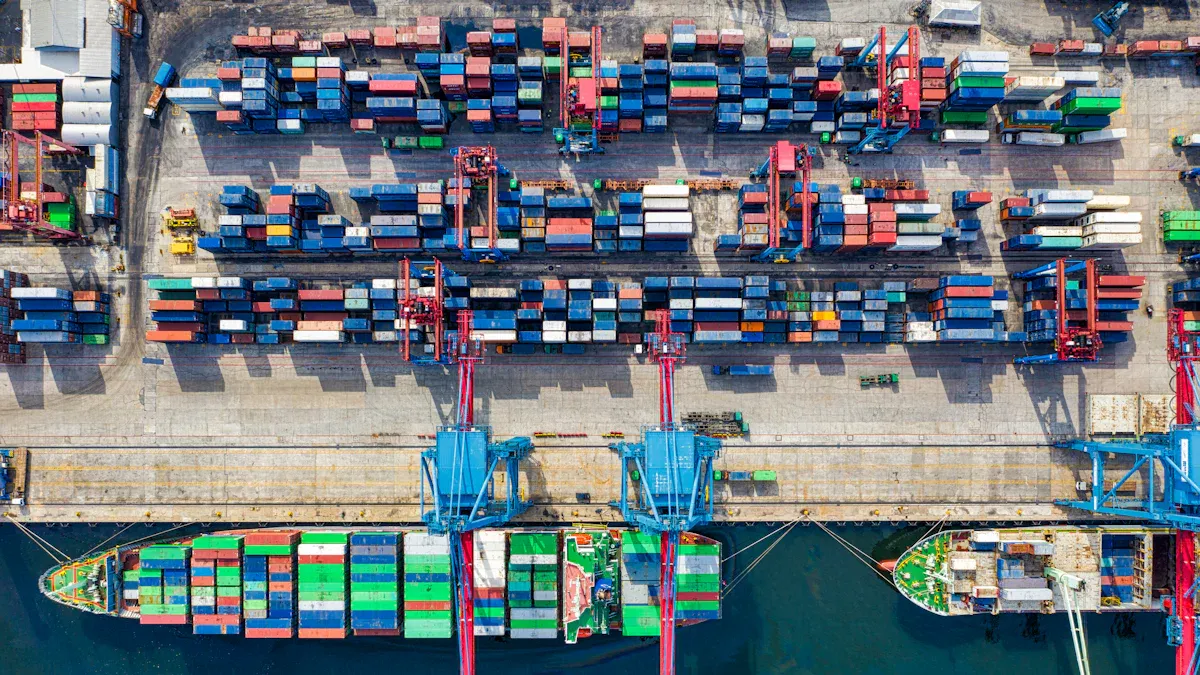
NMFC freight classification explained helps you learn how nmfc codes and freight class decide your shipping price for less-than-truckload shipments. If you make a mistake when giving details for your ltl shipping, you might get extra charges and delays. Many businesses pay more money and fees when they do not give the right weight, size, or packaging. Correct nmfc helps keep your ltl freight costs steady and helps your shipments move without problems.
Key Takeaways
Learn about NMFC codes to stop extra fees and slow shipping. - Always check the size and weight of your freight to get the right class. - Use NMFC lookup tools to find the right codes and follow the rules. - Keep up with NMFC changes to get fair prices and avoid fines. - Ask experts for help with NMFC codes if you are not sure. This can help save money and make shipping easier.
NMFC Freight Classification Explained
What Is NMFC?
Before you ship LTL, you should know about NMFC freight classification. The National Motor Freight Classification is a standard used in North America. It helps sort products for shipping in different businesses. This includes shipping between states and to other countries. Each product gets its own code and a freight class. These codes help you and carriers know what you are shipping. They also help set the right price. Using the right code makes shipping easier and faster. It also stops confusion and keeps your shipping on track.
Who Maintains the NMFC System?
The National Motor Freight Traffic Association, or NMFTA, takes care of the NMFC system. They update the codes and classes two times every year. This happens in April and October. You can see the update schedule in the table below:
Organization | Update Frequency |
|---|---|
NMFTA |
You should always look for the newest updates before you ship. Old codes can cause mistakes and cost you more money.
Why NMFC Matters for LTL Shipping
NMFC is important when you ship LTL freight. It helps set fair prices for carriers and shippers. Using the right codes helps carriers move your freight safely. It also makes shipping faster and easier. Here are some reasons why NMFC is important:
NMFC classification sets fair prices for shipping.
The right freight class helps stop delays and keeps your cargo safe.
Codes show things like density, handling, stowability, and liability. These things change the price.
Freight class codes affect your main shipping price and total shipping cost.
Following NMFC rules is not just smart. Sometimes, it is the law.
Wrong NMFC codes do more than change your price. They can cancel your shipping contract and make insurance claims invalid. If you use the wrong class, your claim can be denied. This can happen even if the damage is not from the class mistake. Some agencies may fine you or stop you from shipping if you do not follow the rules.
You should always use the right NMFC codes and freight class. This helps you avoid fines, delays, and problems with your shipment. It also keeps your LTL shipping easy and saves you money.
NMFC Codes & Freight Class Basics
NMFC Codes Defined
When you ship freight, you must use the right nmfc codes. These codes are numbers that tell what you are shipping. Each code goes with a certain product or type of freight. The nmfc system helps you and carriers know what is in your shipment. You can find nmfc codes for almost anything, like bricks or electronics. Using the right codes keeps your ltl shipments correct and helps you avoid extra charges.
Here is a table with common nmfc codes, their freight class, and examples:
Class | Description | Examples |
|---|---|---|
50 | Dense, durable items with minimal handling needs | Bricks, cement, steel rods |
60 | Moderate density, compact items | Car parts, machine parts |
70 | Easily handled, moderate weight | Unassembled furniture, canned foods |
92.5 | Valuable, heavier goods needing extra care | Refrigerators, tool chests |
125 | Lightweight, easy to damage | Small household appliances |
175 | Lightweight and valuable, often fragile | Upholstered chairs, stuffed furniture |
500 | High-value, low-density, easily damaged | Sculptures, high-end electronics |
Freight Class Overview
Freight class is a number that shows how simple or hard it is to ship your freight. The nmfc gives each product a freight class using some rules. These rules look at:
Density: How much your freight weighs compared to its size.
Liability: The risk of damage or theft.
Stowability: How well your freight fits with other items.
Maneuverability: How easy it is to move your freight.
Freight class codes go from 50 to 500. Lower numbers mean your freight is heavy and easy to handle. Higher numbers mean your freight is light, big, or breaks easily.
How NMFC Codes Relate to Freight Class
Each nmfc code matches a freight class. When you use the right nmfc codes, you make sure your freight class is right. This is important because the freight class sets your shipping price. If you use the wrong codes, you might pay more or have delays. The nmfc freight classification explained here helps you stop these problems.
Tip: Always check your nmfc codes and freight class before you ship. This helps you avoid extra fees and keeps your shipments moving without trouble.
When you know how nmfc codes and freight class work together, you can ship with confidence and control your costs.
Key Factors in NMFC Classification
Density & How to Calculate Freight Class
You need to understand density for ltl shipments because it is the most important factor in nmfc freight classification explained. Density means how much your freight weighs compared to its size. Higher density usually means a lower freight class, which can save you money. Lower density leads to a higher freight class and higher shipping costs.
To find the right freight class, follow these steps:
Measure the length, width, and height of your freight in inches.
Multiply these numbers to get the total cubic inches.
Divide by 1,728 to convert to cubic feet.
Divide the total weight (in pounds) by the cubic feet. This gives you the density.
Example: If your shipment weighs 500 lbs and measures 48" x 40" x 36", you get 69,120 cubic inches. Divide by 1,728 to get 40 cubic feet. Then, 500 ÷ 40 = 12.5 lbs per cubic foot. This matches Class 85 on the freight class by density chart.
Stowability, Handling, and Liability
NMFC uses more than just density to set the right codes and freight class. You must also look at stowability, handling, and liability:
Stowability: If your freight is hard to fit with other items or is hazardous, it gets a higher freight class. Odd shapes or dangerous goods make stowability harder.
Handling: If your freight needs special care, is fragile, or is heavy, it gets a higher freight class. Easy-to-handle freight gets a lower class.
Liability: If your freight is easy to steal, damage, or spoil, it gets a higher freight class. Carriers want to cover the risk.
These factors help you pick the right nmfc codes and avoid mistakes in freight classification.
Common Freight Classes
You can use a freight class chart to match your shipment’s density and features to the right class. Here is a simple density-based freight class chart:
Freight Class | Density (lbs/ft³) | Example Freight |
|---|---|---|
50 | ≥ 50 | Bricks, steel rods |
55-85 | 12 - 50 | Car parts, paper goods |
100-150 | 6 - 9 | Electronics, machinery |
175-300 | 2 - 5 | Stuffed furniture, models |
400-500 | < 2 | Ping pong balls, sculptures |
You should always check the freight class by density chart and the nmfc codes before shipping. This helps you avoid extra charges and keeps your ltl shipments moving smoothly. Using the right freight class codes and understanding the density-based freight class chart will help you stay compliant and control your costs.
How to Figure Out NMFC Codes and Find Freight Class
Step-by-Step Process
You can find the right NMFC code and freight class by following some easy steps. This helps you stop mistakes and keeps your shipments moving.
Weigh Your Freight
Use an NTEP-certified scale to check the weight. Weigh everything, including packaging and pallets.Measure Dimensions Accurately
Measure the length, width, and height in inches. Double-check your numbers so you do not make mistakes.Calculate Density
Multiply the length, width, and height to get cubic inches. Divide by 1,728 to get cubic feet. Divide the weight by cubic feet to get density in pounds per cubic foot.For example, if your shipment is 400 lbs and measures 48" x 40" x 36", you get 69,120 cubic inches. Divide by 1,728 to get 40 cubic feet. Then, 400 ÷ 40 = 10 pounds per cubic foot.
Use an NMFC Lookup Tool
Use an NMFC lookup tool to search for your product. Type in the name or description to find the right NMFC code.Match Density to Freight Class
Use a chart or calculator to match your density to the right freight class.Density (lbs/ft³)
Freight Class
≥ 50
50
35-49
55
30-34
60
15-29
70-85
8-14
100-125
4-7
150-175
< 4
200-500
Review NMFC Guidelines
Check the NMFC guidelines for your product. Look for special rules about handling, stowability, or liability. Some items need a higher class if they are fragile or valuable.Document Everything
Write down your measurements, weight, NMFC code, and freight class. Keep photos and paperwork as proof.Consult an Expert if Needed
If you are not sure, ask a freight broker or forwarder for help. They know how to use an NMFC class calculator and can help you.
Tip: Always use the newest NMFC lookup tools and double-check your numbers before shipping.
Using NMFC Lookup Tools
NMFC lookup tools help you find the right NMFC code for your shipment. These tools help you avoid mistakes and keep up with new NMFC codes.
Automated NMFC code lookup systems give you the latest codes and details.
Many online NMFC lookup tools let you search by product name or category.
These tools help you pick the right NMFC code and match it to the correct freight class, so you do not get extra fees.
Some NMFC class lookup tools also have a calculator, so you can figure out freight class using your density and product type.
Note: Always use an NMFC lookup tool that updates often. This helps you follow the latest NMFC freight classification explained in the industry.
Avoiding Common Mistakes
Many shippers make mistakes when picking NMFC codes for LTL freight. These mistakes can cause extra charges, delays, or problems with carriers.
Using the wrong NMFC code or skipping the lookup step can cause wrong bills.
Guessing weight or size instead of measuring leads to extra fees and higher costs.
Picking the wrong class for fragile or valuable items to save money often brings more charges.
Only looking at size and not thinking about handling or liability can make your freight class wrong.
Not writing down your process can make it hard to fix problems if a carrier sends a Freight Bill Adjustment Notice.
Carriers use special tools like dimensioners and barcode scanners to check your NMFC and freight class. If they find a mistake, they will send you a notice and change your bill.
To stop these problems:
Always weigh and measure your LTL shipments after packing.
Use an NMFC lookup tool or class lookup system for every shipment.
Write down your process with photos and notes.
Train your team to follow the right steps for NMFC freight classification explained.
Ask a broker or forwarder for help if you have questions about the NMFC class calculator or code lookup.
By following these steps, you can find the right freight class, keep your LTL freight costs steady, and avoid extra fees. Good NMFC classification protects your business and keeps your LTL shipping on track.
Recent Changes & Tips for Accurate NMFC Classification
Shift to Density-Based Classification
You need to know about the big shift in the nmfc system. The nmfc now uses density-based classification for most freight. This change affects over 3,000 products. The goal is to make freight class easier to understand and use. You will see a new 13-tier structure instead of the old 11-tier chart. Over 70% of ltl shipments now use density-based logic. You must give exact weight and size for your freight. This helps you get the right freight class and avoid confusion.
Here is a table showing how the new classes work for dense freight:
New Class | Description | Impact on Shippers |
|---|---|---|
Class 50 | For super-dense freight | Lower costs for dense products |
Class 55 | For super-dense freight | More accurate rating, fewer billing errors |
The nmfc updates make billing more predictable and fair. You can now match your freight to the right class using a clear density chart.
Tips to Avoid Extra Charges
You can avoid extra charges and reclassification fees by following these steps:
Use packaging that fits your freight. This helps you avoid misclassification.
Measure and weigh your freight with calibrated tools. Do not guess.
Understand how density affects your freight class.
Check the nmfc classification chart before you ship.
Stay updated on nmfc changes. Use online guides and ask experts if you need help.
Work with a 3PL that knows nmfc rules. They can help you talk to carriers.
Give special instructions for your freight when needed.
Misclassifying your freight can lead to big penalties, overcharges, or even fines. Carriers depend on correct nmfc codes to set rates.
When to Seek Expert Help
You should ask for expert help if you feel unsure about your nmfc code or freight class. Here are some ways to get help:
Contact your carrier. Give them your product details, and they can guide you.
Consult a 3PL. They handle many types of freight and know the best practices for nmfc classification.
Getting expert advice gives you clarity and helps you optimize costs. You also get consistent freight classification across all your shipments.
Stay informed by using online guides, video resources, or talking to logistics experts. This keeps your nmfc codes and freight class up to date.
You need to understand how NMFC codes and freight class affect your LTL shipping rates. Accurate classification helps you avoid extra charges and keeps your freight moving smoothly. Follow these steps to improve your shipping process:
Check the density of your freight to find the right freight class.
Consider handling, stowability, and liability for each shipment.
Use NMFC lookup tools and keep your records updated.
Review NMFC Docket 2025-1 and contact NMFTA for support.
Ask a broker or expert if you have questions about freight classification.
Using these resources and steps helps you ship freight with confidence and control your costs.
FAQ
What is an NMFC code and why do you need it for freight shipping?
An NMFC code is a number that tells carriers what type of freight you are shipping. You need it to get the right price, avoid mistakes, and make sure your ltl shipment moves without problems.
How do you find the correct freight class for your shipment?
You measure your freight, calculate density, and use an NMFC lookup tool. Match your product and density to the right class. Always check the NMFC chart before shipping.
What happens if you use the wrong NMFC code or freight class?
Carriers may charge extra fees or delay your shipment. You could lose insurance coverage for your freight. Always double-check your codes to avoid costly mistakes.
Can you ship any type of freight using ltl services?
You can ship many types of freight with ltl, but some items need special handling. Hazardous, oversized, or fragile freight may require extra steps or approval from the carrier.
Who can help you with NMFC codes and freight classification?
A freight broker or forwarder can guide you. They know NMFC rules and help you pick the right code. You can also ask your carrier for advice or use online lookup tools.
See Also
PGL Offers Expert Solutions for LTL and FTL Shipping
Selecting LTL, FTL, Or Drayage with PGL for Trucking
PGL Provides Comprehensive Freight Solutions Across the West Coast
Premier Global Logistics: Flexible LTL Trucking Solutions on East Coast
Full-Spectrum Ocean Export Services for FCL and LCL from U.S. Ports
