Ocean Freight Versus Road Freight Which Is More Cost Effective
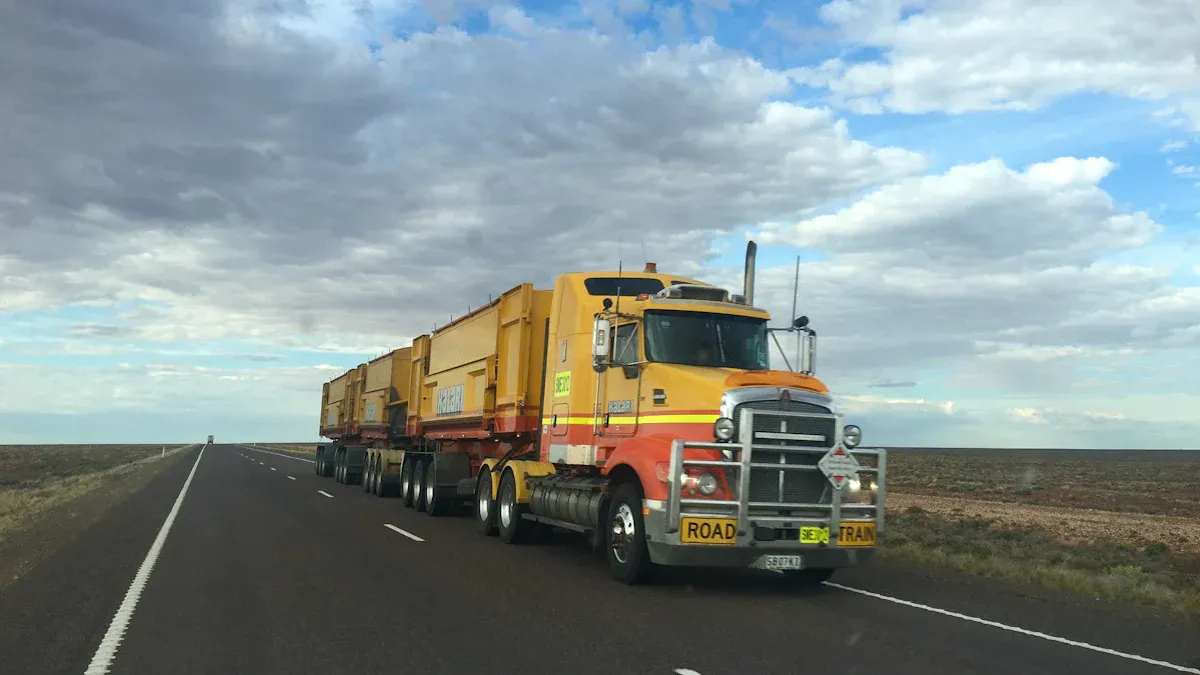
You want to find the most cost-effective way to ship your goods. Ocean freight usually costs less for large or international shipments. Road freight gives you better value for regional or urgent deliveries. Your final decision depends on shipment size, distance, cargo type, and how fast you need delivery. Look at these important cost factors in the ocean vs road freight comparison:
Distance changes shipping costs. Longer routes cost more.
Shipment size and weight affect pricing. Large but light shipments may cost more than small, heavy ones.
Mode of transport matters. Ocean freight is cheaper but slower.
Peak seasons can raise rates.
Fuel prices and extra fees, like customs, add to the total cost.
Key Takeaways
Ocean freight is cheaper for large shipments over long distances. It is ideal for bulk goods.
Road freight is faster and more reliable for regional deliveries. It works best for urgent shipments.
Consider shipment size, distance, and cargo type when choosing a shipping method. This helps save money.
Fuel prices and extra fees can affect shipping costs. Always check for additional charges.
Use both ocean and road freight for the best value. This method combines cost savings with speed.
Ocean vs Road Freight Comparison
Cost Overview
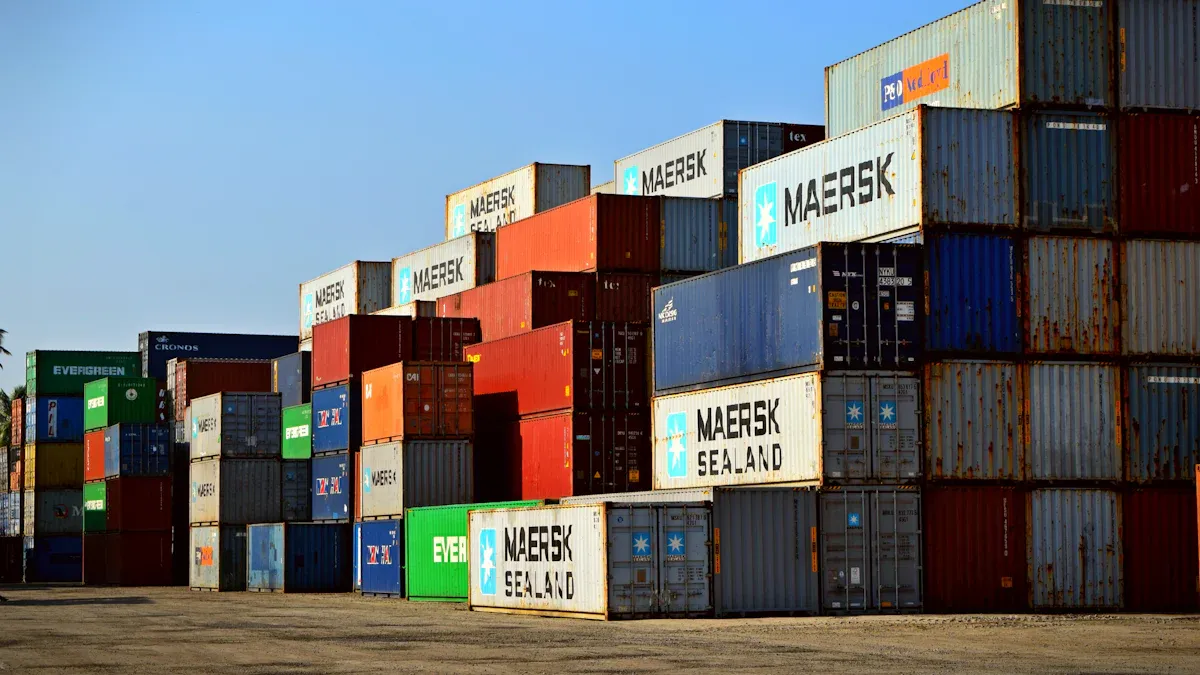
You want to know which shipping method saves you more money. In an ocean vs road freight comparison, ocean freight usually offers lower costs for large shipments that travel long distances. Road freight works better for short distances or smaller loads. You can see the typical cost ranges for ocean freight in the table below:
Container Size | Destination | Cost Range |
|---|---|---|
20-ft | US | $1,000 - $3,000 |
40-ft | US | $2,000 - $5,000 |
20-ft | Europe | $1,200 - $3,500 |
40-ft | Europe | $2,500 - $6,000 |
Fuel prices play a big role in both ocean and road freight costs. When fuel prices go up, shipping companies add fuel surcharges to your bill. If fuel prices drop, you may see a small decrease in rates, but not as much as when prices rise. Handling fees and regulatory costs also add to your total shipping expenses. Here are some main cost drivers:
Fuel prices change often and affect your shipping costs.
Higher fuel costs mean higher freight rates.
New rules about fuel types can make ocean freight more expensive.
You should remember that road freight becomes less cost-effective for very long distances. The cost per mile increases as trucks travel farther, especially across borders.
Speed and Transit Time
Speed matters when you need your goods quickly. In an ocean vs road freight comparison, road freight usually wins for speed, especially for regional deliveries. Trucks can move goods across a country in a few days. Ocean freight takes much longer. For example:
Ocean freight from China to the UK: 35 to 45 days
Ocean freight from the UK to Australia: 30 to 40 days
Ocean freight from China to Australia: 25 to 35 days
Port congestion can make ocean freight even slower. Many ports around the world face long delays. In Singapore, waiting times can reach up to nine days. In Durban, containers may sit for over 11 days. The average waiting time at ports doubled in 2021, rising from 8 hours to 33 hours. These delays make ocean freight less reliable for urgent shipments.
Road freight gives you more predictable delivery times for local and regional routes. You can avoid most of the delays that happen at busy ports.
Cargo Suitability
You need to match your cargo to the right shipping method. The ocean vs road freight comparison shows that each mode works best for certain types of goods. Ocean freight is ideal for large, heavy, or bulky items. Road freight is better for local or last-mile deliveries. The table below shows which cargo types fit each mode:
Cargo Type | Suitable Freight Mode |
|---|---|
Bulk commodities | Ocean Freight |
Heavy cargo (e.g., metals) | Ocean Freight |
Local deliveries | Road Freight |
Last-mile deliveries | Road Freight |
Ocean freight works well for non-perishable goods like chemicals or metals. Road freight is the best choice for goods that need to reach stores or homes quickly. If you ship fragile or perishable items, you may need to consider air freight, which offers faster delivery and better control over temperature and handling.
You should always think about the size, weight, and type of your cargo before choosing a shipping method. The ocean vs road freight comparison helps you decide which option fits your needs and budget.
Cost Factors
Pricing Structures
You need to understand how shipping companies set their prices. Both ocean and road freight use different pricing models. The table below shows the main charges and factors for each type:
Freight Type | Charges/Factors |
|---|---|
Ocean Freight | Bunker Adjustment Factor (BAF), Currency Adjustment Factor (CAF), Terminal Handling Charges (THC) |
Truckload Freight | Distance is the main driver of freight charges for dedicated truck services. |
LTL Freight | Rates are regulated by NMFTA codes to ensure unbiased pricing for smaller shipments. |
Ocean freight often uses extra fees like BAF and CAF. These cover changes in fuel prices and currency rates. Road freight, especially truckload, bases most costs on distance. Less-than-truckload (LTL) shipments use a standard code system to keep prices fair.
Influencing Elements
Many factors can change your shipping costs. In an ocean vs road freight comparison, you see that both modes have unique cost drivers:
Economies of Scale: Ocean freight gets cheaper per unit when you ship large volumes. Road freight does not benefit as much from bulk shipping.
Distance Impact: Longer trips cost more for both modes. Road freight costs rise faster because of fuel, driver hours, and truck wear.
Route Optimization: Regular shipments help road freight companies plan better routes and save money. Ocean freight needs big volumes to stay efficient.
Other elements also affect your final price:
Cargo type matters. Dangerous or perishable goods cost more to ship.
Popular destinations usually have lower rates.
Currency changes can make ocean freight more expensive, since rates are often in US dollars.
Fuel prices go up and down, changing your shipping bill.
Seasonal demand can raise prices during busy times.
Tip: If you ship to remote places or during peak seasons, expect higher costs. Always check for extra fees like port service charges or special container types.
A clear ocean vs road freight comparison helps you see how these factors impact your shipping budget.
Speed Considerations
Ocean Freight Delays
You need to know that ocean freight is the slowest shipping method. Ships move large amounts of cargo, but many things can cause delays. Here are the most common reasons your shipment might get held up:
Port congestion
Weather conditions
Customs delays
Transshipment delays
Container shortages
Strikes or labor shortages
Global events like pandemics or geopolitical issues
Port congestion is a big problem. Ships sometimes wait days to unload. Bad weather can stop ships from leaving or arriving on time. Customs checks and paperwork can add more waiting. If your cargo needs to switch ships, it may face even more delays. When workers go on strike or there are not enough containers, your shipment can get stuck for weeks.
These delays do not just slow down your delivery. They also increase your costs. You may need to keep more products in stock, which ties up your money. If your goods arrive late, you might lose sales or pay penalties for missed deadlines. The table below shows how these delays affect your business compared to road freight:
Cost Factor | Ocean Freight Impact | Road Freight Impact |
|---|---|---|
Increased operational costs | Higher buffer stocks and longer lead times increase inventory carrying costs. | Typically lower due to shorter lead times. |
Lost sales | Disruptions can lead to missed sales opportunities, especially for time-sensitive products. | Less impact due to more reliable delivery. |
Penalties and extra costs | Businesses face penalties for missed deadlines and may incur additional shipping costs. | Fewer penalties due to more predictable schedules. |
Higher working capital costs | Maintaining higher inventory levels increases working capital requirements. | Generally lower working capital needs. |
Road Freight Timelines
Road freight gives you faster and more predictable delivery times. Trucks can move goods across a country in just a few days. Here is a quick look at typical delivery times:
Region | Delivery Time |
|---|---|
Domestic Shipping | |
International Shipping | 5-10 days |
If you ship within the same country, your goods usually arrive in 1 to 5 days. For international road freight, you can expect delivery in 5 to 10 days. This speed makes road freight a better choice for urgent or time-sensitive shipments.
You should know that road freight can also face delays. Traffic jams, city congestion, and rules about when trucks can deliver can slow things down. In busy cities, trucks may spend many hours waiting for a place to park and unload. These delays increase costs and make planning harder.
When you compare ocean vs road freight comparison, speed becomes a key factor. If you need your goods quickly, road freight is usually the best option. Ocean freight works better for large shipments that do not need fast delivery. Always think about how speed affects your costs and your customers’ needs.
Cargo and Distance Suitability
Bulk and Heavy Goods
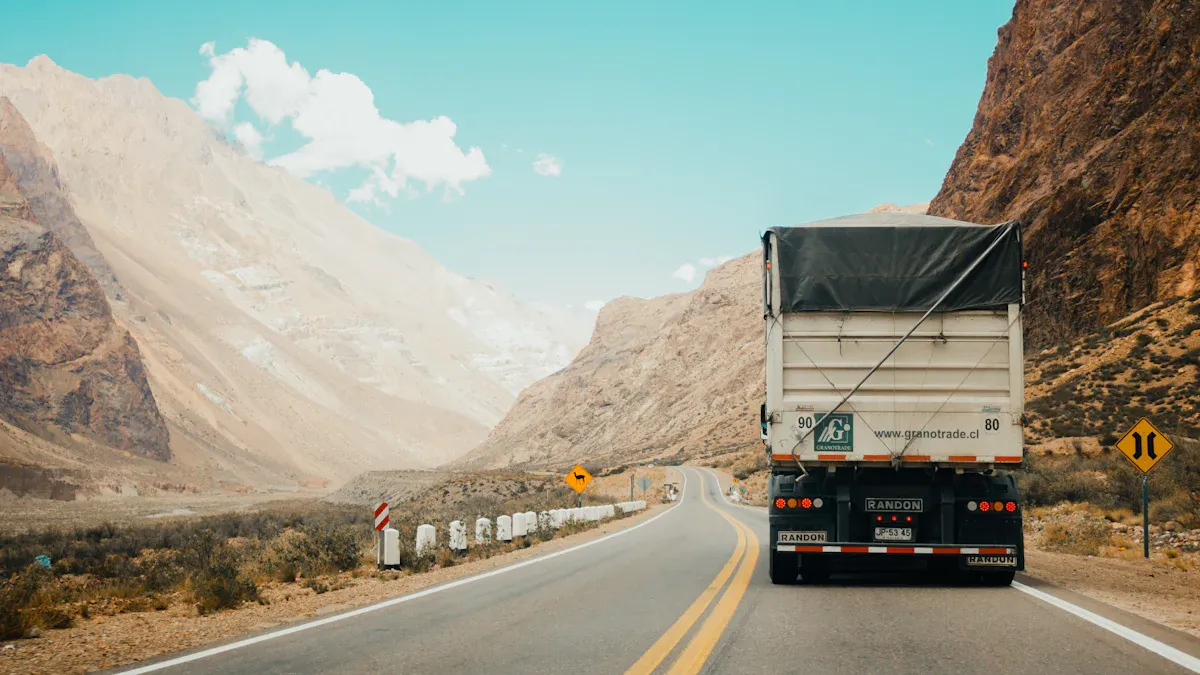
You need to think about the type of goods you ship. If you move bulk or heavy items, ocean freight gives you the best value. Ships can carry huge amounts of cargo at once. This makes ocean freight the most cost-effective choice for large volumes. Here are some important points:
Maritime shipping handles the largest share of bulk and heavy goods worldwide. In 2022, ships moved over 11 billion tons of cargo.
Ocean freight charges you based on the space your goods take up, not their weight. This helps you predict costs for big shipments.
Rail shipping also works well for heavy goods over long distances. One train can carry as much as 300 trucks. Rail uses less energy and keeps costs low.
Road freight limits depend on the weight of your cargo. Trucks have strict weight rules, so very heavy loads may cost more or need special permits.
If you ship metals, chemicals, or other non-perishable bulk items, ocean freight or rail gives you the lowest cost per unit.
Tip: For very large or heavy shipments, always check if your route supports rail or ocean transport. These modes save you money and handle big loads better than trucks.
Regional vs International
You must match your shipping method to the distance your goods travel. Ocean freight and road freight each have strengths for different routes. The table below shows how cost and suitability change for regional and international shipments:
Freight Type | Cost Characteristics |
|---|---|
Ocean Freight | Lowest cost per unit for large shipments and bulk cargo. Best for international routes. |
Road Freight | Most affordable for short distances and regional deliveries. Ideal for urgent or flexible shipments. |
Ocean freight works best for long international routes. It offers the lowest cost per ton-mile, but it moves slowly. Road freight gives you more flexibility for regional shipments. Trucks deliver faster within the same country or continent, but costs rise for long hauls.
You should also know that road freight faces weight limits and driver shortages. Ocean freight needs access to ports, so it may not reach inland locations directly.
Ocean freight is the slowest option, but it handles the biggest loads.
Road freight is faster for regional deliveries, but less efficient for very long distances.
You can choose the right mode by looking at your shipment size, cargo type, and delivery distance. This helps you save money and meet your delivery goals.
Comparison Table
Cost
You want to know which shipping method saves you more money. The table below shows a simple cost comparison between ocean freight and road freight for typical shipments:
Freight Mode | Cost per Mile (Approx.) | Best For |
|---|---|---|
Ocean Freight | $0.05 - $0.20 | Large, international shipments |
Road Freight | $2.00 - $4.00 | Regional, smaller shipments |
Tip: Ocean freight gives you the lowest cost per unit for big loads. Road freight costs more per mile, but works well for short distances.
Speed
Speed metrics help you choose the right shipping method for your needs. You should look at how quickly each mode delivers your goods:
Speed metrics are crucial in determining the best freight option for goods.
The choice between ocean freight and road freight involves trade-offs between speed, cost, and reliability.
Understanding these elements helps in making informed decisions that can optimize delivery times and costs.
Freight Mode | Typical Transit Time | Reliability |
|---|---|---|
Ocean Freight | 25-45 days (international) | Moderate |
Road Freight | 1-10 days (regional/int'l) | High |
Suitability
You need to match your cargo and route to the right shipping method. The table below shows which mode fits different needs:
Freight Mode | Best For | Limitations |
|---|---|---|
Ocean Freight | Bulky, non-perishable goods | Slow, port access needed |
Road Freight | Urgent, regional, flexible loads | Weight limits, higher cost |
Note: Ocean freight handles the biggest loads. Road freight gives you speed and flexibility for local deliveries.
Use Cases
You can use these examples to decide which method works for your shipment:
Ocean freight: Moving cars, machinery, or raw materials overseas.
Road freight: Delivering electronics to stores in your city or region.
Ocean freight: Shipping chemicals or metals in bulk to another continent.
Road freight: Sending perishable goods quickly to supermarkets.
You should always check your shipment size, delivery time, and cargo type before choosing a freight mode.
Practical Recommendations
Choosing the Right Mode
You want to pick the best shipping method for your needs. Start by looking at your shipment size, how fast you need delivery, and your budget. Road freight works well for short distances and smaller shipments. You get reliable and quick delivery for regional routes. Ocean freight gives you the lowest cost per unit for large or heavy cargo. This mode is best for international shipments that do not need fast delivery.
Think about these important points before you decide:
Sea freight saves money on large shipments.
Road freight gives you reliable delivery for regional routes.
Sea freight is slower but handles bulky and heavy goods.
Road freight suits smaller loads.
Sea freight is more eco-friendly per unit shipped.
You can use the table below to compare your options:
Freight Mode | Advantages | Disadvantages |
|---|---|---|
Road Freight | Fast for regional, reliable | Higher cost for long trips |
Sea Freight | Low cost for big shipments, greener | Slow, less predictable |
Tip: Match your shipping method to your cargo type and delivery speed. This helps you save money and avoid delays.
Key Questions to Consider
You should ask yourself some key questions before you choose a freight mode. These questions help you find the most cost-effective and reliable option:
Can the carrier deliver on time?
What type of goods are you shipping?
What is your budget?
How fragile or valuable are your items?
Do you need to follow special rules or laws?
If you answer these questions, you can make a smart choice. You will pick the mode that fits your needs, keeps your goods safe, and stays within your budget.
Checklist:
Check shipment urgency
Review carrier reliability
Identify cargo type
Set your budget
Consider safety needs
Confirm legal requirements
You can save money by choosing the right shipping method for your needs. Road freight works best for short distances and urgent deliveries. Ocean freight gives you the lowest cost for large, non-urgent shipments. Many companies use both methods to get the best value. Use this table to help you decide:
Factor | Ocean Freight | Road Freight |
|---|---|---|
Shipment Size | Heavy and bulky goods | Smaller shipments |
Distance | Long distances | Shorter distances |
Urgency | Slow (20–40 days) | Fast for urgent needs |
Cargo Type | Special handling for some goods | Bulky and large volume items |
Tip: Always check your shipment size, distance, urgency, and cargo type before you choose.
FAQ
What is the main difference between ocean freight and road freight?
Ocean freight uses ships to move goods across seas. Road freight uses trucks to carry goods on highways. You choose ocean freight for large, international shipments. You pick road freight for regional or urgent deliveries.
When should you choose ocean freight over road freight?
You should choose ocean freight when you ship heavy or bulky goods over long distances. Ocean freight saves you money on large shipments that do not need fast delivery.
Is road freight faster than ocean freight?
Yes, road freight is usually faster. Trucks deliver goods in a few days within a region. Ships can take weeks to move cargo between countries.
What extra costs should you watch for in both modes?
You should check for fuel surcharges, handling fees, and customs charges. These extra costs can change your total shipping price.
Can you combine ocean and road freight for one shipment?
Yes, you can use both. This is called intermodal shipping. You move goods by ship for long distances, then use trucks for final delivery. This method helps you save money and reach more locations.
See Also
PGL's Ocean Freight Solutions Across The Entire Country
Maximize Savings With Premier Global Logistics' Nationwide FTL
Selecting LTL, FTL, Or Drayage Services With PGL
