How to Transport Oversized Freight Safely and Efficiently in 2025
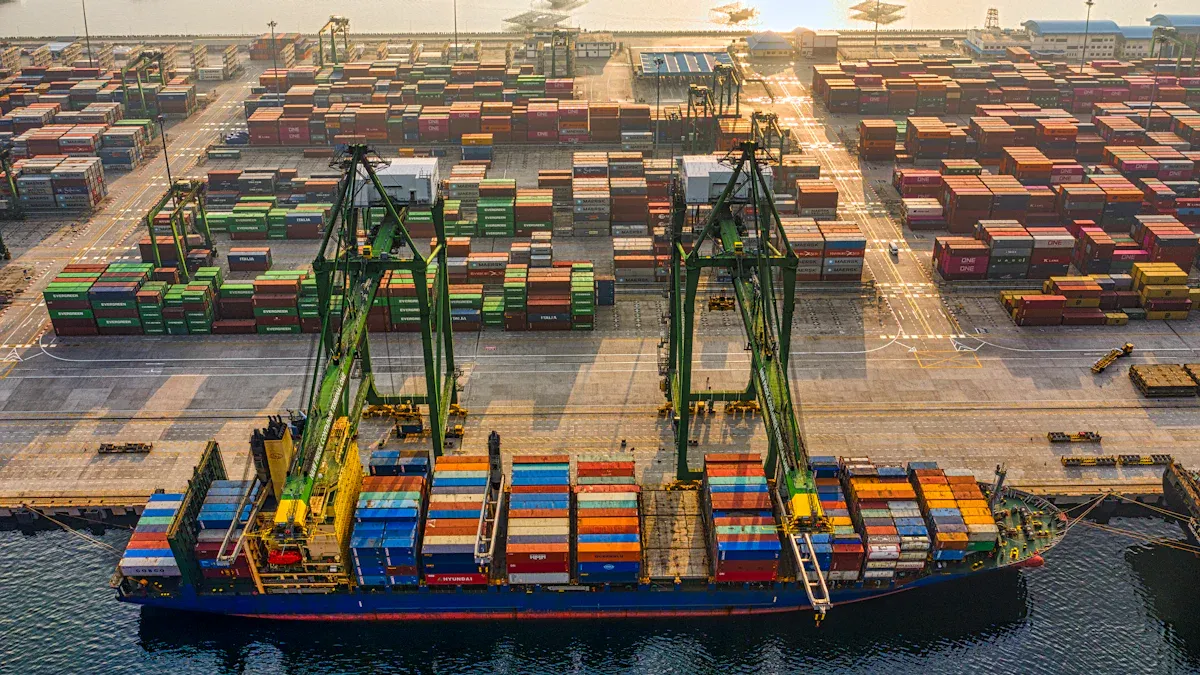
You can transport oversized freight safely and efficiently in 2025 by focusing on precise measurement, smart route planning, and strict compliance. Accurate measurement starts with laser measuring devices, industrial weigh scales, and professional surveys. Oversized freight often faces challenges such as special permit requirements, complex regulatory rules, and high costs. You may need specialized equipment, like flatbed trailers, and must plan routes to avoid low bridges and narrow roads. Safety depends on using checklists and strong oversized freight logistics strategies.
Key Takeaways
Accurate measurement is crucial. Use laser measuring devices and weigh scales to ensure your load meets legal limits.
Always check federal and state regulations. Each state has different rules for oversized freight, including permit requirements and travel restrictions.
Choose reliable carriers with strong safety records. Look for companies that use technology for tracking and have clear service commitments.
Plan your route carefully. Avoid low bridges and narrow roads by using approved routes listed in your permits.
Prepare a detailed checklist. This helps you stay organized and ensures you don’t miss important safety and compliance steps.
What Is Oversized Freight
Definition & Legal Limits
You need to know what counts as oversized freight before you start planning a shipment. Oversized freight refers to any load that exceeds the standard legal size or weight limits set by transportation authorities. These limits help keep roads safe and protect infrastructure.
Tip: Always check both federal and state rules because limits can change depending on where you travel.
Here are some common rules for oversized loads in 2025:
A load wider than 8 feet 5 inches is considered oversized.
Most height limits do not exceed 14 feet 6 inches.
Length and weight limits can vary by state.
You can also compare legal limits in different regions. The table below shows the maximum size and weight for common vehicle types in the United States and Europe:
Vehicle Type | Maximum Weight | Length | Width | Height |
|---|---|---|---|---|
Road train (truck with trailer) | 40 tons | 18.75 m | 2.55 m | 4 m |
Articulated vehicle (semi-trailer) | 40 tons | 16.5 m | 2.55 m | 4 m |
If your freight goes beyond these limits, you must follow special rules and get permits.
Common Types
You will find many types of oversized freight on the road. These items often require special handling and equipment. Some of the most common types include:
Construction equipment such as excavators, loaders, and cranes
Steel beams and large structural parts
Generators, transformers, and turbines
Agricultural machinery like combines and tractors
Pre-fabricated building materials
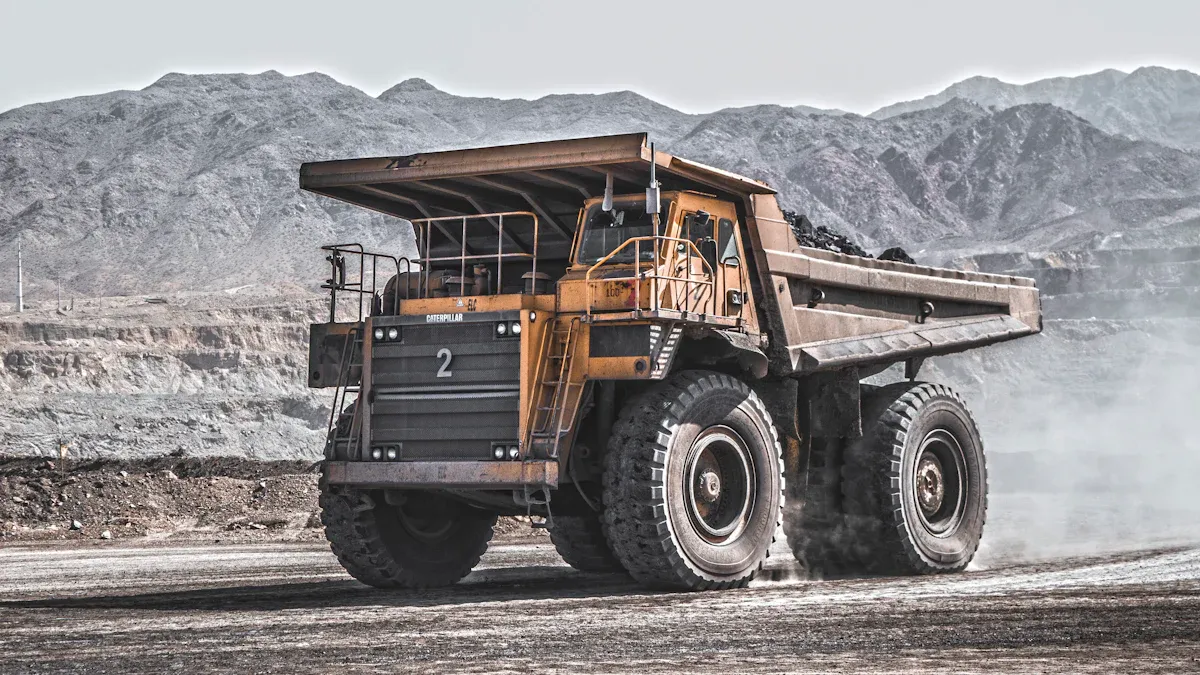
Mining equipment such as drill rigs and haul trucks
Wind energy components, including blades and tower sections
Oil and gas equipment like frac tanks and drilling rigs
Oversized storage tanks and silos
Large HVAC units and chillers
Industrial presses and manufacturing machinery
You must identify your freight type early. This helps you choose the right equipment and plan for any special permits or escorts you may need.
Regulations & Permits
Federal & State Rules
You must understand the rules for oversized freight before you move your load. Federal and state governments set different limits and restrictions. These rules change depending on the location and time of year. For example, you cannot move oversized freight during federal holidays like Veterans Day in many states. Each state has its own Department of Transportation (DOT) that updates travel rules and restrictions. You should always check the DOT website for the latest information. Some states also have special curfews or weekend bans for oversized loads.
Tip: Always confirm travel restrictions before you schedule your shipment. This helps you avoid costly delays.
Permit Process
You need a permit to transport oversized freight. The process involves several steps. Here is a simple guide:
Measure your load. Write down the height, width, length, and total weight.
Check the rules for each state you will travel through. Look for size limits, curfews, and escort requirements.
Fill out the permit application. Include route details, axle weights, and proof of insurance.
Arrange for escort vehicles if your load needs them. Some states require pilot cars or police escorts.
Follow all travel restrictions. Some states do not allow oversized loads at night or on weekends.
Mistakes can slow down your permit approval. Common problems include missing or wrong information, waiting too long to apply, and not knowing state-specific rules. You should apply early and double-check your paperwork.
Route Planning
You must plan your route carefully. Oversized loads cannot travel on every road. Permits list approved routes, which avoid low bridges and construction zones. Many areas have curfews that limit when you can drive. You should look for roadwork, weather changes, and local events that might block your path. If you need to change your route, contact the DOT right away.
Note: Good route planning helps you avoid last-minute detours and keeps your shipment on schedule.
Carrier & Equipment Selection
Choosing Reliable Carriers
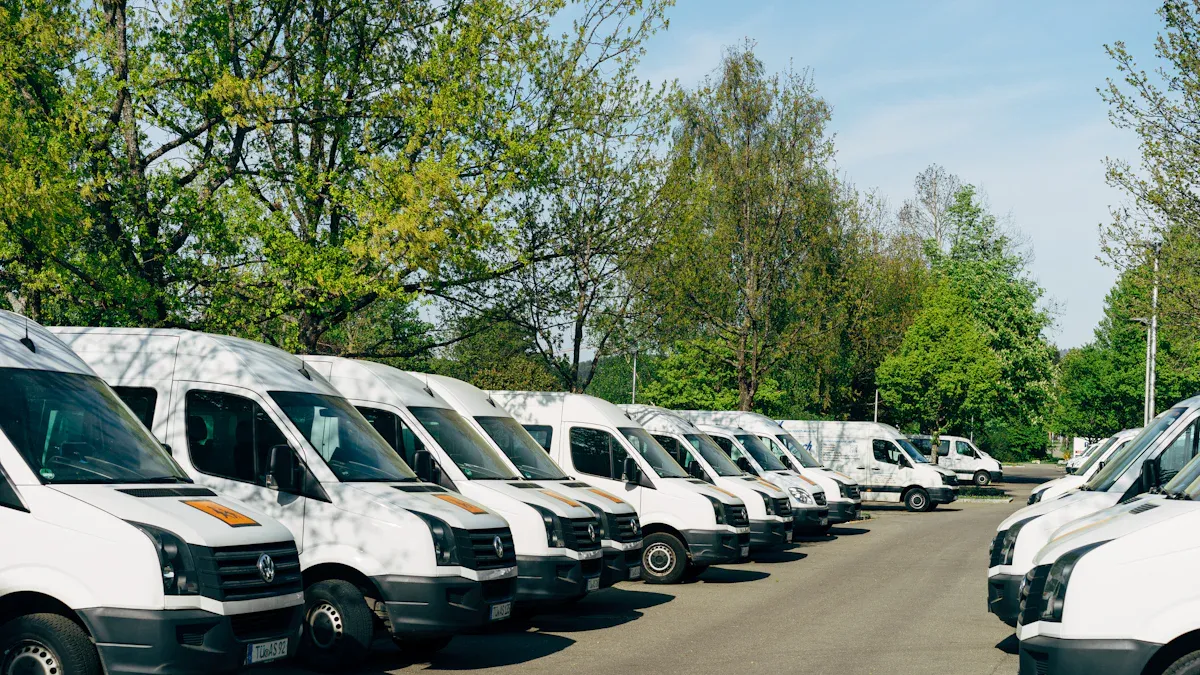
You need a reliable carrier to move oversized freight safely. Look for companies with strong safety records and clear service commitments. Reliable carriers use technology to track shipments and solve problems quickly. They also have good claims processes and can handle issues after hours. The table below shows important criteria to help you compare carriers:
Criteria | What to Look For |
|---|---|
Safety Protocols | Carriers should have clear safety rules and training for drivers. |
Documentation of Charges | You should see all costs up front with no hidden fees. |
Warehousing Capabilities | Carriers must have proper storage for oversized freight. |
Service Commitment Records | Check if they deliver on time and keep promises. |
Rate Management | Good carriers offer fair and clear pricing. |
After-Hours Issue Handling | They must solve problems even outside normal hours. |
Claims Processes | Look for a simple way to report and fix damage or loss. |
Technology Integration | Tracking and updates should be easy to access. |
You can also check on-time pickups, delivery performance, driver turnover rates, and safety scores.
Specialized Trailers & Machinery
You must choose the right equipment for your load. Specialized trailers, like lowboys and extendable flatbeds, help move large items safely. You may need cranes or heavy-duty forklifts for loading and unloading. When you select equipment, think about warehouse location, storage methods, and labor needs. The table below lists key factors:
Factor | Description |
|---|---|
Warehouse Location | Choose sites close to your delivery point for lower costs. |
Storage Method Analysis | Make sure your freight will not get damaged during storage or stacking. |
Equipment Requirements | Use the right machinery for heavy or odd-shaped items. |
Labor Considerations | Hire trained workers who know how to handle special equipment. |
Oversized freight logistics strategies work best when you match the right trailer and machinery to your freight.
Insurance & Liability
You must protect your shipment with the right insurance. Carrier liability covers most losses up to $100,000 per load. Cargo insurance pays for damage or lost items and can be bought by shippers or receivers. All-risk insurance gives the most coverage but costs more. Some things, like natural disasters or war, are not covered. Good oversized freight logistics strategies always include checking insurance policies before shipping.
Tip: Review your insurance options with your carrier to avoid surprises if something goes wrong.
Oversized Freight Logistics Strategies
Preparation & Checklists
You need strong preparation to move oversized freight safely. Start with a detailed checklist. This helps you avoid mistakes and keeps your shipment on track. Use digital tools to organize your documents and tasks. The table below shows important items to include in your checklist for 2025:
Item Type | Description |
|---|---|
Securing Equipment | Heavy-duty chains, ratchet binders, tie-down straps, wide load banners, flags, warning lights, corner protectors, padding, and dunnage to prevent shifting and accidents during transit. |
Safety Protocols | Inspect hauling equipment, secure the load, plan your route, get permits, use escort vehicles, keep communication open, and hold safety meetings and training sessions. |
Compliance Documentation | Keep transport permits, vehicle registration, driver licenses, escort certifications, inspection reports, and route plans organized with digital tools. |
Vehicle Inspection | Check the truck’s engine, brakes, tires, lights, signals, fluid levels, hitch, towing equipment, mirrors, and windshields. |
You should review your checklist before every shipment. This step helps you catch problems early. Oversized freight logistics strategies work best when you prepare carefully and keep records up to date.
Safety Measures
Safety is the most important part of oversized freight logistics strategies. You must plan your route early and choose the right equipment for your load. Communicate with escort vehicles and your team to keep everyone safe. Get permits ahead of time to avoid last-minute problems. Watch for weather and traffic changes that could affect your route.
Here are some safety measures you should follow:
Inspect tires and attachments before you start moving.
Secure loose parts and drain fluids if needed.
Wrap sensitive areas to prevent damage.
Label heavy or fragile parts so your crew knows what to handle with care.
Plan your route with smart software to avoid hazards.
Monitor your cargo to prevent theft and damage.
You can reduce risks by using technology and training your team. Regular maintenance and safety meetings help prevent equipment breakdowns and accidents. Oversized freight logistics strategies also include risk management. You should know the common risks and how to handle them. The table below shows some risks and ways to reduce them:
Risk Type | Description | Mitigation Strategy |
|---|---|---|
Congested ports, container shortages, extreme weather, and infrastructure breakdowns can delay shipments. | Use logistics software for real-time tracking and adaptive control over freight movement. | |
Labor Shortages | Difficulty in hiring and keeping skilled workers. | Train your team and use new supply chain tools. |
Demand Volatility | Unpredictable customer demand. | Use flexible production strategies to adapt quickly. |
Operational Risks | Equipment breakdowns and process problems. | Maintain equipment and optimize processes to avoid failures. |
Reputation Risks | Bad experiences can hurt your business. | Communicate quickly and fix problems to keep customers happy. |
Weather & Coordination
Weather can change your plans fast. Flooding caused 70% of supply chain disruptions in 2024. You need to watch for storms, snow, and other problems that can block roads or slow your shipment. Oversized freight logistics strategies include checking weather reports and planning backup routes.
You should coordinate with all your logistics partners. Good communication keeps everyone informed and ready to act. Use technology to share updates and track your shipment. The table below lists best practices for working with partners:
Best Practice | Description |
|---|---|
Effective Communication | Make sure all partners know the plan and get updates. |
Route Optimization | Choose the best paths for your shipment. |
Leveraging Technology | Use digital tools to track and manage your freight. |
You can use collaborative platforms to share schedules and solve problems together. Diversify your routes and prepare your facilities for bad weather. Position your inventory in safe locations and set up contingency plans. Oversized freight logistics strategies help you manage risks and keep your shipment moving, even when conditions change.
New technology makes coordination easier. Electric and autonomous vehicles, smart routing, and cargo monitoring systems improve safety and efficiency. You can use AI to plan routes and avoid delays. These tools support oversized freight logistics strategies and help you deliver on time.
Tip: Always check for road restrictions, height clearance issues, and permit delays before you ship. Good planning and teamwork help you overcome challenges and keep your freight safe.
You can move oversized freight safely and efficiently by following these steps:
Measure your load with care.
Get the right permits and follow all rules.
Choose strong equipment and skilled carriers.
Use checklists and plan for weather.
The trucking industry is changing. Capacity is getting tighter, and rates may rise as the market balances. You will face new challenges, but best practices and careful planning help you succeed. Stay prepared, and you will keep your shipments moving smoothly.
FAQ
What is the first step when planning to move oversized freight?
You should measure your load carefully. Use accurate tools to record height, width, length, and weight. This helps you know if your shipment needs special permits or equipment.
Do you need permits for every state your freight travels through?
Yes. You must get permits for each state on your route. Rules and requirements can change from state to state. Always check with each state’s Department of Transportation.
How do you choose the right trailer for oversized freight?
Look at your freight’s size, weight, and shape. Match these details to the trailer type. For example, use a lowboy for tall equipment or an extendable flatbed for long items.
What should you do if bad weather affects your shipment?
Check weather forecasts before your trip.
Plan backup routes.
Communicate with your carrier and partners.
Use GPS tracking to monitor your load.
Staying alert helps you avoid delays and keep your freight safe.
See Also
Maximize Savings with Nationwide FTL Shipping Solutions Today
Streamlined Freight Services Throughout the Southeastern Region
Enhancing Global Operations Through Innovative Logistics Strategies
Premier Global Logistics: Streamlined Project Trucking on the West Coast
Reliable Trucking Solutions for California and Surrounding Areas
