How to Meet Project Cargo Regulations When Shipping from the USA to Brazil
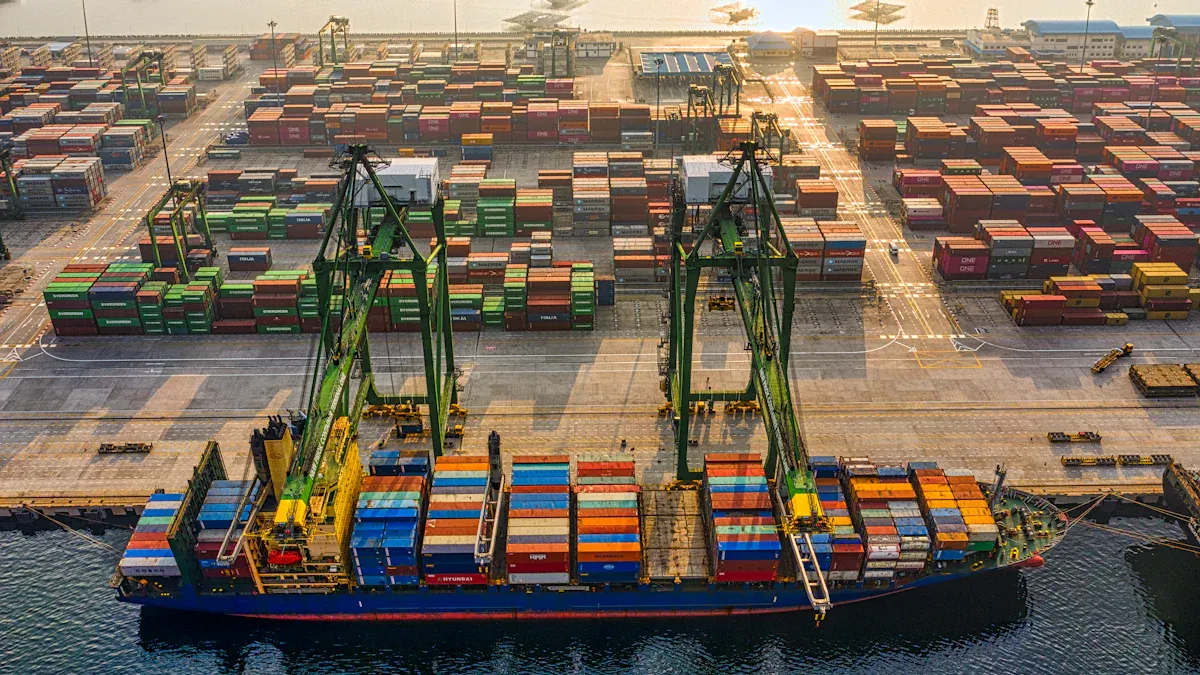
You must follow several key steps to meet project cargo usa to brazil regulations. Choose experienced freight forwarders and customs brokers to guide you. Gather all required documents before shipping. Use strong packaging and clear labels to protect your cargo. Check that your shipment meets both U.S. and Brazilian rules. Learn about taxes, duties, and special permits for restricted goods. Careful planning helps you avoid delays and costly mistakes.
Key Takeaways
Choose experienced freight forwarders and customs brokers to navigate regulations smoothly.
Gather all required documents before shipping to avoid delays and fines.
Understand taxes and duties for your shipment to prevent unexpected costs.
Ensure proper packaging and labeling to comply with Brazilian standards and protect your cargo.
Check for restricted items and obtain necessary permits to avoid shipment issues.
Main Regulatory Authorities and Systems
When you ship project cargo from the USA to Brazil, you must work with several important authorities. Each group has a special job in making sure your shipment follows the rules.
U.S. Export Agencies
You start your journey in the United States. The main agencies you deal with are:
U.S. Customs and Border Protection (CBP): CBP checks your cargo before it leaves the country. They make sure you have the right documents and that your goods are safe to export.
Bureau of Industry and Security (BIS): BIS controls items that need special export licenses. If your cargo includes restricted technology or materials, you must get approval from BIS.
Food and Drug Administration (FDA) and U.S. Department of Agriculture (USDA): If you ship food, medicine, or plants, these agencies check your goods for safety and health standards.
These agencies help you follow project cargo usa to brazil regulations by making sure your shipment is legal and safe.
Brazilian Customs and ANTAQ
When your cargo arrives in Brazil, you must clear it through:
Receita Federal (Brazilian Customs): This agency checks your documents and inspects your cargo. They collect taxes and duties and make sure you follow Brazilian import laws.
ANTAQ (National Agency for Waterway Transportation): ANTAQ oversees ports and shipping lines. They make sure your cargo moves safely through Brazilian ports.
You must declare your goods using Brazil’s Siscomex system. Receita Federal will not release your cargo until you finish this step.
International Shipping Rules
You also need to follow international shipping rules. These rules help both countries work together. Here is a table that shows some of the most common requirements:
Rule/Requirement | Description |
|---|---|
Export Licenses | Brazil requires export licenses for restricted goods. |
Declaration Process | Goods must be declared via ACE system (USA) or Siscomex (Brazil). |
Tariffs | Pay 0-25% tariffs on most goods. |
Compliance with FDA/USDA | Necessary for food and pharmaceutical products. |
Documentation for Customs Clearance | Includes commercial invoice, packing list, certificate of origin, letter of credit, and bill of lading. |
You must follow these steps to avoid delays and problems. Each authority and rule plays a key part in project cargo usa to brazil regulations.
Project Cargo USA to Brazil Regulations: Step-by-Step Guide
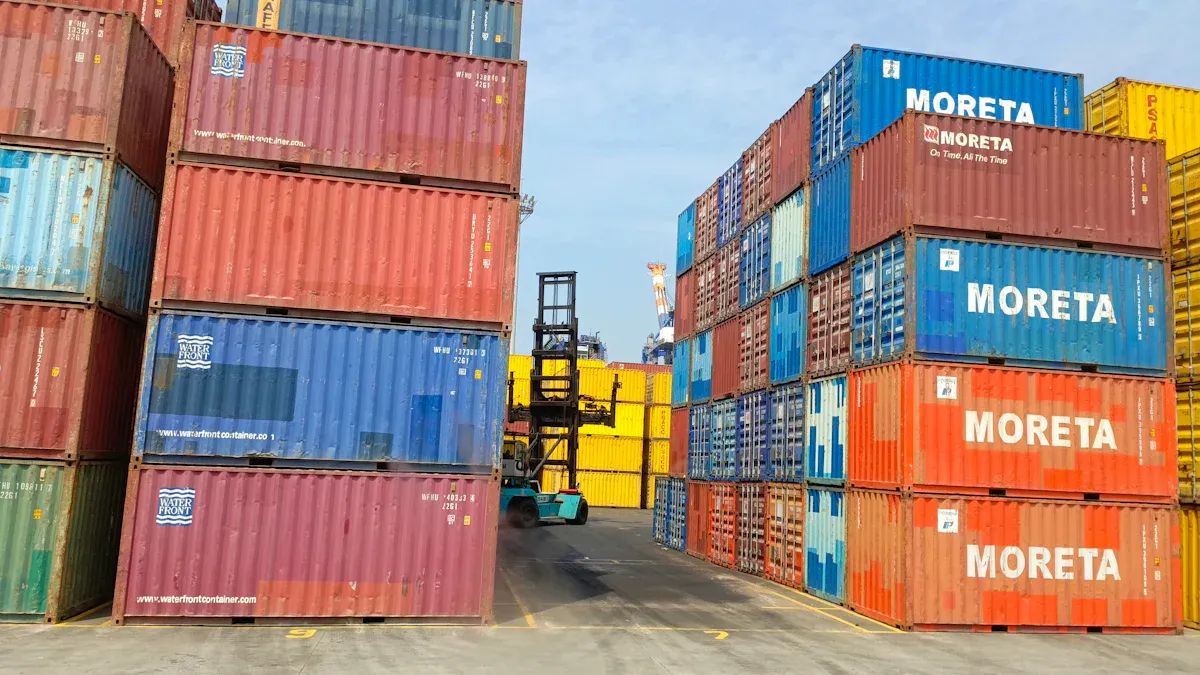
Choosing Freight Forwarders and Customs Brokers
You need reliable partners to handle your project cargo. Start by selecting both a U.S.-based freight forwarder and a Brazil-based customs broker. These experts help you follow project cargo usa to brazil regulations and avoid costly mistakes. Use the table below to compare important criteria when choosing your logistics partners:
Criteria | Description |
|---|---|
Industry standards | Look for knowledge of Incoterms, accurate paperwork, and risk management for Brazil shipments. |
Quality verification | Check licenses, review track records, ask for references, and see if they use modern technology. |
Brazil-specific skills | Make sure they have certifications, know Brazil’s customs systems, and understand strict rules. |
Tip: Always ask for references and proof of experience with project cargo usa to brazil regulations. This step helps you avoid delays and compliance issues.
Preparing Essential Documents
You must gather all required documents before shipping. Missing or incorrect paperwork can stop your cargo at the border. Common mistakes include errors in trade compliance, incomplete forms, and wrong details. To meet project cargo usa to brazil regulations, prepare these documents:
Commercial Invoice (in English or with certified translation)
Bill of Lading
Packing List
Certificate of Origin
Import/Export Licenses (if needed)
Accurate Harmonized System (HS) Code classification
Check that all information matches across your documents and the physical cargo. Customs officials will compare these details. Inconsistent paperwork can cause delays or fines.
Note: Double-check your customs declaration and support documents. Avoid misclassification and missing paperwork, which are common reasons for shipment rejection.
Understanding Taxes and Duties
You must understand the taxes and duties for your shipment. Brazil applies several taxes to project cargo imports. The table below shows the main types and their rates:
Tax Type | Description | Rate Range |
|---|---|---|
Import Duty (II) | Tax on imported goods, based on CIF value | Varies |
Industrialized Product Tax (IPI) | Tax on manufactured products at customs | 0-15% |
Social Contribution Taxes (PIS/COFINS) | Federal contributions for social programs | Varies |
Merchandise and Service Circulation Tax (ICMS) | State value-added tax on imports | 17-19% |
You need to classify your goods correctly using the HS Code. This code affects your tax rate. Mistakes in classification can lead to extra costs or shipment holds. Work with your customs broker to estimate all taxes before shipping.
Packaging and Labeling Compliance
Proper packaging and labeling protect your cargo and ensure legal compliance. Many shippers make mistakes by using international labels that do not meet Brazilian standards. You must follow these rules:
Use packaging that prevents damage during transit.
Meet ISPM 15 standards for wood packaging (heat treatment and marking).
Follow INMETRO requirements for regulated products.
Make sure labels include a local legal representative in Brazil.
Get label approval before shipping if your product needs registration.
Use the correct NCM code for import classification.
Alert: Failing to meet packaging or labeling standards can result in legal penalties, customs rejections, or damaged goods. Always check the latest requirements for your cargo type.
Incorrect or missing product information on labels.
Shipping before label approval.
Poor packaging that leads to damage.
Listing only foreign contact information.
Assuming international labels are enough for Brazil.
By following these steps, you can meet project cargo usa to brazil regulations and reduce the risk of delays or fines.
Handling Restricted and Special Cargo
Identifying Restricted Items
You must check if your shipment includes restricted or special cargo before you ship. Brazil has strict rules about what you can import. Some items are not allowed, while others need special approval. Common restricted items include:
Used consumer goods, such as clothing, electronics, and furniture, are not allowed.
Used capital goods, like certain aviation parts, are only allowed if Brazil does not make a similar product.
Remanufactured goods count as “used” and are not permitted.
Food and agricultural products face many rules. For example, you cannot import fresh or frozen poultry from the USA. Pork products need a health certificate, which is not currently available.
Products that could harm public health, national security, or the environment are also banned.
You should always check the latest rules before you ship. This step helps you follow project cargo usa to brazil regulations and avoid problems at customs.
Obtaining Permits and Licenses
If your cargo is restricted, you need to get the right permits and licenses. Start by asking your customs broker or freight forwarder for help. They know which documents you need. You may need to apply for import licenses, health certificates, or special permissions from Brazilian authorities. Make sure you get all approvals before your cargo leaves the USA. Missing permits can lead to shipment delays, fines, or even cargo seizure.
Tip: Keep copies of all permits and licenses with your shipment. Customs officers will ask for them during inspection.
Safety and Environmental Standards
Brazil enforces strict safety and environmental rules for project cargo. You must follow these standards to protect workers and the environment. The table below shows some key requirements:
Requirement | Description |
|---|---|
NR-29 | Sets health and safety rules for ports, especially for hazardous cargo. |
Safety Measures | Focuses on preventing container falls, electrical safety, and tanker checks. |
Hazardous Cargo | Needs safety sheets, worker training, and supervision by experts. |
If you do not follow these rules, you may face penalties. For example, giving false information about hazardous cargo can lead to fines up to $18,000 per shipment. If you do not fix safety problems in the warehouse, you may get reported and fined by the Ministry of Labor.
Alert: Always review safety and environmental standards before shipping. This step protects your business and helps you avoid costly penalties.
Practical Tips for Smooth Shipping
Coordinating with Logistics Partners
You need strong teamwork to move project cargo from the USA to Brazil. Choose partners who know how to handle oversized or special items. Look for companies with experience, the right equipment, and good insurance. Use technology to track your cargo and spot problems early. Hold regular meetings with your team to make sure everyone knows their job.
Strategy | Description |
|---|---|
Partner Selection | Pick a shipping company with project cargo experience. |
Communication | Schedule meetings to align roles and responsibilities. |
Technology Utilization | Use tracking systems and sensors to monitor cargo. |
Project Management Tools | Plan with digital tools for better resource use. |
Tip: Ask your partners if they have handled similar shipments. This step helps you avoid surprises.
Avoiding Delays and Common Pitfalls
Delays can cost you time and money. Many things can slow down your shipment, such as labor strikes, busy ports, or missing documents. Weather and high cargo volumes also cause problems. You can avoid these issues by planning ahead and choosing less crowded ports like Imbituba or Pecém. Always check if you have all documents ready before shipping.
Watch out for busy seasons, like sugar export time.
Prepare for weather changes and infrastructure bottlenecks.
Keep all paperwork complete and up to date.
Alert: Good management and quick action plans can reduce most delays.
Communication Best Practices
Clear communication keeps your shipment on track. Appoint a project manager as the main contact for everyone involved. Use real-time tools, such as radios or digital apps, to share updates quickly. Hold meetings before each big step to review safety and team roles.
Assign one person to lead and answer questions.
Use instant messaging or radios for fast updates.
Meet with your team before loading or unloading.
Note: Good communication helps you solve problems before they grow.
Compliance Checklist and Final Steps
Pre-Shipment Review
Before you ship project cargo from the USA to Brazil, you should complete a thorough review. This step helps you avoid delays and problems at customs. Use the checklist below to make sure you have covered all important areas:
Category | Checklist Item |
|---|---|
Container Verification | Check container meets ISO standards |
Inspect container condition | |
Confirm cleanliness and pest-free status | |
Weight and Measurement | Verify Verified Gross Mass (VGM) |
Confirm load distribution | |
Record dimensions for oversized cargo | |
Documentation | Complete Bill of Lading |
Prepare commercial invoice with accurate HS codes | |
Create detailed packing list | |
Fill hazardous materials declaration (if needed) | |
Prepare customs declaration forms | |
Regulatory Compliance | Review restricted items list for Brazil |
Verify import/export licenses and permits | |
Check packaging regulations | |
Confirm insurance coverage | |
Special Requirements | Check temperature control needs (if needed) |
Confirm dangerous goods segregation (if needed) | |
Review special labeling requirements | |
Validate phytosanitary compliance (if needed) |
You should also gather all key documents, such as the commercial invoice, packing list, bill of lading, certificate of origin, import permits, and customs declarations. An experienced freight forwarder can help you organize these documents and check for errors. Always use clear and specific terms on your packing list. Avoid vague words like "miscellaneous" to prevent extra inspections.
Tip: Double-check every document for accuracy. Small mistakes can cause big delays.
Arrival and Customs Clearance in Brazil
When your cargo arrives in Brazil, you must follow local customs procedures. The carrier will move your shipment to a Customs-bonded facility. You cannot access your cargo until you finish all clearance steps.
Determine the customs code (NCM number) for your product. This code tells you if you need an import license.
Apply for the correct import license before your cargo leaves the USA.
When your shipment arrives, submit your customs declaration within 90 days. Include the shipping slip, commercial invoice, and other required documents.
Customs will inspect your cargo. The process may be fast or slow, depending on the inspection channel.
The bill of lading must include five non-negotiable copies. Attach one copy to the commercial invoice. Make sure all bills of lading show shipping costs in both numbers and words.
You should keep all documents ready, including the tax receipt, origin certificate, and any inspection certificates. Quick and accurate paperwork helps you clear customs faster and avoid extra fees.
Note: Careful preparation before shipping and clear steps upon arrival will help you move your project cargo smoothly from the USA to Brazil.
You must follow each compliance step to ship project cargo from the USA to Brazil. Work with experienced logistics professionals and check the latest regulations. Use the checklist before shipping and ask experts for help with complex shipments. Full compliance brings many benefits:
You avoid costly mistakes in industries like wind energy and construction.
You manage permits and paperwork for smooth logistics.
You reduce delays and financial penalties from non-compliance.
You stay updated with global trade rules and prevent documentation errors.
Resource | Description |
|---|---|
Regulations on Ocean Freight Shipments to Brazil | Expert help with customs clearance and documentation. |
Container Shipping Regulations: A Guide for Logistics Managers | Updates on shipping rules and compliance. |
FAQ
What documents do you need for project cargo shipments to Brazil?
You need a commercial invoice, bill of lading, packing list, certificate of origin, and any required import or export licenses. Double-check all details for accuracy.
How can you avoid customs delays in Brazil?
Always prepare complete documents. Work with experienced customs brokers. Check all permits and licenses before shipping. Track your cargo and respond quickly to any customs requests.
Do you need special packaging for project cargo?
Yes. Use strong packaging that meets ISPM 15 standards for wood. Label everything clearly. Check if your cargo needs INMETRO certification or special markings.
What taxes will you pay when importing project cargo to Brazil?
You will pay import duty, IPI, PIS/COFINS, and ICMS. The rates depend on your cargo’s classification. Ask your customs broker for an estimate before shipping.
See Also
Key LCL Shipping Steps for Panama Exports by PGL
PGL Offers Comprehensive Services for West Coast FBA Shipping
Complete Ocean Export Solutions for FCL and LCL from U.S. Ports
