Regional Freight Forwarding Expertise: Why Local Knowledge Matters in Global Logistics
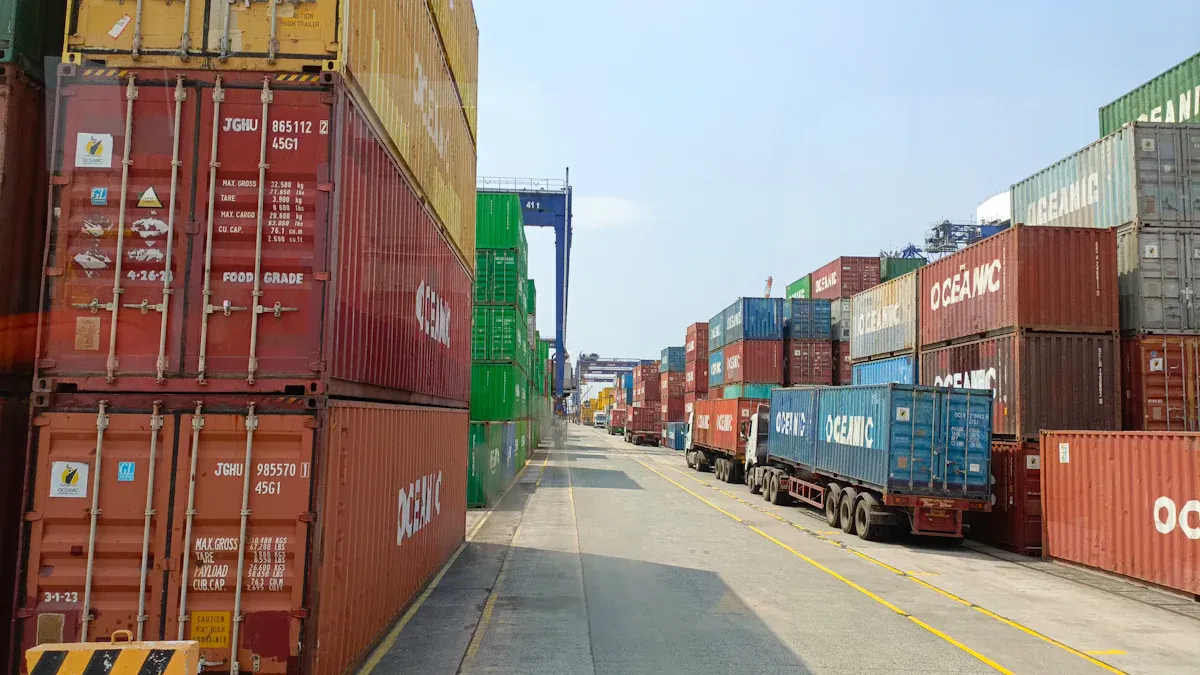
Regional freight forwarding expertise helps you do better in global logistics. You get a big benefit when you pick a partner who knows the local area. These experts know the right people. They can see problems before they happen. They help you skip expensive delays.
Local knowledge can mean the difference between easy delivery and big problems.
With this skill, your shipments move fast and get to the right place with fewer problems.
Key Takeaways
Pick a freight forwarder who knows the area well. This helps you avoid expensive delays and keeps shipping easy. - Good local networks help you save money. They also give you faster service because of strong connections. - Knowing the rules in each area is very important. It stops you from getting fines and helps you follow the law in global logistics. - Local knowledge helps fix problems faster. This lowers risks and keeps shipping costs under control. - Check possible partners for their local experience and use of technology. This will make your supply chain stronger.
What Is Regional Freight Forwarding Expertise
Regional freight forwarding expertise helps you do better in global logistics. You need more than just working worldwide. You also need to know the area and have good local contacts. This skill helps you fix problems fast and keep your shipments moving.
Local Networks and Relationships
You get help when your freight forwarder knows many people nearby. These people are agents, warehouses, and carriers who understand the area.
You can save money and get faster service because of these connections.
Local agents help you pick the best way to move your goods.
Forwarders close to customers and suppliers can give you choices that work for you.
Good relationships in many industries make importing and exporting easier.
Tip: A forwarder with strong local friends can often fix problems before they get worse.
Regional Regulations and Compliance
Every place has its own rules for moving goods. You must follow these rules or you might face delays and fines.
Here is a table that shows how rules and following them can be different:
Aspect | Logistics Cluster | Global Trade Compliance Advisory |
|---|---|---|
Primary Focus | Physical logistics efficiency | Regulatory adherence |
Scope | Regional, location-based | Global or region-specific |
Key Activities | Inventory management, transport | Legal audits, documentation reviews |
Expertise Needed | Supply chain analysts, IT staff | Trade lawyers, customs experts |
Geographical Impact | Localized (e.g., near a port) | Global, but region-specific |
You will see different problems in each area. For example, Asia-Pacific changes rules often, Europe wants lots of emissions data, and the Americas have tricky state and federal laws. You need a partner who knows about these changes.
Infrastructure and Market Knowledge
You need a forwarder who understands the local roads and ports. This means knowing which ports are busy, which roads are best, and how to skip traffic jams.
In Kenya, for example, forwarders help farmers send fresh food to Europe and the Middle East.
This kind of market knowledge helps local businesses sell to buyers in other countries.
A forwarder with regional freight forwarding expertise gives many services, knows about different cargo, and can handle hard shipping jobs. This knowledge helps you move goods well and avoid expensive mistakes.
Why Local Expertise Matters in Global Logistics
You want your shipments to move fast and stay safe. Local expertise helps you do this. When you work with someone who knows the area, you get more than just shipping. You get help with solving problems, saving money, and making good connections. This part shows why local expertise is important in global logistics.
Faster Problem Resolution
Shipping across borders can be hard. You might face customs delays, paperwork errors, or new rules. Local experts know how to fix these problems. They work with customs brokers who know the latest import and export rules. This is very helpful when things change in the government or there is trouble in the area.
Local partners know how to avoid customs delays.
They help you use the right steps and fill out the right papers.
Good customs brokers lower the chance of problems because they know the rules.
You save time and worry less when someone can fix problems early. Local knowledge helps your shipments move faster and get to the right place with fewer delays.
Risk Reduction and Cost Control
Shipping costs a lot if you do not have good help. Local expertise helps you save money and avoid risks. Companies with strong local freight forwarding partners can get better prices. These partners know many carriers and can find good deals.
You can pick from many carriers and get the best price.
You can check prices from different forwarders so you do not pay too much.
Local partners help you see hidden costs and stop surprise fees.
When you work with someone who knows the local market, you work better and save money. You also lower the chance of delays, fines, or lost shipments.
Building Strong Local Presence
Having a strong local presence gives you more than just fast shipping. It helps you make good relationships and change with the market. For example, Baker Hughes uses local partners to make their work smoother. They can handle local laws and road problems, so their products get to customers on time.
When your logistics partner is local, you get more choices. You can react fast to changes in what people want or need. The table below shows how a strong local presence helps your business:
Benefit | Explanation |
|---|---|
Proximity to Customers | Shorter delivery times make customers happy. |
Optimizing Transportation Costs | Shorter trips save money with better routes. |
Building Resilience | Local inventory helps you deal with problems in the area. |
Enhancing Responsiveness | You can change inventory for local needs. |
Value-Added Services | Local partners can add services like kitting and custom work, which saves time. |
Strengthening Local Presence | You build trust and get noticed by local businesses. |
You get more control and choices with a partner who has regional freight forwarding expertise. This helps you beat problems and reach your goals faster. Local expertise connects you to the right people, makes things work better, and helps you win in global logistics.
Key Regions and Industry Applications
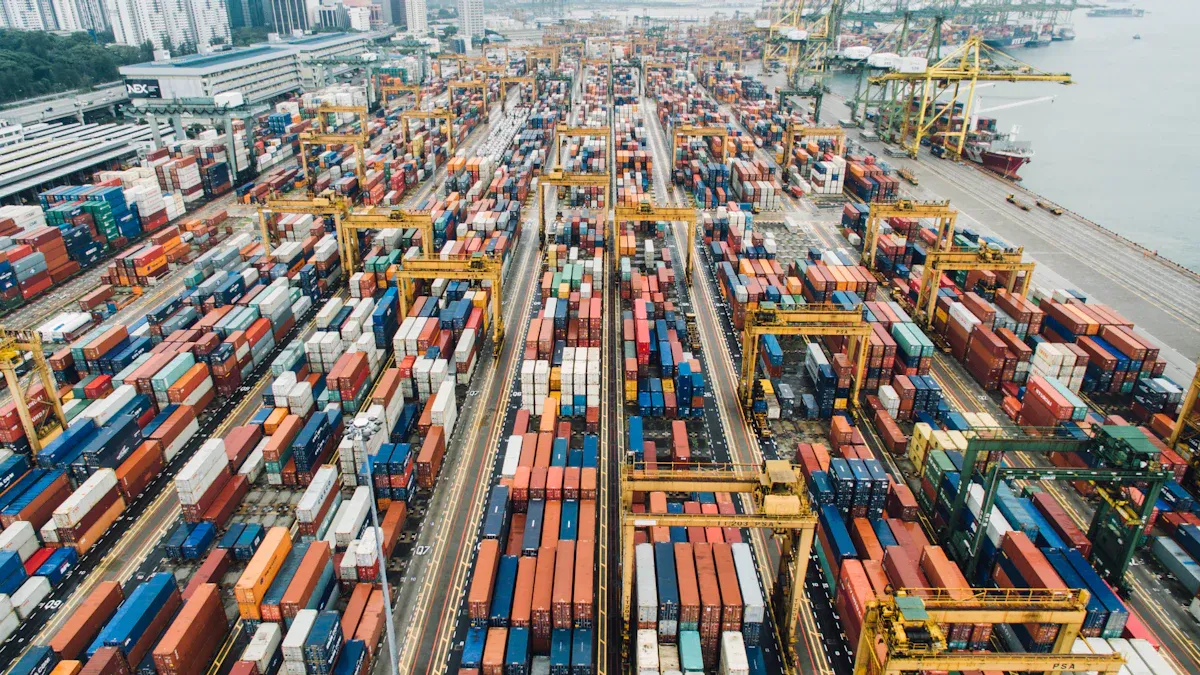
Asia-Pacific and North America
Asia-Pacific and North America have special shipping problems. In Asia-Pacific, there are many cultures and languages. There are also different legal systems. This makes shipping harder. You need regional freight forwarding expertise to help with these things. Local teams know how to work with rural roads and faraway places. E-commerce is growing fast in this area. People want things quickly and care about the environment. You need partners who understand these needs and can help.
North America has long distances and busy roads. You must move goods between the U.S., Canada, and Mexico. Local experts help you avoid border delays and pick good routes. They know about changing rules and weather problems. You save time and money when you work with people who know the area well.
Europe and Emerging Markets
Europe has many countries close together. There are strict customs rules and lots of paperwork. You must follow the rules and give emissions data. Local knowledge helps you move goods across borders. You need to know both EU and non-EU rules. Europe’s roads and trains are busy, so you must plan well.
Emerging markets, like Northern Brazil, have other problems. Roads and bridges are not always good. There are only a few ways to move goods. The Amazon rainforest makes travel hard. It takes longer and costs more to ship things. Local experts know how to get around these problems and keep things moving.
In Northern Brazil:
Few routes cause traffic jams.
Being far from other cities raises costs.
The rainforest makes shipping harder.
Industries Relying on Regional Expertise
Many industries need strong local partners. This is true for manufacturing, farming, stores, and healthcare.
Manufacturing needs good shipping to keep making products.
Farming needs fast transport for fresh food.
Stores need quick supply chains for customers.
Healthcare needs supplies delivered on time.
Big companies like Amazon, Walmart, and Nike build local centers and factories. They do this to get products to people faster. You can learn from them. When you pick partners with local knowledge, your supply chain gets stronger and can handle changes.
Evaluating Freight Forwarding Partners
Picking the right freight forwarding partner is very important. It can change how your supply chain works around the world. Regional freight forwarding expertise helps you solve problems and build strong supply chains. Here are ways to check if a partner has good local experience and why it matters.
Assessing Local Experience
You want a partner who really knows the area. They should have experience and be present locally. This helps you avoid customs delays and keeps your shipments moving. Use the table below to see what to look for:
Criteria | Description |
|---|---|
Lanes and commodity expertise | Check if they have done well on important routes and products. |
Customs brokerage coverage | In-house teams make following rules easier. |
Visibility technology | Ask them to show you their tracking tools. |
Service-level agreements (SLAs) | Look at how fast they respond and fix problems. |
Financial stability and memberships | See if they belong to industry groups. |
Representative responsiveness | Test how fast they answer when you ask for quotes. |
Liability and insurance transparency | Ask to see their insurance papers. |
SMB volume flexibility | Make sure they can handle both small and big orders. |
You should also see if they have good local contacts. Ask for stories about how they fixed hard shipping problems. Read reviews from other customers to learn about their real results.
Technology and Regional Knowledge
Technology helps you see where your shipments are and makes things work better. It lets you track shipments and find the best routes. But technology cannot do everything. You still need people who know the area well. You need both technology and local knowledge for the best results.
Digital Platform | Contribution to Regional Knowledge |
|---|---|
TRANSPARENT | |
CARGOCLOUD | Makes things faster and gives you data. |
DIGITALTRANS | Handles all parts of transport. |
NEOLOGISTICS | Watches and tracks your shipments. |
ROADSHIPPER | Helps with yard work and loading. |
MOVINGSTAR | Connects with fleet management. |
Ask your partner to show you how these tools work. Make sure they use technology to help their local skills, not replace them.
Combining Global and Local Strengths
You need a partner who can work worldwide and also knows the local area. This helps you get past problems in global shipping. The best partners build trust, join big networks, and use shared technology.
Best Practice | Description |
|---|---|
Trust Building | Working together and sharing values builds strong teams. |
Collaboration | Global networks give you more help and resources. |
Technology Integration | Using the same tools makes work faster and easier. |
Rigorous Vetting |
When you pick a partner with both global and local skills, you get more choices. Your supply chain can change and stay strong. This helps you do better and get good results.
Regional freight forwarding expertise helps you do better in global logistics. You get local knowledge, work faster, and can change plans easily. Look at the table below to see the main benefits:
Advantage | Description |
|---|---|
Local Knowledge | Makes customs and following rules easier. |
Operational Efficiency | Lets you group shipments and save money. |
Adaptability | Gives you choices that fit your needs. |
Digital Technology | Lets you track shipments and get quick updates. |
Environmental Sustainability | Helps you pick greener shipping options. |
Picking a partner with global skills and local know-how is key for good trade.
To make your supply chain strong, you can:
Look for weak spots in your system.
Find backup suppliers and other ways to ship.
Use tracking tools to see where things are.
Test your plans many times.
You should check your shipping plans now. Local experts help you stay ready and keep your business running.
FAQ
Why do freight forwarders need local culture knowledge?
Freight forwarders need to know about local culture. This helps them talk to people better and not make mistakes. When they understand customs, they can build trust. They can fix problems faster. This makes global trade easier. Your freight gets to where it should go without delays.
How does regional expertise help with global trade?
Regional expertise helps freight forwarders follow local rules fast. You get fewer delays and save money. Experts help your freight move quickly. Your trade can grow. You can trust your shipments will be safe, even in places like Africa.
What risks do you face without local freight knowledge?
If you do not have local freight knowledge, you may face delays. You might pay extra fees or lose shipments. Forwarders without local experience have trouble with paperwork. They do not know the local culture. You could lose money and hurt your trade. Local expertise keeps your freight safe and your business strong.
How do freight forwarders improve supply chains in Africa?
Freight forwarders in Africa know the best ways to move goods. They understand the local culture. You get faster deliveries and fewer problems. They help you follow trade rules and avoid mistakes. Your freight moves well, even where roads are bad.
Why should you choose freight forwarders with strong local networks?
You should pick freight forwarders with strong local networks. They fix problems fast. You get better prices and good service. Local contacts help your freight avoid delays. They support your global trade. Your business grows when you trust experts who know the area.
See Also
PGL's Knowledge in Worldwide Logistics and Supply Chain
Key Strategies for Effective Global Logistics Management
Leading Global Logistics Enhances West Coast Freight Services
Simplifying Cross-Border Freight on the West Coast
Enhancing Global Operations Through Innovative Logistics Solutions
