How to Properly Use Freight Cargo Receipts: Best Practices for Air Freight Consoles

Air freight consolidation allows multiple shipments to move together as a consolidated cargo movement. This approach can improve transportation efficiency, but it also creates additional documentation requirements.
When several individual shipments are combined, logistics teams need accurate records showing what was received, who delivered it, how much cargo entered the consolidation process, and how the individual shipments relate to the overall movement.
Freight cargo receipts play an important role in this process.
For air freight consoles, a properly managed cargo receipt can help connect individual shipper cargo with the forwarder’s consolidation operation. It can also support warehouse control, shipment reconciliation, cargo claims, and documentation accuracy.
This guide explains how freight cargo receipts should be used in air freight consolidation and outlines practical best practices for avoiding common documentation problems.
What Is a Freight Cargo Receipt?
A freight cargo receipt is a record acknowledging that cargo has been received by a logistics party.
In an air freight consolidation environment, the receiving party is often a freight forwarder or consolidation facility.
The receipt may identify:
· Shipper
· Consignee
· Shipment reference
· Package count
· Cargo description
· Weight
· Dimensions
· Receipt date
· Receiving location
· Cargo condition
The specific format varies between logistics operations.
The important point is that the receipt establishes a documented handover.

What Is an Air Freight Console?
An air freight console, or consolidation, is a shipment arrangement in which cargo from multiple shippers is grouped into a consolidated movement for air transportation.
A simplified structure is:
Individual Shipments → Consolidation Facility → Consolidated Air Freight Movement → Destination Handling → Individual Consignees
The individual shipments do not lose their identities simply because they are consolidated.
Each shipment still needs accurate documentation and traceability.
This is where freight cargo receipts become particularly valuable.
Why Cargo Receipts Matter in Air Freight Consolidation
Consolidation creates a potential documentation problem.
Imagine a warehouse receiving twenty individual shipments during one afternoon. Those shipments may later be grouped into several consolidated movements.
Without accurate receipt records, it becomes difficult to determine:
· Which cargo was received
· Which shipment belongs to which consolidation
· How much cargo was received
· Whether all packages were accounted for
· Whether any shipment arrived damaged
· When custody began
A properly completed receipt creates the first reliable checkpoint.
Step 1: Verify the Shipment Before Receipt
Before cargo enters the consolidation process, the receiving team should verify the shipment information.
Key checks include:
· Shipment reference
· Shipper
· Consignee
· Number of packages
· Weight
· Dimensions
· Cargo description
· Special handling requirements
If the physical cargo does not match the shipping information, the discrepancy should be investigated before the shipment is treated as fully received.
Step 2: Check Package Count
Package count is one of the simplest and most important checks.
For example, if the shipping instruction states five cartons but only four are physically received, the receipt should not simply record five cartons because the paperwork says so.
The discrepancy should be documented.
Accurate package counts become especially important when multiple shipments are consolidated.
A missing package in a consolidation can create a surprisingly large investigation because the cargo may pass through several facilities before the problem is identified.
Step 3: Verify Weight and Dimensions
Weight and dimensions can affect air freight planning, billing, capacity allocation, and documentation.
The receiving team should compare declared information with the actual cargo where measurement procedures require verification.
Particular attention should be given to significant discrepancies.
A shipment that is substantially heavier or larger than declared may require documentation updates and operational adjustments.
Step 4: Inspect Visible Cargo Condition
Cargo should be inspected for obvious external damage at the time of receipt.
Relevant observations may include:
· Torn packaging
· Crushed cartons
· Broken straps
· Wet packaging
· Punctures
· Missing labels
· Visible leakage
· Other apparent irregularities
The goal is not to perform a full technical inspection of every product.
The goal is to establish a reasonable record of the cargo’s apparent condition when received.
Step 5: Record Exceptions Clearly
When a problem is identified, vague descriptions are not particularly useful.
For example, “damaged” provides little information.
A more useful record might identify:
· Which package was affected
· Where the damage was visible
· What type of damage was observed
· Whether the contents were exposed
· Whether photographs were taken
Specific records make later investigation easier.
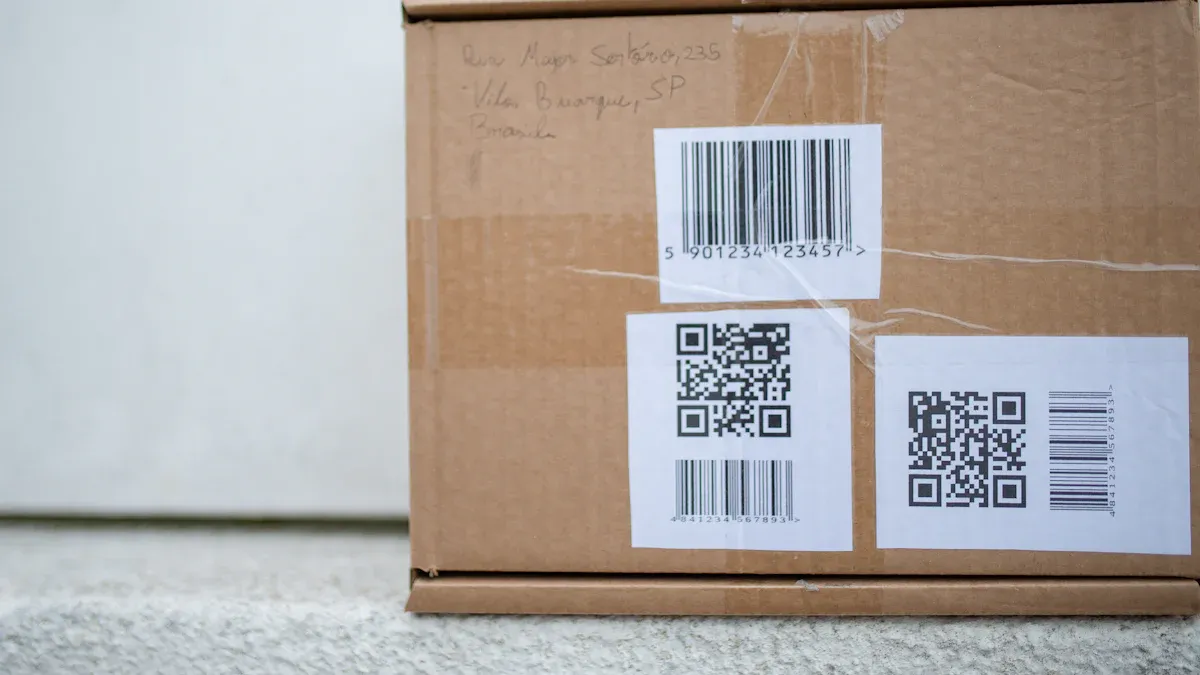
Step 6: Assign a Clear Shipment Reference
Every individual shipment in a consolidation should be traceable through a unique reference.
The reference should connect the cargo receipt with relevant:
· Booking information
· Warehouse records
· Consolidation records
· Transportation documents
· Delivery records
This creates a documentary chain from initial receipt through final delivery.
Step 7: Maintain the Link Between House Shipments and the Consolidation
One of the most important tasks in consolidation is maintaining the relationship between individual shipments and the consolidated movement.
A typical structure may look like:
Individual Shipment A + Individual Shipment B + Individual Shipment C → Consolidated Movement X
Each individual cargo receipt should remain connected to the corresponding shipment record.
If that relationship is lost, tracing an individual package through the consolidated movement becomes much harder.
Step 8: Reconcile Cargo Before Departure
Before the consolidated cargo is handed over for air transportation, the logistics team should perform a reconciliation.
The objective is to confirm that:
· All expected shipments are present
· Package counts are correct
· Weight information is consistent
· Documentation is complete
· Exceptions have been recorded
· Special handling requirements are identified
This is an important control point.
Errors discovered after departure can be much more expensive and time-consuming to correct.
Cargo Receipt Best Practices for Air Freight Consoles
Several best practices can make the process more reliable.
Use Standardized Receipt Fields
A consistent receipt format reduces omissions.
Core fields should be clearly defined and used across shipments.
Separate Declared and Verified Information
If the shipper provides a declared weight and the warehouse later verifies a different weight, the system should make that distinction clear.
Record Exceptions at the Point of Receipt
Do not depend on memory.
The longer a discrepancy remains undocumented, the harder it becomes to determine where it originated.
Use Time-Stamped Records
Receipt time can be important when multiple parties handle cargo during the same day.
Maintain Document Consistency
The cargo receipt, shipment record, packing information, and transportation documentation should tell the same basic story.
Use Photographic Evidence When Appropriate
Photographs can supplement written damage descriptions, especially for significant visible damage.
Common Cargo Receipt Mistakes in Consolidation
Recording Documents Without Checking Physical Cargo
Paperwork can be correct while the physical shipment is not.
Combining Shipments Without Maintaining Individual References
Consolidation does not mean documentation should become anonymous.
Ignoring Weight Differences
Significant weight discrepancies can affect both operational planning and commercial calculations.
Failing to Record Visible Damage
Unrecorded damage can complicate later claims.
Losing the Receipt-to-Consolidation Relationship
Every individual shipment should remain traceable to its consolidated movement.
How Cargo Receipts Support Cargo Claims
Suppose a package arrives at destination with external damage.
Investigators may need to determine where that damage occurred.
The cargo receipt from the original receiving point can establish the condition observed at the beginning of the forwarding process.
Additional records can then provide later checkpoints.
For example:
Initial Receipt → Warehouse Handling → Consolidation → Airport Handover → Air Transportation → Destination Handling → Delivery
The more accurately each stage is documented, the easier it is to identify where an exception may have occurred.
Digital Cargo Receipts in Air Freight
Digital documentation can make consolidation management more efficient.
A digital cargo receipt can be connected to a shipment management system, allowing teams to access receipt information alongside other shipment data.
Potential benefits include:
· Faster retrieval
· Reduced manual entry
· Better visibility
· Automated timestamps
· Easier reconciliation
· Improved audit trails
However, digital systems should include appropriate access controls and data integrity measures.
Automation does not eliminate the need for accurate physical checks. It simply makes it easier to record the results.
Freight Cargo Receipt Checklist
Before completing a receipt, the receiving team can verify:
· Shipment reference confirmed
· Shipper information checked
· Consignee information checked
· Package count verified
· Weight reviewed
· Dimensions reviewed where required
· Cargo condition inspected
· Visible exceptions recorded
· Labels checked
· Special handling requirements identified
· Receipt time recorded
· Receipt linked to consolidation reference
· Supporting documentation retained
This simple checklist can prevent many avoidable errors.
Frequently Asked Questions
What is the purpose of a freight cargo receipt?
Its main purpose is to document that cargo was received by a logistics party and to record important shipment details at the time of handover.
Why is a cargo receipt important for air freight consolidation?
Because consolidated shipments contain multiple individual consignments, receipt records help maintain traceability and confirm that each shipment entered the consolidation process correctly.
Should damaged cargo be noted on the receipt?
Yes. Visible damage or other significant irregularities should generally be documented at the time of receipt.
Should the receipt show actual or declared weight?
That depends on the operational procedure. Where verification is performed, the record should clearly distinguish declared information from verified measurements.
Can electronic cargo receipts be used?
Yes. Electronic receipts are widely suitable for logistics operations when they provide reliable records, appropriate security, and adequate traceability.
Conclusion
Freight cargo receipts are a small part of the air freight documentation system, but their operational value is significant.
In a consolidated shipment, they establish the connection between individual cargo and the larger transportation movement. They also provide an early record of package quantity, shipment information, and apparent cargo condition.
The most effective approach is straightforward: verify the physical shipment, record discrepancies immediately, maintain consistent references, connect individual shipments to the consolidation, and preserve the resulting documentation.
Good cargo receipt management will not make international logistics magically simple. Humanity has apparently decided that moving a box across a border requires several layers of paperwork. But accurate receipt procedures can at least make the process more traceable, auditable, and manageable.
See Also
PGL Ensures Timely Movement Of Your eCommerce Inventory
Key LCL Shipping Steps For Panama Exports By PGL
Navigating The LCL Export Process In Panama With PGL
PGL Transports Goods Seamlessly Between Warehouses
Reliable Ocean Shipping Services By PGL From Major U.S. Ports

