From One Warehouse to Another – Premier Global Logistics Delivers
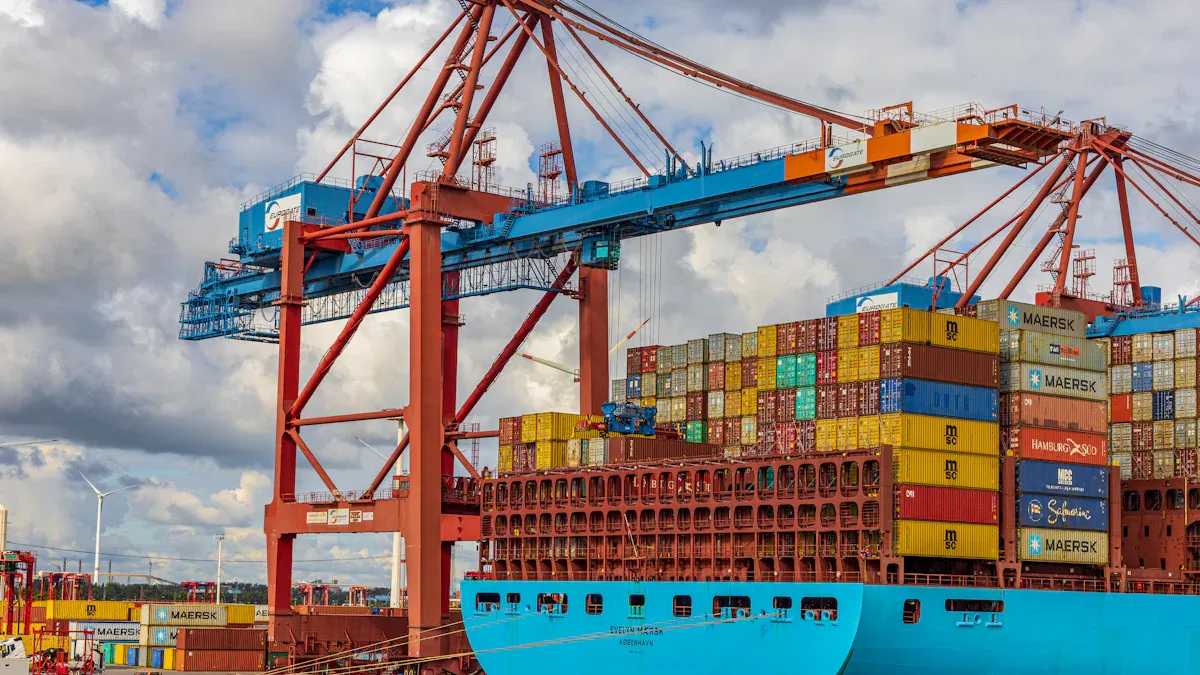
Strategic warehouse locations can have a major impact on transportation costs, delivery speed, inventory levels, and overall supply chain performance. For businesses operating across multiple regions or countries, choosing where inventory should be stored is not simply a real estate decision. It is a network design decision that affects almost every stage of distribution.
A warehouse positioned close to customers can reduce outbound transportation distances and improve delivery times. A warehouse located near a major port can simplify inbound international freight. A facility near a large labor market may improve staffing flexibility. However, a location with higher rent may increase fixed costs, while a remote facility may create transportation expenses that outweigh the savings on warehouse space.
This is why businesses need to evaluate warehouse locations as part of the entire logistics network.
Strategic warehouse location planning involves analyzing customer demand, supplier locations, transportation infrastructure, inventory requirements, labor availability, operating costs, market access, risk, and future growth.
This guide explains how businesses can evaluate global distribution points and select warehouse locations that support efficient, scalable supply chain operations.
Why Warehouse Location Matters
Warehouse location determines how far inventory must travel before reaching its destination.
That distance affects:
• Transportation costs
• Delivery times
• Fuel consumption
• Carrier availability
• Inventory replenishment
• Safety stock requirements
• Order fulfillment performance
Warehouse location also affects inbound logistics.
If inventory is imported by ocean freight, proximity to a major port can reduce inland transportation requirements.
If inventory arrives primarily by air, access to an international airport may be more important.

The correct location depends on the physical flow of the supply chain.
Warehouse Location Is a Network Decision
A warehouse should not be evaluated independently.
Consider the complete supply chain:
Supplier → Origin Transportation → Port or Airport → Warehouse → Regional Distribution → Final Delivery
Each segment contributes to total logistics cost.
A warehouse with low rent may appear attractive until transportation costs are included.
Similarly, a warehouse with high rent may be economically efficient if it significantly reduces outbound transportation distances.
The objective is to optimize the entire network rather than minimize one individual expense.
Start With Customer Demand
The first question in warehouse location planning should be:
Where are the customers?
Businesses should analyze historical order data by:
• Country
• State or province
• City
• Postal code
• Sales region
• Order volume
• Revenue
• Product category
A geographic demand map can reveal where inventory is actually needed.
For example, if most orders are concentrated in a particular region, a warehouse near that demand center may provide greater transportation efficiency than a facility located near a supplier.
Demand Distribution and Warehouse Placement
Customer demand is rarely distributed evenly.
A business may have:
• High demand in major metropolitan areas
• Moderate demand in secondary markets
• Low demand in remote regions
Warehouse placement should reflect this pattern.
High-demand regions may justify dedicated inventory.
Lower-demand regions may be served through a centralized warehouse.
This approach can prevent unnecessary duplication of inventory.
Analyze Supplier Locations
Customer locations are only one side of the equation.
Businesses should also examine where inventory originates.
Supplier concentration can strongly influence warehouse strategy.
If most inventory comes from one manufacturing region, a warehouse near an import gateway may be useful.
If suppliers are geographically dispersed, a different consolidation strategy may be required.
Inbound and outbound transportation should be evaluated together.
Port Accessibility
For businesses importing or exporting large volumes, port access is an important warehouse location factor.
A warehouse near a major container port can potentially reduce inland transportation distance.
However, proximity alone does not guarantee lower logistics costs.
Businesses should also evaluate:
• Port congestion
• Drayage availability
• Trucking capacity
• Warehouse appointment requirements
• Road access
• Container pickup conditions
• Operating hours
A warehouse located slightly farther from a port may still be more efficient if it provides better highway access or more reliable trucking capacity.
Airport Accessibility
Air freight operations require a different location strategy.
Businesses handling time-sensitive or high-value shipments may benefit from warehouse access to international airports.

Airport proximity can be particularly relevant for:
• Electronics
• High-value products
• Urgent replacement parts
• Samples
• Time-sensitive inventory
• International ecommerce shipments
Businesses should compare airport transportation costs with ocean and ground alternatives.
Highway and Road Infrastructure
Road access is critical for most warehouse operations.
A strategically located facility should provide practical access to major highways and regional transportation routes.
Important considerations include:
• Distance to major highways
• Truck restrictions
• Traffic patterns
• Bridge limitations
• Road conditions
• Delivery time variability
A warehouse may be geographically close to customers but operationally difficult to reach because of congestion or transportation restrictions.
Rail Connectivity
Rail can be important for businesses moving large quantities of inventory over long distances.
Rail-connected warehouses may support:
• Container transportation
• Intermodal freight
• Bulk cargo
• Long-distance distribution
Businesses using rail should consider the complete intermodal connection between ports, rail terminals, warehouses, and final destinations.
Labor Availability
Warehouse operations require people.
Businesses should evaluate local labor markets based on:
• Workforce size
• Warehouse experience
• Wage levels
• Labor availability
• Seasonal labor
• Employee turnover
• Transportation access for workers
Labor cost should not be considered independently.
Productivity matters as well.
A location with slightly higher wages may provide better productivity and lower total labor cost per order.
Warehouse Rental and Operating Costs
Warehouse rent is an obvious consideration, but it should not be the only cost.
Other expenses can include:
• Utilities
• Property-related costs
• Security
• Maintenance
• Equipment
• Labor
• Insurance
• Taxes
• Technology
• Waste handling
• Transportation
Businesses should calculate total occupancy and operating cost.
This provides a more accurate comparison between candidate locations.
Inventory Carrying Cost
Warehouse location can also influence inventory carrying costs.
A distributed warehouse network may require additional safety stock at multiple facilities.
For example, a business operating three warehouses may need to maintain reserve inventory at each location.
This can increase total inventory investment.
A centralized network may reduce inventory duplication but increase transportation distances.
The warehouse location decision therefore affects both transportation cost and inventory cost.
Delivery Speed Requirements
Customer delivery expectations should influence warehouse placement.
Businesses should determine:
• Required delivery time
• Same-day requirements
• Next-day requirements
• Standard delivery requirements
• International delivery targets
A business selling time-sensitive products may require more strategically distributed inventory.
A business with flexible delivery expectations may benefit from a more centralized model.
Single Warehouse Versus Multiple Warehouses
One of the most important network decisions is whether to use one warehouse or several.
Single Warehouse Model
A single facility provides:
• Simplified inventory management
• Lower inventory duplication
• Centralized operations
• Easier administration
However, it may create longer transportation distances.
Multi-Warehouse Model
Multiple facilities can provide:
• Shorter delivery distances
• Faster regional fulfillment
• Greater geographic coverage
• Reduced dependence on one facility
However, they also create:
• More complex inventory management
• Higher safety stock requirements
• Additional operating costs
• More complicated order routing
The appropriate model depends on demand density and logistics economics.
Regional Distribution Centers
Regional distribution centers can provide a middle ground between centralized and highly distributed networks.
One facility may serve a defined geographic region.
For example, a business may divide its network into:
• West region
• Central region
• East region
Inventory can then be allocated according to regional demand.
This structure may reduce outbound transportation distances without creating excessive warehouse duplication.
International Warehouse Locations
Global businesses face additional location considerations.
A warehouse in one country may serve several neighboring markets.
Businesses should evaluate:
• Customs procedures
• Import regulations
• Tax considerations
• Transportation infrastructure
• Labor
• Warehouse costs
• Local delivery networks
• Market size
The most convenient geographic location is not always the most efficient international logistics location.
Customs and Border Considerations
Cross-border inventory movements can create additional costs and administrative requirements.
Businesses should evaluate:
• Import procedures
• Export procedures
• Duties
• Taxes
• Documentation
• Product classification
• Country-of-origin requirements
• Customs clearance processes
Warehouse location should be selected with the customs flow in mind.
A poorly designed cross-border network can create delays even when the warehouse itself is operationally efficient.
Time Zone Considerations
Time zones can affect communication and order processing.
A global business operating warehouses across multiple regions may need to coordinate:
• Customer service
• Order processing
• Transportation
• Inventory transfers
• Supplier communication
Time-zone differences can also affect response times when operational problems occur.
For international networks, communication procedures should be clearly defined.
Warehouse Capacity and Expansion Potential
A warehouse should support expected future growth.
Businesses should evaluate:
• Current available space
• Additional expansion space
• Dock capacity
• Ceiling height
• Storage density
• Parking
• Truck access
• Labor capacity
A facility that is perfect for today's inventory may become insufficient after rapid growth.
Moving warehouses is expensive and disruptive, so future requirements should be considered before signing a long-term agreement.
Warehouse Layout
Location is only one part of facility efficiency.
The warehouse itself should support efficient material flow.
A basic flow may be:
Receiving → Storage → Picking → Packing → Shipping
Businesses should evaluate whether the facility has enough space for each activity.
Insufficient staging space can create congestion even when total warehouse square footage appears adequate.
Technology Infrastructure
Modern fulfillment operations depend on reliable technology.
Warehouse locations should support:
• Internet connectivity
• Warehouse management systems
• Inventory tracking
• Barcode scanning
• Order integration
• Transportation systems
• Reporting
Technology infrastructure should be evaluated before selecting a facility.
Poor connectivity can create operational problems that have nothing to do with warehouse size.
Transportation Carrier Availability
A warehouse should have access to reliable transportation providers.
Businesses should evaluate:
• Parcel carriers
• LTL carriers
• FTL carriers
• Drayage providers
• Air freight
• Ocean freight
• Intermodal transportation
Carrier availability can affect both cost and service reliability.
A location with many transportation options may provide greater flexibility during capacity shortages.
Risk and Business Continuity
Warehouse location should also be evaluated from a risk perspective.
Potential risks include:
• Severe weather
• Flooding
• Earthquakes
• Wildfires
• Transportation disruptions
• Labor shortages
• Utility interruptions
• Political or regulatory changes
• Infrastructure failures
Businesses should assess the risk profile of candidate locations.
Critical inventory may require backup storage or alternative distribution plans.
Geographic Diversification
Using multiple warehouses can reduce dependence on one geographic location.
If one facility experiences a disruption, another facility may continue serving customers.
However, geographic diversification creates additional inventory and management costs.
The decision should balance resilience with operational efficiency.
Warehouse Location and Product Characteristics
Different products require different warehouse strategies.
Heavy products may benefit from locations with efficient ground transportation.
High-value products may require secure facilities.
Temperature-sensitive products may require specialized warehouses.
Fast-moving products may require high-throughput facilities.
Oversized products may require larger storage and handling areas.
Product characteristics should therefore be included in warehouse location analysis.
Seasonality
Seasonal businesses need to consider temporary changes in demand.
A warehouse location that performs well during normal demand may experience capacity problems during peak periods.
Businesses should evaluate:
• Peak inventory levels
• Peak order volume
• Temporary labor availability
• Transportation capacity
• Additional storage options
Flexibility is especially important for seasonal operations.
Warehouse Location Analysis Using Total Cost
A useful warehouse location analysis should consider multiple cost categories.
Total logistics cost may include:
Warehouse Cost + Inbound Transportation + Outbound Transportation + Inventory Carrying Cost + Handling Cost + Labor Cost + Additional Network Costs
This broader calculation provides a more realistic picture.
For example, saving $2 per square foot in warehouse rent may have little value if the location adds substantial transportation costs to every shipment.
The goal is not to find the cheapest warehouse.
The goal is to find the most efficient overall network.
A Step-by-Step Warehouse Location Selection Process
Step 1: Collect Historical Order Data
Analyze shipment destinations and volumes.
Step 2: Map Customer Demand
Identify major geographic demand centers.
Step 3: Map Supplier Locations
Identify where inventory originates.
Step 4: Identify Transportation Gateways
Review ports, airports, highways, rail terminals, and carrier networks.
Step 5: Develop Candidate Locations
Create a list of realistic warehouse regions.
Step 6: Estimate Warehouse Costs
Calculate rent, labor, utilities, equipment, and other operating expenses.
Step 7: Estimate Transportation Costs
Calculate inbound and outbound transportation requirements.
Step 8: Model Inventory Requirements
Estimate safety stock and inventory duplication.
Step 9: Evaluate Risk
Assess weather, infrastructure, labor, and transportation risks.
Step 10: Compare Network Scenarios
Test single-warehouse and multi-warehouse models.
Step 11: Select the Network
Choose the structure that best fits the business's operational requirements.
Step 12: Review Periodically
Reevaluate the network as demand changes.
Using Technology for Warehouse Network Planning
Technology can improve warehouse location analysis.
Businesses can use transportation and supply chain data to model:
• Delivery distances
• Shipping costs
• Order density
• Warehouse utilization
• Inventory positioning
• Transportation routes
Scenario modeling can compare different warehouse configurations before a physical investment is made.
This can reduce the risk of choosing a location based only on intuition.
Common Warehouse Location Mistakes
Choosing the Cheapest Warehouse
Low rent does not necessarily mean low total logistics cost.
Focusing Only on Customers
Supplier and transportation considerations are equally important.
Ignoring Labor
A warehouse cannot operate efficiently without sufficient labor.
Underestimating Growth
Future inventory and order volume should be included in planning.
Ignoring Transportation Capacity
Carrier shortages can create serious operational problems.
Using One Location Without a Backup Plan
Critical operations may require contingency planning.
Overbuilding the Network
Too many warehouses can increase inventory and operating costs unnecessarily.
Global Warehouse Location Strategy
For international businesses, warehouse location should evolve with market expansion.
A company may begin with one regional warehouse.
As demand grows, additional facilities can be added where order density justifies them.
A possible development strategy is:
Stage 1: Centralized warehouse
Stage 2: Regional warehouse
Stage 3: Multi-region network
Stage 4: Optimized international distribution network
The timing of each stage should be based on actual demand and total logistics economics.
Conclusion
Strategic warehouse locations are fundamental to efficient distribution.
The right warehouse can reduce transportation distances, improve delivery performance, support inventory availability, and provide a foundation for future growth.
However, warehouse location should never be selected based on rent or geographic convenience alone.
Businesses should analyze customer demand, supplier locations, ports, airports, highways, labor markets, warehouse costs, inventory requirements, transportation options, customs considerations, technology infrastructure, and geographic risks.
The decision between a centralized warehouse and a distributed network should be based on the total cost and service requirements of the entire supply chain.
A successful warehouse location strategy also needs to remain flexible. Customer demand changes, markets expand, transportation costs fluctuate, and product portfolios evolve. The optimal distribution network today may not be the optimal network several years from now.
By using accurate demand data, transportation analysis, inventory modeling, and facility-level cost comparisons, businesses can make more informed decisions about where to position inventory.
Ultimately, the purpose of strategic warehouse location planning is simple: place the right inventory in the right geographic position so that products can move from suppliers to customers efficiently, reliably, and at a sustainable cost.
When warehouse location is treated as a complete supply chain strategy rather than a basic real estate decision, businesses can build distribution networks that are more efficient, scalable, and resilient.
See Also
West Coast Multi-Channel Fulfillment Services By Premier Global Logistics
Reliable East Coast Cold Chain Warehousing Offered By Premier Logistics
Partner With Premier Logistics For Multiple Dispatches From One Shipment
Fast Order Fulfillment With Premier Logistics Warehousing In NJ And FL
Understanding Premier Logistics B2B Warehousing And Distribution On East Coast

