How to Move a Shipping Container a Short Distance Safely
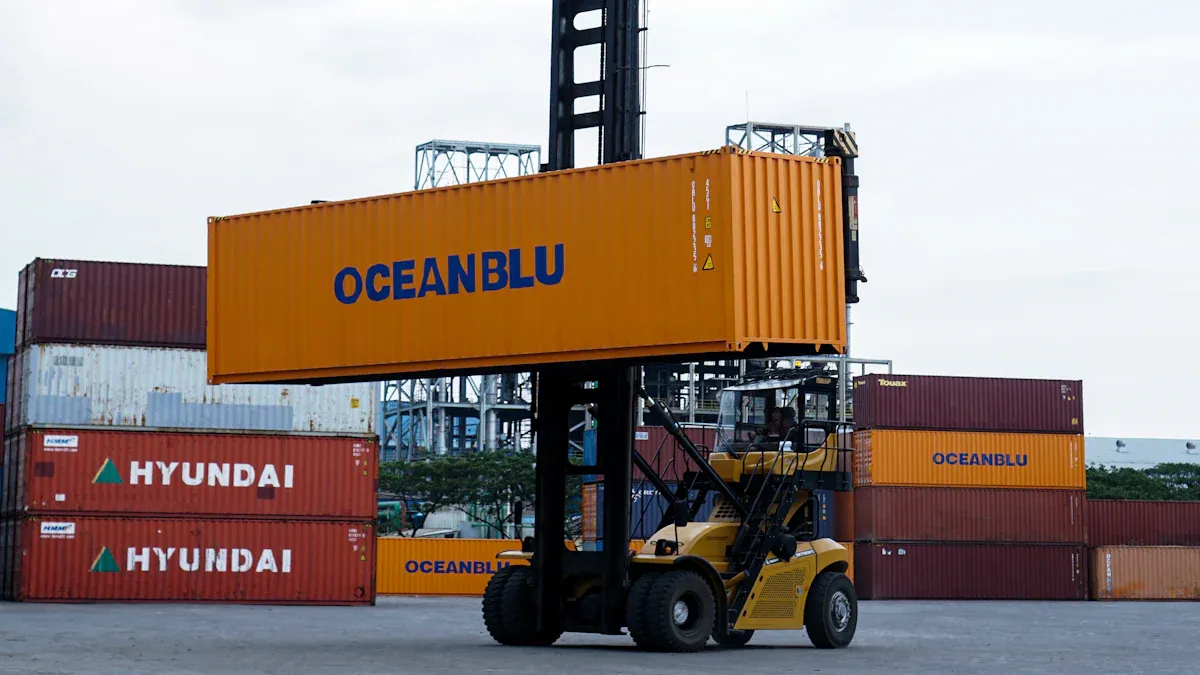
You can move a shipping container a short distance safely when you plan ahead and use the right tools. Always check your equipment before you start. Many accidents happen because people rush or skip safety steps. Sun and rain can weaken containers, so look for rust or dents before moving. Mishandling with a forklift or tractor can cause damage, too. For short distance container transport, clear your path and make sure the ground is even. Take your time and double-check everything before you lift or roll the container.
Key Takeaways
Always inspect your shipping container for damage and rust before moving. This helps prevent accidents and ensures safe transport.
Choose the right equipment based on your container's weight and the terrain. Forklifts work well on flat surfaces, while tractors are better for rough ground.
Prepare your site by clearing obstacles and ensuring the ground is level. A solid foundation prevents containers from shifting or sinking.
Use proper securing techniques during transport. Always check that your lashing gear is tight and in good condition to avoid shifting.
Wear appropriate personal safety gear, including hard hats and steel-toe boots, to protect yourself during the moving process.
Short Distance Container Transport Methods
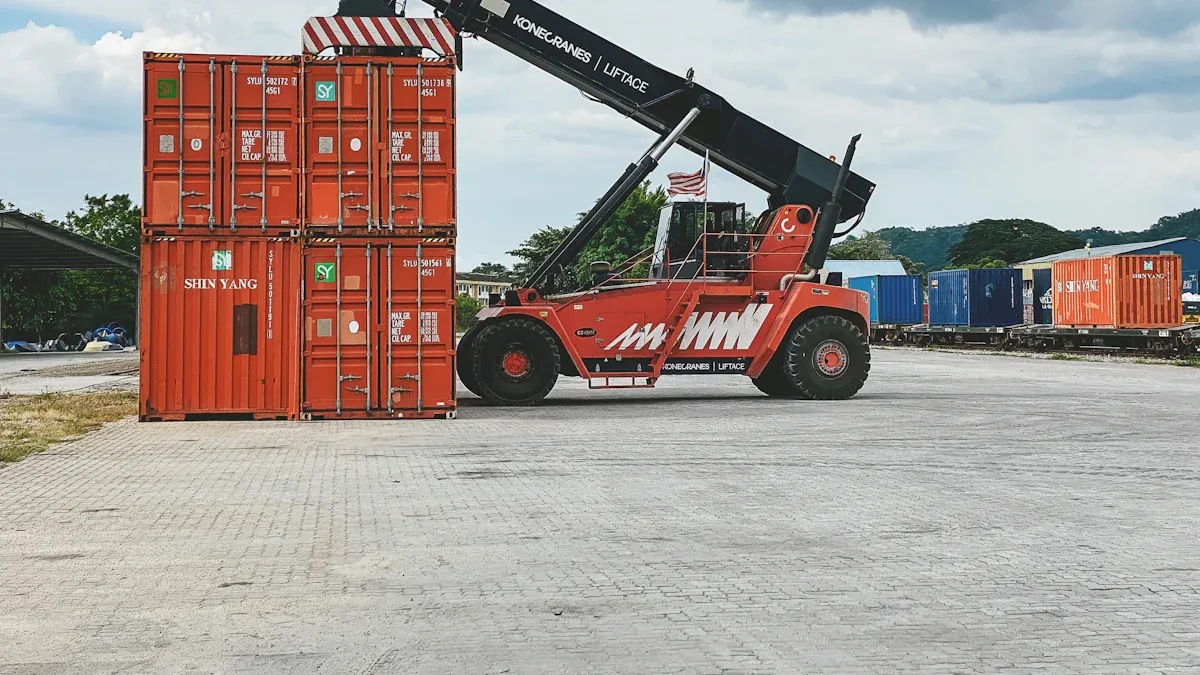
When you need to handle short distance container transport, you have several good options. Each method works best in different situations. Let’s look at the most common ways to move a shipping container a short distance and see how they compare.
Forklifts and Tractors
Forklifts and tractors are popular for short distance container transport, especially on private property or in warehouses. Forklifts move containers quickly and work well indoors. You’ll find them handy if you have wide, clear paths. But, you need a forklift with enough lifting power—at least 15,000 to 20,000 pounds for most containers. Standard forklifts can’t handle a fully loaded container, so always check the weight first.
Tractors shine when you need to cross rough ground or move containers outside. They offer strong hauling power and work well in rural areas. If you have a big yard or uneven terrain, a tractor might be your best bet.
Tip: Only use forklifts if you have a trained operator. Tractors need careful handling, too.
Wheel Dollies and Mount Systems
Wheel dollies and mount systems make short distance container transport easier in tight spaces. Dollies are simple to use and don’t need special training. They fit under the container and let you roll it where you want. This method works great in warehouses or storage yards with narrow paths.
Here’s a quick look at some dolly types:
Dolly Type | Load Capacity | Best Use |
|---|---|---|
DynaDolly | 5 to 15 tons | Versatile, many surfaces |
JUNG Dollies | 28 to 60 tons | Heavy loads, stable |
TriWich Wheel Dollies | Up to 60,000 lbs per tire | Industrial, heavy containers |
Dollies cost less than forklifts and need little upkeep. But, they work best for moderate loads and short moves under 50 feet.
Cranes and Custom Trailers
Sometimes, you need more muscle for short distance container transport. Cranes and custom trailers help when you have limited access or need to lift a container over obstacles. Cranes can place containers exactly where you want, even in tight spots. Always use the reinforced corners for lifting and make sure the ground is level.
Custom trailers, like tilt-bed models, let you load and unload containers without extra equipment. These work well if you need to move a container across a site with tricky terrain.
Note: Always plan your path and talk with your team before using cranes or trailers. Safety comes first!
Equipment and Preparation

Tools and Machinery Needed
Before you start any short distance container transport, you need the right tools for the job. The equipment you choose depends on your method and the size of your container. Here’s a quick list to help you get started:
Forklift, tractor, or small crane (pick one based on your container’s weight)
Flatbed or step-deck truck for 40-foot containers
Tilt bed truck or strong forklift for 20-foot containers
HitchWich for towing with heavy-duty vehicles
Tri-Up System for lifting containers off flatbeds
Shipping container wheels or bolt-on caster wheels for mobility
Pipe rollers (steel or strong PVC), bottle jack, and pry bar for rolling
Come-along winch with a skid platform and grease or soap for sliding
Heavy-duty tow straps and a powerful vehicle for towing
Manual push with a crew and rollers for very short moves
You can also look at some trusted brands and models. SANY loaded container handlers lift up to 90,000 lbs and work well in busy ports. For smaller jobs, LiftWich and AnyWich systems offer safe movement in tight spaces. Wheel dollies and HitchWich help you move containers quickly, even in small yards.
Brand/Model | Description |
|---|---|
LiftWich | Dolly system for safe movement in small yards or workshops |
AnyWich | Modular caster system for flexible handling in compact spaces |
Wheel Dollies | Heavy-duty dollies for cars, trailers, and containers |
HitchWich | Towing system for forklifts or trucks, great for tight spaces |
Tri-Up | Heavy-duty lifting system for large operations |
Tip: Always match your equipment to your container’s weight and the ground conditions.
Site and Container Prep
Getting your site ready is just as important as having the right tools. Start by checking the ground where you plan to move the container. Make sure it’s level and strong enough to hold the weight. A solid foundation keeps your container from sinking or shifting, which can cause big problems later.
Walk the path you’ll use for moving. Clear away rocks, debris, or anything that could get in the way. If you skip this step, your container might get stuck or damaged.
Now, inspect your container before you move it. Here’s a simple checklist:
Check corners and seams for damage or rust.
Read the CSC plate for details and maintenance history.
Test doors and locks to make sure they work.
Look at the roof for dents or corrosion.
Scan for surface blemishes or structural rust.
Go inside and check for cracks, leaks, or light coming through.
Make sure it’s dry, clean, and free of odors.
Look for sharp edges or protrusions.
If it’s a refrigerated container, test the temperature controls.
Watch for signs of warping or wear.
Note: Careful prep helps you avoid costly repairs and keeps your short distance container transport safe and smooth.
Step-by-Step Moving Guide
Moving a shipping container, even just a few feet, takes careful steps. You want to keep your team safe and your container in good shape. Here’s how you can do it, from the first lift to the final placement.
Lifting and Loading
Start by getting ready for the lift. You need to know exactly what you’re working with. Here’s a simple checklist to follow:
Measure and Identify the Container’s Weight and Size
Find out how heavy and big your container is. This helps you pick the right lifting tools.Inspect the Ground and Support Surface
Walk the area where you’ll lift. Make sure the ground is flat and strong enough to hold both the container and your equipment.Check the Container’s Structural Integrity
Look for dents, rust, or weak spots. If you see damage, fix it before you move on.Plan the Movement Path
Clear a path. Remove rocks, debris, or anything that could get in the way.Match the Site with the Right Equipment
Choose your lifting gear based on the site. Forklifts work well in tight spaces. Cranes help when you need to lift over obstacles. Always use equipment that can handle the container’s weight.
When you lift, use safe techniques. Stick to methods allowed by ISO 3874. Avoid angled slings, since they can make the container tilt. Make sure your lifting gear is strong enough and in good shape. Only let trained people operate forklifts, cranes, or other heavy machines.
Tip: Never stand under a suspended container. Always double-check your gear before you start the lift.
Securing and Transporting
Once you’ve lifted the container, you need to keep it steady while you move it. This step is key for short distance container transport. If you skip it, your container could shift or tip.
Stowage: Secure everything inside the container. Tie down boxes and gear so nothing moves around.
Lashing: Use strong ropes, chains, or straps to hold the container in place on your vehicle or dolly.
Safety Measures: Always use the right tie-down points. Make sure your lashing gear is tight and not worn out.
Here are some tools you can use to secure your container:
What It Does | |
|---|---|
Twist Locks | Lock containers to trailers at the corners |
Lashing Rods | Connect containers to the vehicle or structure |
Turnbuckles | Tighten lashing rods or chains |
Lashing Chains | Hold heavy loads in place |
Ratchet Straps | Secure cargo with adjustable tension |
Stacking Cones | Align and stabilize stacked containers |
Lashing Eyes | Provide anchor points for chains or straps |
Note: Always check the safe working load (SWL) of your straps and chains. Never use damaged or frayed gear.
Work as a team. Have one person guide the driver and another check the straps. Communicate clearly. If you see something wrong, stop and fix it before moving on.
Unloading and Placement
You’ve made it to your destination. Now it’s time to unload and place the container safely.
Pre-Arrival Checks: Make sure the unloading area is clear. Plan where you want the container to sit. Look for hazards like holes, wires, or uneven ground.
Safety Measures: Everyone should wear hard hats, gloves, and steel-toed boots. Check your unloading equipment before you use it.
Final Checks: Inspect the container and its contents. Look for damage or leaks. Count your items and compare them to your list.
Here’s a quick unloading checklist:
Inspect the unloading area for hazards.
Make sure all workers wear protective gear.
Check that your equipment works properly.
Guide the container down slowly and steadily.
Use twist locks or chocks to keep the container from rolling or shifting.
Take photos for your records.
Improper unloading can cause damage or injuries. Make sure your team knows how to use forklifts and cranes. Watch the weight distribution so the container doesn’t tip or bend. If you’re not sure, ask for help from a professional.
Callout: Take your time during unloading. Rushing can lead to mistakes and accidents.
By following these steps, you can handle short distance container transport safely and efficiently. Teamwork, planning, and the right tools make all the difference.
Safety Tips and Common Mistakes
Personal Safety Gear
You need the right gear to stay safe when moving a shipping container. Don’t skip this step—your safety comes first! Here’s what you should wear:
High-visibility clothing or vests help others see you, especially in busy areas.
Protective gloves keep your hands safe from cuts, scrapes, and chemicals.
Hard hats protect your head from falling objects. OSHA requires these on worksites.
Steel-toe boots prevent foot injuries from heavy items or slips.
Ear protection and respirators shield you from loud noises and dust, especially at docks.
Tip: Always check your gear for damage before you start. Replace anything that looks worn out.
Risk Prevention
You can avoid most problems by planning ahead. Here are some smart ways to prevent accidents:
Assess the site for enough space and check for overhead wires or branches.
Make sure the ground is solid—use concrete or packed gravel if you can.
Plan your route and clear away any obstacles.
Use the right equipment, like rollers, chains, and winches, for the job.
Double-check that your tools can handle the container’s weight.
Callout: Slow down and work as a team. Rushing leads to mistakes!
Mistakes to Avoid
Many people make the same mistakes when moving containers. These errors can cause delays, damage, or even injuries. Here’s a quick look at what to watch out for:
Common Mistake | What Can Happen |
|---|---|
Overloaded vehicles, possible accidents | |
Underestimating weight | Delays at checkpoints, unsafe moves |
Ignoring special handling for fragile or hazardous items | Damage, extra costs, safety risks |
Containers can tilt or sink | |
Fines or legal trouble | |
Rushing the job | Injuries or damaged containers |
Note: Always weigh your container, check the ground, and follow local rules. Take your time and double-check everything for a safe move.
You can move a shipping container safely and efficiently when you plan ahead and use the right tools. Always check the ground, clear obstacles, and double-check your equipment before you start. Use a checklist to make sure you don’t miss steps like securing straps or lowering the container slowly. If your container is full, the ground is tricky, or you don’t have the right gear, ask a professional for help. Staying careful keeps your move smooth and stress-free!
FAQ
How much does a shipping container weigh?
A standard empty 20-foot container weighs about 5,000 pounds. A 40-foot container weighs around 8,000 pounds. Always check the container’s plate for the exact weight before you move it.
Can I move a shipping container by myself?
You should not try to move a container alone. Even empty containers are very heavy. Always work with a team and use the right equipment for safety.
What is the easiest way to move a container a short distance?
Wheel dollies or rollers make short moves simple. You can also use a forklift if you have one. Pick the method that matches your site and container size.
Do I need a permit to move a container on my property?
Most places do not require a permit for short moves on private land. If you plan to move it on public roads, check with your local city or county office first.
What should I do if my container gets stuck?
Stay calm. Stop moving right away. Check for obstacles under the container. Use a jack or rollers to lift and adjust the position. Ask your team for help if you need it.
See Also
PGL's Port-side Support Ensures Quick, Hassle-free Shipping
Rely on PGL for Safe Delivery of HAZMAT Freight
PGL Offers Miami Logistics for Rapid East Coast Shipping
