The Complete Guide to Freight Management Services: Optimizing Ocean FCL and LCL Shipping Operations
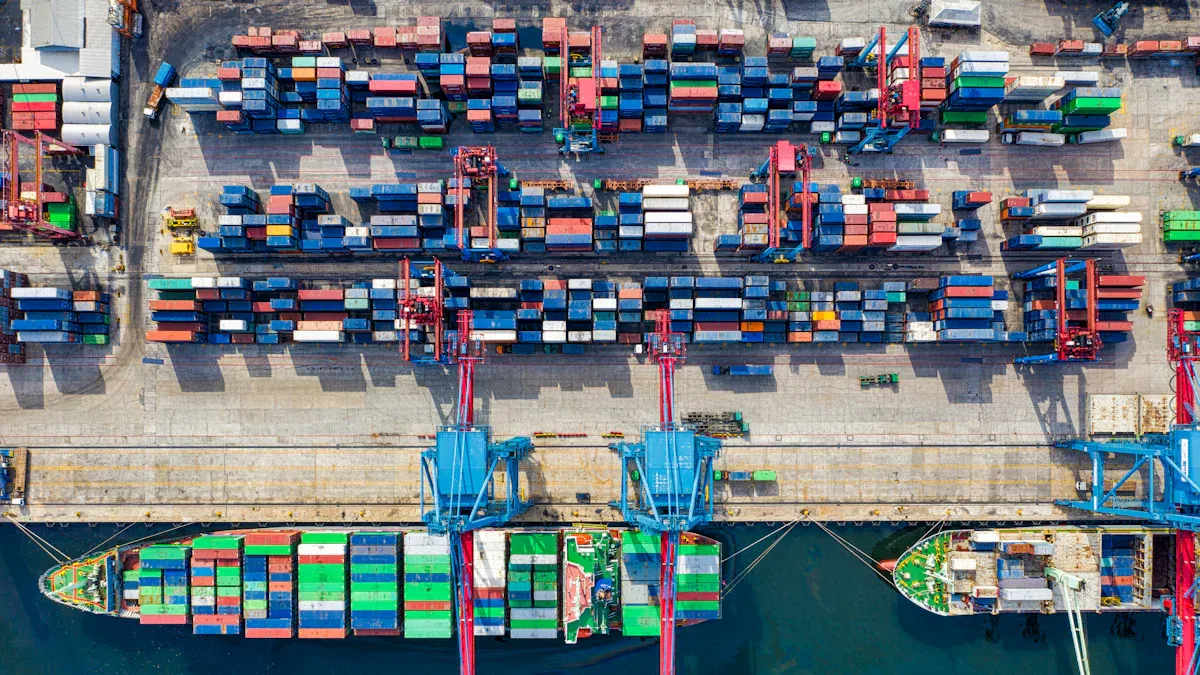
Freight management services play an important role in modern international supply chains. Moving cargo across borders requires much more than booking transportation. Businesses must coordinate carriers, containers, terminals, documentation, inland transportation, warehouses, and delivery schedules while keeping transportation costs under control.
Ocean freight is particularly important for companies moving large volumes of international cargo. Within ocean shipping, Full Container Load and Less than Container Load are two of the most common shipping models. Choosing the appropriate option can influence transportation cost, cargo handling, transit planning, and overall supply chain performance.
This guide explains freight management services and examines how businesses can optimize FCL and LCL shipping operations.
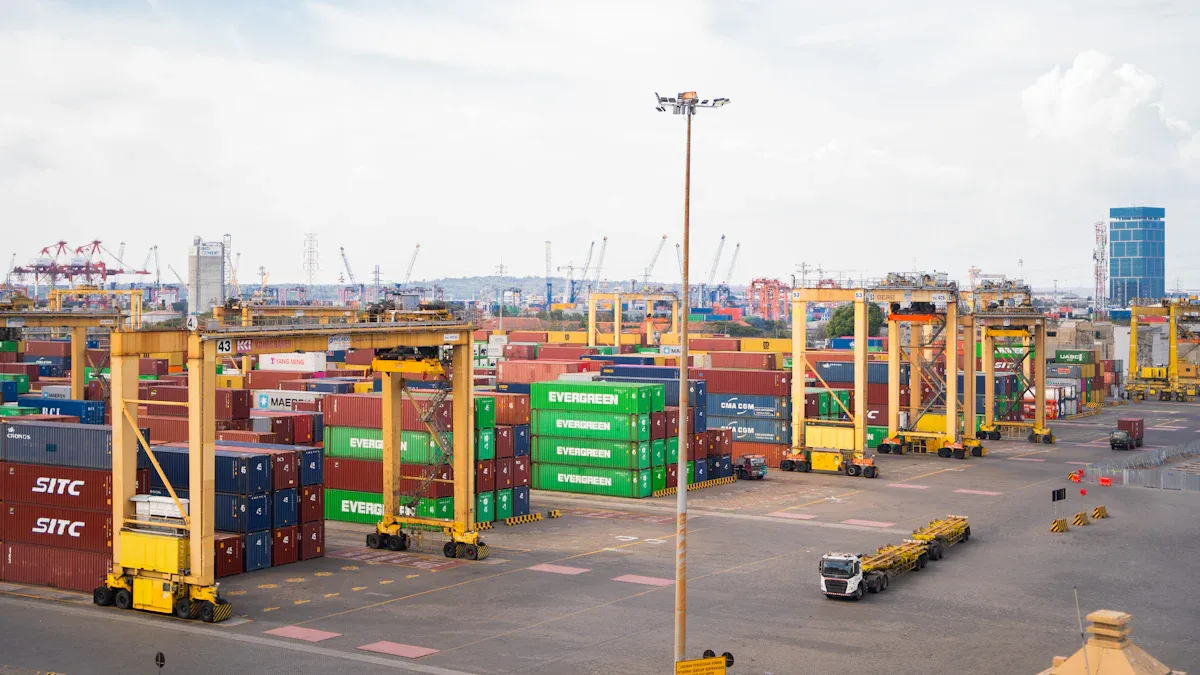
What Are Freight Management Services?
Freight management services involve planning, coordinating, monitoring, and controlling the movement of cargo.
A freight management process may include:
· Shipment planning
· Transportation mode selection
· Carrier coordination
· Rate management
· Booking
· Documentation
· Container planning
· Port coordination
· Drayage
· Warehousing
· Transloading
· Shipment tracking
· Delivery coordination
· Freight cost analysis
The purpose is to connect individual transportation activities into one coordinated logistics process.
Without proper freight management, a business may obtain competitive transportation rates but still experience unnecessary costs through storage, delays, poor container utilization, missed appointments, or inefficient inland transportation.
Understanding Ocean FCL Shipping
Full Container Load shipping involves reserving an entire ocean container for a shipment.
The most common container sizes include 20-foot and 40-foot equipment, along with variations designed for different cargo requirements.
FCL can be particularly suitable when shipment volume is large enough to justify using a full container.
One major advantage is that the cargo generally has fewer opportunities for handling compared with consolidated LCL cargo.
Fewer handling points can reduce the potential for cargo damage, delays, or inventory discrepancies.
Understanding Ocean LCL Shipping
Less than Container Load shipping is designed for shipments that do not require an entire container.
Instead of booking a full container, a shipper shares container space with other shipments.
The cargo is consolidated at an origin facility and separated at a destination facility.
LCL can be useful for businesses with smaller shipment volumes or irregular international shipping schedules.
However, LCL requires additional coordination because consolidation and deconsolidation are part of the process.
FCL vs. LCL
The decision between FCL and LCL should not be based only on the basic ocean freight rate.
Businesses should evaluate:
· Cargo volume
· Cargo weight
· Packaging
· Delivery schedule
· Destination
· Handling requirements
· Total logistics cost
· Inventory requirements
For larger volumes, FCL may provide better overall economics.
For smaller shipments, LCL may prevent a business from paying for unused container capacity.
The best choice depends on the complete logistics profile of the shipment.
Container Utilization
Container utilization is one of the most important elements of FCL management.
Poorly planned loading can leave significant unused space, increasing the effective transportation cost per unit of cargo.
Businesses can improve utilization through:
· Accurate carton dimensions
· Standardized packaging
· Load planning
· Proper pallet configuration
· Weight distribution
· Container-specific planning
Cargo weight must also be considered carefully. A container that is physically capable of holding more cargo may reach a weight limitation before its available volume is fully used.

LCL Consolidation Planning
LCL operations require careful consolidation planning.
Shipments from multiple exporters may be combined into a single container. The cargo must be correctly identified, documented, measured, and prepared for consolidation.
Accurate information is essential because incorrect dimensions or weights can create billing differences and operational problems.
Businesses should provide reliable shipment details as early as possible.
Freight Rate Management
Freight management also involves understanding how transportation rates are constructed.
The final cost of an ocean shipment can include multiple components.
Potential charges may include:
· Ocean freight
· Origin handling
· Documentation
· Terminal charges
· Drayage
· Destination handling
· Storage
· Customs-related charges
· Delivery
· Accessorial services
A low headline ocean rate does not necessarily mean a low total logistics cost.
Effective freight management therefore evaluates the complete transportation cost.
Booking and Capacity Planning
Ocean transportation operates according to vessel schedules and available capacity.
Booking too late can create problems during periods of high demand.
Freight managers should consider:
· Expected cargo readiness
· Cutoff dates
· Documentation deadlines
· Vessel schedules
· Container availability
· Port conditions
· Inland transportation capacity
Planning shipments according to actual cargo readiness can help reduce missed bookings and unnecessary storage.
Documentation Management
International shipments depend heavily on accurate documentation.
Depending on the shipment, documentation may include commercial invoices, packing lists, bills of lading, certificates, customs documentation, and other trade-related records.
Documentation errors can cause delays even when transportation capacity is available.
A freight management process should therefore include document verification before cargo reaches critical transportation milestones.
Managing Drayage Within Ocean Freight
Ocean freight does not end when a vessel reaches a port.
Containers must usually move between the marine terminal, warehouse, rail facility, or final delivery location.
This short-distance transportation is commonly referred to as drayage.
Drayage coordination can involve:
· Container pickup
· Terminal appointments
· Empty container returns
· Port access
· Chassis planning
· Delivery appointments
· Detention and demurrage management
Because drayage is closely connected to port operations, poor coordination can create significant additional costs.
Managing Detention, Demurrage, and Storage
Container-related charges can become expensive when equipment or cargo remains at a facility longer than permitted.
Demurrage generally relates to containers remaining within a terminal beyond the permitted free period, while detention generally relates to keeping equipment outside the terminal beyond the applicable free period. Exact definitions and charging rules can vary by carrier and location.
Freight management should monitor these deadlines closely.
Accurate visibility into cargo availability and delivery appointments can help reduce avoidable charges.
Using Technology for Freight Management
Technology can improve visibility and coordination.
Transportation management systems can help businesses manage transportation orders, carrier information, rates, and shipment status.
Shipment tracking tools can provide information about vessel movement and cargo milestones.
Analytics can also help identify:
· Recurring delays
· High-cost lanes
· Underutilized containers
· Excessive accessorial charges
· Poor-performing transportation processes
The value of technology comes from turning shipment data into operational decisions.
Building a More Efficient FCL Strategy
Businesses can improve FCL operations by combining shipment planning with inventory planning.
For example, consolidating compatible purchase orders into a full container can improve utilization.
However, consolidation should not create excessive inventory or delay urgent products.
The goal is to balance transportation efficiency with inventory requirements.
Building a More Efficient LCL Strategy
LCL optimization focuses heavily on consolidation frequency and cargo readiness.
Businesses can reduce unnecessary costs by preparing cargo consistently, using appropriate packaging, and coordinating shipment schedules.
If LCL volume becomes consistently high, it may be useful to compare the total cost against FCL options.
A shipment that begins as several LCL movements may eventually become more economical as a regular FCL program.
Measuring Freight Management Performance
Freight management should be evaluated using measurable performance indicators.
Useful metrics include:
· On-time delivery
· Transit time
· Freight cost per shipment
· Freight cost per unit
· Container utilization
· Accessorial charges
· Damage rates
· Documentation accuracy
· Detention and demurrage expenses
Tracking these metrics over time can reveal areas for improvement.
Final Thoughts
Freight management services provide the coordination needed to move international cargo efficiently.
For ocean shipping, the decision between FCL and LCL should be based on shipment volume, handling requirements, delivery schedules, cargo characteristics, and total logistics cost.
Effective freight management looks beyond the ocean transportation rate. It considers the entire movement from origin through port operations, inland transportation, warehousing, and final delivery.
By improving container utilization, planning bookings carefully, maintaining accurate documentation, managing drayage, monitoring deadlines, and using reliable shipment data, businesses can create more predictable and cost-efficient ocean freight operations.
See Also
Enhancing Import Warehousing And Delivery On The East Coast
PGL's Miami Warehouse Solutions For Quick East Coast Shipping
The Impact Of Point-to-Point Logistics On Global Efficiency
Strategic PGL Warehousing In Miami And LA For Supply Chain
Simplifying Supply Chain Optimization With American Logistics Solutions

