Understanding Different Drayage Services in Logistics
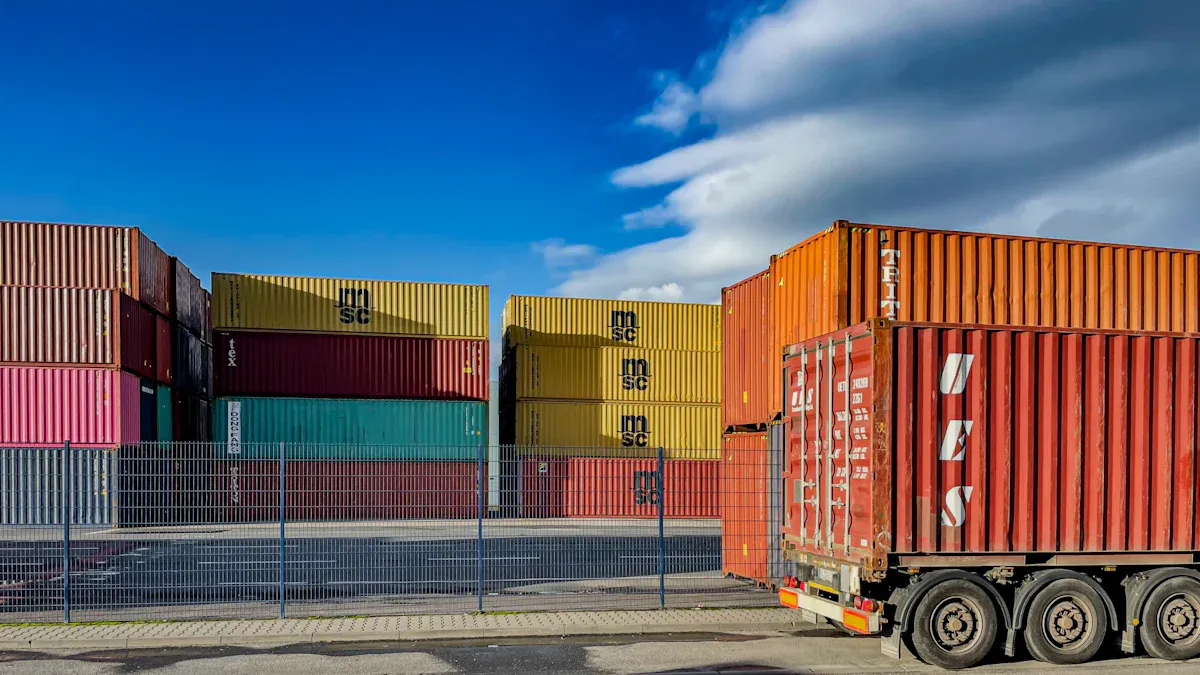
Drayage is very important in logistics. You need drayage to move freight fast between ports, warehouses, and rail terminals. This helps goods keep moving and supports drayage shipping at many transport hubs. The market for drayage services is getting bigger, as you can see below:
Attribute | Value |
|---|---|
Estimated Market Value in 2026 | |
Forecasted Market Value by 2032 | $7.88 Billion |
Compound Annual Growth Rate | 9.1% |
Drayage services make the supply chain work better by linking ocean freight, trucking, and rail. You can pick from various types of drayage services, including:
Port Drayage
Intermodal Drayage
Container Drayage
Expedited Drayage
Shuttle Drayage
Door-to-Door Drayage
Long-Haul Drayage
It is important to know why drayage shipping matters and how each of the types of drayage services can help your logistics needs.
Key Takeaways
Drayage helps move freight fast between ports, warehouses, and rail terminals. This makes logistics work well.
Knowing about types of drayage services, like port and intermodal drayage, helps you pick the best one for your shipping.
Drayage services can make ports less crowded. They let you see where your freight is with real-time tracking. They also help the supply chain work better.
To pick the right drayage provider, think about your cargo type, timing, how hard the route is, and if costs are clear. This helps you reach your logistics goals.
Good drayage can save money. It can make deliveries faster. It can also help the environment. This makes your logistics work better.
What Is Drayage in Logistics
Definition of Drayage
Drayage is very important in logistics. It means moving containers or freight over short distances. Usually, this happens from a port to a warehouse or rail yard. You see drayage when a truck takes a container from a busy port. The truck brings it to a nearby distribution center. This service connects global shipping with local delivery. It helps your freight move between ships, trucks, and trains. Without drayage, freight could get stuck at the port. This would cause delays and extra costs. Drayage acts as a bridge. It links long-haul transport with the next step in the supply chain.
Drayage lets you move freight quickly and easily. This keeps your goods from sitting at transport hubs. It helps your logistics stay on schedule and supports your business.
Role in Supply Chain
Drayage is a key part of logistics. It helps your freight move smoothly between different transport modes. Using drayage can reduce congestion at ports. It keeps your supply chain moving. Drayage providers know how to handle freight safely. They can move electronics, food, or heavy machinery. Real-time tracking gives you control and visibility. You always know where your freight is.
Here is a table that shows what drayage does in the supply chain:
Function | Description |
|---|---|
Drayage services move freight out of ports fast. This helps ease traffic and delays. | |
Expertise in Safe Transportation | Providers know how to handle freight safely. This lowers risk during transit. |
Enhanced Visibility and Control | Real-time tracking lets you watch your freight and work with partners. |
Faster Supply Chain Operations | Efficient drayage makes lead times shorter. Customers get their orders faster. |
Focus on Core Business Operations | Outsourcing drayage lets you focus on your main business. You do not have to move freight. |
Drayage keeps your logistics network strong. It helps you deliver freight on time. You avoid bottlenecks and meet customer needs. Picking the right drayage service makes your logistics reliable and saves money.
Types of Drayage Services
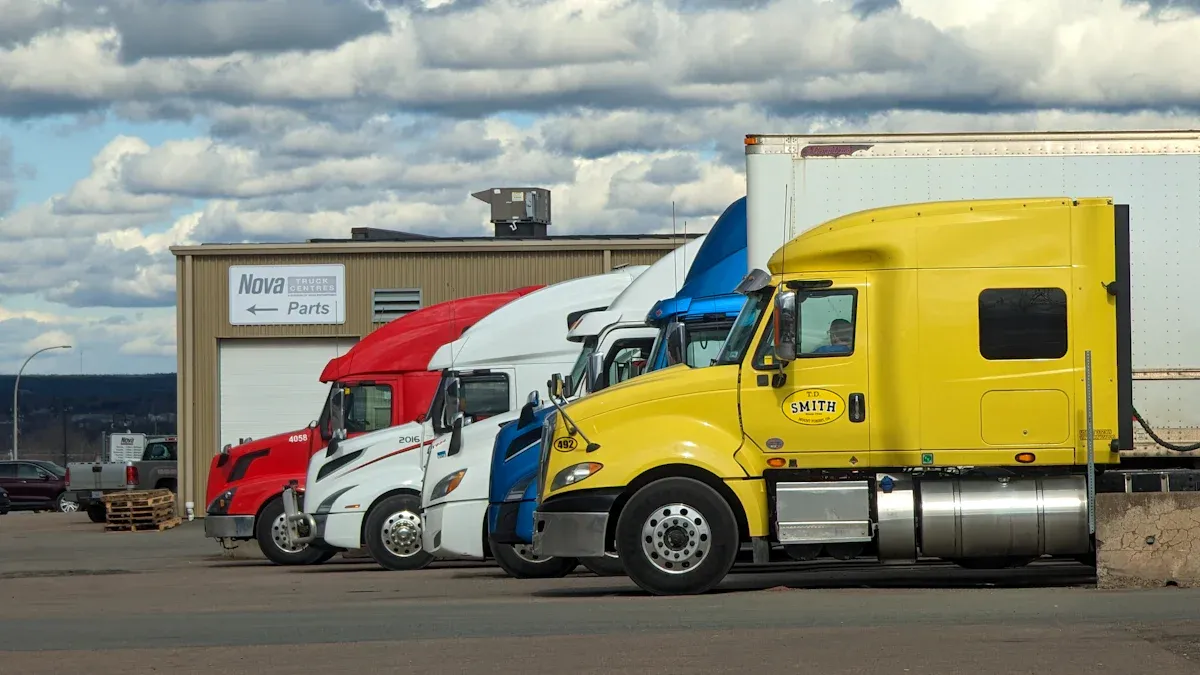
When you know about different drayage services, you can pick the best one for your needs. Each type helps move freight in its own way. Let’s check out the main types and see how they work.
Port Drayage Services
Port drayage moves containers between ports and places nearby. These places can be warehouses or rail terminals. You use port drayage when your freight comes by ship and must get to a center fast. Port drayage connects ocean freight with local delivery.
Common uses for port drayage:
Moving containers from the port to a warehouse
Taking freight to a rail terminal for more transport
Handling urgent shipments needing expedited drayage
Short trips between port facilities
Keeping freight with one carrier for efficiency
Port drayage works for many industries. These include auto, cosmetics, industrial goods, prefab buildings, and exotic foods needing refrigerated containers.
Port drayage services work locally and focus on quick moves. This helps you avoid traffic at busy ports and keeps your supply chain smooth.
Drayage Carriers | General Freight Carriers |
|---|---|
Work locally at ports or rails | Go longer distances |
May do regional transport | Focus on point-to-point delivery |
Offer transloading services | Usually do not offer transloading |
Rail Drayage Services
Rail drayage moves containers between rail yards and other places. These places can be warehouses or ports. You use rail drayage when your freight travels far by train and must reach its last stop. This service is part of intermodal transportation.
Rail drayage is good for:
Large amounts of freight needing cheap transport
Shipments that must skip road traffic
Businesses wanting to lower their carbon footprint
You can move many kinds of cargo with rail drayage, like:
Perishable goods such as food and medicine
Non-perishable items like manufactured goods
Bulk materials like grains or coal
Big or oddly shaped cargo
Hazardous and safe materials
Rail drayage helps you save fuel and gives steady transit times. It also supports green logistics by using trains, which are better for the environment than trucks.
Dedicated Drayage Services
Dedicated drayage gives you a special solution for your shipping needs. You get a carrier that only moves your freight, often on a set route or schedule. This is great if you ship lots of goods or high-value items and need extra trust.
Benefits of dedicated drayage:
High trust and steady service
Faster response for urgent shipments
Better control over your schedule
You might pick dedicated drayage if you ship often between the same places or need special care for sensitive cargo. This service helps you avoid delays and gives you peace of mind.
Intermodal Drayage Services
Intermodal drayage connects different transport modes, like ships, trains, and trucks. You use intermodal drayage to move containers between these modes. This makes your supply chain flexible and efficient.
How intermodal drayage works:
Moves containers from a ship to a train or truck
Takes freight from a rail yard to a warehouse
Bridges the gap between long trips and local delivery
Intermodal transportation lets you use the strengths of each mode. You get more capacity, better trust, and lower costs. Intermodal drayage also helps you lower your environmental impact by using the best transport options.
Intermodal drayage services make logistics more efficient. They help you meet customer needs and keep your supply chain moving without delays.
Domestic vs International Drayage
You need to know the difference between domestic and international drayage when planning shipments. Domestic drayage moves freight inside one country. International drayage moves goods across borders.
Aspect | Domestic Drayage | International Drayage |
|---|---|---|
Container Specifications | 20 or 40 feet long | 20, 40, and 45 feet (40 is most common) |
Regulations | Fewer, mostly national laws | Must follow global shipping and customs rules |
Logistics | Uses smaller trucks for local access | Needs special equipment for long distances |
Domestic drayage focuses on local routes and simple rules. International drayage must handle customs, global standards, and harder logistics. Both types need you to know the rules and plan for legal, efficient, and cost-saving shipping.
Picking the right drayage for your shipment helps you avoid delays, manage costs, and keep your freight moving smoothly.
Each type of drayage service has a special job in logistics. By learning about these options, you can pick the best drayage for your business and keep your supply chain strong.
Choosing the Right Drayage Service
Key Factors for Selection
You need to think about a few things when picking drayage services. Every shipment is unique, so you must find the best fit. Here are the main points to help you decide:
Cargo Type and Special Needs
First, check what kind of freight you have. Is it big, breakable, or worth a lot? Some drayage services use special tools for large or delicate loads. If you ship food or medicine, you might need cold transport.Timing and Deadlines
Think about how quickly your freight must move. If you work in stores or need fast shipping, you may want expedited drayage. If your delivery is not urgent, standard drayage can save money.Route Complexity
Look at the path your freight will travel. Some drayage services handle tricky routes with many stops or rough roads. Others stick to simple, straight paths.Budget and Cost Transparency
Compare costs and make sure you know all the fees. Good drayage providers tell you their prices clearly.Provider Safety and Compliance
Always check if your drayage provider is safe. Ask about their equipment care and how they keep cargo secure.
Tip: Plan early to get the best drayage services. This is extra important during busy times in logistics.
Matching Service to Shipment Needs
You can find the right drayage for your shipment by following some easy steps:
Write down what your company needs. List the types of containers and how big your shipments are.
Decide if you need special tools, like for big or cold freight.
Use drayage directories to sort providers by where they are, what tools they have, and what services they offer.
Pick a provider with real-time tracking. This helps you know when your freight arrives and stops extra storage fees.
Choose drayage services with good customer support and quick answers.
Factor | Why It Matters for Drayage Services |
|---|---|
Cargo Type | Makes sure freight is handled safely |
Timing | Helps meet delivery deadlines |
Route Complexity | Makes shipping faster and saves money |
Provider Experience | Lowers risk and makes service reliable |
Technology | Lets you see and control your shipment |
If you focus on these points, you can pick drayage services that match your logistics goals. The right choice keeps your freight moving and helps your business grow.
Challenges and Benefits of Drayage
Common Challenges
You can face many problems when using drayage in logistics. These problems can slow your supply chain and make drayage cost more. Most issues happen because of things outside your control, like busy ports or new rules. Here are some common challenges:
Delays happen when ports are crowded or Customs is slow.
Sometimes there is not enough equipment or space to move containers fast.
People can make mistakes with schedules or routes.
Costs go up when there are global problems or not enough equipment.
There are not enough drayage drivers, so fewer shipments can move.
New emission rules mean you must spend money to upgrade trucks.
You need to match transport with shipping times and follow rules.
Goods can be unsafe or stolen while moving.
Container spaces can be too full, and it is hard to get truck chassis for marine containers.
It can be hard to see where shipments are or clear Customs.
When ports are crowded, drayage services get delayed. These delays mess up logistics and make drayage cost more. New rules, like stricter emissions, mean you must buy new trucks and follow more rules, which costs extra money.
Advantages of Drayage Services
Drayage has many good points that help logistics and make the supply chain work better. Good drayage stops big problems, like running out of stock or missing delivery dates. You can keep less inventory and deliver fast to make customers happy.
Good drayage makes shipping and receiving easier and stops bottlenecks.
Better routes help save money and use trucks well.
Reliable drayage lets you deliver just in time and keeps less extra stock.
You can see your supply chain better, which helps plan and forecast.
Fast drayage stops delays that mess up logistics.
Clear steps and good communication make transit times shorter and help manage inventory.
Good drayage can save a lot of money and help the environment by lowering emissions.
Benefit | How It Helps Your Logistics |
|---|---|
Cost Savings | Good drayage can cut transport costs by up to 25%. |
Faster Delivery | Quick moves keep your supply chain on time. |
Inventory Optimization | Less storage is needed with just-in-time delivery. |
Environmental Impact | Lower emissions help your sustainability goals. |
Drayage services make logistics better by improving transport routes and making transit times shorter. You pay less for storage and your supply chain works better.
You now know how each drayage service helps your supply chain. Picking the right drayage keeps you from delays and saves money. Use technology to track your freight and plan early. Build good relationships with your drayage providers. This makes your drayage run smoothly. Look at the table below to see what matters most when choosing:
Criteria | Key Questions |
|---|---|
Technology | Does the provider give real-time tracking and connect systems? |
Pricing Transparency | Are costs and risks easy to understand and fair? |
Integrated Services | Can they handle warehousing and all your needs? |
Stability | Are they dependable and ready to grow with you? |
Be prepared and ask experts for help to make your drayage work best.
FAQ
Why do you need drayage services in logistics?
Drayage services help move containers fast. They go between ports, rail yards, and warehouses. This keeps your supply chain working well. You do not have to worry about delays or paying extra for storage.
Why does drayage play a key role in supply chain efficiency?
Drayage links different ways to move freight. You can switch containers from ships to trucks or trains right away. This means less traffic and faster deliveries for your customers.
Why should you choose intermodal drayage over single-mode transport?
Intermodal drayage lets you use the best parts of each transport mode. You can save money and lower pollution. It also gives you more choices for tricky routes and changing shipments.
Why do drayage costs sometimes increase during peak seasons?
Ports and rail yards get busy during certain times. You might have to wait longer and need more trucks. This makes drayage cost more and can slow things down.
Why is it important to select the right drayage provider?
A good provider moves your freight safely and on time. You can track your cargo better and have fewer problems. This keeps your goods safe and helps your business succeed.
See Also
Selecting LTL, FTL, Or Drayage Options With PGL
PGL’s Efficient Drayage And Trucking Services Save Time
Understanding PGL's B2B Warehousing And Distribution On The East Coast
Key Strategies For Effective Management In Global Logistics
Enhancing International Operations With Innovative Logistics Solutions
