3PL vs in-house logistics explained: Key differences and similarities
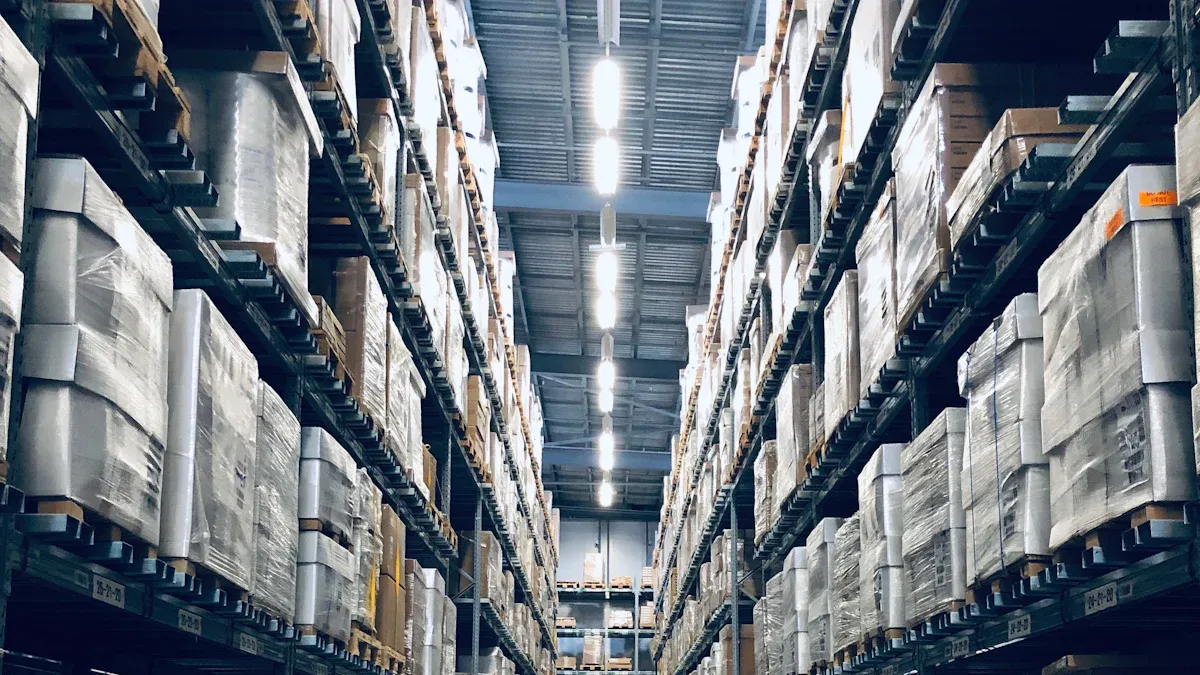
When you compare 3PL and in-house logistics, you notice big differences in cost, control, scalability, expertise, and technology. For example, managing logistics in-house means you handle everything, from warehouse leases and staffing to equipment and systems, which can total over $2.5 million in five years. 3PL providers offer scalability and access to experts, but you give up some control over daily operations. The 3pl vs in house logistics comparison matters because your choice affects how much you spend, the flexibility you have, and how quickly your business can grow.
Key Takeaways
Choosing between 3PL and in-house logistics affects your costs and control. Understand your budget and needs before deciding.
3PL providers offer expertise and advanced technology, helping you save money and improve efficiency. Consider outsourcing for better logistics management.
In-house logistics gives you full control over your supply chain. This option suits larger companies that can manage the costs and complexities involved.
Scalability is easier with 3PLs. They allow you to adjust operations based on demand without the burden of hiring and training new staff.
Evaluate your business size, growth plans, and industry requirements. These factors will guide you in selecting the right logistics model.
Overview
3PL Logistics
When you use a third-party logistics (3PL) provider, you let experts handle your supply chain. 3PL companies manage many tasks for you, such as inventory, storage, and shipping. They use advanced systems to keep your products organized and moving efficiently. Here is a quick look at what 3PL providers do:
Function/Service | Description |
|---|---|
Inventory Management | Track and manage your stock levels accurately. |
Storage Optimization | Use warehouse space in the best way possible. |
Order Fulfillment | Pick, pack, and ship orders to your customers. |
Picking and Packing | Select items and prepare them for shipment. |
Distribution Coordination | Move goods from the warehouse to the final destination. |
3PLs also help you streamline your supply chain, gather analytics, and process returns. They can support both domestic and international shipping, making it easier for you to reach more customers.
Some of the core features of a 3PL include: storage and warehousing processes, distribution of raw materials and finished products, support with cross-border shipping and customs clearance, and proper haul management to customers.
In-House Logistics
If you choose in-house logistics, you control every part of your supply chain. You manage your own warehouses, staff, and equipment. This approach lets you customize your logistics to fit your business needs. You must also handle challenges like market changes and equipment issues. Here is what you need to manage in-house logistics well:
Requirement | Description |
|---|---|
Market Fluctuations | Adjust quickly to changes in demand or supply chain disruptions. |
Operational Risks | Respond to workforce or equipment problems with strong backup plans. |
Customizing Logistics | Use technology and strategies that match your business goals. |
You need to stay flexible and ready to solve problems fast.
Similarities
Both 3PL and in-house logistics share some important goals and processes:
You need a logistics management system to oversee operations.
Both methods focus on fulfilling customer orders quickly and accurately.
The main goal is to deliver products on time and keep customers happy.
Aspect | 3PL | In-House Logistics |
|---|---|---|
Order Fulfillment | Experts handle the process | You need strong management |
Customer Satisfaction | Focus on effective delivery | Directly meet customer needs |
Operational Strategies | Use advanced tools and tech | Rely on your own systems |
When you look at the 3pl vs in house logistics comparison, you see that both aim for smooth operations and happy customers, but they use different methods to get there.
3pl vs in house logistics comparison
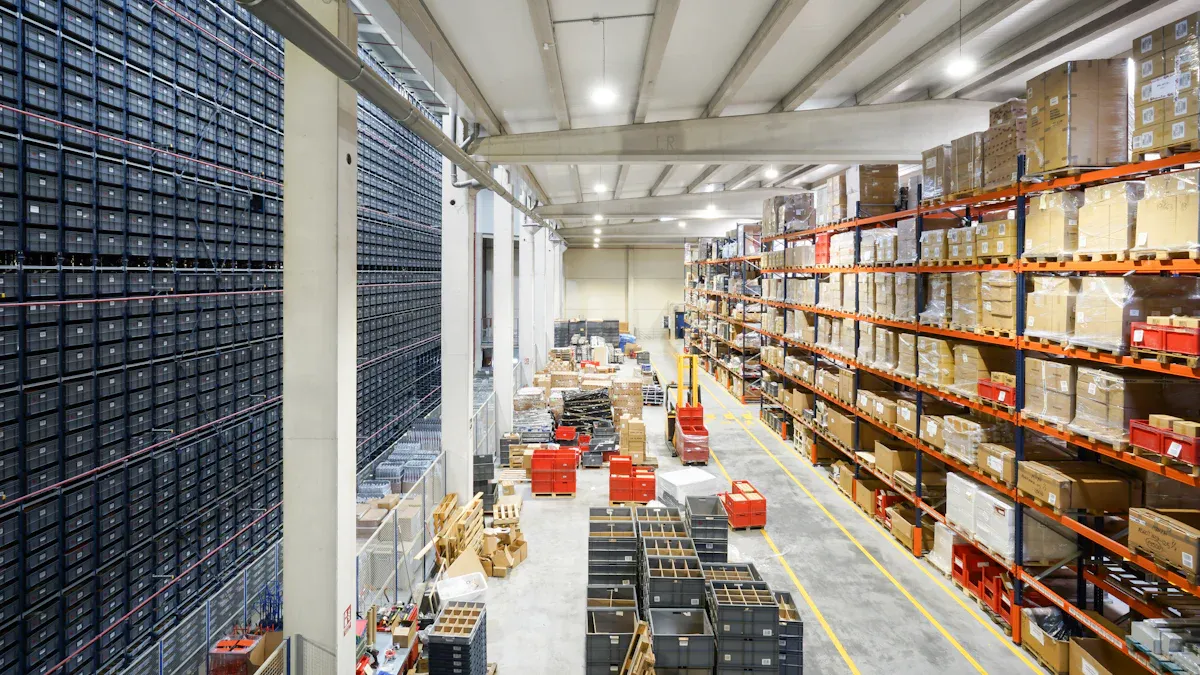
When you look at the 3pl vs in house logistics comparison, you see big differences in how each model handles costs, control, scalability, expertise, and technology. These differences can change how your business grows and how you serve your customers.
Cost Structure
You need to understand the cost structure before choosing a logistics model. The 3pl vs in house logistics comparison shows that costs can be very different depending on your choice.
Third-party logistics (3PL) | In-house logistics | |
|---|---|---|
Fixed costs | Systems integration, Account management | Real estate, Warehouse equipment, Technology, Software, Utilities, Staff wages, Staff benefits, Physical expansion, Equipment maintenance |
Variable costs | Inventory storage, Order fulfillment, Returns management, Packaging, Seasonal surcharges, Pay-as-you-grow pricing, Long-term storage penalties, Specialized handling | Software upgrades, Shipping and transportation, Overtime pay, Hiring and training costs, Packaging materials |
Hidden costs can surprise you. With in-house logistics, you pay for labor, benefits, overtime, and training. You also cover warehouse overhead, utilities, and maintenance. Technology upgrades and compliance add more expenses. If you choose a 3PL, you avoid many of these costs, but you may pay for specialized handling or long-term storage.
Control
Control is a key part of the 3pl vs in house logistics comparison. You must decide how much control you want over your logistics.
In-house logistics gives you complete control. You manage every step, customize processes, and talk directly to your customers.
Outsourcing to a 3PL means you give up some control. You rely on experts, but you may lose visibility and quality in some areas.
Some businesses use hybrid models. You keep control over important parts and let 3PLs handle the rest.
If you want full responsibility and oversight, in-house logistics is best. If you prefer to focus on your products and let experts handle shipping, a 3PL works well. Remember, less control can mean less customization and lower quality for your customers.
Scalability
Scalability helps your business grow and handle busy seasons. The 3pl vs in house logistics comparison shows how each model supports growth.
Advantage | 3PL Providers | In-House Logistics |
|---|---|---|
Trained workforce | Professional teams and seasonal staff | Must hire and train new staff |
Shared labor costs | Costs spread across clients | You pay all labor costs |
Performance guarantees | Service level agreements | No external guarantees |
Scalable pricing models | Pay for what you use | Pay for full capacity, even if unused |
Technology investments | Access advanced systems without big spending | Must buy and upgrade technology yourself |
3PLs help you respond to demand spikes and seasonal changes. You avoid overcommitting resources and can expand into new markets easily.
In-house logistics can struggle during busy times. You may face high costs and need more staff or equipment.
If you want flexibility and easy growth, a 3PL is a good choice. In-house logistics can limit your ability to scale quickly.
Expertise
Expertise makes a big difference in logistics. The 3pl vs in house logistics comparison highlights how 3PLs offer skills that many businesses do not have.
Expertise Offered by 3PLs | Description |
|---|---|
Cost Reduction | Save money by sharing costs with other clients. |
Specialized Knowledge | Experts in regulations, customs, and local logistics. |
Operational Expertise | Skilled in transportation and warehouse management. |
Advanced Technology | Use the latest logistics software and tools. |
Flexible Scaling | Adjust operations as your business grows. |
3PLs know industry best practices and stay updated with new technology.
They provide advanced reporting and inventory management.
In-house teams may lack these skills and need extra training.
When you use a 3PL, you get access to experts who can improve efficiency and reduce lead times. This helps your business compete and serve customers better.
Technology
Technology changes how you manage logistics. The 3pl vs in house logistics comparison shows that 3PLs often use more advanced tools.
Advancement Type | Description | Benefits |
|---|---|---|
Blockchain Technology | Improves security and transparency | Safer and clearer supply chain |
Digital Integration | Connects systems for better visibility | Easier tracking and communication |
Automation | Speeds up order processing and reduces errors | Faster and more accurate fulfillment |
Data-Driven Decision-Making | Uses analytics to optimize routes and cut costs | Saves money and improves delivery times |
Sustainability Practices | Uses eco-friendly facilities and processes | Saves energy and boosts public image |
3PLs use advanced warehouse management software for real-time tracking and forecasting.
Automated order processing reduces mistakes and speeds up shipping.
Data analytics help you predict demand and plan deliveries.
With a 3PL, you get the latest technology without big investments. In-house logistics may require you to buy and maintain expensive systems.
Pros and Cons
3PL Pros
You can gain many advantages when you choose a 3PL provider. Here is a table that shows the most important benefits:
Advantage | Description |
|---|---|
Cost Reduction | You can lower your logistics costs by an average of 13%. |
Operational Efficiency | 3PLs help you process orders faster and manage inventory better. |
Flexibility | You can scale your operations up or down as your business changes. |
Access to Technology | You get advanced logistics tools without spending a lot on new systems. |
Focus on Core Competencies | You can spend more time on product development and innovation. |
Risk Mitigation | 3PLs help you handle transportation problems and follow regulations. |
You also avoid high fixed costs, like buying warehouses or trucks.
3PLs let you adjust your logistics quickly when demand changes.
Many companies see better customer satisfaction because deliveries arrive faster and more accurately.
Tip: Outsourcing logistics can help you save money and focus on growing your business.
3PL Cons
You should also know the challenges of using a 3PL. Some common drawbacks include:
You may lose control over your delivery process, which can hurt your reputation if mistakes happen.
Tracking orders with multiple carriers can get confusing.
If your 3PL provider does not meet your needs, your business can suffer.
Communication problems can cause delays and missed deadlines.
Costs may rise if outside factors change, making budgeting harder.
Good communication and clear contracts help prevent many of these issues.
In-House Pros
Managing logistics yourself gives you more control. Here are some key benefits:
Benefit | Description |
|---|---|
Enhanced Control | You decide how every part of your supply chain works. |
Direct Customer Communication | You can talk to your customers and solve problems quickly. |
Customization and Personalization | You can offer special packaging or delivery options that fit your brand. |
You can make sure your products arrive in perfect condition.
You can build stronger relationships with your customers.
Customizing your logistics helps you stand out from competitors.
In-House Cons
Handling logistics in-house also brings challenges:
Drawback | Description |
|---|---|
High Initial Investment | You need a lot of money for warehouses, staff, and equipment. |
Operational Complexity | Managing logistics takes skill and can get complicated. |
Scalability Issues | Growing your logistics team and resources is hard during busy times. |
Limited Specialized Knowledge | Your team may not have the same experience as a 3PL provider. |
Ongoing Maintenance Costs | You must pay for repairs, upgrades, and insurance all the time. |
You need to invest in technology and training to keep up.
Scaling up quickly can strain your resources.
The 3pl vs in house logistics comparison shows that each option has unique strengths and weaknesses. You should weigh these carefully before making a decision.
Decision Criteria
Business Size
Your company’s size plays a big role in your logistics decision.
Larger companies often have the resources to manage logistics internally. This gives you more control and lets you create processes that fit your needs.
Smaller businesses may not have enough capital or infrastructure for in-house logistics. Using a 3PL can be a better fit because you avoid large investments.
As the logistics market changes, smaller companies might see higher costs or less flexibility. You can look for specialized 3PL partners to help with these challenges.
Budget
You need to look closely at your budget before choosing a logistics model.
Consideration | Description |
|---|---|
Initial Investment | Setting up in-house logistics requires a large upfront cost. |
Ongoing Operational Costs | Regular expenses can add up over time. |
Potential Savings | Outsourcing to a 3PL can lower your overall logistics expenses. |
Think about how much you can spend now and what you can afford each month. Weigh the savings from outsourcing against the control you get from in-house management.
Control Needs
Decide how much control you want over your logistics.
If you need full control, in-house logistics works best. This is common for manufacturers or regional distributors.
Some businesses use asset-based outsourcing. You keep control over scheduling and routing but use outside help for capacity.
If you want to expand your logistics network, a 3PL can help you grow while still connecting with your current systems.
For complex supply chains, you might need a partner who manages several logistics providers and oversees the whole process.
Growth Plans
Your future goals shape your logistics choice.
You can invest in new technology, like automation or AI, to boost efficiency.
Improving customer experience matters. You might use eco-friendly practices or listen to feedback to shape your logistics.
Compare your logistics to competitors to find areas for improvement.
Reduce risks by using more than one supplier.
Optimize your routes and inventory to save money.
Use advanced systems to predict demand and keep the right amount of stock.
Train your team to improve service and productivity.
Streamline your operations to deliver on time and keep customers happy.
Industry Factors
Some industries have strict rules or special needs.
If you manage logistics in-house, you may need to hire experts to meet all regulations.
Many 3PL providers already have the right certifications and experience. They can handle compliance for you.
Outsourcing logistics lets you focus on your main business, while experts manage the complex rules and paperwork.
Tip: Review your business size, budget, control needs, growth plans, and industry requirements. This helps you choose the logistics model that fits your goals and resources.
You now understand the main differences between 3PL and in-house logistics. Each model affects your costs, control, and growth. Recent studies highlight these key points:
In-house logistics can hide extra costs, while 3PL uses flexible pricing.
3PL partners help you scale up or down as needed.
Advanced technology from 3PLs saves you money on systems.
3PL experts manage logistics for you.
Fast, accurate shipping from 3PLs improves customer experience.
Review your needs and use these facts to choose the best logistics model for your business.
FAQ
What is a 3PL provider?
A 3PL provider is a company that helps you manage your supply chain. You can use their services for storage, shipping, and order fulfillment. They use technology and experts to make your logistics easier.
How do I know if in-house logistics is right for my business?
You should choose in-house logistics if you want full control over your supply chain. You need enough money, staff, and space to manage everything yourself. This works best for large companies.
Can I switch from in-house logistics to a 3PL?
Yes, you can switch. Many businesses move to a 3PL when they grow or want to save money. You need to plan the change and share your needs with the new provider.
What technology do 3PLs use?
3PLs use warehouse management systems, tracking software, and automation tools. These help you see your inventory, track orders, and improve delivery speed.
Are there hidden costs with 3PL or in-house logistics?
Type | Possible Hidden Costs |
|---|---|
3PL | Storage fees, special handling fees |
In-house | Maintenance, overtime, upgrades |
You should ask for a full price list before you choose.
See Also
PGL's Efficient Warehouse Solutions for Quick East Coast Shipping
PGL Enhances Supply Chains by Connecting Warehouses Seamlessly
Premier Global Logistics Ensures Smooth Transfers Between Warehouses
Understanding PGL's B2B Warehousing and Distribution on the East Coast
