What is Accelerated Delivery Logistics and How Does it Work

Accelerated delivery logistics helps you get products faster through specialized service that focuses on speed. You benefit from shorter delivery times like same-day or overnight shipping, which meets urgent needs and raises satisfaction. Standard shipping often takes longer and can leave you waiting. Companies use accelerated delivery logistics to give you choices, making it easier to receive what you want quickly. You see better reliability and improved experiences, but faster delivery also brings new challenges for businesses.
Key Takeaways
Accelerated delivery logistics speeds up shipping, reducing average delivery times from 6.6 days to 3.7 days, helping you receive your orders faster.
Real-time tracking allows you to monitor your package's location, providing peace of mind and improving your overall shopping experience.
Companies use advanced technology and teamwork to optimize routes and manage deliveries, ensuring reliability and fewer delays.
Faster shipping options, like same-day delivery, enhance customer satisfaction and encourage repeat business.
While accelerated delivery can be more expensive, it offers significant benefits in speed and reliability that can justify the cost.
Accelerated Delivery Logistics Overview
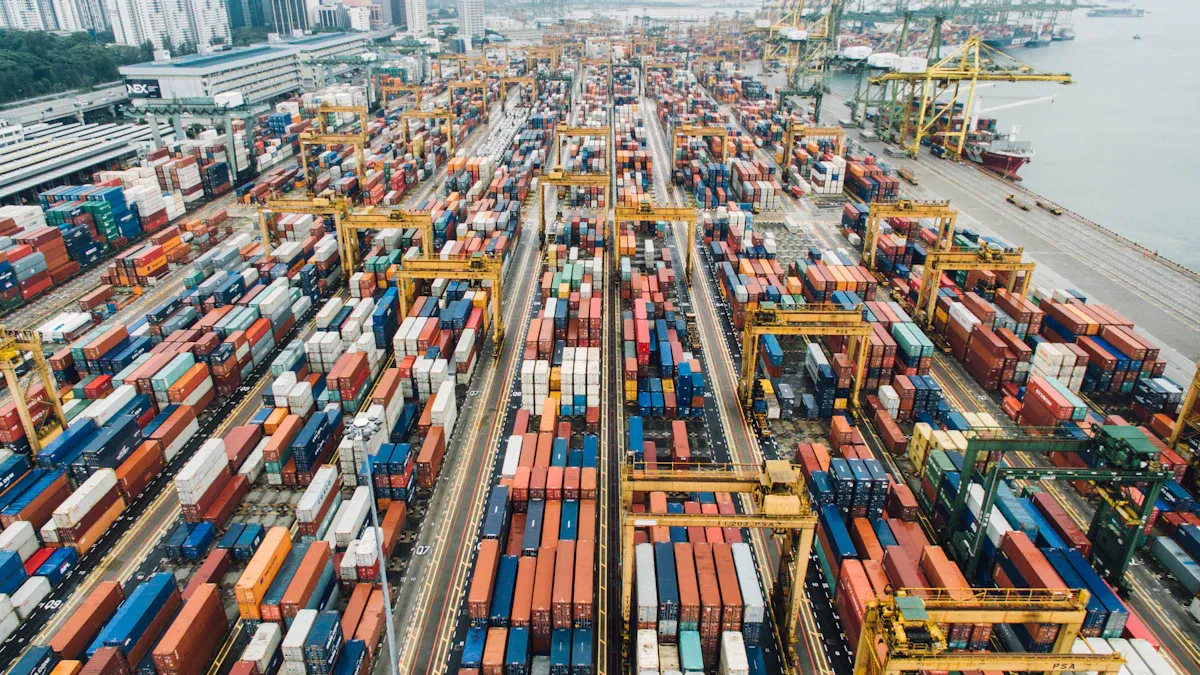
What is Accelerated Delivery Logistics
You experience accelerated delivery logistics when companies use advanced systems to move products quickly and efficiently. This approach uses technology and teamwork to make sure you get your orders faster than with standard shipping. In traditional logistics, each team works alone and often does not share information. This can slow down the process and cause delays. Accelerated delivery logistics changes this by connecting all parts of the supply chain. Teams share real-time data and make decisions together. This leads to faster deliveries and better service for you.
Accelerated delivery logistics stands out because it uses technology to improve visibility, optimize routes, and share information instantly. You benefit from a network of reliable carriers, strong safety standards, and a focus on getting your package to you on time.
You can see the main differences between accelerated delivery logistics and traditional logistics in the table below:
Aspect | Accelerated Delivery Logistics | Traditional Logistics |
|---|---|---|
Technology | Real-time inventory, fast product location, customer communication | Limited technology, no real-time updates |
Scalability | Automated, adapts to demand | Needs more resources to scale |
Customer Focus | Personalized service, satisfaction-driven | Less focus on customer experience |
Efficiency | Fewer errors, lower costs, faster response | More errors, higher costs, slower |
Inventory Control | Precise, real-time systems | Complicated, risk of shortages |
Key Features
You find several important features in accelerated delivery logistics that help reduce delivery times and improve your experience:
An extensive network of trusted carriers ensures your package moves quickly.
End-to-end shipping visibility lets you track your order at every step.
24-hour support means you get help whenever you need it.
Strong compliance with safety and regulations keeps your shipment secure.
On-time delivery records show you can rely on the service.
Multiple shipping options and equipment types give you flexibility.
Speed and adaptability help meet urgent needs.
Integrated technology connects all parts of the process.
Here are the main ways these features work together to speed up delivery:
Optimize route planning: Companies use smart tools to find the fastest routes, avoiding traffic and delays.
Real-time tracking and visibility: You can see where your package is at any moment, which helps you plan.
Efficient fleet management: The right vehicles get chosen for each job, reducing wait times.
Better customer communication: You receive updates about your delivery, so you always know what to expect.
Improved inventory management: Warehouses use real-time systems to keep products ready for fast shipping.
Automated warehouse operations: Robots and machines help pack and ship orders quickly.
Optimized last-mile delivery: The final step to your door is managed carefully to avoid delays.
Real-time data analytics: Companies use data to make quick decisions and solve problems before they cause delays.
Predictive analytics: Advanced tools help spot possible issues early, so teams can adjust plans.
Sustainable practices: Eco-friendly choices can also make deliveries faster and more efficient.
You also see advanced technology in action. For example, delivery quickening systems use route optimization and real-time data. Cargo priority scheduling connects with warehouse and customer management tools to make sure urgent shipments get handled first.
Note: Accelerated delivery logistics uses a mix of technology, teamwork, and customer focus to bring you faster, more reliable service.
Accelerated Delivery Logistics Process
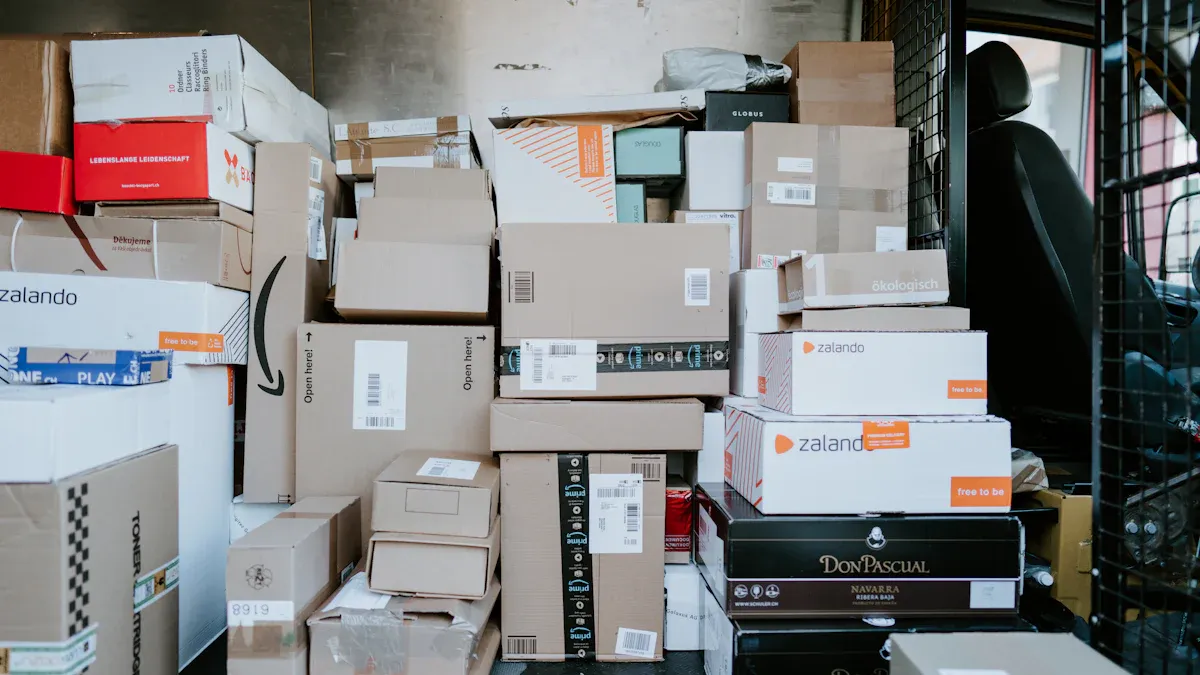
Accelerated delivery logistics uses a streamlined process to move your shipments quickly from start to finish. You see faster delivery times because each step focuses on speed, efficiency, and transparency. Let’s break down how this process works and why it helps you get your packages sooner.
Booking and Scheduling
You start with booking and scheduling. This step sets the foundation for a fast delivery. Companies use digital platforms to make booking easy and quick. You can book a shipment in seconds, and the system confirms your order right away. Here’s how the process works:
Assess demand for products and prioritize urgent shipments.
Coordinate with suppliers to choose the best delivery windows.
Allocate resources like warehouse space, staff, and vehicles.
Optimize routes using scheduling software.
Consider timing to avoid busy hours and reduce congestion.
Communicate with drivers, warehouse staff, and suppliers to keep everyone informed.
Digital platforms make this process even smoother. You see features like self-scheduling, automated confirmations, and real-time dashboards. These tools reduce manual work and keep everyone updated. The table below shows how digital platforms help you:
Feature | Benefit |
|---|---|
Self-Scheduling | Lets carriers plan efficiently and reduces manual workload. |
Automated Confirmation & Updates | Sends instant confirmations and real-time notifications. |
Centralized Calendar & Visibility | Makes it easy to manage appointments with a visual dashboard. |
Enforcing Rules and Data Capture | Ensures policies are followed and collects performance data. |
Digital Documentation | Speeds up paperwork and reduces disputes. |
Real-Time Dashboard | Keeps all parties informed with automated updates. |
Reporting and Analytics | Provides insights to improve operations. |
You benefit from reduced wait times and faster turnarounds. Companies save money by lowering detention fees and improving efficiency.
Route Optimization
After booking, route optimization comes next. This step finds the fastest way to deliver your package. Companies use smart algorithms and GPS technology to plan routes. These tools look at traffic, delivery windows, vehicle capacity, and driver schedules. You get your package faster because the system avoids delays and chooses the best path.
Route planning algorithms consider traffic patterns, delivery windows, and fuel efficiency.
Software uses real-time traffic updates and automated driver allocation.
Vehicle capacity optimization ensures the right truck carries your shipment.
The impact of route optimization is clear:
Impact Area | Description |
|---|---|
Delivery Speed | Real-time adjustments based on traffic and weather speed up deliveries. |
Cost Reduction | Efficient routes lower fuel use and cut operational costs. |
Customer Satisfaction | Reliable, fast deliveries make you happier and encourage repeat business. |
Businesses report up to 20% savings on transportation costs. You see improved last-mile delivery and increased capacity without extra resources.
Expedited Shipping Methods
Expedited shipping is the heart of accelerated delivery logistics. You get your package much faster than with standard shipping. Companies use direct routes and skip routine stops to save time. Expedited shipping includes several options:
Overnight shipping delivers your package by the next business day.
Two-day shipping ensures delivery within two days.
Three-day shipping gets your package to you in three days.
Same-day delivery brings your order on the same day if you order early enough.
These methods focus on speed over cost. You benefit from quick, reliable service when time matters most. Expedited shipping leads to a 30-50% reduction in transit times. Companies see better on-time delivery and fewer supply chain disruptions. You experience higher customer retention and lower inventory costs.
Real-Time Tracking
Real-time tracking gives you visibility and control over your shipment. You can see where your package is at any moment. Technologies like GPS, IoT sensors, AI, and APIs make this possible.
Technology | Function |
|---|---|
GPS | Tracks the exact location of your shipment. |
IoT | Uses sensors for constant monitoring and data sharing. |
AI/ML | Predicts disruptions and optimizes delivery routes. |
API | Shares real-time updates across platforms. |
You receive instant notifications about delays or traffic issues. Real-time tracking builds trust and helps you plan your day. Logistics teams use this data to fix problems before they affect your delivery. You get accurate updates, which reduces frustration and improves your experience.
Tip: Accelerated delivery logistics skips unnecessary steps and uses technology to minimize handling. You see faster transit times and fewer delays because every part of the process works together.
Benefits
Speed and Timeliness
You want your orders to arrive quickly. Accelerated delivery logistics helps you get your packages much faster than standard shipping. The average delivery time drops from 6.6 days to just 3.7 days. This means you wait less and enjoy your purchases sooner.
Delivery Method | Average Delivery Time (Days) | Reduction in Time (Days) |
|---|---|---|
Standard Shipping | 6.6 | 2.9 |
Accelerated Delivery | 3.7 | N/A |
Fast shipping does more than save time. It also encourages you to shop again. Many customers, like you, are willing to pay more for same-day delivery. When you see quick shipping options, you feel more confident about buying.
Prompt order delivery boosts satisfaction and repeat business.
41% of customers pay extra for same-day delivery.
Quick delivery increases the chance you will buy again.
Reliability
You depend on your orders arriving on time and in good condition. Accelerated delivery logistics uses dedicated vehicles and direct routes to reduce delays. This makes the service more reliable than traditional shipping, which often faces slowdowns from shared routes and multiple handoffs.
Description | |
|---|---|
On-Time Delivery Percentage | Percentage of orders delivered on or before the promised date. |
Order Accuracy Rate | Percentage of orders filled correctly without errors. |
Customer Satisfaction Rate | How well a company meets your expectations based on feedback. |
You can trust these services to meet urgent needs. Companies design them for speed and flexibility, so you get your orders when you need them most.
Expedited shipping stands out for its reliability, especially for time-sensitive deliveries. You avoid delays and enjoy peace of mind.
Customer Satisfaction
You feel happier when your orders arrive as promised. Reliable and fast delivery builds trust and keeps you coming back. Businesses use data analytics to track performance and find ways to improve your experience.
Companies monitor delivery times and accuracy to spot problems.
Reliable shipping builds loyalty and trust.
Fewer errors and faster deliveries make shopping easier for you.
A smooth fulfillment process gives you a better overall experience.
When you know your package will arrive on time, you are more likely to shop again and recommend the service to others.
Use Cases
E-commerce
You see the biggest impact of accelerated delivery logistics in e-commerce. Online shoppers like you now expect fast, accurate, and transparent delivery. Two-day shipping is the new normal, and many stores offer next-day or even same-day delivery to stay ahead.
You get real-time updates on your order.
You can choose faster shipping options at checkout.
You enjoy more reliable delivery windows.
Last-mile delivery is a key part of this process. It covers the final step of getting your package to your door. This step often costs the most, but it makes sure you receive your order quickly and safely. When companies use smart delivery systems, you get your items faster and with fewer mistakes.
Healthcare
In healthcare, speed and accuracy can save lives. You rely on same-day delivery for urgent needs, like medications, vaccines, or blood products. Hospitals and clinics use accelerated delivery logistics to make sure patients get care on time.
Same-day medical delivery helps doctors treat patients quickly.
Vaccines and lab samples reach their destinations safely.
Blood products and organs for transplant arrive without delay.
Surgical kits and pharmaceuticals stay at the right temperature during transit.
Medical shipments need special handling. Companies use advanced tracking and temperature controls to protect sensitive items. Reliable delivery supports surgeries, research, and patient care.
Note: In healthcare, a late delivery can mean the difference between life and death. That is why precision and speed matter so much.
B2B Shipments
Businesses also benefit from accelerated delivery logistics. You can reduce lead times and improve supply chain efficiency. Many companies now adjust delivery routes in real time to avoid delays. Automation in warehouses helps workers save time and focus on important tasks.
Automated inventory systems cut warehouse downtime by 30%.
Tailored delivery solutions reduce delivery times by 20% and inventory costs by 15%.
Optimized route planning and real-time tracking lower lead times by up to 30%.
Strategic freight consolidation cuts operational costs by 15%.
Reliable delivery windows and proactive updates boost customer satisfaction by 20%.
You see faster shipments, lower costs, and better service. These improvements help your business stay competitive and meet customer needs.
Challenges
Cost Factors
You notice that accelerated delivery logistics often costs more than standard shipping. Several factors drive these higher expenses.
Delivery speed increases costs because faster service needs more resources.
Labor costs play a big role. Driver pay changes based on location. For example, drivers in coastal North Carolina earn about $17.55 per hour, while those in rural Alaska make up to $28.12 per hour.
Fuel and fleet maintenance add to the total cost.
Warehousing and accessorial services, such as special handling or temperature control, also raise expenses.
Supply market dynamics affect prices for vehicles, fuel, and labor.
Technology investments and customer communications require ongoing spending.
Reverse logistics, which means handling returns, can further increase costs.
Tip: You can manage costs by tracking expenses and choosing the right delivery options for your needs.
Operational Complexity
You face many moving parts in accelerated delivery logistics.
Coordinating drivers, vehicles, and warehouses takes careful planning.
Managing real-time tracking and updates requires advanced technology.
Handling multiple delivery windows and urgent shipments adds pressure.
You must keep communication clear between teams and customers.
Flexible and adaptable systems help you meet changing demands, especially during busy seasons like holidays.
Sometimes, you need to hire temporary workers or use extra warehouses to keep up with demand.
Note: Third-party logistics providers (3PLs) can help you streamline operations. They manage transportation, warehousing, and distribution, making your supply chain more flexible and lowering costs.
Scalability
You want your logistics system to grow with your business. Scaling up can be tough, especially when demand spikes. Here are some strategies you can use:
Demand Forecasting helps you prepare for busy times by predicting when orders will increase.
Dynamic Routing and Scheduling lets you adjust delivery routes in real time, improving efficiency.
Utilizing Multiple Delivery Methods such as crowd shipping, smart lockers, and drones gives you more flexibility.
Scalable Workforce means you can hire temporary staff or part-time drivers to handle extra orders.
Collaboration with Tactical Logistic Solutions allows you to partner with 3PL providers for more resources during peak periods.
You can overcome scalability challenges by planning ahead and using smart tools. These strategies help you keep up with growth and maintain fast, reliable delivery.
Accelerated delivery logistics helps you receive products faster and with greater reliability. You see benefits like improved speed, better customer satisfaction, and stronger trust in service. You may face challenges such as higher costs and complex operations.
Fast shipping supports your urgent needs.
Reliable delivery builds loyalty.
Consider how accelerated delivery logistics can help your business grow or make your shopping experience better. You now know how it works and why it matters.
FAQ
What is the difference between accelerated delivery and standard shipping?
You get your package faster with accelerated delivery. Standard shipping takes longer and may have more stops. Accelerated delivery uses direct routes and advanced tracking.
Shipping Type | Speed | Tracking |
|---|---|---|
Accelerated | Fast | Real-time |
Standard | Slower | Limited |
How can you track your order in accelerated delivery logistics?
You use real-time tracking tools. Companies send you updates by text or email. You see your package location on a map.
Tip: Always check your tracking link for the latest delivery status.
Is accelerated delivery logistics more expensive?
You pay more for faster service. Costs rise because companies use special vehicles and extra staff. You choose the speed that fits your budget.
Faster delivery costs more
Standard shipping is cheaper
Can you use accelerated delivery for international shipments?
You can use accelerated delivery for many international orders. Some countries have limits. Check with your carrier before you ship.
Note: Delivery times may vary by country and customs rules.
See Also
PGL Offers Efficient Warehouse Solutions for Quick East Coast Shipping
PGL Addresses Rapid Logistics Needs in Los Angeles Effectively
PGL Provides Swift and Adaptable Freight Services Across the Northeast
Premier Global Logistics Enhances Import Warehousing and Delivery on the East Coast
Premier Global Logistics in NJ and FL Accelerates Your Orders Instantly
