What Is an Air Logistics Park and Its Role as a Strategic Hub
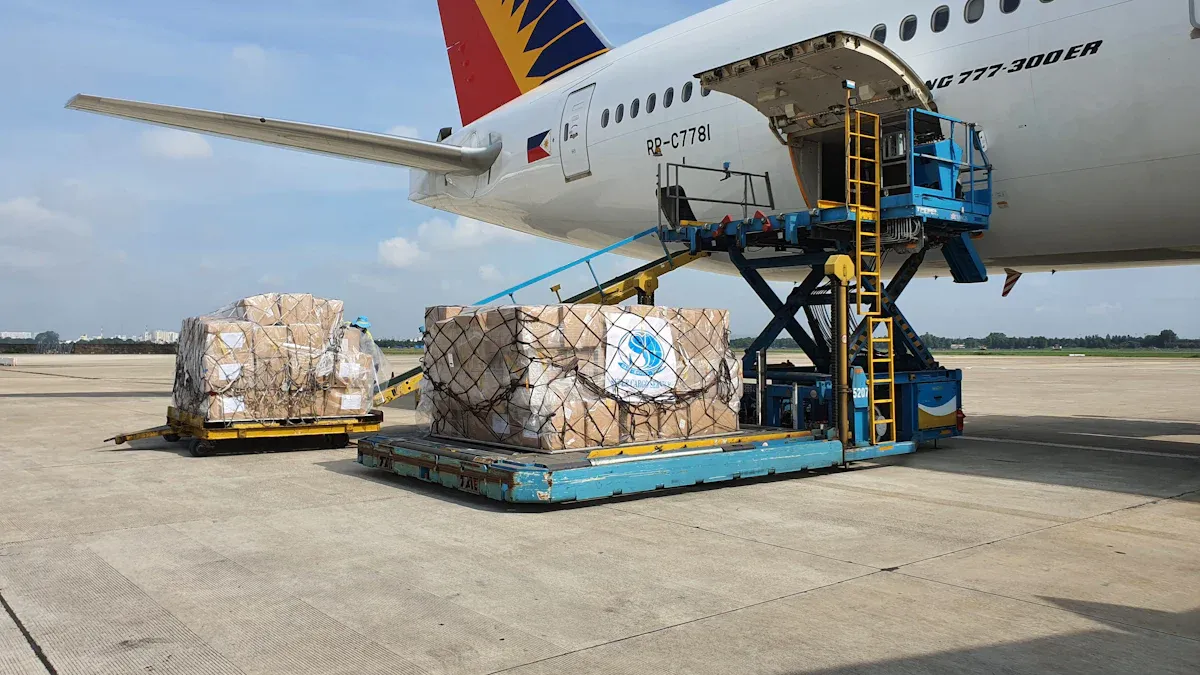
You can think of an air logistics park as a dedicated industrial area that supports air cargo and freight forwarding. As an air logistics park strategic hub, it brings together centralized operations and boosts efficiency for your business. These parks help drive regional economies by creating jobs and attracting investments.
The air cargo market values at USD 250 billion in 2025 and could reach USD 420 billion by 2035, with a steady growth rate of 5.3%.
You benefit from improved supply chain efficiency and better connectivity, which support trade and economic growth.
Key Takeaways
Air logistics parks centralize storage, distribution, and transportation, which boosts efficiency and reduces costs for businesses.
These parks enhance coordination among logistics providers, leading to faster turnaround times and improved supply chain responsiveness.
Access to advanced technologies and shared resources in air logistics parks helps businesses save money and scale operations effectively.
Proximity to major airports allows for quicker cargo handling and delivery, making logistics operations more efficient.
Sustainability initiatives in air logistics parks, like using green infrastructure and reducing emissions, support a cleaner environment and lower operational costs.
Air Logistics Park Strategic Hub Role
Centralized Operations
When you operate within an air logistics park strategic hub, you gain access to a centralized system that brings together storage, distribution, and transportation. This setup removes the inefficiencies you often face with fragmented logistics. You can see the benefits clearly in the way these parks organize their activities.
Advantage | Description |
|---|---|
Consolidating activities like storage, distribution, and transportation linkage eliminates inefficiencies associated with fragmented logistics. | |
Cost Reduction | Economies of scale, optimized transportation routes, shared infrastructure, and reduced handling lead to significant operational cost savings. |
Improved Efficiency & Speed | Strategic locations and multimodal connectivity drastically reduce transit times enabling faster delivery and a more responsive supply chain. |
Scalability and Flexibility | Businesses can easily adjust their space and service needs within the park, accommodating growth or seasonal fluctuations. |
Access to Technology & Expertise | Parks often provide access to advanced logistics technologies and a skilled workforce, which might be costly for individual companies to implement. |
Collaboration Opportunities | Proximity to other logistics providers and businesses within the park can foster collaboration and shared services. |
You benefit from shared infrastructure, which helps you lower operational costs and optimize resources. The collaborative environment inside an air logistics park strategic hub allows you to streamline your processes. You can adjust your space and services as your business grows or faces seasonal changes.
Tip: When you use shared infrastructure, you save money and improve efficiency. You also get better access to technology and skilled workers.
Centralized operations also help you reduce energy consumption and cut costs. For example, some parks have seen an 18.5% decline in total energy use, which means you spend less on utilities. You also experience improved management and smoother workflows.
Enhanced Coordination and Turnaround
Inside an air logistics park strategic hub, you find enhanced coordination among logistics providers. This coordination leads to faster turnaround times for shipments and deliveries. You can rely on integrated technology solutions that reduce coordination time by up to 50%. Parallel maintenance processes can cut turnaround time by 25-40%.
Metric Description | Impact on Turnaround Time |
|---|---|
Parallel maintenance processes | |
Integrated technology solutions | Reduces coordination time by 30-50% |
Focus on end-to-end turnaround | Ensures overall efficiency improvement |
You work in an environment where businesses share information and resources. This network effect means that as more companies join the park, everyone benefits from improved connectivity and resource sharing. You see faster deliveries and more responsive supply chains.
You get access to advanced logistics technologies.
You collaborate with other companies to solve problems quickly.
You adjust your operations to meet changing demands.
Emerging technologies continue to improve turnaround times. Evolving strategies help you boost efficiency even more. When you operate in an air logistics park strategic hub, you stay ahead in the fast-paced world of logistics.
Core Functions and Components

Warehousing and Distribution
You find advanced warehousing and distribution services in an air logistics park strategic hub. These parks use digital technologies to track inventory in real time. You see barcoding, RFID, and IoT systems that help you manage parts and products. This makes your inventory more accurate and reduces costs. You can process orders faster and forecast demand with integrated systems. Leading providers use data analytics to improve visibility and meet regulations.
Evidence Description | Impact on Inventory Management |
|---|---|
Advanced inventory management services leverage digital technologies such as barcoding, RFID, and IoT to track parts and components in real-time. | This minimizes stockouts and reduces carrying costs, enhancing overall inventory efficiency. |
Integration of inventory management systems with airline and MRO IT platforms enables seamless order processing and demand forecasting. | This is crucial for managing critical spares and consumables, preventing costly delays in operations. |
Leading MRO providers are using advanced warehouse management systems and data analytics. | This improves inventory visibility and reduces turnaround times, ensuring compliance with regulatory requirements. |
Transportation and Connectivity
You benefit from multiple transportation modes in these parks. You can use road, rail, maritime, and air transport to move goods efficiently. Each mode supports different needs, from last-mile delivery to bulk shipping. This integration helps you deliver products quickly and keeps your supply chain reliable.
Transportation Mode | Description |
|---|---|
Road Transportation | Essential for last-mile delivery, ensuring goods are picked up and delivered efficiently. |
Rail Transportation | Effective for moving bulk cargo over long distances, integrating seamlessly with air logistics. |
Maritime Transportation | Facilitates intermodal shipping, connecting air logistics with global shipping routes. |
Air Transportation | Provides speed and efficiency for time-sensitive deliveries, crucial for perishable goods. |
Multimodal connectivity lets you optimize transport journeys and minimize delays. You avoid relying on just one mode, which helps you handle disruptions and keep deliveries on time.
Value-Added Services
You get more than basic shipping in an air logistics park. These parks offer value-added services that support your business needs.
Kitting: You can assemble products or components into ready-to-ship packages.
Quality Control: A dedicated team checks your shipments for accuracy and precision.
Ease of Integration: You manage all logistics services with one partner, making your operations smoother.
Tip: Using value-added services helps you save time and improve customer satisfaction.
Infrastructure and Security
You work in a secure environment with strong infrastructure. Parks use advanced security protocols like tamper-evident packaging and GPS tracking. Staff members go through background checks and regular training. Access control systems limit who can see sensitive information. Route optimization helps you avoid risky areas and keeps your cargo safe during transit.
Advanced Security Protocols
Personnel Security
Access Control Systems
Route Optimization
You can trust that your goods stay protected from start to finish.
Strategic Location and Connectivity
Proximity to Airports
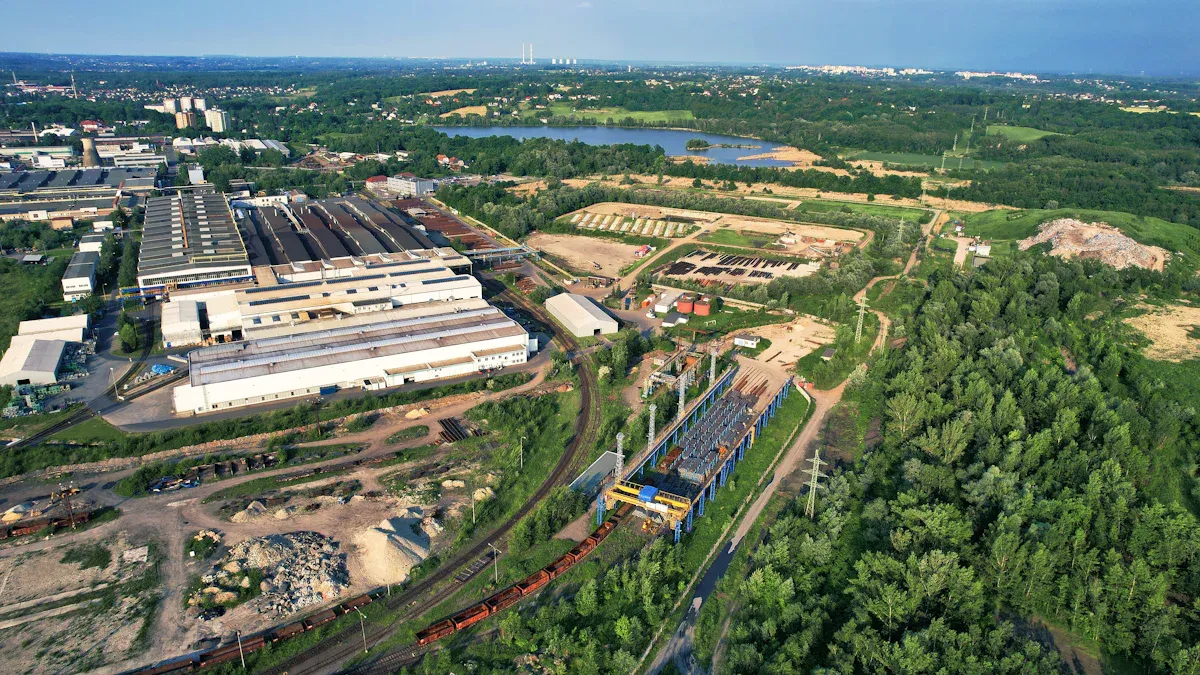
You benefit from the close location of air logistics parks to major airports. This proximity helps you move goods quickly and handle shipments with less delay. You see faster cargo throughput and shorter delivery times. The airport infrastructure plays a big role in your operations. Modern cargo terminals and long runways support larger aircraft and bigger cargo loads. Ground handling equipment helps you process shipments efficiently.
Key Elements of Airport Infrastructure | Impact on Cargo Operations |
|---|---|
Runway Length | Supports larger aircraft and bigger cargo loads; shorter runways limit aircraft type and cargo volume. |
Cargo Terminals | Modern terminals support fast handling; outdated terminals cause congestion. |
Ground Handling Equipment | Essential for efficient cargo processing; limited equipment slows down operations. |
Cargo-oriented airports have seen freight volumes increase by more than 4% in the past year. You notice that cargo traffic at these airports grew by 53.6%, while multipurpose airports only saw a 2.4% increase. This shows how important location is for your business.
Multimodal Access
You gain more flexibility when you use parks with multimodal access. You can move goods by road, rail, sea, or air. This helps you choose the best route for each shipment. You avoid delays and keep your supply chain strong. Multimodal connections let you switch between transport modes easily. You can send urgent shipments by air and bulk goods by rail or sea.
You use trucks for last-mile delivery.
You rely on trains for long-distance bulk shipments.
You connect to ships for international trade.
You choose air transport for fast delivery.
Tip: Multimodal access helps you handle disruptions and keep your deliveries on time.
Supply Chain Efficiency
You improve your supply chain efficiency when you operate in an air logistics park. You see streamlined operations because storage, distribution, and transportation happen in one place. You save money through economies of scale and optimized routes. You deliver products faster because of strategic locations and strong connectivity.
Streamlined operations remove inefficiencies.
Cost reduction comes from shared resources and better planning.
Improved speed means you meet customer demands quickly.
You stay competitive in the market when you use these advantages. Your business grows as you deliver goods faster and at lower costs.
Economic and Business Impact
Cost Reduction Benefits
You can lower your costs when you operate in an air logistics park. These parks use automation, robotics, and AI to make your work faster and more accurate. You see fewer mistakes and shorter wait times. This means you spend less money on fixing errors and waiting for shipments.
Technology | Cost Reduction Benefit |
|---|---|
Automation | Fewer bottlenecks, shorter wait times, lower operational costs |
Robotics and AI | Minimizes human error, leading to faster, more reliable shipments |
You also benefit from freight consolidation. This lets you ship goods efficiently, no matter how much you need to send. You can optimize cargo allocation, so you do not lose or misplace items. Improved logistics help you deliver products quickly and keep your customers happy.
Air logistics parks help you cut transportation costs, which make up 45%-70% of your logistics spending.
Being close to large groups of customers means you pay less for delivery.
Rent and facility costs are only a small part of your total expenses.
Note: New technology in air cargo operations helps you track shipments better and respond quickly to changes.
Regional Economic Growth
You help your region grow when you use air logistics parks. These parks boost the local economy by making it easier to move goods. Better logistics supply and faster transport attract more businesses to your area. As more companies come, you see more jobs and higher trade activity. Foreign investors notice the improved conditions and want to invest in your region. This leads to more retail sales and stronger industry growth.
Support for Business Expansion
Air logistics parks give you room to grow your business. You can expand your operations as your needs change. For example:
Business Name | Facility Size | Location | Impact |
|---|---|---|---|
80,000 sq ft | CVG | Expands airfreight capabilities |
Small and medium-sized businesses also benefit. You can use shared warehouses and logistics spaces. This shared economy model helps you save money and lower your capital costs. You do not need to spend a lot to scale up your business. You can focus on growing and reaching new markets.
Shared spaces lower your expenses.
You can adjust your operations as your business grows.
You get support to expand without high upfront costs.
Sustainability in Air Logistics Parks
Green Infrastructure
You see air logistics parks investing in green infrastructure to protect the environment. Many parks use solar panels to generate clean energy. You notice energy-efficient lighting and smart climate control systems in warehouses. These features help you lower electricity use and reduce costs. Some parks collect rainwater and recycle it for landscaping or cleaning. You find charging stations for electric vehicles, which support cleaner transportation.
Parks also design buildings with eco-friendly materials. You benefit from better air quality and less waste. Green roofs and walls help control temperature and improve insulation. You work in spaces that use less water and energy. These changes make your workplace healthier and more comfortable.
Tip: Green infrastructure helps you save money and supports a cleaner future for your community.
Reducing Environmental Impact
You play a key role in reducing the environmental impact of air logistics. Parks use several strategies to cut carbon emissions and waste. Airlines blend sustainable aviation fuel (SAF) with regular fuel to lower emissions. You see global partnerships working to increase SAF production. Modern aircraft replace older models, which helps you fly more efficiently and use less fuel.
AI tools help you plan flight routes and manage fuel use. You avoid unnecessary fuel burn and reduce pollution. Parks support carbon offset programs, such as planting trees and investing in renewable energy. You help balance your carbon footprint by joining these efforts.
Digitalization and automation make cargo handling smarter. IoT sensors track shipments and reduce waste. You work faster and use fewer resources. The table below shows how these strategies help you protect the environment:
Strategy | Description |
|---|---|
Transition to Sustainable Aviation Fuel (SAF) | Airlines blend SAF with regular fuel to cut emissions. Global partnerships boost SAF production. |
Fleet Modernization | New aircraft use less fuel and produce fewer emissions. Older models retire. |
Optimized Flight Operations | AI tools plan routes and manage fuel, reducing waste. |
Carbon Offsetting Programs | Parks support tree planting and renewable energy to balance carbon footprints. |
Digitalization and Automation | Smart cargo handling and IoT sensors improve efficiency and reduce waste. |
You help create a greener supply chain when you use these solutions. Parks continue to find new ways to protect the planet and support sustainable growth.
You now understand that an air logistics park gives you a central place for air cargo and freight forwarding. You see how centralization, smart location, and strong infrastructure help your business save money and grow.
You benefit from faster deliveries and better supply chain management.
You notice a strong push for green solutions and sustainability.
Air logistics parks will keep changing to meet global trade needs. You can expect more innovation and smarter logistics in the future.
FAQ
What is the main purpose of an air logistics park?
You use an air logistics park to move goods quickly and safely. The park brings together storage, transportation, and distribution in one place. This setup helps you save time and money.
How does an air logistics park help your business grow?
You find space to expand your operations. Shared resources and advanced technology support your growth. You reach new markets and serve more customers with better logistics.
What types of companies use air logistics parks?
You see airlines, freight forwarders, e-commerce businesses, and manufacturers in these parks. Each company benefits from fast shipping, secure storage, and easy access to transportation.
Tip: Small businesses can use shared warehouses to lower costs and scale up easily.
Are air logistics parks environmentally friendly?
You notice many parks use solar panels, energy-saving lights, and electric vehicles. These features help you reduce your carbon footprint and support a cleaner environment.
Green Feature | Benefit |
|---|---|
Solar Panels | Lower energy costs |
Electric Vehicles | Less air pollution |
Smart Lighting | Saves electricity |
See Also
PGL's Effective Strategies for Efficient Warehousing Across U.S. Cities
PGL's Warehousing Innovations Enhance Logistics in Miami and Los Angeles
Addressing Rapid Logistics Needs in Los Angeles Through PGL
Streamlined Inventory Management and Distribution with PGL Warehousing
The Role of Point-to-Point Logistics in Enhancing Global Efficiency
