Fulfillment Distribution Networks: Building the Infrastructure for Seamless Bulk Order Management
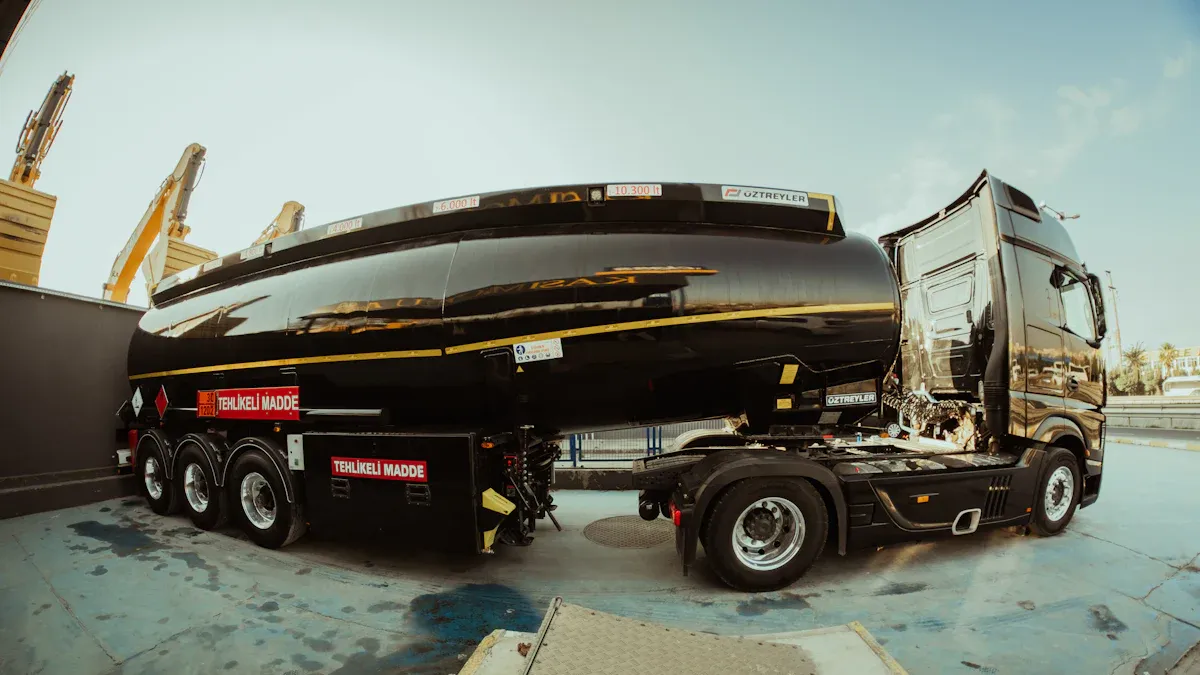
As order volumes continue to grow across e-commerce, retail, wholesale, and direct-to-consumer businesses, companies need more than warehouse space to keep products moving efficiently. They need a well-designed fulfillment distribution network that connects inventory, warehouses, transportation providers, technology systems, and customers into a coordinated operation.
For businesses managing bulk orders, the importance of this infrastructure becomes even greater. Large purchase orders, wholesale shipments, retail replenishment, and high-volume e-commerce orders can place significant pressure on inventory accuracy, warehouse capacity, transportation scheduling, and delivery performance.
A properly structured fulfillment distribution network helps businesses position inventory closer to demand, process large order volumes efficiently, control logistics costs, and maintain consistent service levels as operations expand.
What Is a Fulfillment Distribution Network?
A fulfillment distribution network is the interconnected system of warehouses, distribution centers, transportation routes, inventory locations, technology platforms, and logistics partners used to store, process, and deliver products.
Rather than relying on a single warehouse to serve every customer, businesses can use multiple fulfillment locations strategically positioned across different geographic markets.
A typical network may include:
Central distribution centers
Regional fulfillment centers
Local warehouses
Third-party logistics facilities
Cross-docking locations
Transportation hubs
Parcel and freight carriers
Inventory management systems
Order management platforms
Together, these components determine how quickly and efficiently products move from suppliers to warehouses and ultimately to customers.
For bulk order fulfillment, the network must also support larger shipments, palletized inventory, wholesale orders, retail replenishment, and customized distribution requirements.
Why Fulfillment Distribution Networks Matter for Bulk Orders
Bulk orders are fundamentally different from individual consumer orders.
A single customer order may contain hundreds or thousands of units, while a wholesale order could require multiple pallets, special packaging, scheduled delivery, or direct shipment to a retail distribution center.
Without the right infrastructure, these orders can create bottlenecks throughout the supply chain.
A strong fulfillment distribution network can help businesses address several important challenges.
1. Faster Order Processing
Strategically positioned fulfillment facilities can reduce the distance between inventory and customers.
When inventory is stored closer to major demand centers, warehouse teams can process orders more efficiently and transportation providers can complete deliveries using shorter routes.
For bulk orders, this can be particularly valuable because large shipments may require scheduled transportation rather than standard parcel delivery.
2. Better Inventory Distribution
Businesses do not necessarily need to store the same amount of inventory at every location.
Instead, inventory can be allocated based on historical demand, geographic sales patterns, product characteristics, and anticipated order volumes.
Fast-moving products can be positioned closer to high-demand markets, while slower-moving inventory can remain in centralized facilities.
This approach can improve inventory availability without requiring every warehouse to maintain a complete product assortment.
3. Greater Scalability
A single warehouse may work well when a company is small. As order volume increases, however, capacity constraints can become a serious problem.
A distributed fulfillment network provides additional warehouse capacity and processing resources.
Businesses can add facilities, outsource selected operations to 3PL providers, or expand into new geographic regions without completely redesigning their logistics infrastructure.

Key Components of a Fulfillment Distribution Network
Building an effective network requires more than adding warehouses. Every component needs to work together.
Distribution Centers
Distribution centers are central points for receiving, storing, organizing, and shipping products.
Large facilities may support:
Pallet storage
Case picking
Piece picking
Bulk inventory
Cross-docking
Retail replenishment
Wholesale distribution
Returns processing
The ideal facility configuration depends on product characteristics and order profiles.
A company shipping thousands of identical units may require a very different warehouse layout from a retailer managing thousands of SKUs with relatively small quantities per order.
Regional Fulfillment Centers
Regional fulfillment centers bring inventory closer to important customer markets.
For example, a company serving customers across a large country may divide its inventory between western, central, and eastern facilities.
This can reduce average transportation distances and improve delivery performance.
Regional distribution also creates operational redundancy. If one facility experiences capacity problems, inventory or orders may potentially be redirected to another location.
Inventory Management Systems
Inventory visibility is critical when products are distributed across multiple facilities.
A centralized inventory management system can provide information about:
Available inventory
Reserved inventory
Inventory in transit
Warehouse stock levels
Product locations
Reorder requirements
Order allocation
Without accurate inventory data, businesses may experience overselling, stockouts, unnecessary transfers, and delayed fulfillment.
Order Management Systems
An order management system, or OMS, determines how orders move through the fulfillment network.
For example, when a bulk order is received, the system may evaluate inventory availability, warehouse capacity, transportation costs, and delivery requirements before determining where the order should be fulfilled.
This process is commonly referred to as order routing.
Effective order routing helps businesses use available warehouse capacity while avoiding unnecessary transportation expenses.
Transportation Infrastructure
Warehousing alone cannot create an effective fulfillment network.
Transportation providers connect facilities with suppliers, retailers, wholesalers, and final customers.
Depending on the order profile, a business may use:
Parcel shipping
Less-than-truckload shipping
Full truckload shipping
Intermodal transportation
Regional trucking
Dedicated delivery services
Bulk orders often require careful coordination between warehouse release schedules and carrier pickup appointments.
How Bulk Order Fulfillment Works Across a Distribution Network
A typical bulk order moves through several stages.
Step 1: Order Receipt
The process begins when a wholesale, retail, commercial, or e-commerce bulk order enters the company’s order management system.
The order may include product SKUs, quantities, delivery addresses, requested delivery dates, and special handling requirements.
Step 2: Inventory Allocation
The system determines where the required inventory is available.
If the entire order is available at one location, fulfillment can proceed from that facility.
If inventory is split between several warehouses, the business must determine whether to consolidate the shipment or fulfill it from multiple locations.
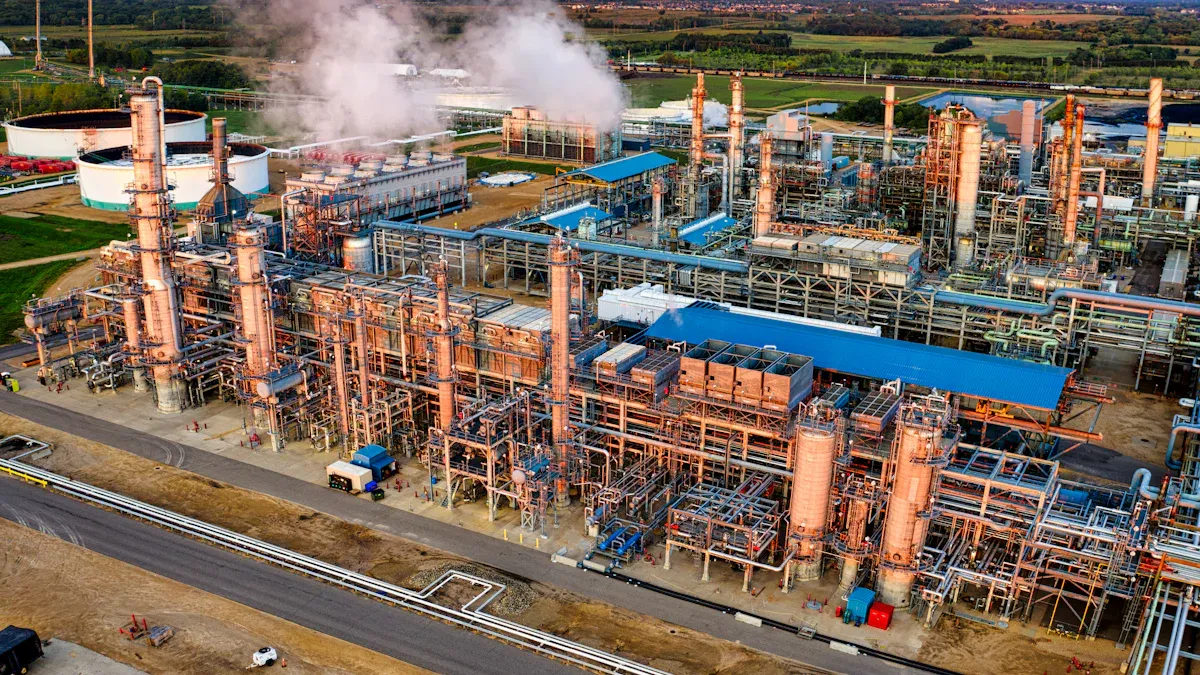
Step 3: Warehouse Processing
Warehouse employees or automated systems retrieve the required products.
Bulk orders may involve:
Pallet picking
Case picking
Full-carton picking
Batch picking
Zone picking
Automated picking systems
The appropriate method depends on order volume, SKU characteristics, and facility design.
Step 4: Packing and Consolidation
Products are prepared for transportation according to their destination and handling requirements.
For large shipments, this may involve palletizing products, wrapping pallets, labeling cartons, and preparing shipping documentation.
Consolidation can also help reduce transportation costs when multiple orders are traveling to the same destination.
Step 5: Carrier Handoff
Once the order is ready, it is transferred to the appropriate transportation provider.
The carrier may collect a parcel shipment, LTL freight, or a full truckload depending on the order size.
Step 6: Delivery and Tracking
The shipment is transported to the customer or receiving facility.
Tracking information should flow back into the order management system so that both the business and customer can monitor delivery progress.
Strategies for Designing an Efficient Fulfillment Distribution Network
There is no universal network design that works for every company. Businesses should build their distribution infrastructure around actual demand and operational requirements.
Analyze Customer Geography
Start by identifying where customers are located.
Analyze:
Order density
Revenue by region
Delivery destinations
Average shipping distance
Regional growth rates
Seasonal demand
This information can help determine whether additional fulfillment centers would provide meaningful operational benefits.
Segment Inventory by Demand
Not every product needs to be distributed equally.
Fast-moving products may justify placement in multiple regional warehouses.
Slow-moving or expensive products may be better suited to centralized storage.
Inventory segmentation helps businesses balance availability with carrying costs.
Consider Order Profiles
The average number of units per order matters.
A company primarily shipping individual consumer orders will have different fulfillment requirements from a business processing pallet-sized wholesale orders.
Important variables include:
Units per order
Orders per day
SKUs per order
Pallets per shipment
Average shipment weight
Order frequency
Seasonal peaks
These factors should influence warehouse layout, staffing, technology, and transportation planning.
Build Flexibility Into the Network
Demand changes.
A fulfillment distribution network that works perfectly during normal periods may struggle during seasonal peaks.
Businesses should consider flexible warehouse capacity, temporary labor, 3PL partnerships, overflow storage, and alternative transportation options.
Flexibility is especially important for companies experiencing rapid growth.
Technology’s Role in Fulfillment Distribution
Modern fulfillment networks increasingly rely on technology to coordinate inventory and orders across multiple facilities.
Common technologies include:
Warehouse management systems
Order management systems
Transportation management systems
Barcode scanning
RFID
Automated storage and retrieval systems
Robotics
Inventory forecasting software
Real-time tracking platforms
A warehouse management system can control receiving, putaway, picking, packing, and shipping activities.
An order management system can coordinate orders across multiple fulfillment locations.
A transportation management system can help businesses plan shipments, compare transportation options, and monitor freight movement.
When these systems communicate effectively, companies gain greater visibility across the entire distribution network.
Measuring Fulfillment Distribution Network Performance
Businesses should monitor performance using measurable operational indicators.
Important fulfillment KPIs include:
Order Accuracy
Order accuracy measures whether customers receive the correct products and quantities.
High accuracy is particularly important for bulk orders because mistakes involving hundreds or thousands of units can become expensive very quickly.
On-Time Shipment Rate
This metric measures how consistently orders leave the warehouse according to the required schedule.
Order Cycle Time
Order cycle time measures the period between order receipt and shipment or delivery.
Shorter cycle times can improve customer satisfaction and help businesses meet retailer or wholesale delivery requirements.
Inventory Accuracy
Inventory accuracy compares system records with physical inventory.
Accurate inventory data is essential when stock is distributed across several facilities.
Warehouse Capacity Utilization
Capacity utilization indicates how effectively available warehouse space is being used.
Too much unused space can increase costs, while excessive utilization can create congestion and slow down fulfillment.
Transportation Cost per Order
This metric helps businesses understand how distribution decisions affect logistics spending.
A warehouse closer to customers may reduce transportation costs, but operating additional facilities can increase storage and labor expenses.
The goal is not simply to minimize one cost. It is to optimize total fulfillment economics.
Common Challenges in Fulfillment Distribution Networks
Even well-designed networks face operational challenges.
Inventory Imbalance
One warehouse may have excess inventory while another experiences shortages.
Inventory transfers can solve the problem, but they also add transportation and handling costs.
Higher Operational Complexity
Every additional fulfillment location introduces another layer of coordination.
Businesses need consistent processes, accurate inventory systems, and reliable communication between facilities.
Rising Warehouse Costs
Operating multiple facilities can increase rent, labor, utilities, equipment, and management expenses.
Companies should therefore evaluate whether additional warehouse locations generate enough savings or service improvements to justify these costs.
Seasonal Demand
Holiday periods, promotional campaigns, and product launches can cause sudden increases in order volume.
A network must have enough flexibility to handle these peaks without creating significant delays.
Fulfillment Network vs. Single-Warehouse Model
A centralized warehouse model can be effective for businesses with relatively concentrated demand.
A distributed model may become more attractive when customers are geographically dispersed and delivery speed is important.
The choice depends on several factors:
Factor Centralized Network Distributed Network
Number of facilities Fewer More
Inventory concentration High Distributed
Transportation distance Potentially longer Potentially shorter
Operational complexity Lower Higher
Regional delivery speed May be slower May be faster
Facility costs Lower Higher
Scalability More limited Greater flexibility
Neither structure is automatically appropriate for every business. The right configuration depends on order volume, customer geography, product characteristics, and service requirements.
Working With a Third-Party Fulfillment Provider
Businesses do not always need to build and operate their entire fulfillment distribution network themselves.
Third-party logistics providers can offer access to established warehouse networks, transportation relationships, technology platforms, and fulfillment infrastructure.
A 3PL may provide services such as:
Warehousing
Inventory management
Bulk order fulfillment
Pick and pack
Pallet handling
Freight coordination
Retail distribution
Returns processing
This model can allow businesses to expand into new markets without making large investments in warehouse infrastructure.
When evaluating a fulfillment partner, businesses should examine warehouse locations, storage capacity, technology integration, order accuracy, shipping capabilities, pricing, scalability, and experience with similar products.
How to Build a Scalable Bulk Fulfillment Network
A scalable network should be designed around future demand rather than only today’s order volume.
Businesses can start by analyzing historical order data and identifying their most important customer regions.
They can then determine:
1.Where inventory should be stored
2.How much inventory each facility should hold
3.Which orders should be routed to each location
4.Which transportation modes should be used
5.What technology is needed for visibility and automation
6.How additional capacity will be added as demand increases
The network should also be reviewed regularly.
Customer locations change, product demand changes, transportation costs change, and new fulfillment technologies become available. A network that was efficient several years ago may no longer be optimal.
Final Thoughts
A fulfillment distribution network provides the infrastructure needed to manage inventory, process orders, and move products efficiently across multiple markets.
For businesses handling bulk orders, network design can directly influence warehouse productivity, transportation costs, delivery performance, and the ability to scale.
The most effective approach is not necessarily to build the largest network. Instead, businesses should create a distribution structure that matches their customers, inventory, order profiles, and growth plans.
By combining strategically positioned fulfillment facilities, accurate inventory management, intelligent order routing, reliable transportation, and integrated technology, companies can create a fulfillment distribution network capable of supporting consistent and scalable bulk order operations.
See Also
Understanding East Coast B2B Warehousing And Distribution Services
Simplifying Supply Chain Optimization With American Logistics Solutions
Comprehensive Ocean Export Services For FCL And LCL Shipments
Enhancing International Operations Through Innovative Logistics Solutions
Optimizing East Coast Import Warehousing And Delivery Services

