Creating Freight RFP Documents: A Practical Guide for Shippers
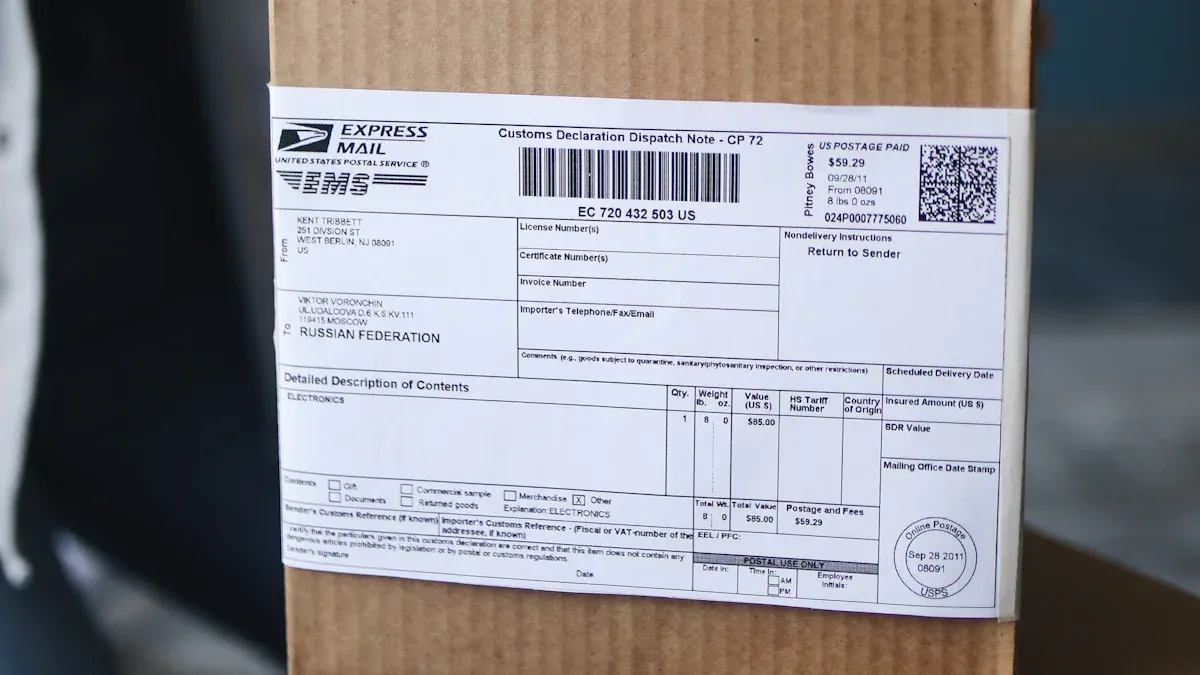
Creating freight RFP documents helps you control costs better and select reliable logistics partners. When you utilize a request for proposal, you clearly communicate your needs, making shipping easier to plan. A strong RFP framework ensures that every 3PL or carrier understands your requirements. Studies indicate that using standardized RFP documents is fair, saves money, and enhances service quality. Additionally, you experience fewer mix-ups during the selection process, leading to improved results for your freight.
Key Takeaways
Make sure you say what shipment types and volumes you have. This helps carriers give you the right prices and services for your needs.
Collect shipment data from at least one year ago. This information helps carriers give better quotes. It also helps you see your shipping patterns.
Use the same RFP template every time. This makes it easy to compare proposals. It also makes sure all carriers give the same details.
Tell what service levels and KPIs you want. Clear rules help you check how carriers do their jobs. They also help keep your shipping quality good.
Add rules for compliance and documents. This keeps your business safe from legal problems. It also helps your shipping go smoothly.
Creating Freight RFP Documents: Defining Your Needs
Shipment Types and Volumes
When you make freight RFP documents, you first figure out your shipment types and how much you ship. This helps you tell carriers and 3PLs what you need. You can use a table to keep your shipment details organized. Most shippers send standard LTL, full truckload, or volume LTL shipments. Each type has its own weight, number of pallets, and size rules.
Weight Range | Pallet Count | Volume Considerations | |
|---|---|---|---|
Standard LTL | > 100 lbs. to < 15,000 lbs. | < 10 pallets | < 20 linear feet; costs based on dimensions and density |
Full Truckload (FTL) | 15,000 lbs. to 44,000 lbs. | Up to 26 pallets | Market-based pricing; fluctuates with demand |
Volume LTL | > 5,000 lbs. or 6+ pallets | Varies | > 12 linear feet; suitable for low-density cargo |
You should write down your average shipment amounts for each type. This lets carriers give you the right prices. If your data is always the same, it is easier to compare rates. Carriers check things like how much space you need, what equipment is needed, freight class, and extra charges when they set prices.
Factor | Explanation |
|---|---|
The amount you ship affects how well truck space is used, so trucks can carry more than one shipment. | |
Equipment requirements | Bigger shipments might need special equipment, which can cost more. |
Freight class | Carriers use a freight class system that looks at size and weight, which changes shipping costs. |
Accessorial charges | Large shipments can have extra fees, which makes shipping cost more. |
Trade Lanes and Service Requirements
You need to say what your trade lanes and service needs are in your freight RFP. Trade lanes are the main routes your shipments travel, like Los Angeles to Chicago or New York to Dallas. Listing your main routes helps carriers know your network and give you better options.
Service needs are important when picking a carrier. Some shipments need temperature control or fast shipping. You should explain these needs in your request for proposal. Not all carriers can handle special needs.
Temperature control and fast shipping mean you must check if the carrier can do it.
Asset-based carriers are reliable and have more control.
Non-asset-based carriers are flexible and have a bigger network, which helps with special shipments.
If your RFP has clear and steady details, you can compare rates and services better. You make your shipping work better and choose the best carrier when you know what you need from the start.
Freight RFP Data Collection

Historical Shipment Data
You need to gather at least one year of shipment history. This helps you see your shipping patterns. Collect details like where shipments start and end, weight ranges, and freight classifications. Sharing this in your rfp helps carriers and 3pl partners give better quotes.
Here is how detailed shipment data helps with freight rate proposals:
Evidence Description | Impact on Freight Rate Proposals |
|---|---|
Makes quotes more accurate and helps plan money | |
Accurate quotes based on market conditions | Helps win more bids and keeps profits safe |
Independent reference points for negotiations | Gets brokers to offer better prices |
Reliable benchmarks for budget variance | Helps plan money well when prices change |
Always use real numbers from your shipping history. This lets you compare rfp answers and find the best deal for your freight.
Delivery and Accessorial Needs
You must say what you expect for delivery and any special cargo needs in your rfp. These details change the total shipping cost and service quality. Common accessorial needs are:
Liftgate service for places without docks or forklifts (costs $75-$150 each time)
Limited access delivery for hard-to-reach places ($50-$200 per shipment)
Residential delivery fee for home addresses ($75-$175 per shipment)
Knowing these charges helps you avoid surprises and get better deals with carriers. You should also write down any special cargo needs to make sure rules are followed and service stays good. Follow these steps:
Write the average weight for each load.
Say how much the cargo is worth.
Name the main and backup equipment types.
Give clear instructions for the lanes you want to bid on.
Add all ZIP and postal codes for where shipments start and end.
Show how much freight goes on each lane and how often you ship.
Tell if there are busy seasons or changes.
Clearly list any special needs like after-hours deliveries, blind shipments, or detention.
When you add these details to your rfp, it helps carriers meet your needs and keep costs under control.
RFP Document Structure
A strong rfp document helps you compare carrier proposals easily. Using the same template each time makes things clear for everyone. Carriers know what you want and there is less confusion. A standard structure helps you get the right information every time. This section tells why each part of the rfp is important and how it helps you choose better.
Company Background
You start your rfp by telling about your company. Carriers want to know who you are and what you do. They also want to know why you need their help. When you share this, carriers can make better proposals for you. A good background shows your delivery style and business goals. This makes your rfp more interesting to good carriers.
Description | |
|---|---|
Who are you? | Company background that provides context to carriers. |
What do you do? | Information on products, services, and customers to clarify needs. |
What’s your delivery philosophy? | Insights into speed, accuracy, flexibility, and sustainability expectations. |
Why are you issuing this RFP? | Explanation of business goals, pain points, and expected outcomes. |
Tip: A clear company background helps carriers see if they fit your shipping needs.
Scope of Services
You must say what services you want in your rfp. This part tells carriers what you expect from them. List all the services you need, like full truckload, less-than-truckload, ocean, or air freight. If you need customs clearance, warehousing, or other services, add those too. Using a template here helps carriers answer with the right solutions.
Note: A detailed scope helps you avoid missing services and gets you better proposals.
Shipment Details
Shipment details are very important in your rfp. Carriers use this to make their prices and service plans. You should add freight class, what you ship, and how much you ship. Tell about busy seasons and changes in volume. If you can, add pictures of your freight and packaging. More details help carriers give you better rates and service.
Key Practice | Description |
|---|---|
Identify KPIs | Determine key performance indicators that align with operational goals and industry benchmarks. |
Track and Analyze Data | Collect and analyze data to create a tailored evaluation system for carrier performance. |
Establish Collaborative Relationships | Work with carriers to develop scorecards and share insights for improved performance. |
List what you ship
Tell about busy seasons and changes
Add pictures of freight and packaging
When you give good shipment details, carriers can make better proposals. It also makes it easier to compare offers.
Rate Structure and Cost Breakdown
You should ask for a clear rate structure and cost breakdown in your rfp. A template for this part helps you collect the same data from each carrier. Carriers should list all charges, like accessorial fees and total shipping costs. This helps you compare proposals and avoid hidden costs.
Best Practice | Description |
|---|---|
Use Standardized Rate Templates | Standardizing freight contract management enhances cost-effectiveness and allows for automation, enabling seamless comparison of rate cards from different carriers. |
Maintain a Centralized Rate Repository | Indexing historical trends and benchmarking rates helps in making informed future decisions and supports automation in rate comparison. |
Providing a detailed breakdown of pricing expectations, including variables affecting costs, ensures bids are comparable and realistic, reducing disputes. |
Description | |
|---|---|
Accessorial Charges | Detailed fees that may apply to shipments, enhancing transparency in cost breakdowns. |
Total Shipping Costs | Enables informed decisions based on comprehensive cost analysis rather than just base rates. |
Give a full breakdown of pricing.
Make sure pricing is clear to avoid problems.
Make bids easy to compare.
Tip: Using a template for rates helps you find the best value and avoid surprises.
Service Levels and KPIs
You need to set service levels and KPIs in your rfp. This part tells carriers how you will check their work. Clear KPIs help you track results and make sure carriers do their job. Common KPIs are on-time, in-full performance, tender rejections, volume by carrier, and bid adherence.
On-time, in-full performance (OTIF)
Tender rejections
Volume by carrier
Bid adherence
When you set these rules, you focus on quality and trust, not just price. You also build better partnerships with your 3pl and carriers.
Compliance and Documentation
You must add compliance and documentation rules in your rfp. This keeps you safe from legal and business risks. Compliance means carriers follow laws and your company rules. It also helps make your shipping more steady and easy to predict. These rules stop fines, delays, and money loss.
Compliance means following laws and company rules, which helps you avoid legal trouble.
It makes shipping more steady and stops mistakes.
Finding problems early helps you avoid fines, delays, and losing money.
Note: A strong compliance section keeps your shipping safe and your business running well.
When you use the same template for each part, making freight rfp documents is easier and works better. Carriers can give you their best proposals, so you get better results for your freight.
RFP Submission Instructions

Clear rfp submission instructions help you get better responses from carriers and 3pl partners. When you set clear rules, you make it easier for everyone to send strong responses. You also avoid confusion and delays in the rfp process. Here is why each part of your rfp submission instructions matters.
Submission Format and Deadlines
You need to tell carriers how and when to send their rfp responses. A standard process helps you collect all proposal submissions in the same way. This makes it easier to compare responses and pick the best freight partner. Most shippers use a step-by-step timeline for rfp responses:
The rfp opens for responses.
You set a date for questions or hold a call for answers.
First rfp responses are due.
You give feedback to partners after the first round.
Second rfp responses are due if needed.
You start final talks with top carriers.
You tell winners about the rfp results.
The new contract for freight shipping begins.
You should always give a clear deadline for rfp responses. This helps carriers plan and send their best responses on time. You can also share a template for rfp responses to make sure all proposal submissions look the same.
Required Documentation
You must ask for the right documents in your rfp. This keeps the process fair and helps you check each carrier’s fit for your freight needs. Most rfp document packages include:
An introduction and your business needs
Pre-qualification questions for carriers
Terms and conditions for the rfp
Scope of freight shipping
A bid template for rfp responses
A list of surcharges and accessorials
Details on the rfp submission process
Evaluation criteria and key performance indicators
When you collect these documents, you make it easier to review rfp responses and avoid missing key details.
Q&A Process
A good rfp always includes a question and answer process. You should give a contact point for all rfp questions. This helps carriers send better responses and reduces mistakes. You can set a deadline for questions and answer them for all bidders. This keeps the rfp fair and open.
Tip: Clear instructions and a strong Q&A process lead to faster responses and higher-quality rfp responses.
Metric | Description |
|---|---|
Average Response Time | Shows how quickly you get rfp responses when instructions are clear. |
Win Rate | Improves when you give easy-to-follow rfp submission rules. |
You should always explain how you will judge rfp responses. This helps carriers focus on what matters most in their proposal submissions. When you use clear rfp instructions, you get more complete responses and better results for your freight shipping.
Logistics RFP Process: Review and Best Practices
Internal Review and Legal Compliance
You need a strong internal review to make your logistics rfp process work well. This step helps you find gaps and fix them before you send your rfp to carriers or third-party logistics providers. When you ask for feedback from your team and other stakeholders, you learn what matters most to each group. This makes your rfp stronger and more useful for everyone.
Stakeholder feedback shows you what each department needs from the rfp.
A reliable logistics rfp process with input from all sides keeps your goals clear.
Using an rfp management tool helps everyone stay informed and share ideas.
You also need to check legal compliance. This protects your company from risk. Many shippers use third-party auditing software to review rfp documents. This software gives you one place for all your data and cuts down on manual work. You can also:
Send your rfp to the carrier’s legal team for review.
Hold a call to talk about changes and answer questions.
Work together to solve problems and build trust.
A careful review and legal check help you avoid costly mistakes in your freight contracts.
Common Mistakes to Avoid
Many shippers make the same mistakes in the logistics rfp process. You can avoid these by knowing what to watch for.
Unclear carrier strategy: Focus on the lanes that move most of your freight.
Limited carrier mix: Use a mix of carriers and third-party logistics partners to control costs and service.
Not focusing on efficiencies: Work with your 3pl or carriers to match your needs with their networks.
Missing key details: Segment your lanes and give clear data in your rfp.
Short-sighted evaluation: Look at more than just price when you pick a carrier.
Tip: Standardize and clean your rate data. This makes your rfp easier to compare and helps you get accurate freight quotes.
Best Practice | Why It Matters |
|---|---|
Removes errors and gives you a clear view of all rfp responses. | |
Digitize surcharges | Shows the true cost of freight and avoids manual mistakes. |
Use consistent quoting rules | Keeps your logistics rfp process fair and accurate. |
Audit contract terms regularly | Makes sure your rfp matches your real shipping needs and avoids surprises. |
Give enough time for carriers to respond to your rfp. Avoid vague language and always separate pricing from service evaluation. These steps help you build better partnerships and get the best results from your logistics rfp process.
When you use a clear RFP process, your freight buying gets better. You say what you need to ship, gather the right data, and tell your 3pl and carriers what you want. This way, everyone trusts each other and there is less confusion.
Doing a freight RFP every year helps carriers get ready and save money for a long time.
If your RFP is clear and has details, you get better service and your shipments go smoothly.
Talking often and being honest helps you work well with partners for a long time.
Check your freight RFP steps often. Use new market facts and what people say to make your results better.
FAQ
Why should you use a standardized freight RFP template?
A standardized template makes comparing carrier proposals simple. You get answers that look the same from everyone. This saves you time and stops confusion. You can pick the best choice for your shipping.
Why does historical shipment data matter in your RFP?
Historical data shows how you really ship your freight. Carriers use this to give you the right prices. You will not get surprised by costs. The proposals you get will match your business.
Why do you need to specify accessorial needs in your RFP?
Accessorial needs change how much shipping costs. If you list them, carriers can add all charges at the start. You will not find hidden fees later. This helps you plan your money better.
Why is it important to set clear service levels and KPIs?
Clear service levels and KPIs let you check how carriers do their job. You can see if deliveries are on time and track other results. This keeps your shipping steady and helps you trust your partners.
Why should you allow enough time for RFP responses?
Extra time helps carriers make good, detailed proposals. You get better offers and fewer mistakes. This builds strong partnerships and makes shipping work well.
See Also
PGL's Knowledge in LTL and FTL Shipping Services
PGL's Services for Breakbulk and Oversized Ocean Freight
Key LCL Shipping Guidelines for Panama Exports by PGL
Transport Large Loads Economically with PGL's FTL Services
Crucial Strategies for Effective Global Logistics Operations
