Exploring Customs Broker Industry Demand and Market Size Trends
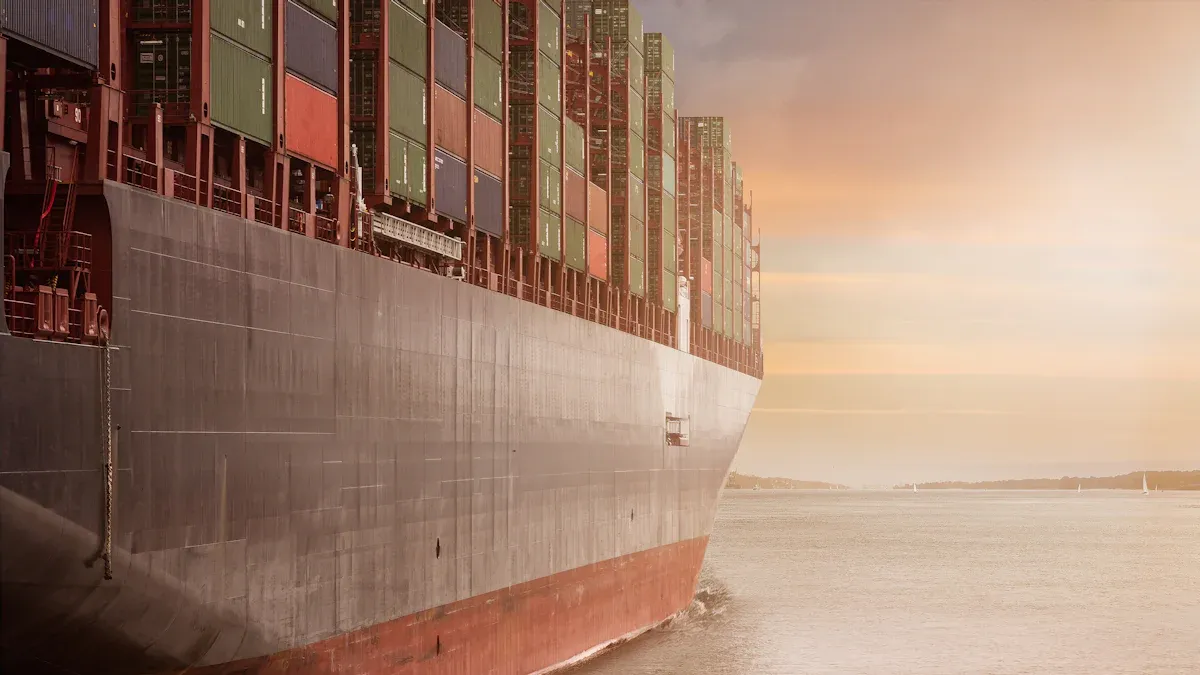
You see strong growth in the customs broker industry worldwide. The market stands at $27.62 billion in 2024 and is expected to reach $57.73 billion by 2035.
Year | Market Size (USD) |
|---|---|
2024 | 27.62 Billion |
2025 | 29.36 Billion |
2035 | 57.73 Billion |
Many factors shape customs broker industry demand. Globalization, international trade, and e-commerce expansion play key roles. Technology and changing customs regulations add new challenges and opportunities. When you understand these trends, you can better respond to a rapidly changing market.
Key Takeaways
The customs broker industry is projected to grow from $27.62 billion in 2024 to $57.73 billion by 2035, driven by globalization and e-commerce.
Complex trade regulations and the rise of online shopping increase the demand for customs brokers, who help businesses navigate rules and avoid delays.
Technology, including automation and AI, enhances customs processes, making them faster and more accurate, which benefits both brokers and their clients.
Staying updated on regulatory changes is crucial; customs brokers help businesses comply with new rules to avoid fines and ensure smooth operations.
Emerging markets in Latin America, Africa, and the Middle East present new opportunities for customs brokers as global trade expands.
Market Size & Growth

Current Market Value
You can see that the customs broker industry has grown quickly in recent years. In 2024, the global market size stands at about $27.49 billion. The United States alone accounts for $5.17 billion of this value. North America remains a major region for customs brokerage services, but the industry is expanding worldwide.
Here are some recent figures for the customs broker market:
Global market size in 2024: $27.49 billion
U.S. market size in 2024: $5.17 billion
The industry reached $23.78 billion in 2022 and continues to grow
Note: Different sources sometimes report different numbers. For example, some reports estimate the 2024 global market at $24.71 billion, while others suggest $27.49 billion. These differences happen because each source uses its own research methods, data collection, and definitions of what counts as customs brokerage. Some may include related services or focus on certain regions, which can change the totals.
You should also know that customs broker industry demand rises as global trade, e-commerce, and supply chain needs increase. This demand pushes the market value higher each year.
Growth Forecasts & CAGR
When you look at future growth, the customs broker industry shows strong potential. Experts predict the global market will reach between $41.47 billion and $57.73 billion by 2035. The compound annual growth rate (CAGR) for the industry varies by source, but most agree it will stay between 5% and 7.7% over the next decade.
Here is a table showing some key growth forecasts:
Period | Market Size Start | Market Size End | Source | |
|---|---|---|---|---|
2024 - 2032 | $27.49B | $49.19B | 7.54 | Market Research |
2025 - 2032 | $24.71B | $41.47B | 6.69 | Markets and Data |
2024 - 2035 | $27.62B | $57.73B | ~6.5 | Industry Projections |
2024 - 2029 (U.S.) | $5.17B | $6.59B | 4.95 | U.S. Market Analysis |
You may notice that some sources, like Wise Guy Reports, show lower numbers, with a 2024 market size of $6.92 billion and a CAGR of 3.6%. This is much lower than other estimates. These differences often come from how each report defines the market and what services they include.
Tip: Always check the source and method when you compare market size numbers. Some reports focus only on customs clearance, while others include related logistics or compliance services.
The main drivers for this growth include:
More complex trade regulations
Digital transformation in logistics
Growth in e-commerce
The need for efficient supply chains
You can expect customs broker industry demand to keep rising as businesses face new rules and look for faster, more reliable ways to move goods across borders. Technology, automation, and data analytics will also help the industry grow by making customs processes faster and more accurate.
Customs Broker Industry Demand Drivers
Global Trade & E-commerce
You see the world becoming more connected every year. Globalization increases the number of goods moving across borders. This creates more work for customs brokers. As companies trade with new countries, they face different rules and paperwork. You need experts to help you follow these rules and avoid delays.
The rise of e-commerce also changes how goods move around the world. Online shopping platforms let people buy products from other countries with just a few clicks. This means more packages cross borders every day. You want your orders to arrive quickly, so companies rely on customs brokers to clear shipments fast and follow all the rules.
Here is a table that shows how different factors affect the need for customs broker services:
Factor | Impact on Demand for Customs Broker Services |
|---|---|
Globalization | Increases volume of cross-border transactions and complexity of regulations |
E-commerce | Necessitates efficient customs clearance for international shipping |
Trade Agreements | Opens new markets, increasing compliance needs and trade flow optimization |
You can see that the customs broker industry demand grows as more people shop online and as businesses expand into new markets. The World Trade Organization reported a 3.5% rise in global merchandise trade volumes in 2022. Even though growth slowed to 1.0% in 2023, the long-term trend points upward. More trade means more customs paperwork and more need for experts.
You also notice that e-commerce is growing fast. Companies sell to customers in many countries. This leads to more cross-border transactions. Customs brokers help these companies by making sure shipments meet all rules and arrive on time. If you run a business, you know that delays can hurt your reputation. Customs brokers help you avoid these problems.
Globalization increases the volume of international trade.
E-commerce leads to more cross-border sales.
Complex customs regulations require expert help.
The customs broker industry demand rises because companies want to deliver products quickly and avoid fines. Brokers help you manage the paperwork and follow the rules, so your goods move smoothly.
Regulatory & Compliance Factors
You face many rules when you import or export goods. Governments change these rules often. New regulations can make the process harder. You need customs brokers to help you understand and follow these changes.
Recent years have seen important changes in customs regulations. For example, new rules from U.S. Customs and Border Protection (CBP) require brokers to communicate directly with importers. Brokers must also sign a power of attorney with each importer. These changes increase the responsibilities of customs brokers and make compliance more important.
Here is a table showing some recent regulatory changes and their impact:
Regulatory Change | Description |
|---|---|
Brokers must not provide false information and must report non-compliance. | |
Direct Communication Requirement | Brokers must talk directly with importers, not through third parties. |
Enhanced Record-Keeping | Brokers must keep records of all compliance communications. |
National Permit Framework | Brokers now need only a national license, not district licenses. |
Proactive Compliance Monitoring | Brokers must advise clients on how to fix compliance issues. |
You see that these new rules make the job of customs brokers more complex. Brokers must check documents carefully and report any problems. They must also keep detailed records. This increases the customs broker industry demand because companies need help to stay compliant.
If you import goods, you want to avoid fines and delays. Customs brokers help you by staying up to date with the latest rules. They make sure your shipments follow all laws. As regulations change, you rely on brokers even more.
New regulations increase the need for compliance.
Brokers must do more to help importers follow the rules.
Companies need expert advice to avoid penalties.
You can expect customs broker industry demand to keep rising as rules become more complex and as trade continues to grow. Brokers play a key role in helping you succeed in global markets.
Regional Markets
North America Overview
You see North America as a leader in the customs broker industry. The United States has a large market for customs brokerage. Growth in this region comes from strong trade activity and new trade agreements. The United States-Mexico-Canada Agreement (USMCA) helps increase cross-border land transport. Many small brokers work at border ports, making the market very active and competitive.
The U.S. customs brokerage market expects a CAGR of 4.95% from 2025 to 2033.
Cross-border land transport grows because of trade agreements like USMCA.
Many small brokers operate at border crossings, creating a fragmented market.
You benefit from this competition because brokers offer better services and prices. If you ship goods between the U.S., Canada, and Mexico, you need brokers who understand the rules for each country.
Europe & Asia-Pacific
Europe and Asia-Pacific also play big roles in the customs broker industry. In Europe, you see many countries with different customs rules. The European Union tries to make trade easier, but each country still has its own steps. You need brokers to help you follow these rules and avoid delays.
Asia-Pacific shows fast growth. Countries like China, Japan, and India trade with many partners. E-commerce grows quickly in this region. You see more packages crossing borders every day. Customs brokers help you clear goods faster and keep up with changing rules.
Region | Key Features |
|---|---|
Europe | Many countries, complex regulations |
Asia-Pacific | Fast e-commerce growth, rising trade volumes |
Emerging Regions
You notice new markets growing in Latin America, Africa, and the Middle East. These regions invest in better ports and customs systems. Trade increases as more companies enter global markets. You need brokers in these areas to help you handle new rules and paperwork.
Note: As trade grows in emerging regions, you see more demand for skilled customs brokers. This helps local businesses join the global economy and reach new customers.
Technology & Digital Trends

Automation & Platforms
You see automation changing the way customs brokers work every day. Many brokers now use automated data entry systems to boost efficiency and stay ahead of competitors. Global logistics companies invest in advanced automation tools to improve operations and customer service. Small and medium businesses also use automation to compete with larger firms.
Automated systems help you save money and speed up customs clearance.
Every hour saved means lower logistics costs, less demurrage, and fewer penalties.
Automation lets brokers focus on important decisions instead of routine tasks.
Customs brokers now rely on digital platforms to manage shipments and paperwork. You find platforms like KlearNow Customs Engine making customs management easier. These tools reduce human error and allow real-time tracking of shipments. You can see how digital solutions help brokers keep up with complex supply chains.
Digital Platform | Description |
|---|---|
Electronic Customs Declarations | Real-time submission and faster processing of customs declarations. |
Automated Classification Tools | Machine learning for accurate product classification and compliance. |
Blockchain Technology | Supply chain transparency and secure document sharing. |
Integrated Compliance Management | Tracks regulatory changes and manages compliance issues. |
Real-Time Tracking Solutions | Visibility into shipment status and alerts for customs clearance issues. |
KlearNow Customs Engine | Streamlines classification and reduces human error. |
Customs360 | Enhances efficiency in customs processes. |
Tip: You can use these platforms to track shipments, submit documents, and manage compliance with changing regulations.
Data & AI
You notice artificial intelligence (AI) making customs broker services smarter and faster. AI systems process thousands of documents every hour, helping brokers scale operations without hiring more staff. Automation of data entry tasks frees up time for brokers to build client relationships and offer strategic advice.
AI tools improve accuracy in customs declarations by matching goods to the right codes.
Machine learning algorithms detect errors, missing fields, and verify data against regulations.
Real-time flagging of discrepancies helps you avoid compliance problems.
AI-driven automation of manual data entry from invoices and packing lists lets brokers spend more time helping customers. You benefit from faster, more reliable customs clearance and fewer mistakes. As technology advances, you can expect customs brokers to use even smarter tools to keep your shipments moving smoothly.
Competitive Landscape
Major Players
You find several large companies leading the customs broker industry. These companies handle a big share of the market and set high standards for service. When you look at the top names, you see both global giants and strong regional firms. The biggest players use their resources to offer fast, reliable customs clearance and extra services.
Company | Market Share Contribution |
|---|---|
United Parcel Service (UPS) | Significant |
FedEx Corporation | Significant |
Livingston International | Notable |
Expeditors | Notable |
A.N. Deringer | Notable |
C.H. Robinson | Notable |
Others | Less than 50% combined |
You notice that UPS and FedEx lead the market. These companies use their global networks to move goods quickly. Other firms like Livingston International, Expeditors, A.N. Deringer, and C.H. Robinson also play important roles. Many smaller companies share the rest of the market, but none match the reach of the top firms.
If you choose a major customs broker, you often get access to advanced technology and a wide range of services.
Strategies & Innovation
You see that leading customs brokers use smart strategies to stay ahead. They do more than just file paperwork. Many companies now offer consulting on trade compliance, which helps you avoid costly mistakes. You also see brokers investing in automation software. This technology reduces errors and speeds up customs clearance.
Strategy | Description |
|---|---|
Diversify Services | Expand beyond basic entry filing to include high-margin offerings like trade compliance consulting. |
Leverage Technology | Invest in automation software to reduce manual effort and improve accuracy. |
Form Strategic Partnerships | Collaborate with freight forwarders to gain new client referrals and offer bundled services. |
Optimize Pricing | Implement value-based pricing models reflecting the complexity and expertise provided. |
Focus on Client Retention | Maintain excellent service to keep existing clients, reducing acquisition costs. |
You benefit when brokers form partnerships with freight forwarders. This gives you bundled services and smoother shipping. Many brokers also use value-based pricing, so you pay for the expertise and speed they provide. When brokers focus on keeping clients happy, you get better support and fewer delays.
You can expect more innovation as brokers compete for your business. Technology and service quality will keep improving to meet your needs.
Future Trends
Trade Policy & Geopolitics
You will see trade policy changes and global events shape the customs broker industry. New rules can change how you prepare documents and follow compliance steps. Tariffs may rise or fall, which affects the cost of importing goods. You may need to adjust your supply chain to avoid higher tariffs or delays. Customs brokers must stay alert and plan ahead for these shifts.
Impact Area | Description |
|---|---|
Stricter compliance regulations require updated product details and new documentation formats. | |
Impact on Clearance Times | Heightened inspections lead to less predictable clearance times, necessitating proactive planning. |
Adjustments in Costs | Shifts in tariffs can either raise or lower the cost of importing goods. |
Supply Chain Adjustments | Companies may change suppliers or shipping routes to avoid higher tariffs. |
Increased Focus on Compliance | New rules require close attention to ensure compliance, helping avoid fines and delays. |
Enhanced Communication | Transparent communication between brokers and clients is essential for managing changes. |
Embracing Technology | Adoption of AI-powered compliance software and real-time tracking to manage regulatory complexities. |
Continuous Learning | Investment in training to stay current with new trade policies. |
Collaboration with Government Agencies | Strengthening partnerships with regulatory agencies for smoother transitions. |
You will benefit from brokers who use technology and keep learning about new policies. Strong communication and partnerships with agencies help you avoid problems.
Sustainability
You will notice more customs brokers focus on sustainability. Companies want to protect the environment and reduce waste. Brokers use new tools and work with partners to make shipping greener.
Initiative Type | Description |
|---|---|
Blockchain Technology | Streamlines documentation processes, reducing paper use and improving tracking accuracy. |
AI | Optimizes load planning, leading to reduced fuel consumption. |
IoT Devices | Provides real-time data on shipping conditions for better decision-making and environmental protection. |
Collaborative Efforts | Involves all stakeholders to establish best practices for sustainability and eco-friendly shipping. |
Sustainable Packaging | Advocating for eco-friendly packaging solutions to minimize environmental impact. |
Carbon Offsetting | Participation in programs aimed at offsetting carbon emissions from shipping activities. |
You can expect more brokers to use blockchain and AI to save resources. Many now support eco-friendly packaging and carbon offsetting programs.
Customer Expectations
You will see customer expectations change as technology grows and rules become more complex.
You want brokers who understand your business and build strong relationships.
You expect brokers to act as advisors, not just handle paperwork.
You rely on brokers to use digital tools but also solve problems with personal service.
As you look for faster and more reliable service, brokers must adapt. They need to know your needs and help you follow new rules. Automation helps, but you still need experts who can guide you through challenges.
You see the customs broker industry changing fast. New technology and global trade shape the market. Here are the most important trends:
Trend Description |
|---|
Growing adoption of AI-driven customs risk assessment and compliance automation tools |
Increasing integration of blockchain technology for enhanced customs data transparency and traceability |
Surging requirement for end-to-end digital trade platforms integrating customs brokerage and freight management |
Growth of free trade agreements driving demand for specialized customs expertise in tariff classification and valuation |
Heightened focus on sustainable supply chains prompting customs brokers to offer carbon footprint reporting services |
Escalating geopolitical tensions leading to intensified regulatory compliance checks and brokerage service customization |
Expansion of single window systems worldwide transforming customs brokerage workflows and technology investments |
You need to stay aware and adapt to new rules and tools. The future brings both challenges and opportunities:
You will need more legal and tech skills to succeed.
Demand for customs expertise keeps rising.
Digital tools help you work faster and smarter.
Automation reduces errors and saves time.
Keep watching market and technology trends. This helps you stay ready for change and find new ways to grow.
FAQ
What does a customs broker do?
You hire a customs broker to help you move goods across borders. They handle paperwork, pay duties, and make sure your shipments follow all rules. This keeps your goods moving without delays.
Why is technology important for customs brokers?
You see technology speed up customs clearance. Automated tools reduce mistakes and save time. Digital platforms help you track shipments and manage documents easily.
How do new trade rules affect you?
You face new paperwork and compliance steps when trade rules change. Customs brokers help you adjust quickly. They keep you updated and help you avoid fines.
Can small businesses use customs brokers?
You can use a customs broker even if you run a small business. Brokers help you understand rules and ship products worldwide. This support helps you grow your business.
See Also
Exploring LCL Shipping Trends in Panama with Premier Logistics
A Guide to Panama's LCL Export Process by Premier Logistics
Overview of East Coast B2B Warehousing by Premier Logistics
Enhancing International Operations Through Innovative Logistics Solutions
Key Procedures for LCL Shipping to Panama by Premier Logistics
