The Role of Drayage in the Supply Chain: Explained
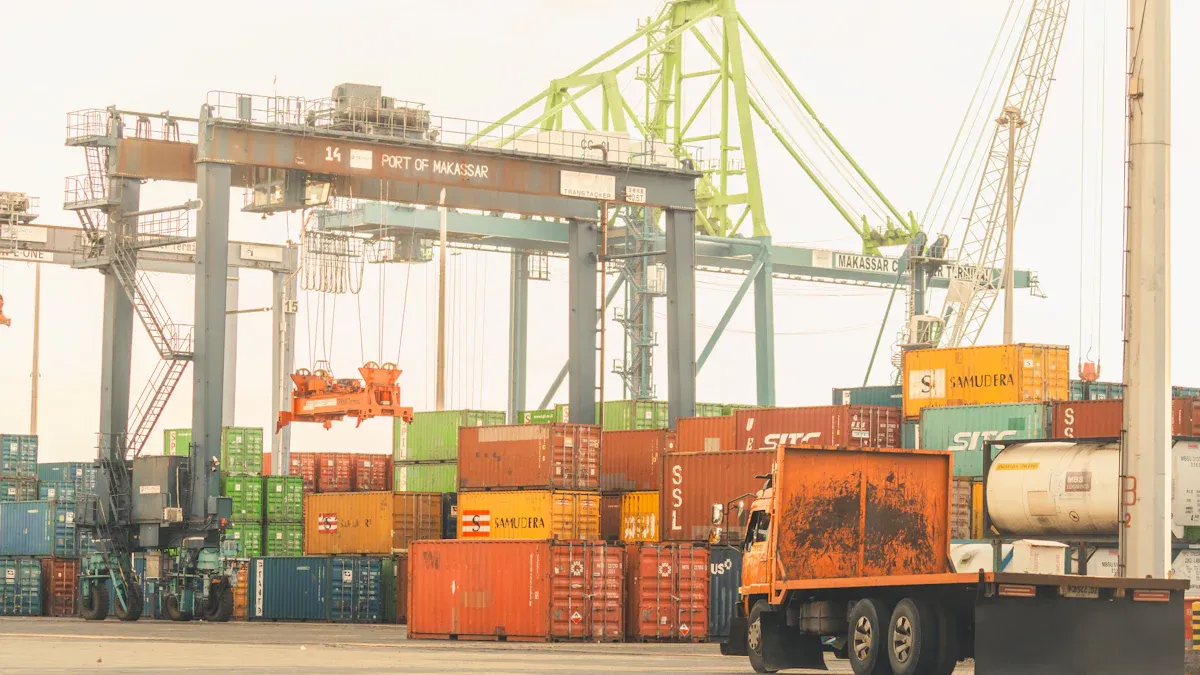
Drayage plays a crucial role in the supply chain when goods move between ports, rail yards, and warehouses. As the short-distance transport of containers in logistics, the drayage role in supply chain operations is to connect various modes of transportation, ensuring cargo moves efficiently. Acting as a vital bridge, drayage links each step of the supply chain, making sure products reach their next destination quickly and safely.
Key Takeaways
Drayage links different ways to move goods. It helps goods travel short distances easily.
Good drayage work stops delays. This helps deliveries arrive on time. It also keeps customers happy.
Technology in drayage makes things faster. It helps track goods better. It also saves money.
First-mile and last-mile drayage are very important. They help start and finish the supply chain well.
Picking the best drayage provider improves service. It also lowers extra costs.
Drayage Role in Supply Chain
What Is Drayage?
Drayage happens when goods move between ports, rail yards, and warehouses. It means moving containers a short distance, usually in the same city or area. Drayage helps connect different parts of the supply chain. It makes sure cargo goes from one type of transport to another. Drayage is not like long-haul trucking. It covers short trips, often less than 100 miles. You can see drayage trucks taking containers from a port to a warehouse. Sometimes, they move containers from a rail yard to a distribution center.
Drayage is very important for moving goods smoothly in the supply chain. It links different ways of transporting cargo. This lets containers travel easily from ports to warehouses or other places. If drayage does not work well, there can be delays. These delays can make logistics harder and cost more money.
Drayage jobs need to be done quickly. Most trips only take a few hours. Traffic and schedules at terminals can change the timing. But drayage usually stays in a small area. This part of the supply chain looks simple. Still, it needs good teamwork with terminal workers, warehouse staff, and truck drivers.
Here is a table that shows common drayage routes and what they do:
Common Drayage Routes | Description |
|---|---|
Port → Warehouse | Takes containers to local places for unloading |
Port → Rail Terminal | Moves containers for long train trips |
Rail Yard → Distribution Center | Brings rail containers to centers for sorting |
Port → Container Yard | Puts containers in yards for storage |
Warehouse → Port | Sends loaded containers back to the port |
Importance of Drayage
Drayage is a key part of the supply chain. It acts as the first and last step for moving goods. Drayage helps take cargo from the factory to the port or rail yard. Then, it moves cargo from the terminal to the customer or warehouse. Drayage connects long trips by ship or train with the final stop for goods. It helps move containers fast, so there are fewer delays and less waiting.
Drayage links different types of transport and helps move goods over short distances.
It makes the supply chain work better and faster.
Drayage handles moving freight between shipping methods, so deliveries are on time and goods do not sit too long.
Most drayage happens in the same city or area, so the trips are short.
Most drayage trips finish in a few hours and stay close by, showing how quick these jobs are.
Drayage is a very important link in the supply chain. It gives flexibility and helps things run smoothly. Drayage is cheaper for short trips than long-haul trucking. It helps move cargo between ships, trains, and trucks without problems.
Flexibility and Efficiency: Drayage lets you move containers in different ways, making transfers easy.
Cost-effectiveness: It is a cheaper way to ship over short distances than using long-haul trucks.
Integration with Intermodal Freight Transportation: Drayage helps connect different types of transport, making everything work better.
If drayage is slow or has problems, the whole supply chain can be affected. This can cause stockouts, late deliveries, and unhappy customers.
Drayage is very important in logistics. It helps connect different ways of moving goods and keeps things on time. Drayage helps the supply chain work well, so products get where they need to go without delays.
First-Mile and Last-Mile Drayage
First-Mile Operations
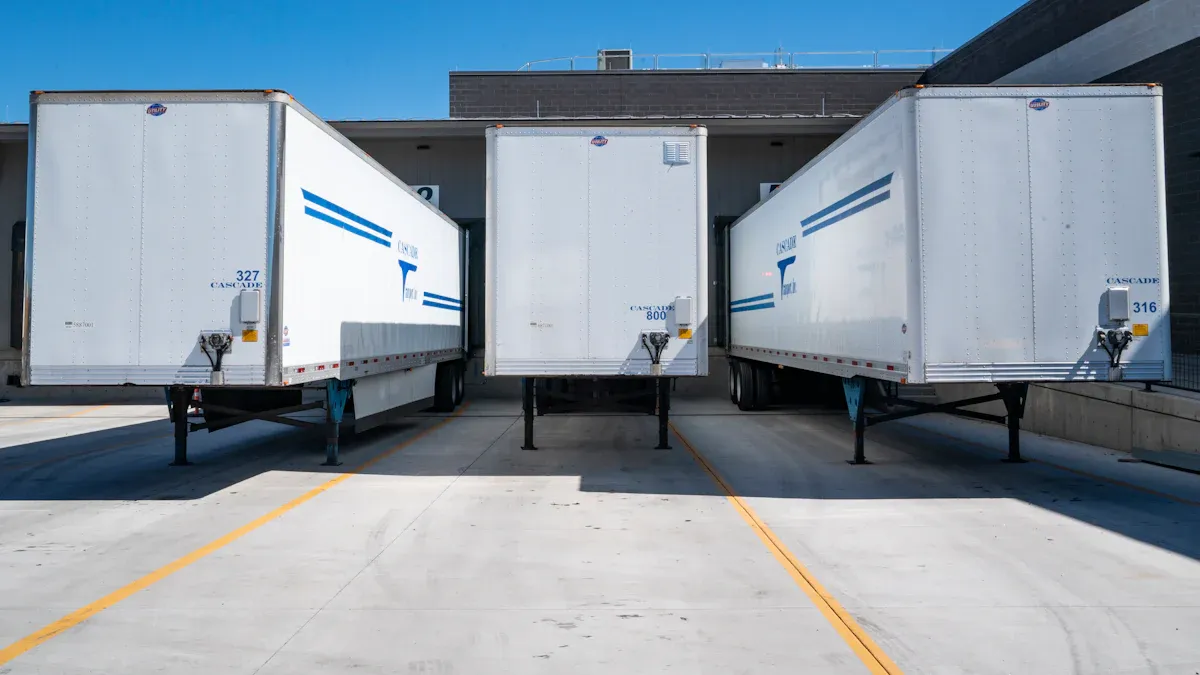
First-mile drayage starts the supply chain journey. It moves containers from factories to ports or rail terminals. These are short trips that link where goods are made to big transport hubs. Intermodal trucking helps move containers fast and safely. There are many important jobs in first-mile drayage:
You schedule when to pick up and drop off containers.
You check containers for damage or rules.
You fill out papers for customs and port entry.
You work with drayage and port teams to keep things smooth.
You handle short trips between logistics spots.
There are problems in this step. Busy ports can slow down shipments. Not enough equipment can mess up plans. Manual work can cause mistakes in routes. You also have to follow strict emission rules and deal with not enough drivers. These problems can make costs go up and slow down moving freight.
If first-mile drayage is on time, the supply chain keeps moving. Good planning helps stop delays and makes things run better.
Last-Mile Operations
Last-mile drayage takes containers from ports, rail yards, or warehouses to the customer or distribution center. This is the part people notice most in logistics. Customers want their deliveries fast and correct. You need to make plans that fit different needs. Last-mile jobs often use real-time tracking and flexible times.
You face some problems:
City traffic and small roads make deliveries hard.
High costs come from few stops and tough jobs.
Customers want fast, reliable service and updates.
Clean vehicles and smart routes are needed for the environment.
You must work closely with drayage and port teams to avoid extra fees and late deliveries. If you plan last-mile trips well, customers are happier and costs stay low.
Last-mile drayage is the last step in logistics. Careful work makes sure goods arrive on time.
Intermodal Drayage Services
Connecting Transportation Modes
Intermodal drayage services help move containers between trucks, trains, and ships. These services link big transport centers, making moving goods easy and fast. When you send goods overseas, the trip usually goes like this:
A truck takes your container from the factory to the port city.
Workers put the container on a ship for ocean travel.
The ship gets to the port, and the container goes onto a train.
The train moves the container across the country.
Another truck brings the container from the rail yard to a warehouse or store.
Drayage services organize these steps so your cargo does not get stuck. Fast drayage is important for supply chains that need things right away. You skip traffic at ports and keep factories working. Drayage providers also help with customs and rules, so your goods clear faster. Tools like real-time tracking and geofencing let you see shipments online. For example, CargoWise Landside and GeoStamp Track give ways to manage drayage and check wait times.
Using both rail and truck transport gives you more choices and control. This makes delivery times better and helps you meet what customers want.
Supporting FCL/LCL Shipments
Drayage services work for full container load (FCL) and less-than-container load (LCL) shipments. If you ship a full container, drayage takes it straight to your destination. For LCL shipments, drayage moves containers to a freight station, where workers sort goods and send them in different trailers.
You can see how FCL and LCL shipments are handled in the table below:
Aspect | FCL (Full Container Load) | LCL (Less than Container Load) |
|---|---|---|
Handling Touchpoints | Fewer handling steps, so less chance of damage | More handling steps, so more chance of damage |
Security | Higher security; container stays sealed | Lower security; more steps mean more risk |
Transit Time | Faster and easier to predict | Slower and harder to predict because of sorting |
Cost | Cheaper for bigger shipments (>15 CBM) | Cheaper for smaller shipments (<13 CBM) |
Best For | Big, urgent, valuable shipments | Small, not urgent, budget shipments |
You get benefits by picking drayage services that fit your shipment. Choosing the right drayage helps you save money, cut pollution, and make your supply chain work better. If you want to know more about drayage types or how they fit into intermodal logistics, you can check resources from groups like the Intermodal Association of North America.
Cost and Efficiency Implications
Reducing Delays and Fees
Managing drayage costs can be hard. Delays at ports and rail yards can cost a lot. Free time is getting shorter, and fees are going up. If you miss a pickup, you might need to store containers for a while. This means more handling and extra drayage trips. When containers arrive late, it can mess up factories and store sales. Even small problems can grow into bigger ones. These issues can hurt your budget for weeks.
Here is a table that shows how delays and fees can hurt profits:
Evidence Description | Impact on Profitability |
|---|---|
Shrinking free time windows and higher charges strain operations. | Increases costs and makes financial impact harder to absorb. |
Missed pickups lead to temporary storage needs, incurring extra costs. | Results in additional handling and drayage moves, increasing overall expenses. |
Late arrivals affect production lines and retail promotions. | Causes delays that can erode customer confidence and lead to lost sales opportunities. |
Delays force expedited shipping, incurring premium rates. | Increases operational costs significantly, impacting profit margins. |
Small disruptions can compound into major setbacks. | Leads to tighter budgets and lost revenue weeks later, affecting overall profitability. |
Financial and operational impacts are not limited to a single shipment. | Creates a ripple effect that can strain resources and profitability across multiple shipments. |
Delays result in storage fees and lost sales opportunities. | Directly erodes profit margins and strains customer relationships, impacting long-term profitability. |
Drayage delays and storage fees at big ports can cost $100 to $300 each day. Containers usually stay at the port for about 4.5 days. These costs can quickly lower your profits.
Optimizing Drayage Operations
There are ways to make drayage work better and save money. Getting paperwork ready early helps stop delays. Making deals for more free time can lower fees. Using automation, like reminders for important dates, helps things run smoother. Planning for problems and knowing how to handle exceptions keeps shipments moving.
Making operations better can save a lot of money. You might cut logistics costs by 20-30%. Faster work can make deliveries 30% quicker. Real-time tracking can make things 15% more efficient. Better inventory management can help you sell goods 25% faster. More companies are using new technology, with 60% investing in better tools.
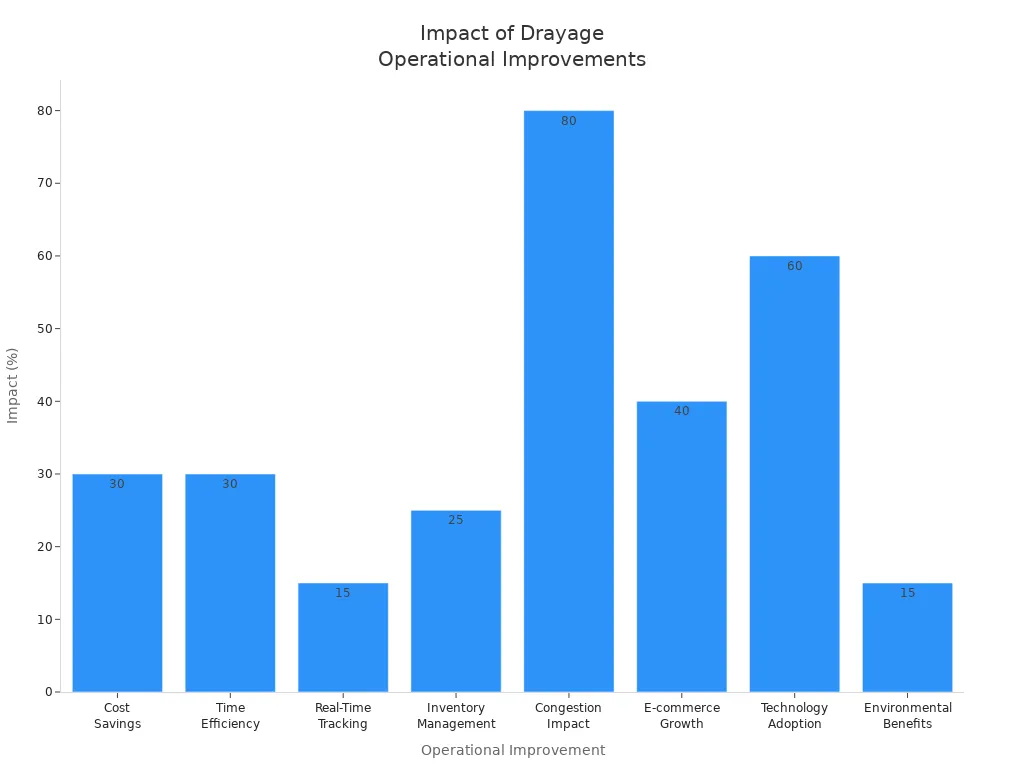
AI-powered systems help track containers and make fast choices. Automating simple tasks helps workers get more done. Real-time data lets you spot delays and change plans quickly. These ideas help you control drayage costs, make logistics better, and cut down on pollution.
Tip: Work with customer-friendly steamship lines and team up with good landside 3PLs. This can help you get better deals and make things easier.
Risks and Best Practices
Common Drayage Challenges
There are many problems in drayage when moving containers. These problems can slow down your work and make it cost more. Here are some common issues:
You have to follow strict rules for emissions and safety. These rules can change a lot and make planning tough.
Many companies cannot find enough drivers. There are not many new drivers, and many leave the job. This makes it hard to have enough workers.
You must meet environmental standards. This might mean you need new trucks or must change how you work.
Bad weather can stop drayage jobs. Floods, storms, and disasters can block roads and slow shipments. In 2024, floods caused most weather problems in supply chains.
Problems with ports or old roads can cause traffic jams. Sometimes, too many containers come at once. You have to find new ways to move them fast.
Bad weather and disasters are happening more now. You need good risk plans to keep things running during these times.
Best Practices for Efficiency
You can beat these risks by using best practices for drayage. These steps help your work stay smooth and on time:
Listen to your drivers and shippers. When you fix their problems, warehouses work better and delays are less.
Work with your partners in the transport network. Sharing tools and news helps everyone react fast to changes.
Use local warehouses and third-party logistics teams. This makes trips shorter and gets containers moved faster.
Try digital tools and automation. Technology helps you track shipments, do paperwork, and find problems early.
Check your work with key numbers. Track on-time deliveries and how well you keep schedules. These numbers show where you can do better.
When you use these ideas, your drayage work gets better. You also build a stronger supply chain that can handle surprises.
Tip: Know your local area well. This helps you avoid delays and talk better with your team.
You help make logistics run well. Drayage links ports, rail yards, and warehouses. This keeps goods moving and stops delays. It helps you watch shipments and save money. If you know about drayage, you can make deliveries faster and stop problems.
Talk to transportation providers early.
Use technology to do tasks and guess port traffic.
Meet often and ask for real feedback.
Try new tools to move trailers and fix changes fast.
FAQ
Why does drayage matter in logistics?
Drayage helps move containers fast between ports, rail yards, and warehouses. This keeps shipments on time and stops delays. Drayage makes logistics work better and helps deliveries be reliable.
Why do companies focus on first-mile and last-mile drayage?
First-mile drayage starts shipments from factories. Last-mile drayage brings goods to customers. Both steps help cut waiting and make deliveries faster.
Why can drayage delays impact your supply chain?
Drayage delays can cause missed deadlines and extra fees. You might lose sales and make customers unhappy. Fast drayage keeps your supply chain working well.
Why should you use technology in drayage operations?
Technology helps you track containers as they move. You can find problems early and fix them fast. Digital tools help plan routes and handle paperwork, making work easier.
Why is choosing the right drayage provider important?
A good drayage provider helps you avoid delays and extra costs. You get better service and faster deliveries. The right partner helps your supply chain reach its goals.
See Also
Selecting LTL, FTL, Or Drayage Services With PGL
PGL’s Efficient Drayage And Trucking Services Save Time
PGL Enhances East Coast Import Warehousing And Distribution
