7 Expert Tips for Efficient Freight Transportation Strategies
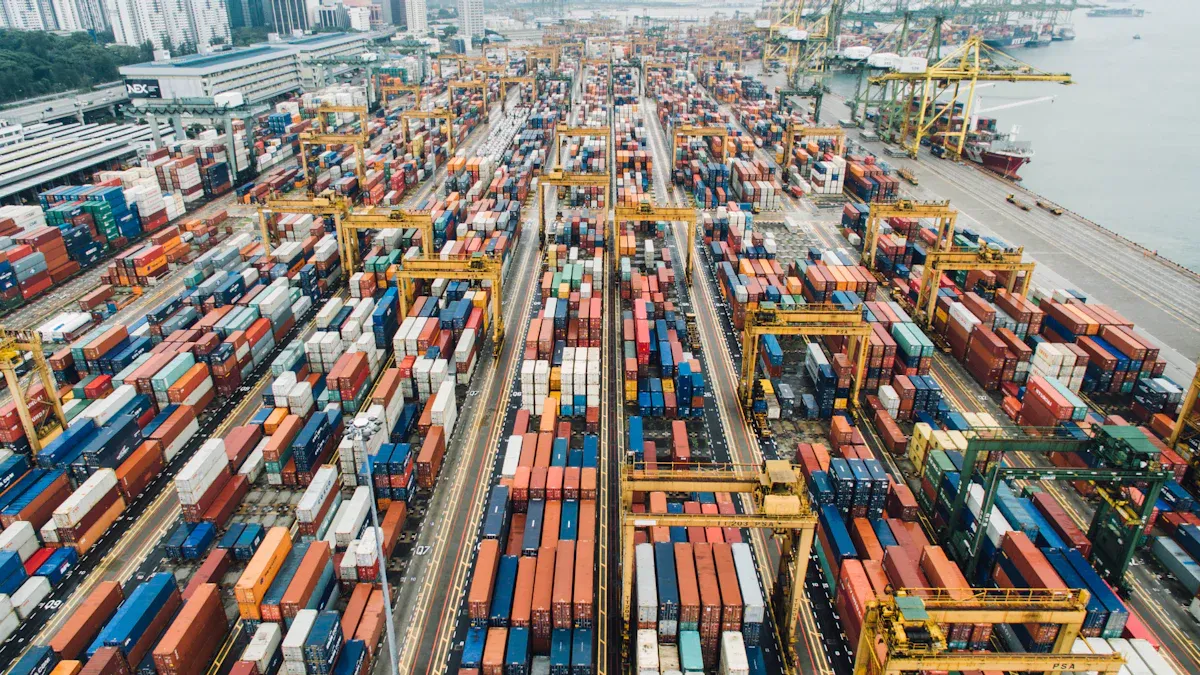
You can lower logistics costs and improve supply chain performance by focusing on efficient freight transportation strategies. Industry data shows that optimizing freight methods can save between 10% and 20% of your expenses.
Strategy Description | Percentage Savings |
|---|---|
General savings from optimizing freight | 10% to 20% |
AI route optimization and TMS | 5% to 12% |
Mode shifts to rail or ocean | 8% to 20% per lane |
Many companies see better results when they use real-time data and advanced tools. You should review your current freight practices and look for areas that need improvement. Taking action now helps you stay ahead in a fast-changing market.
Logistics costs make up about 10% of your total spending.
Using transportation management systems can boost efficiency and save money.
Data-driven insights help you make smart decisions for your supply chain.
Key Takeaways
Optimize freight methods to save 10% to 20% on logistics costs and improve supply chain performance.
Use Transportation Management Systems (TMS) to automate tasks, track shipments, and enhance efficiency.
Implement real-time shipment visibility to quickly address delays and keep customers informed.
Consolidate shipments to reduce costs and improve delivery efficiency by combining multiple orders.
Regularly review and audit freight processes to uncover hidden costs and enhance overall performance.
Use Transportation Management Systems
Transportation Management Systems (TMS) help you manage freight more efficiently. You can automate many tasks and reduce mistakes. TMS platforms give you tools to track shipments, analyze data, and improve your supply chain. Many large companies now use cloud-based TMS solutions. These systems are easy to set up and do not need much IT support. You can scale your operations as your business grows without adding more complexity.
Benefit | Description |
|---|---|
Cost Savings | TMS can save you between 3% and 12% on freight spend by finding better rates. |
Improved Efficiency | Automates tasks and streamlines operations for faster shipments. |
Enhanced Customer Service | Gives real-time tracking and accurate updates to customers. |
Better Carrier Performance | Measures carrier results for smarter choices and negotiations. |
Scalability | Supports growth without extra work or staff. |
Real-Time Shipment Visibility
You can see where your shipments are at any moment with real-time visibility. This feature lets you spot problems quickly and reroute shipments if needed. You keep customers informed with proactive updates, which builds trust and satisfaction. Real-time tracking also helps you combine data from different sources. You get a clear picture of your entire shipping process.
Real-time visibility helps you respond to delays fast.
You can update customers before they ask for information.
Tracking technology improves planning and saves money.
Tip: Use IoT and 5G communication tools to boost your shipment visibility and speed up decision-making.
Data-Driven Decision Making
TMS platforms collect and analyze data from every shipment. You can use this data to make better choices and improve your results. Key performance indicators (KPIs) show you where you can save money and work smarter.
KPI | Description | Why It Matters |
|---|---|---|
Shipments delivered on schedule | Shows carrier reliability | |
Cost Per Mile | Cost for each mile shipped | Controls expenses |
Capacity Utilization | How well you use vehicle space | Reduces waste |
Transit Time | Time from origin to delivery | Improves planning |
Freight Billing Accuracy | Correct invoices processed | Avoids payment problems |
You can track these KPIs to spot trends and fix issues before they grow. AI and machine learning in TMS help you predict problems and plan smarter routes. You get faster shipments and lower costs.
Optimize Load Planning
Maximize Vehicle Utilization
You can boost your freight efficiency by making the most of every vehicle trip. When you fill trucks or containers to their full capacity, you reduce the number of trips needed and cut down on fuel use. This approach saves money and supports sustainability goals. Many companies use AI-driven tools to plan routes and balance loads, which leads to fewer empty miles and lower costs per shipment.
Benefit | Description |
|---|---|
Fewer Trips | Move more goods in one trip, which means less time and fuel spent. |
Greater Vehicle Capacity | Use every inch of space, so you get more value from each shipment. |
Reduced Fuel Consumption | Spend less on fuel by carrying larger loads and traveling fewer miles. |
Reduced Costs | Lower your expenses for fuel, labor, and maintenance. |
Cut carbon emissions and help the environment. |
Fleet operators who use predictive maintenance and smart fuel management report big savings.
Delivery companies improve fuel efficiency by planning better routes and avoiding detours.
You can balance load distribution to make each trip count.
Tip: Track your trailer fill rates. Aim for at least 95% utilization to maximize savings.
Balance and Consolidate Shipments
You can further improve efficiency by combining shipments and balancing loads. This strategy helps you avoid empty miles and makes sure trucks carry goods both ways. Digital freight exchanges and matching platforms connect you with carriers in real time, so you can fill available space quickly.
Consolidate shipments into full truckloads for better load efficiency.
Use backhaul optimization to keep trucks loaded on return trips.
Share forecasts and volume data with carrier partners to plan ahead.
Diversify your shipping methods by using intermodal options like rail and road.
Reward carriers who reduce empty miles to build strong partnerships.
Plan multi-stop routes to maximize payload and minimize empty running.
Align delivery windows for efficient scheduling.
Incorporate backhaul planning to eliminate deadhead distance.
Note: Combining shipments and using technology helps you save money, reduce delays, and improve customer satisfaction.
Strategic Route Optimization

You can improve your freight transportation by focusing on strategic route optimization. This approach helps you save money and deliver shipments faster. Many logistics professionals agree that structured route planning boosts efficiency and customer satisfaction. Fuel costs make up almost a quarter of your fleet's expenses. If you reduce fuel use by just 10%, you can see big savings across your operations.
Lane-Level Analysis
Lane-level analysis lets you examine each shipping lane to find areas where you can cut costs and improve performance. You should look at key metrics to spot inefficiencies and make better decisions.
Key Metrics | Description |
|---|---|
Freight cost per lane and per km | Checks how much each route costs, helping you find cheaper options. |
Fuel costs | Shows where you spend the most on fuel, so you can target those lanes for savings. |
Volume of transported freight | Reveals which lanes carry the most goods and where you might have unused capacity. |
Capacity utilization | Measures how full your trucks are, helping you avoid empty miles. |
Incoming and outgoing load traffic | Tracks traffic patterns to uncover delays and bottlenecks. |
Transit times | Highlights slow routes that need improvement. |
Reliability | Rates how often shipments arrive on time, guiding you to better lanes. |
Deadhead probability scores | Predicts empty runs so you can plan return loads and reduce waste. |
Long-haul lane attractiveness | Points out profitable long-haul routes for better planning. |
Machine learning insights | Uses smart analytics to find patterns and suggest improvements. |
Tip: Review your current routes every quarter. Look for lanes with high costs or frequent delays. Make small changes to see quick results.
Advanced Routing Tools
You can use advanced routing tools to automate and optimize your shipping routes. These tools help you plan better, reduce manual work, and improve communication with carriers and customers.
Tool Type | Features and Impacts |
|---|---|
Transportation Management Systems | Automate booking and load planning, making your workflow smoother. |
Route Optimization Software | Analyze routes to cut fuel costs and delivery times, integrating with your current systems. |
AI-Powered Predictive Logistics | Predict delays and suggest faster routes, improving customer satisfaction. |
Wisor | Automate rate searches and routing, giving you more transparency and less manual work. |
Descartes | Provide automation for cross-border shipments, reducing manual checks and customs paperwork. |
Try using route optimization software to spot inefficient routes.
Use AI-powered tools to predict delays and reroute shipments quickly.
Automate routine tasks to free up time for strategic planning.
Quick Win: Start by reviewing your top five shipping lanes. Use routing software to compare current routes with optimized alternatives. You may find faster paths and lower costs right away.
Consolidate Shipments
Combine Shipping Orders
You can save money and improve your shipping process by combining multiple orders into one shipment. When you group orders together, you pay fewer carrier charges and lower your overall shipping expenses. This method also helps your warehouse team work faster, especially during busy times. Customers benefit from a single delivery, which means less waiting and less confusion about tracking packages.
Combining orders leads to fewer shipments and lower costs.
Customers receive all their items at once, which improves satisfaction.
Your team spends less time packing and processing separate orders.
Many companies have seen big savings by consolidating shipments. For example:
A medical device manufacturer saved $300,000 each year by shipping from one facility instead of five.
A logistics provider cut transportation costs by 40%, saving $315,000 through freight consolidation.
A retail company improved on-time delivery from 67.24% to 96.2% and avoided 22.8% in extra costs after joining a consolidation program.
You can see how joint shipments compare to split shipments in the table below:
Aspect | Joint Shipment | Split Shipment |
|---|---|---|
Cost | Higher cumulative cost | |
Delivery Time | Ships when all items are ready | Ships available items sooner |
Tip: Use a Transportation Management System (TMS) to organize and manage your combined shipments for even greater efficiency.
Schedule Regular Reviews
You should review your shipment consolidation strategies on a regular basis. This helps you spot problems early and adjust your approach as your business changes. Check key performance indicators like cost per shipment and on-time delivery rate. Use this data to find ways to improve.
Review performance metrics and adjust strategies based on what you learn.
Analyze shipping details to choose the best consolidation methods.
Make sure combining shipments does not delay important deliveries.
Work with your logistics partners to get feedback and new ideas.
Regular reviews help you keep your freight transportation efficient and cost-effective. By staying alert and making changes when needed, you can maintain strong results and keep your customers happy.
Rate and Accessorial Charge Management
Managing freight rates and accessorial charges helps you control shipping costs and avoid surprises on your invoices. You can use technology and smart planning to keep expenses low and improve your bottom line.
Rate Optimization Tools
You can choose from many rate optimization tools to find the best shipping rates and streamline your freight operations. These tools use advanced analytics and artificial intelligence to help you make smart decisions. They also connect with your existing systems, making it easy to track shipments and costs.
Feature | Description |
|---|---|
Route Planning | Uses analytics to find the fastest and cheapest delivery routes. |
Load Optimization | Fills trucks efficiently, reducing empty space and saving money. |
Integration Capabilities | Connects with your current software for better visibility. |
Data Analytics | Tracks performance and spots trends to help you improve. |
Scalability | Grows with your business without slowing down operations. |
User-Friendly Interface | Makes it easy for you to use and understand the system. |
AI and Machine Learning | Predicts costs and finds better routes for big savings. |
AI and machine learning can analyze large amounts of data. You get cost predictions and route suggestions that save time and money.
These tools help you forecast demand and pick the best carrier for each shipment.
Tip: Use rate optimization software to compare carrier rates before booking. This helps you avoid overpaying for freight.
Prevent Costly Accessorial Charges
Accessorial charges can add up quickly if you do not manage them well. You can prevent these extra fees by understanding common charges and using smart strategies.
Detention charges for delayed loading or unloading.
Lumper fees for third-party workers handling cargo.
Residential delivery fees for shipments to homes.
Inside delivery charges for bringing goods inside buildings.
Redelivery fees for failed delivery attempts.
Liftgate fees for special equipment use.
Truck Ordered and Not Used (TONU) fees for unused trucks.
Strategy | Description |
|---|---|
Accurate Shipment Details | Double-check weights, dimensions, and Bill of Lading information. |
Streamline Loading/Unloading | Schedule appointments and prepare shipments to avoid detention fees. |
Leverage Carrier Scorecards | Track carrier performance and reward efficient partners. |
Use Technology | Monitor shipments in real time to spot delays early. |
Negotiate Detention Terms | Set clear detention fee terms in contracts with carriers. |
Track Recurring Fees | Review past invoices to find and fix common fee issues. |
Optimize Communication | Keep shippers and receivers informed to prevent mistakes and delays. |
You can avoid costly mistakes by planning ahead and communicating clearly. Technology helps you track shipments and spot problems before they lead to extra charges. Regular reviews of your shipping process keep your freight transportation efficient and cost-effective.
Freight Audits and Benchmarking
Uncover Hidden Costs
You can improve your freight transportation strategy by running regular freight audits. These audits help you find hidden costs that may hurt your budget. Many companies discover billing errors and process problems during these reviews. You gain more control over your spending and can fix issues before they become expensive.
Regular freight audits uncover a rich layer of operational and financial insight that can transform how your supply chain performs. The real value of freight audit is not just in catching billing errors. It lies in the ability to fix broken processes, strengthen financial alignment and prevent costly issues before they take root.
You may face several problems if you skip freight audits:
Overpaying for transportation due to undetected billing errors.
Mismatched accruals and budget variance from inaccurate freight billing.
Distorted carrier performance metrics leading to flawed decision-making.
You can use these steps to make your audits more effective:
Leverage accurate reporting and advanced analytics.
Make the entire supply chain more transparent.
Spot market trends and forecast future freight costs.
Many businesses use audits to compare costs across regions and industries. For example, a beverage distributor analyzed lane costs and found ways to improve shipment quality and save money. An electronics exporter compared market rates and secured better deals.
Carrier Performance Review
You should review carrier performance often to keep your freight moving smoothly. Benchmarking helps you measure how well your carriers perform. You can use clear metrics to track results and make better choices.
On-Time Delivery Rate: The percentage of shipments delivered on or before the promised date.
First Scan Time: The time between label creation and the first physical scan by the carrier.
Transit Time Variability: The difference between expected and actual delivery durations across trade lanes.
Damage and Claims Rate: The percentage of shipments that arrive damaged or need reimbursement.
Tracking Visibility: The percentage of orders with accurate, real-time tracking updates.
Cost per Shipment: The total costs of each shipment, including surcharges and accessorial charges.
Exception Rate: The percentage of shipments experiencing delays, holds, or misroutes.
Some companies create scorecards to track carrier delays and billing errors. For instance, an FMCG company used scorecards to negotiate better contracts. You can use these reviews to improve your shipping process and build stronger partnerships with your carriers.
Sustainable Freight Transportation Strategies

You can improve your supply chain by using efficient freight transportation strategies that focus on sustainability. Many leading companies show that these strategies help you save money and protect the environment.
Reduce Emissions and Empty Miles
You can lower costs and reduce pollution by cutting down on empty miles. Empty miles make up 20% to 40% of trucking mileage, which leads to wasted fuel and higher expenses. When you match shipments with available trucks, you use fewer resources and spend less. For example, Unilever improved its CO2 efficiency by 31% by reducing wasted journeys. CHEP saved €8.7 million and avoided 6,500 tonnes of CO2 emissions by collaborating with partners to cut empty truck trips.
Tip: Use technology platforms to match transporters with orders along their routes. This helps you avoid empty trips and boosts your operational efficiency.
Here are some ways efficient freight transportation strategies help you reduce emissions and costs:
Lower fuel and maintenance expenses by reducing empty miles.
Cut carbon emissions and improve air quality.
Increase driver productivity by minimizing wasted trips.
The EPA’s SmartWay program shows that better freight practices can reduce air pollution and improve health for everyone.
Optimize Packaging
You can save money and support the environment by optimizing your packaging. Efficient freight transportation strategies include using sustainable materials and right-sizing packages. When you choose recycled cardboard or biodegradable packing, you reduce waste and lower shipping costs. Right-sizing packaging means you use only what you need, which saves space and money.
Use paper, cardboard, and bioplastics to cut down on packaging waste.
Design packaging systems that are restorative and regenerative.
Choose reusable packaging to decrease single-use materials.
Many companies use AI and IoT to improve packaging operations. These tools help you find the best way to pack goods and reduce excess material. When you minimize waste, you also enhance your brand’s reputation.
Strategy/Practice | Description |
|---|---|
Companies work to reduce greenhouse gases. | |
Data utilization | Use quality data to make smart decisions. |
Accountability | Model and champion sustainability in freight. |
Market transformation | Inspire changes in how freight is moved. |
Sharing strategies | Share successful sustainability ideas with others. |
Efficient freight transportation strategies help you lower costs, reduce emissions, and create a more sustainable supply chain. You can follow the examples of Alpha Augmented Services, CHEP, and ReturnBear, who use AI and collaboration to reduce waste and improve results.
You can transform your freight transportation by using expert strategies. When you optimize your network, you plan better and allocate resources more efficiently. You reduce landing costs and make your expenses predictable. You lower your cost-to-serve and offer competitive prices.
Continuous improvement helps you spot inefficiencies and boost performance.
Benchmarking shows you where to improve and helps you reach industry standards.
Start today. Track your progress and adjust your strategies for lasting success.
FAQ
What is a Transportation Management System (TMS)?
A Transportation Management System helps you plan, execute, and track shipments. You use it to automate tasks, find better shipping rates, and improve delivery times. Many companies choose TMS to save money and boost efficiency.
How can you reduce empty miles in freight transportation?
You match shipments with available trucks using digital platforms. This reduces wasted trips and lowers fuel costs. You also plan routes carefully and work with partners to fill trucks both ways.
Why should you consolidate shipments?
You combine orders to save money and time. Fewer shipments mean lower carrier charges and less work for your team. Customers get all their items together, which improves satisfaction.
What are accessorial charges in freight shipping?
Accessorial charges are extra fees for special services like inside delivery, liftgate use, or waiting time. You avoid these charges by sharing accurate shipment details and scheduling appointments for loading and unloading.
See Also
Key Strategies For Effective Management Of Global Logistics
Transforming International Operations With Innovative Logistics Solutions
Enhancing Global Efficiency Through Point-to-Point Logistics Systems
Three Ways PGL Trucking Services Cut Costs On The West Coast
