Export Logistics Guide Steps for Success

You need to follow clear steps for successful export logistics. Industry reports highlight key parts of the process. You move your products across borders through transport. A freight forwarder helps you plan and manage shipments. A customs broker makes sure your goods meet rules and pay proper duties. Many exporters face problems like missing documents or unclear shipping plans. This export logistics guide helps you avoid those mistakes. Use it as your checklist for each shipment.
Key Takeaways
Start your export journey with thorough market research. Understand local demand and cultural preferences to avoid costly mistakes.
Choose reliable buyers by assessing their fit with your ideal customer profile. Use platforms like LinkedIn and trade fairs to connect.
Create strong sales contracts that outline delivery terms, payment methods, and legal responsibilities. This protects your business in international trade.
Ensure proper product classification using HS codes. Accurate classification helps avoid penalties and ensures compliance with customs regulations.
Use a checklist for essential export documents. This prevents delays and extra costs by ensuring all paperwork is complete and accurate.
Market Research & Buyer Selection
Identifying Export Markets
You start your export journey by choosing the right markets. This step helps you avoid costly mistakes and find the best opportunities for your products. Use both primary and secondary market research to gather information. Primary research means you talk directly to people in the target country, such as through interviews or surveys. Secondary research uses reports, trade statistics, and online resources.
Tip: Always check if your product matches local demand and fits cultural preferences.
Here is a table that shows important steps for market research:
Key Steps | Description |
|---|---|
Identifying Demand | Analyze market trends to see if people want your products. |
Understanding Regulations | Learn the export rules for your country and the destination. |
Assessing Competition | Study competitors and find gaps in the market. |
Performance Metrics | Set goals to track your export success. |
Feedback Mechanisms | Ask customers and partners for feedback to improve your process. |
You should also look at market size, growth potential, and competition. Review country and industry reports to understand market conditions. Consider factors like legal rules, customs duties, and cultural differences. These details help you choose markets where your products will succeed.
Finding Potential Buyers
After you pick your target markets, you need to find reliable buyers. You can use several sources to connect with them:
Volza gives you access to buyer data from many countries.
Social media platforms like LinkedIn help you reach new contacts.
Trade fairs and exhibitions let you meet buyers face-to-face.
Export agents guide you through global trade and find buyers for you.
Chambers of Commerce and embassies offer networks and support.
When you select buyers, check if they match your ideal customer profile. Look at their age, income, and shopping habits. Make sure they value your brand’s strengths, such as quality or innovation. You also need to think about political stability and economic risks in each market.
The export logistics guide recommends you use these steps to build strong relationships and avoid common mistakes. Careful research and buyer selection set the foundation for successful exports.
Trade Agreement & Product Selection
Establishing Sales Contracts
You need a strong sales contract to protect your business in international trade. A clear contract sets the rules for both you and your buyer. It helps you avoid confusion and costly disputes. You should include all important details in your contract.
Here is a table showing key elements of a successful sales contract:
Key Element | Description |
|---|---|
Delivery Terms | States when and where you transfer responsibility for goods. |
Payment Terms and Financing | Explains payment methods, currency, and timing. |
Governing Law and Jurisdiction | Decides which laws apply and how to solve disputes. |
Force Majeure and Hardship | Covers what happens if events outside your control affect the contract. |
Warranties and Guarantees | Lists your promises about product quality and what happens if there are problems. |
Intellectual Property Rights | Protects your ideas and brand from misuse. |
You must also meet legal requirements. Make sure your contract includes:
Full details of both you and your buyer.
Clear product descriptions, including quantity and quality.
Price, total value, and currency.
Delivery terms using Incoterms.
Payment methods, such as letters of credit or wire transfers.
Inspection and insurance rules.
Governing law and dispute resolution steps.
Note: You should know U.S. business laws, especially the Uniform Commercial Code, which most states use for contracts.
Choosing Products for Export
You want to pick products that will sell well and bring you profit. Start with market research to find out what buyers want. Look for products with unique features or high quality. Check for risks like currency changes or unstable markets. Many buyers care about sustainability, so consider eco-friendly products.
Here are steps to help you choose the right products:
Compare different transport methods for the best price.
Use government programs to support your exports.
You should also watch your competitors. See where they sell and what makes them successful. This helps you find new markets and stand out.
Common challenges include finding the right market, dealing with trade rules, and managing shipping. The table below shows these challenges and how you can solve them:
Challenge | Solution |
|---|---|
Finding the Right Market | Do detailed market research. |
Navigating Trade Regulations | Work with export consultants. |
Managing Logistics and Shipping | Plan with reliable partners. |
Currency Fluctuations | Use financial tools to manage risk. |
Building Trust with Clients | Get certifications and communicate clearly. |
Accessing Trade Finance | Look for export credit and government help. |
Marketing and Brand Visibility | Build your online presence. |
Tip: Careful planning and research help you avoid mistakes and grow your export business.
Product Classification & Compliance
Tariff Codes & HS Classification
You must classify your products correctly before you export. Every product gets a special code called the Harmonized System (HS) code. This code has six digits. The first two digits show the chapter, the next two show the heading, and the last two show the subheading. This system helps you and customs officials know exactly what you are shipping.
Proper classification is very important. It decides how much duty you pay, what trade rules apply, and if your shipment meets government regulations. If you use the wrong code, you might pay extra duties or face penalties.
To find the right HS code, follow these steps:
Start with the table of contents and find the four-digit heading that matches your product. For example, Chapter 1 is for live animals.
Compare the descriptions at the heading level to pick the best match.
If your product is not named, look for a general category like "other live animals."
Check the subheadings to find the most specific fit.
You can use helpful resources like the Explanatory Notes to the Harmonized System, the Harmonized Tariff Schedule, and Customs Rulings Online Search Service.
Tip: Always double-check your HS code. Mistakes can lead to audits, delays, or extra costs.
Misclassifying your product can cause big problems. Here is a table that shows what can go wrong:
Error Type | Immediate Consequence | Potential Financial Impact / Example |
|---|---|---|
Wrong Chapter Classification | Incorrect duty rate applied | 0% to 32% duty variation (apparel example) |
Incorrect Tariff Subheading | Trade remedy exposure | Antidumping duties over 200% in some cases |
Missing Compound Rules | Entry rejection and delays | Shipment holds, storage, and demurrage costs |
Meeting Export Regulations
You must follow all export regulations to avoid fines and delays. Different products and destinations have different rules. Some items need special export licenses. All your documents must be 100% accurate. If you ship hazardous materials, you need special packaging and labels. Customs in the destination country will check your shipment for compliance.
Here is a table of key regulations you should know:
Regulation Type | Description |
|---|---|
Export Licenses | Some items need a license based on the product, destination, or end-use. |
Documentation Requirements | All paperwork must be correct to avoid fines and delays. |
Hazardous Material Regulations | Special rules for chemicals, biologicals, and radioactive items. |
Customs Compliance | You must follow the rules of the destination country. |
Entity List Considerations | Some buyers need special licenses if they are on a government list. |
International Shipping Best Practices | Use checklists and guidelines to stay compliant. |
If you do not follow these rules, you risk heavy penalties. U.S. agencies can fine you up to $1,000,000 and send you to prison for up to 20 years per violation. In 2023, U.S. authorities collected millions in fines and sent many people to jail for export violations.
Note: Careful classification and strict compliance protect your business and keep your shipments moving smoothly.
Export Logistics Guide: Documentation

Essential Export Documents
You need the right documents to move your goods across borders. Each paper serves a special purpose in the export process. Missing even one can delay your shipment or cause extra costs. The export logistics guide helps you keep track of what you need for every shipment.
Here are the most important export documents:
Proforma Invoice
Commercial Invoice
Packing List
Certificates of Origin
Certificate of Free Sale
Shipper’s Letter of Instruction (SLI)
Inland Bill of Lading
Ocean Bill of Lading
Air Waybill
Dangerous Goods Forms
Bank Draft
You use these documents to prove ownership, show product details, and meet customs rules. Customs officers check these papers to make sure your shipment follows all laws. Always keep copies for your records.
Tip: Create a checklist for every shipment. This helps you avoid missing any important documents.
Avoiding Documentation Errors
Mistakes in your paperwork can slow down your shipment and cost you money. The export logistics guide shows you how to avoid common errors and keep your process smooth.
Common documentation errors include:
Incomplete or missing documents
Incorrect product descriptions
Errors in quantity and weight details
Missing or incorrect signatures
Not understanding importer or exporter responsibilities
These mistakes can cause shipment delays, extra fees, or even fines. For example, vague product descriptions or wrong commodity codes can lead to customs holds and extra duties. Globally, errors in export documents cause about 15% more shipment delays.
To avoid these problems:
Train your team on export compliance
Use standardized templates for all documents
Cross-check information with your trading partners
Keep an updated checklist for each shipment
Audit your documentation process often
Note: Careful attention to your paperwork keeps your shipments moving and protects your business.
Packaging & Labeling
Export Packaging Standards
You need to follow strict packaging standards when you ship products overseas. These standards protect your goods from damage, theft, and loss during transport. They also help you meet legal and safety rules in each country. Different industries and transport modes have their own requirements. For example, air and sea shipments follow different rules for packaging and labeling.
Here is a table showing some important international packaging standards:
Standard | Description |
|---|---|
IMDG Code | Sets rules for safe shipping of dangerous goods by sea, including packaging and labeling. |
IATA Regulations | Guides air freight packaging and labeling for safety during air transport. |
ISPM 15 | Requires heat treatment or fumigation for wood packaging to stop pests from spreading. |
ISO Standards | Offers guidelines for packaging design, testing, and sustainability, like ISO 18601. |
You should also know about organizations like the International Plant Protection Convention (IPPC), International Air Transport Association (IATA), and International Maritime Organization (IMO). These groups set rules for packaging in global trade. Packaging standards prevent damage and ensure safe handling. If you do not follow these rules, you may face delays, extra costs, or even have your shipment seized.
Tip: Always create an export packing list and check if your packaging meets all legal and safety requirements.
Labeling Requirements
Labeling your export products correctly is just as important as packaging. Each country has its own rules. For example, the European Union requires you to include:
Product name for easy identification.
List of ingredients, including allergens.
Country of origin.
Weight, volume, or quantity.
Handling instructions and warnings.
Certification and quality marks.
Expiry date for perishable goods.
Contact information for the manufacturer or distributor.
Export certificates.
Proper labeling on all packages.
Product classification codes.
Consumer usage and safety information.
Compliance with all import regulations.
If you miss any of these details, customs may delay or reject your shipment. The export logistics guide reminds you to double-check all labels before shipping. Proper labeling keeps your goods moving and helps you avoid costly mistakes.
Customs Clearance
Export Customs Process
You must follow a clear process to move your goods through export customs. Each step helps you avoid delays and keeps your shipment on track. Here is how the export customs process works for shipments leaving the United States:
Trade Agreement: You sign a contract of sale. This contract lists the delivery terms, price, and other important details.
Documentary Instructions: The buyer tells you which international documents are needed for import.
Order Manufacturing and Packaging: You prepare and package your goods to meet the contract and destination requirements.
Freight Forwarder Selection: You or your buyer choose a freight forwarder to handle international logistics.
Domestic Transport: You move your goods within the United States to the port or airport.
International Transport: Your goods leave the country and travel to the buyer’s location.
Unloading and Import Procedures: After arrival, the goods go through import checks, inspections, and customs duties payment.
Order Delivery: The transport company delivers the goods to the buyer at the agreed location.
Tip: Always double-check your documents and packaging before shipping. This helps you avoid customs delays.
Working with Brokers
You can make customs clearance easier by working with a licensed customs broker. Brokers know the latest customs rules and help you follow them. They guide you through each step and keep your shipment moving.
Benefit | Description |
|---|---|
Expertise | Brokers understand customs regulations and make sure you follow the rules. |
Efficiency | They help your goods clear customs faster, saving you time. |
Risk Management | Brokers help with claims for damages and handle possible problems. |
Customs brokers handle the clearance process, so you can focus on your business.
They have strong relationships with customs officials, which makes the process smoother.
Brokers give advice about duties and taxes, helping you avoid surprise costs.
A good broker keeps you updated on changing laws and requirements. You stay compliant and avoid penalties. Working with a broker gives you peace of mind and helps your exports succeed.
Freight Forwarder & Shipping
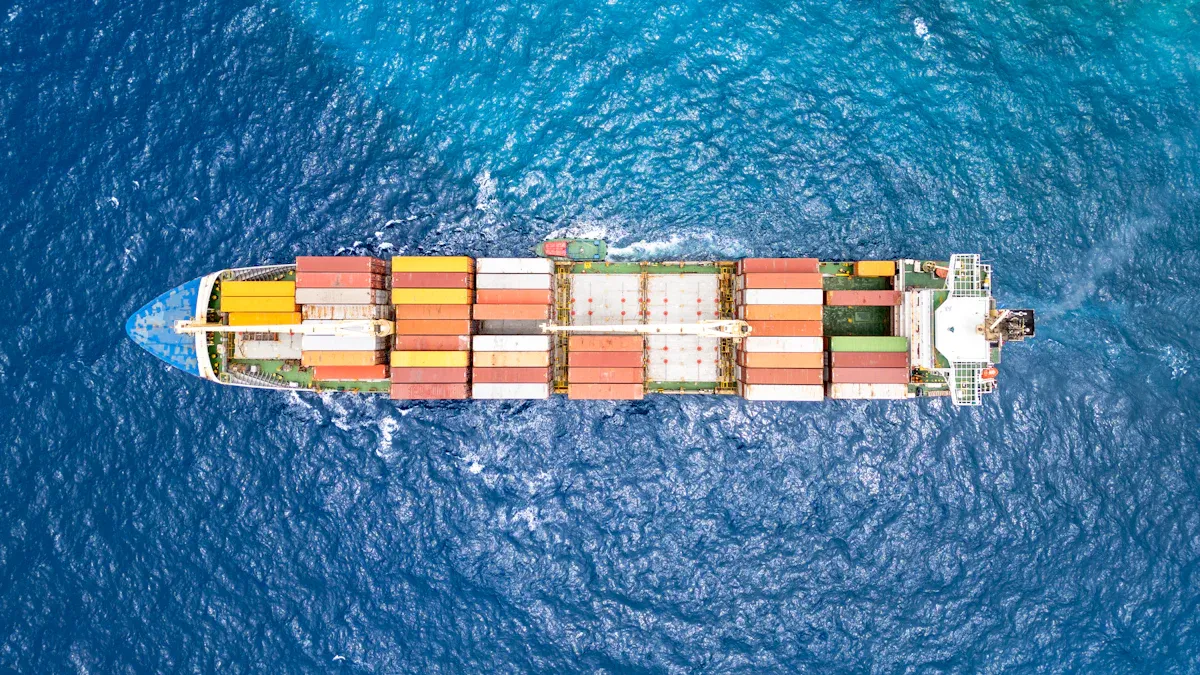
Booking Freight Forwarders
You need to choose the right freight forwarder to move your goods smoothly. A good forwarder helps you avoid delays and keeps your shipments safe. Start by understanding your business needs. Think about the type of goods you ship and any special handling they require. Research different companies and check their reputation in the industry.
Here is a table to help you compare freight forwarders:
Criteria | Description |
|---|---|
Expertise | Look for strong knowledge and good relationships in the shipping industry. |
Experience | Choose a forwarder with a proven track record in international shipments. |
Service Offerings | Make sure their services match your shipping needs. |
Communication | Pick a company that gives real-time updates and clear information. |
Technology Adoption | Check if they use technology to manage and track shipments. |
Geographic Coverage | Ensure they have a strong presence in both your country and the destination. |
You should also review their pricing and cost transparency. Make sure they follow all regulations and manage risks well. The export logistics guide recommends working with forwarders who use modern tracking tools and offer good customer support.
Coordinating Shipments
Once you book a freight forwarder, you need to coordinate your shipments. This step keeps your goods moving on time and helps you avoid problems. Start by sharing all shipment details with your forwarder. Give them clear instructions and required documents.
Follow these steps to coordinate shipments effectively:
Work with forwarders who know global trade rules. They help you follow customs laws and avoid delays.
Use their global network to get better shipping rates and smooth handling.
Ask for logistics solutions that fit your business needs.
Use tracking tools for real-time updates on your shipments.
Plan for risks. Good forwarders solve problems quickly and keep your schedule on track.
Let them optimize routes and combine shipments to save money.
Choose partners who care about the environment and use green practices.
Tip: Stay in touch with your freight forwarder at every stage. Good communication helps you solve issues fast and keeps your shipments on schedule.
Transportation & Tracking
Choosing Transport Modes
You need to pick the right transport mode for your exports. Your choice affects cost, speed, and safety. Each mode has strengths and weaknesses. You should match your shipment needs to the best option.
Here are key factors to consider when choosing a transport mode:
Cargo Type: Fragile or valuable goods need special handling.
Size and Volume: Use Less Than Truckload (LTL) for small shipments. Use Full Container Load (FCL) for large shipments.
Urgency: Air freight works best for urgent deliveries. Ocean freight saves money for less urgent shipments.
Budget: Ocean freight costs the least. Air freight costs the most.
Distance and Accessibility: Trucks work well for short distances. Rail suits long hauls.
Environmental Impact: Ocean shipping has the lowest carbon footprint.
Security: Air freight offers the highest security.
You can compare transport modes in the table below:
Transport Mode | Advantages | Disadvantages |
|---|---|---|
Truck | Flexible, door-to-door service | Limited by roads, costly for long distances |
Rail | Good for bulk, eco-friendly | Few delivery points, not for short distances |
Air | Fastest, high security | Most expensive, size and weight limits |
Ocean | Cheap for large loads, eco-friendly | Slowest, possible delays |
Tip: Always match your transport mode to your shipment’s needs. This helps you save money and avoid delays.
Shipment Tracking
You need to track your shipments to keep your export process smooth. Modern tracking tools give you real-time updates. These tools help you see where your goods are at any moment.
Real-time tracking software finds the best routes and loads vehicles efficiently. You do not need to plan routes by hand. This saves you time and money.
Many exporters use automated tracking solutions. For example, GoComet’s Real-Time Visibility Tracking Solution shows live updates for all your containers on one dashboard. The system sends you alerts if there are delays or changes.
Here are benefits of using shipment tracking technology:
You can track many shipments from one place.
You improve on-time delivery rates with data analytics.
You protect valuable goods with real-time location and status updates.
Note: Tracking your shipments helps you solve problems quickly and keeps your customers happy.
Import Customs & Delivery
Import Clearance
You must clear your goods through import customs before they reach your buyer. This process checks if your shipment meets all rules and if you have paid the right taxes. Customs officers look at your paperwork and decide if your goods can enter the country. If you miss a step, your shipment may get delayed.
Here are the main steps in the import customs clearance process:
Customs officers inspect your documents. They check your commercial invoice, packing list, and shipping labels for accuracy.
They assess duties and taxes. The amount depends on your product’s HS code and declared value.
You pay all required duties and taxes. Customs will not release your shipment until you pay.
Customs gives final clearance. After payment, your goods can move to the next stage.
Tip: Always double-check your documents before shipping. Accurate paperwork helps you avoid delays at customs.
Final Delivery
After customs clearance, your goods move to their final destination. This step is called final delivery. You need to plan this part well to keep your customers happy. Many exporters face problems during final delivery. You should know what to expect.
Common challenges during final delivery include:
Customs clearance delays
Missing or incorrect documents
Logistics issues, such as late trucks or lost shipments
Currency changes that affect costs
Political instability in the destination country
You can reduce these risks by working with reliable partners and tracking your shipments. Good communication with your freight forwarder and customs broker helps you solve problems quickly.
Note: Careful planning and strong partnerships make final delivery smooth and successful. Always stay informed about your shipment’s status until it reaches your customer.
Payment & Follow-up
Securing Payment
You need to protect your business when you receive payments from international buyers. Many exporters worry about getting paid on time or at all. You can choose from several payment methods. Each method offers a different level of safety and convenience.
Letters of Credit (LCs) give you strong security. Banks pay you only when you meet all the conditions in the contract. This method reduces risk for both you and your buyer.
Cash in advance means you get paid before you ship your goods. You avoid non-payment risk, but some buyers may not like this option.
Documentary collections let banks handle the paperwork. You ship the goods, and the buyer pays when they receive the documents. This method carries more risk than LCs.
Open accounts and consignment offer the least protection. You ship the goods and wait for payment. These methods work best with trusted buyers.
You should talk to your bank about the best payment method for your business. Always check the buyer’s credit history before you agree to any terms. The export logistics guide recommends using secure payment options to avoid financial loss.
Tip: Ask your bank to explain all fees and rules before you choose a payment method.
Post-Delivery Service
Your job does not end when the goods reach your customer. You need to follow up and make sure your customer is satisfied. Good service after delivery helps you build trust and win repeat business.
You can use these steps to improve your post-delivery service:
Contact your customer to confirm they received the shipment.
Ask for feedback about the product and delivery process.
Solve any problems quickly, such as damaged goods or missing items.
Provide support for installation or product use if needed.
Keep records of all communication and service actions.
You show your customers that you care about their experience. This approach helps you stand out in the global market. Strong follow-up can lead to more orders and better relationships.
Note: Always keep your promises and respond quickly to customer needs.
You have learned the key steps for successful exports. Start with market research and buyer selection. Move through product compliance, documentation, and packaging. Work with trusted partners for customs and shipping. Track your shipments and secure payment. Use this export logistics guide as your checklist. Each step helps you avoid mistakes and grow your business. Review the guide for every shipment and look for ways to improve.
FAQ
What is the most important export document?
You need the commercial invoice for every shipment. Customs officers use it to check product details, value, and origin. Always fill it out clearly and keep a copy for your records.
How do you choose the best freight forwarder?
You should compare experience, services, and customer reviews. Ask about tracking tools and support. Pick a forwarder who understands your products and destination markets.
Why do shipments get delayed at customs?
Delays often happen because of missing or incorrect documents. Sometimes, customs officers need more information. You can avoid delays by double-checking paperwork and following all rules.
What payment method is safest for exporters?
Letters of credit offer strong protection. Your bank pays you when you meet all contract terms. This method reduces the risk of non-payment from buyers.
How can you track your export shipments?
Most freight forwarders provide online tracking tools. You can see real-time updates and get alerts if there are problems. Tracking helps you keep your customers informed.
See Also
Key Strategies for Effective Global Logistics Operations
Premier Global Logistics – Crucial LCL Shipping Steps for Panama Exports
Premier Global Logistics – Optimizing Import Warehousing and Delivery on East Coast
Reasons to Select Premier Global Logistics for Your Next Export
The Impact of Innovative Logistics on Global Operational Efficiency
