How to Get FOB Shipping Terms Explained for Beginners
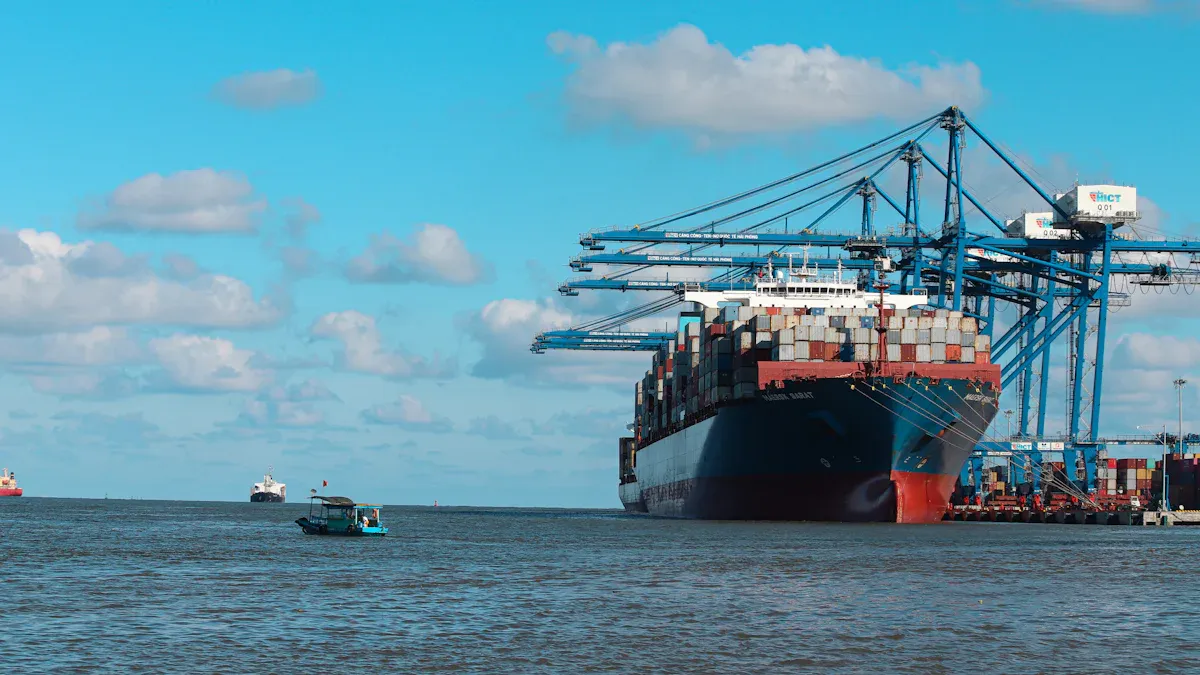
You should learn about fob shipping terms explained before you start trading with other countries. FOB means free on board. FOB shows who is in charge of risk and responsibility when shipping. If you use fob, you know when you take control of the goods. For example, fob shipping point means you are in charge after the goods leave the seller’s warehouse. FOB destination means the seller is responsible until the goods get to you. Many new people make mistakes with fob. Check the table below to help you avoid common mistakes:
Common Mistake | Explanation |
|---|---|
Misuse of FOB for non-maritime transport | Beginners sometimes use fob for air or land shipments, which causes confusion about who takes the risk. |
Vague delivery specifications | Using unclear words like 'Delivered in Hamburg' can make it hard to know who is responsible and when risk changes. |
Confusion between risk and ownership | Many people think Incoterms decide when you own the goods, but they do not; this can cause arguments. |
Incorrect customs responsibilities | New people often get confused about who handles customs clearance, which can slow things down. |
Watch fob details closely. You can stop expensive mistakes and handle shipping risks better.
Key Takeaways
Learn about FOB terms so you know when risk and responsibility move from the seller to the buyer during shipping.
Use FOB only for sea or river shipping. Do not use it for air or land shipping. This helps stop confusion.
Make your contract clear by saying the FOB point and delivery address. This helps stop arguments and mistakes.
Always get insurance after the goods are put on the ship. This keeps them safe from loss or damage.
Know about customs rules so importing goes smoothly and you do not have delays.
FOB Shipping Terms Explained
What Is FOB (Free On Board)?
You will see fob shipping terms in global trade. FOB means free on board. This term shows when the seller and buyer switch risk and responsibility. Fob shipping is only for sea or river transport. You should not use it for air or land shipping. When you use fob shipping, the seller pays to move goods to the port. The seller also pays to load them onto the ship. Once the goods are on the ship, you take over. You must pay for sea freight, insurance, unloading, and any more shipping.
Tip: Always look at the port of loading in your contract. The port tells you where the seller’s job ends and yours starts.
You should know that fob shipping terms in Incoterms do not cover ownership. Risk moves to you when the goods are loaded onto the ship. You need to watch this step closely. If you miss it, you could get extra costs or risks.
Here is a short summary of how fob shipping works in world trade:
FOB shipping terms in Incoterms show when risk and cost move from seller to buyer.
You use fob only for sea or river shipping.
The seller pays to move goods to the port and to load them.
You pay for sea freight, insurance, unloading, and more shipping.
Risk moves to you when goods are loaded on the ship at the port.
FOB terms do not decide when you own the goods.
FOB Incoterms and Their Role
FOB Incoterms are important in world trade. You need to know how these rules change your costs and jobs. Incoterms are rules made by the International Chamber of Commerce. They help you and the seller agree on who pays for what and when risk moves.
Let’s see how fob incoterms are different from other shipping terms:
Aspect | Ex Works (EXW) | Free on Board (FOB) |
|---|---|---|
Mode Of Transportation | All types | Only sea shipping |
Responsibility | Buyer does almost everything | Seller packs and loads goods |
Cost | Buyer pays from pickup | Seller pays to the port |
Control Over Freight | Buyer controls from the start | Buyer controls after goods are on the ship |
Export and Import Duties | Buyer pays all duties | Seller pays export, buyer pays import |
Risk Transfer | Risk moves at pickup | |
Suitability | Good for buyers with experience | Good for buyers who need seller’s help |
Insurance Coverage | Buyer pays all insurance | Seller pays insurance to the port |
FOB incoterms give clear rules for both sides. You must tell the seller the ship’s name and where to load. The seller must bring goods to the port and load them on your ship. The seller also finishes export steps. After the goods are loaded, you take all risks and costs.
Party | Responsibilities |
|---|---|
Seller | Move goods to the port, load goods on the buyer’s ship, finish export steps |
Buyer | Tell seller the ship’s name and loading place, take risk after loading, do import customs steps |
You get many benefits from fob shipping terms in contracts. You can pick your own carrier and talk about prices. You control freight and insurance costs. If you wait too long to give the seller information, risk may move to you sooner.
Note: With fob incoterms, the seller’s job ends when goods are on the ship. You must handle everything after that, like sea freight, insurance, and import customs.
FOB shipping terms in your contract help you avoid mix-ups. You know when risk and cost move from seller to buyer. You can plan your shipping, insurance, and customs steps with no confusion.
FOB Shipping Point vs Destination
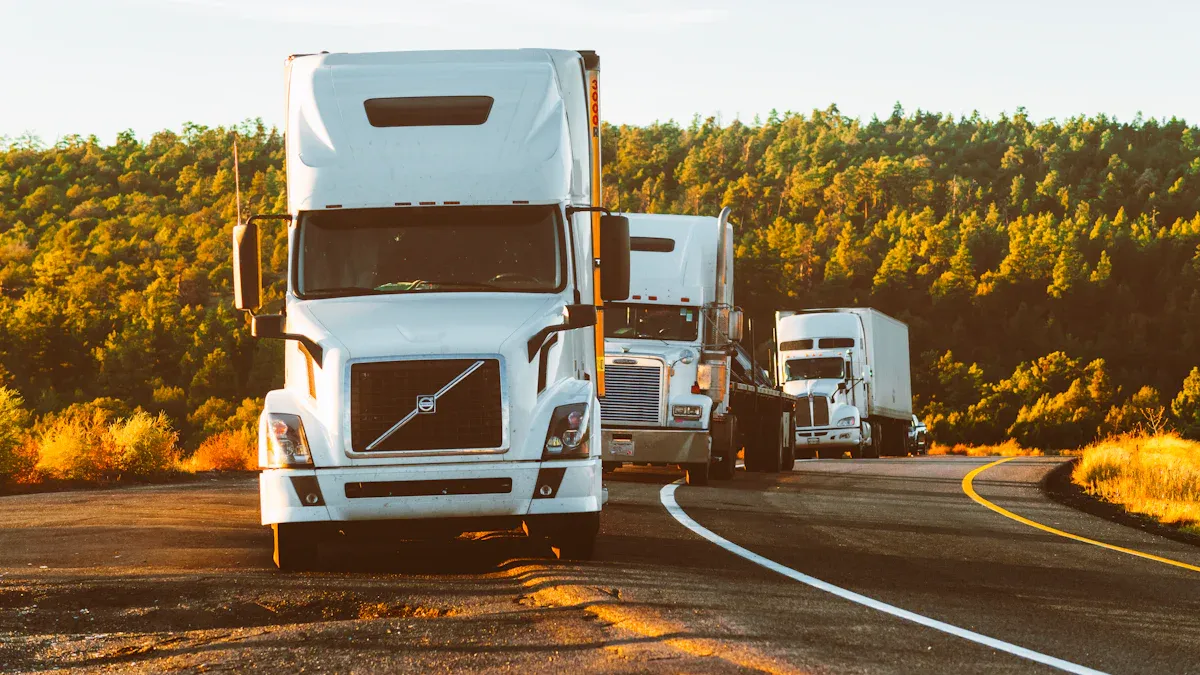
Knowing the difference between fob shipping point and fob destination helps you handle risk and costs. You must know when the seller stops being responsible and you start. This part shows how fob origin and destination change your jobs and what happens during shipping.
FOB Shipping Point: Risk and Responsibility
With fob shipping point, also called fob origin, you take charge after the seller loads goods onto your ship. The seller finishes export steps and gives you the shipment. You are now in charge of risk, insurance, and freight costs. Here is how risk and responsibility move at fob origin:
The seller puts goods on your ship at the starting port.
The seller clears goods for export from their country.
The freight hauler picks up and signs for the goods. Now, you own the goods.
You handle all risks and insurance for the trip.
You pay for shipping, insurance, and any costs after goods leave the seller. You control how goods move and can pick your carrier. If goods get damaged, you must file claims and deal with insurance. The seller’s job ends at the starting port.
The table below shows how costs and risks change between fob shipping point and fob destination:
Aspect | FOB Shipping Point | FOB Destination |
|---|---|---|
Ownership Transfer | Buyer gets goods at seller's place | Buyer gets goods when delivered |
Liability | Buyer takes risk after goods leave seller | Seller keeps risk until delivery |
Shipping Costs | Buyer pays for shipping | Seller pays for shipping |
Control Over Shipping | Buyer controls how goods move | Seller controls how goods move |
Cost Implications | Lower prices, but buyer pays more overall | Higher prices, seller pays shipping costs |
You see fob origin terms when buyers want to control shipping. You can talk about freight rates and pick insurance. You must watch when risk moves at the shipping point. If you miss this, you may pay extra costs.
The next table shows common cases where risk moves at the shipping point or at the destination:
Term | Ownership Transfer | Responsibility During Transit |
|---|---|---|
FOB Origin | At shipping point | Buyer takes risk and pays freight right away. |
Freight Collect | At delivery | Buyer pays at delivery and handles claims. |
FOB Destination | At destination | Seller keeps risk and responsibility until delivery. |
FOB Destination: Seller’s Duties
With fob destination, the seller keeps charge of goods until they reach you. The seller sets up transport and pays for shipping. You get the goods at your warehouse or address. The seller must make sure goods arrive safely and deal with claims if goods are damaged.
You do not take risk or own goods until they are delivered and accepted. The seller owns goods while they travel. The seller pays for shipping and helps with claims if something goes wrong. You get the goods only when they reach your place.
Here are the seller’s jobs under fob destination:
The seller sets up transport for goods.
The seller makes sure goods arrive safely at your place.
The seller keeps all risks until goods are delivered to you.
The seller owns goods while they travel.
The seller pays for shipping and helps with damage claims.
You get the goods only when they reach your place.
The seller keeps title and control until goods are delivered and accepted.
You benefit from fob destination if you want less risk during shipping. You do not need to worry about insurance or claims until goods arrive. The seller handles how goods move and pays costs until delivery.
Tip: Always check your contract for clear fob terms. Write down the shipping point or destination so you know when risk and cost move.
You can pick fob origin or fob destination based on what you need. If you want to control shipping, fob origin lets you do that. If you want the seller to handle everything until delivery, fob destination is better. Knowing the difference helps you avoid mistakes and manage your supply chain well.
FOB Shipping Costs and Liability
Who Pays for Freight and Insurance?
When you use fob terms, you need to know who pays for each part of the shipping process. Under free on board, the seller covers all costs until the goods are loaded onto the ship at the port of departure. This includes packaging, loading, and moving the goods to the port. You pay for everything after the goods are on the ship. This means you handle the main freight charges, insurance, unloading, and any further transport to your warehouse.
You can use a fob calculator to estimate your total costs. The calculator adds the price of the goods and all expenses up to the loading point. It does not include the sea freight or any charges after the goods leave the port. You must check your contract to see the exact point where responsibility changes.
Here is a table to help you see who pays for what under different fob types:
FOB Type | Responsibility |
|---|---|
FOB Origin | Buyer pays for freight and insurance after goods leave the seller’s location. |
FOB Destination | Seller pays for freight and insurance until goods reach your location. |
You must arrange ocean cargo insurance when you use fob origin. This protects your goods from loss or damage during shipping your cargo. Marine insurance is also important for high-risk routes, such as those with storms or piracy.
Managing Risk and Claims
You take on risk as soon as the goods are loaded onto the ship under fob. You must manage this risk to avoid big losses. Here are some steps you can follow:
Buy transport insurance that covers your goods from the moment they are loaded.
Use long-term freight contracts to keep your shipping costs stable.
Try currency hedging if you pay in foreign money to avoid extra costs.
You must file claims if your goods are lost or damaged during shipping. Make sure you have all the right documents, such as the bill of lading and insurance policy. Always check that your insurance covers the goods from the loading point. You also need to clear customs and handle paperwork to avoid delays.
Tip: Stay alert during loading. Risk moves to you at this point, so you must be ready to act if something goes wrong.
FOB terms give you control over shipping, but you must plan for costs and risks. If you follow these steps, you can protect your business and make free on board shipping work for you.
FOB Documents and Legal Responsibilities
When you use fob terms for shipping, you need to handle some important papers. These papers help you show you own the goods, clear customs, and pay for your shipment. You should know what each paper does so you do not make mistakes or have delays.
Bill of Lading and Commercial Invoice
You get a bill of lading when your goods are put on the ship. This paper is a receipt. It tells what kind of goods you have, how many, and their condition. The bill of lading is also a title paper. You use it to show you own the goods and to pick them up at the end. In fob shipping, the bill of lading proves the seller loaded your goods and finished their job. You must keep this paper safe because it shows your rights while the goods travel.
The commercial invoice is another important paper. The seller gives you this invoice. It lists the goods, their price, and both your names. You use the commercial invoice to clear customs and to pay for the goods. Customs officers look at this invoice to check the shipment.
Here is a table that shows the main papers you need for fob shipping:
Document | Description | Functions |
|---|---|---|
Bill of Lading | A paper that shows the goods were received, and tells what kind, how many, and their condition. | - Receipt for goods |
Commercial Invoice | A paper from the seller that lists the goods being sold. | - Shows buyer and seller |
Tip: Always make sure your bill of lading matches your commercial invoice. This helps you avoid problems with customs and payment.
Customs, Duties, and Insurance
You must take care of customs and insurance when you use fob shipping. The seller pays to clear the goods for export and loads them on the ship. After loading, you are in charge. You must clear the goods for import and pay any duties. You also need to get insurance if you want to protect your goods while they travel.
The table below shows how fob terms split customs and insurance jobs:
Responsibility | Seller | Buyer |
|---|---|---|
Customs Clearance | Pays for export customs clearance | Handles import customs and duties |
Insurance | Not needed, buyer can get it | Gets insurance if wanted |
Costs | Pays all until loading | Pays all after loading |
You pay all costs after the goods are loaded. You choose if you want insurance. Many buyers get marine insurance to protect their goods from loss or damage. You must also get papers ready for import customs. These include the bill of lading, commercial invoice, and any other papers your country asks for.
Note: Check your contract to see when your jobs start. FOB means you take risk and cost after loading. You must pay attention at this step.
Legal jobs under fob incoterms are clear. The seller brings the goods to the port, clears them for export, and loads them on the ship. You take risk and pay costs once the goods are on the ship. You must handle insurance, customs, and claims from this point.
Here is a summary table of legal jobs:
Party | Responsibilities |
|---|---|
Seller | Bring goods to the port, clear for export, and load on the ship. |
Buyer | Takes risk and pays costs once goods are on the ship. |
You must know these jobs to avoid problems and delays. If you follow fob rules, you can ship your goods easily and keep your business safe.
Common Mistakes and Best Practices in FOB Shipping
Avoiding Contract Ambiguities
You need to be careful about unclear contracts when using fob terms. Many new people have trouble because contracts do not have enough details. If you do not write the fob point or the exact place, you might argue about who takes risk. Always write the Incoterm and delivery address in your contract. This helps everyone know when risk moves and who pays for shipping.
Here is a table that shows common contract problems in fob shipping:
Ambiguity Type | Description |
|---|---|
Vague Contracts | Contracts without clear fob points or shipping places can cause arguments. |
Ignoring Insurance | Not talking about insurance can leave people open to risk. |
Miscommunication | Not saying who pays for shipping or owns goods can slow things down. |
Confusing Terms | Mixing up words like 'freight on board' and 'free on board' can cause problems. |
Mixed FOB Types | Not knowing the difference between 'fob origin' and 'fob destination' can change costs. |
Unclear words can make people fight over shipping and customs costs. | |
Responsibility Issues | Not saying who does what can lead to surprise costs or delays. |
Tip: Always write the fob point and delivery address in your contract. Good paperwork helps you stop mistakes and delays.
Practical Tips for Safe FOB Transactions
You can use smart steps to make fob shipping safe and simple. First, talk clearly about fob rules with your trading partner. Make sure your contract lists all fob terms you agree on. Pick good carriers and check their history. Good paperwork and labels help stop delays and mix-ups.
Here are some easy steps for safe fob shipping:
Write the fob point and delivery address in your contract.
Agree on the Incoterm and make sure everyone knows their jobs.
Get insurance after goods are put on the ship.
Use correct shipping papers to avoid customs trouble.
Track your shipment so you can fix problems fast.
Teach your team about fob rules and what they must do.
Learn about trade laws and rules in other countries.
Keep talking with your suppliers and carriers.
Write down every step to keep things clear.
Note: Being flexible in deals helps you work out problems. If you follow these tips, you can lower risk and make fob shipping go well.
You now understand fob and its role in shipping. Fob defines when risk and responsibility move from seller to buyer. You must clarify fob terms in contracts to prevent disputes and manage costs. Review your fob shipping agreements with logistics experts. They help you check documents and explain responsibilities. Request a freight quote to see all fob charges and hidden costs. Follow these steps:
Specify the exact port in your fob contract.
Confirm who books the ship and manages shipping.
List all documents needed for fob shipping.
Work with freight forwarders for smooth fob shipping.
Tip: Accurate fob shipping terms protect your business and help you plan for risk.
FAQ
What does "FOB" mean in shipping?
FOB stands for "Free On Board." You use this term to show when risk and responsibility move from the seller to you during sea or river transport.
When do you take responsibility for goods under FOB terms?
You take responsibility as soon as the goods are loaded onto the ship at the named port. After this point, you handle all risks and costs.
Can you use FOB for air or land shipments?
No, you should only use FOB for sea or inland waterway shipping. For air or land transport, use other Incoterms like FCA or EXW.
Who arranges insurance with FOB shipping?
You arrange insurance after the goods are loaded onto the ship. The seller does not cover insurance beyond the port of departure.
What documents do you need for Free On Board shipments?
You need a bill of lading, a commercial invoice, and export or import customs documents. These papers help you prove ownership and clear customs.
See Also
PGL's Comprehensive Services for West Coast Freight Solutions
Discover PGL's Specialized LTL and FTL Shipping Services
Understanding PGL's B2B Distribution and Warehousing on the East Coast
