Freight Broker Claims Filing: A Step-by-Step Guide to Managing Cargo Claims Effectively

Freight broker claims filing helps you keep your clients safe. It lowers arguments and helps people trust your business. If you do freight broker claims filing well, clients know you care. You care about their cargo and how they feel. Good freight broker claims filing makes your business look good. It helps your business work without problems. Many brokers use smart systems for freight broker claims filing. This helps them keep more clients for a long time. The table below shows how good claims management helps:
Claims Management System Type | |
|---|---|
Sophisticated Systems | 85% |
Basic Systems | 60% |
If you know the steps in freight broker claims filing, you make fewer mistakes. You help your clients feel sure every time they ship.
Key Takeaways
Check the cargo as soon as it arrives. Take pictures and write notes if you see damage or missing items. This helps make your claim stronger.
Tell the carrier and broker about problems in 3 to 7 days. Fast communication helps keep your rights safe.
Collect all needed papers before you file a claim. Add the bill of lading, inspection reports, and proof of value. This helps stop delays.
Follow the carrier’s claims steps closely. Doing what they ask can help your claim succeed.
Use technology to make claims easier. Digital tools help you track claims and lower mistakes. This makes the process better.
What Is a Freight Claim and Why It Matters
Definition of a Freight Claim
You might hear the word freight claim a lot in shipping. In the United States, it has a special meaning in the law.
A freight claim or cargo claim is when someone asks a carrier for money or help because their shipment was lost or damaged.
When you file a freight claim, you want payment or help because your cargo got hurt or lost while moving. Here are some reasons people file a freight claim:
A freight claim asks for money if goods are lost or damaged.
Sometimes, it asks for the goods to be delivered as promised.
Claims happen when a contract is broken, not just because of mistakes.
A freight claim helps you protect your rights if your cargo is late, lost, or broken. This process lets you get money back when something goes wrong with your shipment.
Importance for Brokers and Clients
Freight claims are important for brokers and their clients. They help keep trust and make business relationships stronger. A cargo claim is when a shipper asks the carrier for money if something is wrong with the shipment. Knowing how this works is very important for brokers and clients. It affects their money and how they work together.
You want your clients to feel safe when they send cargo. Handling freight claims well shows you care about their business. Here are some reasons why freight claims matter:
Shows customers you care about them and want good results.
Helps with money by making the claims process better, which can help you earn more.
Makes the claims process easier, so brokers and clients work better together.
If you know how to handle a freight claim, you help your clients get their money back and keep their cargo safe. You also make your business stronger and more trusted.
Common Types of Cargo Claims
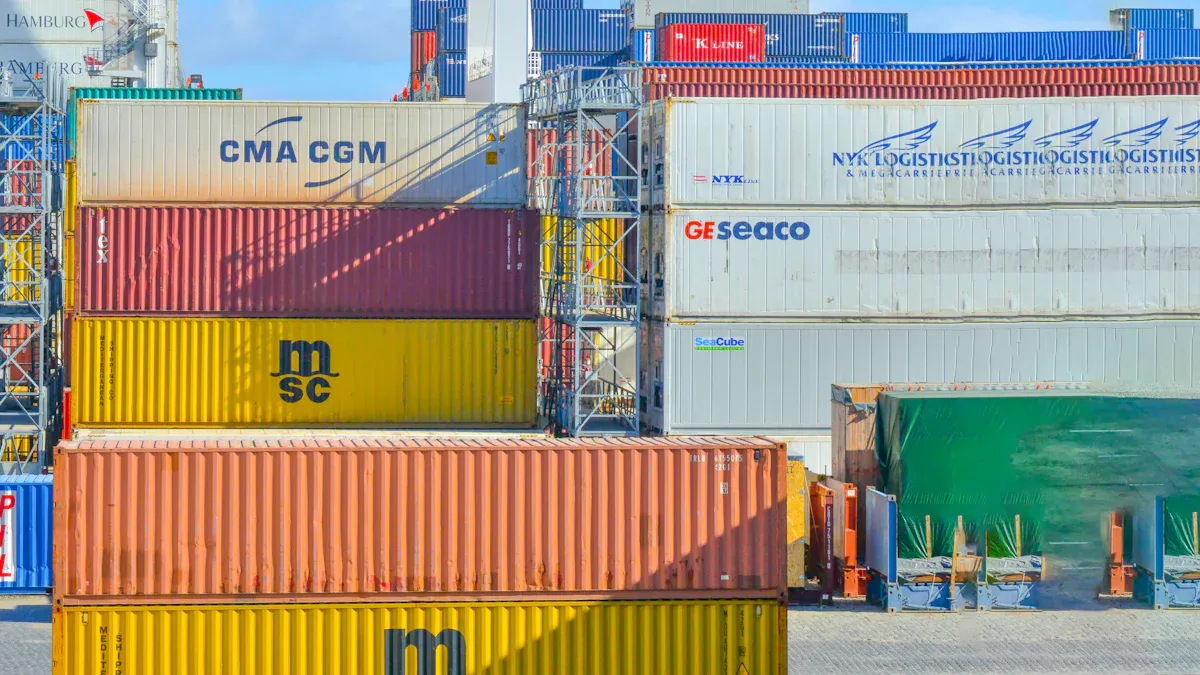
When you work as a freight broker, you see many types of cargo claims. Each type has its own process and challenges. Knowing these types helps you act fast and protect your clients.
Damage, Loss, Shortage, and Delay Claims
You will often deal with four main types of freight claims. The table below shows each type and what it means:
Type of Claim | Description |
|---|---|
Claims filed when goods arrive damaged due to factors like improper packaging or mishandling. | |
Loss Claims | Claims for goods that fail to reach their destination, often due to theft or misrouting. |
Shortage Claims | Claims for receiving fewer goods than ordered, often due to documentation discrepancies. |
Concealed Damage or Shortage Claims | Claims for damage or missing items discovered after accepting the shipment. |
You might see damage to cargo when a shipment arrives with broken boxes or crushed pallets. You need to check the cargo right away. If you see damage, take photos and note it on the delivery receipt. This step helps you file a claim quickly.
Loss claims happen when cargo never arrives. Sometimes, theft or mistakes in routing cause this loss. You must report the loss to the carrier as soon as possible. Keep all freight paperwork ready to support your claim.
Shortages are common in freight. You may find fewer items than listed on the bill of lading. Always count the cargo at delivery. If you find shortages, write it down and tell your client.
Delay claims are less common, but they matter for time-sensitive cargo. If a shipment arrives late and causes a loss, you can file a claim for the delay. Make sure you have proof of the delivery time.
Concealed Damage and Special Cases
Sometimes, you find damage or shortages after you accept the cargo. This is called concealed damage. You may not see the problem until you open the boxes later. When this happens, you must act fast. Tell the carrier and your client right away. Take photos and keep all packaging.
Special cases can include temperature-sensitive cargo or hazardous materials. These need extra care. If you handle these, follow all rules for claims and keep detailed records.
Tip: Always inspect cargo as soon as possible. Quick action helps you solve problems and keeps your clients happy.
By knowing the types of freight claims, you can handle damage, loss, shortages, and delay issues with confidence. This knowledge helps you protect your clients and your business.
Freight Broker Claims Filing Responsibilities
Broker, Shipper, and Carrier Roles
It is important to know what each person does in a freight claim. When cargo gets damaged or lost, everyone has a job. The broker connects the shipper and the carrier. Brokers help by giving the right papers and helping the shipper. The shipper usually files the freight claim. The consignee often files the claim because they see the damage first. The carrier must answer for any damage, loss, or delay.
Here is a table that shows what each party does:
Party | Responsibility in Claims Process |
|---|---|
Shipper | Files the freight claim, sometimes for the consignee. |
Consignee | Often files the claim because they see the damage or loss. |
Carrier | Responsible for damage, loss, or delay under the Carmack Amendment. |
Broker | Helps with the process, assists in recovering damages, and may be liable for negligent carrier selection. |
You should look at the bill of lading for shipment details. The bill of lading helps you know what was shipped. Brokers are not always legally responsible for lost cargo. But brokers help with claims and support shippers or consignees. Sometimes, contracts make brokers responsible for freight loss. You need to know your job in the claims process so there is no confusion.
Tip: Always keep copies of the bill of lading and all claim papers. This helps you stay organized and protect your clients.
Legal Framework and Timelines
You must follow the law when filing a freight claim. The Carmack Amendment sets the main rules for claims. You have nine months to file a claim. Some contracts may give more time, but not less than nine months. Carriers must reply to claims in thirty days. They should finish and check the claim in 120 days. If you need to sue, you must do it in two years unless the contract says something else.
The Carmack Amendment makes carriers responsible for safe delivery unless there are exceptions.
You should check the bill of lading for deadlines and other details.
Always keep track of the process and keep your records neat.
You help your clients by knowing who files the claim and following each step. This keeps things easy and helps you avoid problems with damage, loss, or delay.
Steps to File a Freight Claim

Filing a freight claim might seem hard at first, but you can do it if you follow the right steps. These steps help protect your clients and keep your business working well.
Inspect and Document Cargo
Check the cargo as soon as it gets to you. Look for any damage, missing items, or shortages. If you see a problem, write it down right away. Use the bill of lading to see what was shipped and what you got. Take clear pictures of the cargo and any damage you find. Write down the date, time, and how the freight looks. Keep the cargo and packaging until the claim is finished. This gives you proof if someone asks questions later.
Here are the first things you should do:
Check the freight when it arrives and write down any problems.
Keep the freight and packaging as proof until the claim is done.
Write down if some parts are not damaged.
Pay the freight charges to show you are honest in the process.
Use the bill of lading to write down the problem.
Act fast so you do not miss any deadlines.
Tip: Always take pictures and write notes about any damage or loss. This makes your claim stronger.
Notify Carrier and Broker Promptly
Tell the carrier and broker as soon as you find damage or loss. Most contracts say you must do this in 3 to 7 days. The time depends on the type of transport and the contract. When you send your notice, say you might file a freight claim later. This keeps your right to claim if you find more problems.
Tell the carrier and broker within the right time (usually 3–7 days).
For sea freight, tell them in 3 days. For road or rail, tell them in 7 days.
Always say you might file a freight claim in your notice.
Telling them quickly helps you not miss deadlines and keeps your claim good.
Gather Required Documentation
To file a freight claim, you need to collect and send the right papers. These papers show what happened and how much was lost or damaged. If you miss paperwork, your claim might get denied or take longer.
Important papers you need for a freight claim are:
Original Bill of Lading (BOL)
Paid freight bill
Inspection reports
Proof of value (like an invoice or purchase order)
Notice of loss
Waiver of inspection if needed
Photos of the damage
Police reports if there was theft or an accident
Damage inspection report
Carrier claim form
Letters with carriers or adjusters
Repair or replacement cost estimates
Loading and unloading tally sheets
Note: Keep all your papers in a digital folder. This makes it easy to share them with the carrier and your client.
File the Claim with the Carrier
When you have all your papers, send the claim to the carrier. Follow the carrier’s rules for claims. Write a clear note about the loss or damage. Attach all your papers. Use the bill of lading to show what was shipped and what you got. If the carrier needs to look at the cargo, ask for an inspection right away. Some carriers do not need to inspect small claims, but always check.
Here is a simple way to file a freight claim:
Check the freight and write down the problem.
Write the details on the bill of lading.
Contact the carrier’s claims department.
Ask for an inspection if needed.
Send all your papers and keep copies for yourself.
Follow the carrier’s steps for the claim.
Tip: File the claim as soon as you can. Waiting too long can make your claim get denied.
Monitor, Follow Up, and Communicate
After you file the claim, do not think you are done. Check on your claim by talking to the carrier often. Tell your client about any updates or if you need more information. If the carrier does not answer in time, remind them politely. Good communication helps fix claims faster and builds trust with your clients.
Some tips to help you succeed:
Make sure all your papers are correct and complete.
Check the cargo right away and keep good records.
Use technology to track your claim and store papers.
Work with claim experts if you need extra help.
Common Mistakes to Avoid
Many people make mistakes when filing a freight claim. Try not to do these things:
Filing with the wrong company. Always check the carrier’s name before you file.
Not following the carrier’s rules. Each carrier may want different papers.
Putting more than one load in a claim. File a new claim for each load.
Trusting only spoken promises. Always get things in writing.
Not checking on your claim after you file. Stay in touch until it is finished.
Giving up if your claim is denied. You can try again if you have more proof.
Not using claim experts when you need help.
Tip: Check all your papers before you file the claim. This helps you avoid delays and gives you a better chance to win.
If you follow these steps to file a freight claim, you can protect your clients, get back losses, and keep your business running well. Remember to write down the problem, collect and send the right papers, and talk clearly at every step.
Best Practices for Managing Freight Broker Claims
Risk Management and Liability
You can lower your risk by following smart steps. Start by getting insurance. Contingent cargo insurance and general liability insurance help if there is a claim. Make a plan to find risks and keep good records. Write strong contracts with clear rules. Add indemnity clauses so the carrier is responsible for damage. Write insurance clauses to show what coverage you need. Always say who does what in the contract. This stops confusion if there is a freight claim. Check every carrier before you use them. Good carrier vetting lowers the chance of damage or loss.
Tip: Keep all your documents neat and in order. This helps you prove your case if you need to lower the loss.
Using Technology for Claims Filing
Technology makes freight claims easier to handle. You can use digital tools to track each claim from start to finish. Automated systems help you finish claims faster and with fewer mistakes. Data analytics show you common problems, so you can fix them. Digital files make it easy to find the right document when you need it. The table below shows how technology helps you with freight claims:
Benefit | Description |
|---|---|
You can file a claim in just a few minutes. | |
Increases accuracy | The system checks your documents before you send them. |
Reduces denials | You include all needed papers, so claims are less likely denied. |
Boosts productivity | Your team spends less time on paperwork. |
Improves visibility | You see what is missing and fix it right away. |
When you use technology, you make the freight claim process smoother for you and your clients.
Educating Clients and Setting Expectations
You should teach your clients about the freight claim process. Start by talking in a clear and simple way. Tell them what documents they need for a claim. Use web forms to get all the information at once. This stops long email chains and saves time. Meet with shippers often to talk about open claims and find answers together. When you set the right expectations, your clients trust you more. They know what to do if there is damage or loss. This makes it easier for you to manage freight claims and keeps your business strong.
Note: Good education and talking turn claims handling into a big advantage. Clients will remember your help when they need to ship freight again.
You can get really good at freight claim management by using simple steps. Here are the main things to remember for a good freight claim:
Check the freight when it gets to you and write down any problems.
Take pictures and save proof of any damage or missing items.
Tell the broker and carrier about the problem right away.
Collect and send all the needed freight papers.
File the claim with the carrier and keep checking until it is fixed.
Acting fast helps you not miss deadlines or lose papers. Keeping good records makes your freight claim stronger and stops arguments. Talking clearly with everyone helps fix claims faster. Technology tools like uploading many files at once and quick data reading make freight claims easier. If you want to learn more, you can use resources like Knowledgeport® or freight broker training classes.
Resource | Description |
|---|---|
Knowledgeport® | Webinars about E&O insurance and risk management for logistics |
Freight Broker Training | Classes on freight claim handling and best ways to do the job |
FAQ
What is the first thing you should do when you discover cargo damage?
You should inspect the cargo right away. Take clear photos and write down what you see. Keep all packaging. This helps you start your freight claim with strong proof.
How long do you have to file a freight claim?
You usually have nine months from the delivery date to file a freight claim. Always check your contract for exact deadlines. Acting quickly helps you avoid missing your chance.
What documents do you need for a freight claim?
You need the bill of lading, delivery receipt, photos of damage, and proof of value. These documents support your freight claim and help the carrier review your case faster.
Can you file more than one freight claim for the same shipment?
No, you should file only one freight claim per shipment. If you find new damage later, you can add details to your original claim. This keeps the process clear and organized.
Who is responsible for handling a freight claim?
You, as the broker, help guide the process. The shipper or consignee usually files the freight claim. The carrier reviews and settles the claim. Your support makes the process smoother for everyone.
See Also
Key LCL Shipping Steps for Panama Exports with PGL
Maximize Savings with Cross-Country FTL Shipping Solutions
Navigating the LCL Export Process for Panama with PGL
