Mastering Freight Claims Resolution for Logistics Professionals
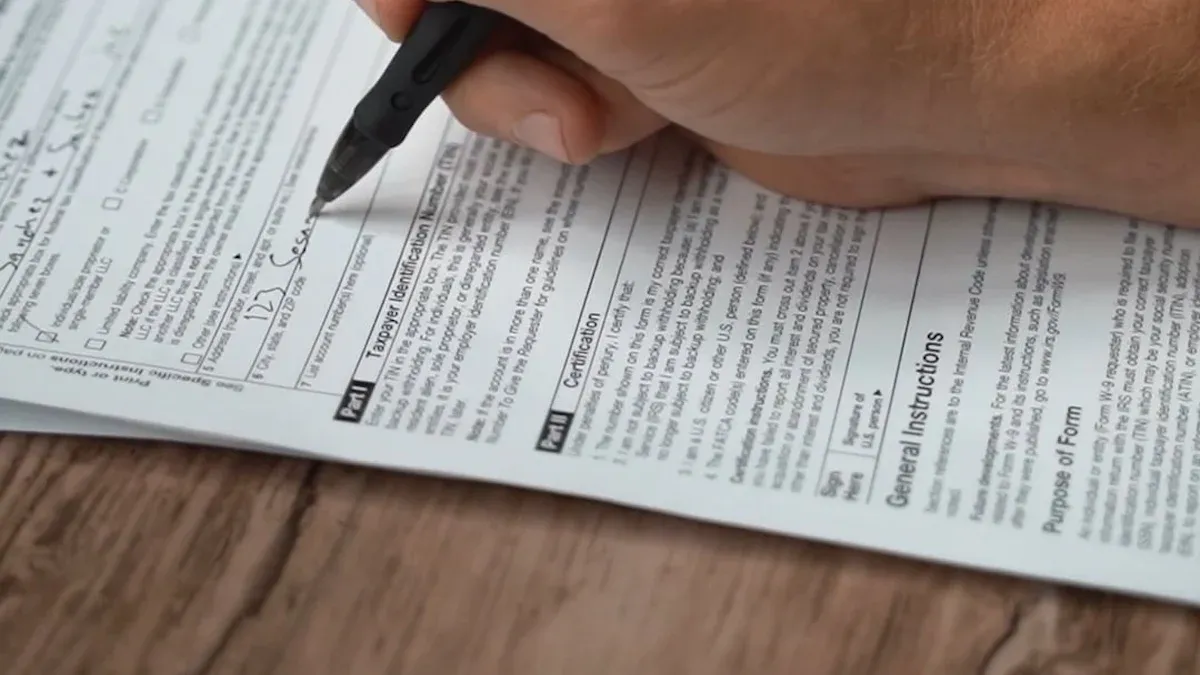
You can master freight claims resolution by building strong processes and using the right tools. Every year, about 1 in every 51 shipments leads to a damage or loss claim. This means nearly 2% of all freight shipments face issues. When you use effective freight claims resolution strategies, you protect your company from unnecessary losses and delays.
Clear communication, solid documentation, and smart use of technology make a real difference.
Consider these benefits of resolving claims efficiently:
Save money by reducing errors and speeding up resolutions.
Build stronger relationships with vendors.
Keep customers happy with quick solutions.
Grow your reputation and attract new business.
Free up resources for core operations.
Key Takeaways
Inspect and document damage immediately upon receiving shipments to catch issues early and support claims.
Maintain clear communication with all parties involved, including carriers and internal teams, to speed up claims resolution.
Use technology, like AI and tracking tools, to automate processes and reduce errors in claims management.
Train staff regularly on claims procedures and preventive measures to minimize the risk of freight damage.
Understand carrier liability limits and ensure proper coverage for valuable shipments to avoid unexpected losses.
Immediate Steps for Freight Claims

Inspect and Document Damage
When you receive a shipment, you must act quickly. Begin by inspecting every unit for visible and concealed damage. Open packages that show any signs of harm while the driver is present. This step helps you catch issues early and ensures that everyone involved sees the damage firsthand.
Tip: Always record an exact description of the damages on the Bill of Lading (B/L) or Proof of Delivery (POD).
Follow these steps to document damage effectively:
Check each item for dents, tears, or moisture.
Take clear photographs from multiple angles.
Write detailed notes about the condition of the goods.
Ask the driver to sign your copy of the delivery receipt.
Notify the freight carrier immediately and report the damage.
You should never refuse or discard damaged freight. Keeping the goods allows you to claim reimbursement and supports your freight claims resolution strategies.
Preserve Evidence for Review
Preserving evidence is essential for a successful claim. Store all damaged goods and packaging in a safe place. The carrier may need to inspect them before approving your claim. You should also keep all paperwork and digital records related to the shipment.
The most effective evidence includes:
Type of Evidence | Description |
|---|---|
Documentation of damage | Records from origin and destination, including salvage disposition. |
Proof of carrier negligence | Examples like improper blocking or faulty equipment. |
Condition monitors | Devices showing impact or temperature changes affecting cargo. |
Write your claims using plain language. Limit your claim to actual physical losses and provide specific descriptions of cargo and quantities. Accurate and manageable claims help speed up the review process and improve your chances of success.
Communication in Claims Resolution

Interdepartmental Coordination
You need strong coordination between your departments to resolve freight claims quickly. When your teams share information, you can spot problems early and take action. This approach helps you avoid repeated mistakes and improves your overall process.
Effective communication between departments speeds up the claims resolution process.
Coordination can reveal recurring issues that may need corrective actions.
You should keep everyone updated on the status of each claim. Automated systems can help by sending real-time updates. When all parties know what is happening, they can respond fast to requests for more information. This leads to faster resolutions and fewer delays.
Tip: Use regular meetings or digital dashboards to keep your teams aligned and informed.
Transparent Dialogue with Carriers
Open and honest communication with carriers is key to successful freight claims resolution strategies. You must share all details about the claim and provide clear evidence. This helps carriers understand the situation and act quickly.
Communication Breakdown | Description |
|---|---|
Miscommunication between stakeholders can lead to delays and costly mistakes. | |
Lack of Transparency | Insufficient sharing of information can hinder effective claims resolution. |
Inadequate Documentation | Incomplete or inaccurate documentation is a primary reason for claims being denied. |
You should keep meticulous shipment records and collect photographic evidence at every stage. Accurate Bill of Lading entries also support your claim. When you maintain transparency and provide complete information, you build trust with your carriers and increase your chances of a successful outcome.
Freight Claims Resolution Strategies
Timely and Accurate Documentation
You must treat documentation as the backbone of your freight claims resolution strategies. Missing or incomplete paperwork often leads to claim denials and costly delays. You can avoid these setbacks by building a proactive policy that defines clear responsibilities and sets documentation standards for your team.
Implementing a proactive freight claims policy involves defining clear responsibilities, specifying documentation requirements, and ensuring timely filing of claims to reduce confusion and enhance efficiency.
You should follow these best practices to ensure your documentation supports your claim:
Keep detailed records from shipment to receipt, including time-stamped photos and condition reports.
Understand carrier policies and regulations to navigate claims effectively.
Train all team members on proper documentation and claims handling.
Invest in technology, such as Transportation Management Systems, to streamline the process.
Maintain good relationships with carriers for better cooperation.
Strong documentation is crucial for successful claims. You must keep essential documents, such as the original Bill of Lading, freight bills, proof of value, inspection reports, and photos of damage. Missing any of these can result in claim denial or shipping fines. You also risk damaging customer relationships and facing shipping delays if you submit incomplete or inaccurate documentation.
Common Documentation Challenges | Description |
|---|---|
Can lead to claim denial and disrupt the claims process. | |
Lack of Inventory Lists | Makes it difficult to prove the extent of loss or damage. |
No Photographic Evidence | Weakens your case and reduces the chance of a successful claim. |
Data Accuracy Issues | Inaccurate or outdated information can cause mistakes and inefficiencies in claims processing. |
You should regularly review your internal processes to ensure accuracy and compliance. Streamlining your claims management by connecting all systems and reducing unnecessary steps can improve outcomes and lower costs. New claims management software can help you identify issues quickly and make better decisions through advanced analytics.
Submitting Complete Claims
Submitting a complete claim is a critical part of your freight claims resolution strategies. You need to gather all necessary documents and information before you file. This step-by-step approach increases your chances of a fast and successful resolution.
Gather all necessary documentation:
Proof of Delivery (POD) to show the condition of goods upon receipt.
Bill of Lading (BOL) to detail the shipment and carrier responsibilities.
Photos and inspection reports as visual evidence.
Carrier correspondence related to the issue.
Submit the claim promptly. Most carriers have strict timelines, often within nine months. Use the carrier’s official claim form and attach all required documents. Clearly state the compensation amount you request.
Follow up and stay persistent. Track your claim status and respond quickly to requests for more information. If your claim is denied, ask for a detailed explanation and consider an appeal.
A complete freight claim should include:
Identification of the shipment (Pro number, shipper’s number, vehicle number, origin and delivery dates, commodity description).
Documentation of the type of loss or damage.
The amount of the claim or an estimate.
A formal demand for payment.
Essential Claim Components | Description |
|---|---|
Confirms shipment details and carrier responsibilities. | |
Paid Freight Bill | Shows payment for transportation services. |
Proof of Value | Invoices or receipts for the lost or damaged goods. |
Inspection Reports | Independent assessment of the damage. |
You should also stay aware of regulatory requirements. For example, the Carmack Amendment in the United States and the CMR Convention for international road transport set rules for liability and documentation. Staying updated on these regulations helps you avoid denials and audits.
Streamlining the claims management process by connecting all systems and reducing unnecessary steps can lead to significant improvements. By mapping out the entire claim process and diagnosing inefficiencies, you can develop action plans that eliminate waste and enhance the overall claims experience.
When you follow these freight claims resolution strategies, you improve customer satisfaction, increase productivity, and control costs. You also ensure better compliance and reduce the risk of disputes or delays.
Understanding Carrier Liability
Review Contracts and Tariffs
You need to understand how carrier contracts and tariffs define liability before you file a freight claim. Contracts and tariffs set the rules for what a carrier must pay if your shipment gets lost or damaged. Most carriers limit their responsibility unless you buy extra coverage. You should always check these documents before shipping goods.
Tip: Review your carrier’s contract and tariff details before every shipment. This helps you avoid surprises if you need to file a claim.
The following table shows how contracts and tariffs typically define liability for freight damage or loss:
Aspect | Description |
|---|---|
Liability Cap | Often limited to small amounts unless additional coverage is purchased. |
Carmack Amendment | Governs interstate truck shipments, allowing carriers to limit liability contractually. |
COGSA | Limits liability for ocean shipments to $500 per package. |
Carrier Liability | Establishes the responsibility of carriers for loss, damage, or delay of cargo. |
Freight Claim Laws | Govern limits of liability for ocean and air transport. |
You should look for specific terms in your contract. Some carriers use the Carmack Amendment for truck shipments. Others follow COGSA for ocean freight. These rules set strict limits on what you can recover. If you ship valuable goods, consider purchasing extra insurance.
Identify Liability Limits
You must know the standard liability limits imposed by major freight carriers. These limits affect how much you can recover if something goes wrong. Carriers set different limits based on the type of cargo and the risks involved.
Major shippers like Walmart, Amazon, and Home Depot require carriers to maintain between $2-5 million in liability coverage.
Companies that haul general freight typically have $2-3 million in total liability coverage.
Hazmat carriers need $10-15 million due to potential environmental cleanup costs.
Mandatory liability limits for hazardous materials transporters can be $5 million for cargo tanks over 3,500 gallons.
Trucks over 10,001 pounds carrying non-hazardous materials require $750,000 in liability coverage, while hazardous material carriers must have between $1 million to $5 million.
You should always confirm your carrier’s liability limits before shipping. If your cargo value exceeds these limits, request additional coverage. This step protects your business and ensures you receive fair compensation if a loss occurs.
Note: Understanding carrier liability helps you avoid denied claims and unexpected losses. Always match your coverage to your shipment’s value.
Leveraging Technology for Claims
AI-Powered Automation
You can transform your freight claims process by using AI-powered automation. AI tools help you validate charges, match invoices to contract terms, and resolve discrepancies without manual effort. This technology reduces errors and speeds up claim resolutions. You can focus on high-priority tasks while AI handles routine checks and exception routing.
Improvement Area | Description |
|---|---|
Checks all charges against contract terms, reducing mistakes. | |
Discrepancy Resolution | Finds and fixes issues using smart workflows. |
Real-Time Matching | Compares invoices to contracts instantly, cutting delays. |
Exception Routing | Flags and routes mismatched invoices for quick review. |
Handling Volume Spikes | Manages busy periods without losing accuracy. |
CFO-Level Reporting | Gives insights into costs and carrier performance for better decisions. |
AI automation saves you money by reducing manual work and errors. You can reassign your team to more valuable tasks and improve relationships with carriers through faster resolutions.
Many logistics companies now automate claims processing, integrate APIs for real-time data, and use cloud-based platforms for flexibility. These steps make your claims process more efficient and scalable.
Tracking and Analytics
You gain a powerful advantage when you use tracking and analytics platforms. Real-time tracking with GPS and IoT devices gives you visibility into every shipment. You can spot issues before they become claims and act quickly to prevent losses.
Analytics tools help you:
Identify high-cost lanes and choose better routes or carriers.
Pinpoint recurring fees and negotiate with carriers.
Compare carrier performance and hold them accountable.
Monitor key metrics like claim frequency, average claim amount, and resolution time.
For example, you might find that one carrier has fewer claims and faster resolutions than another. Switching to the better carrier can save you money and boost customer satisfaction.
Smart packaging, real-time tracking, and advanced analytics create a resilient supply chain. You can make informed decisions, reduce claim frequency, and improve service quality.
By leveraging technology, you build a claims process that is faster, more accurate, and ready for future challenges.
Proactive Approaches to Minimize Claims
Staff Training
You can reduce freight claims by investing in regular staff training. Well-trained employees understand how to handle cargo, spot risks, and follow claims procedures. When your team knows the steps for filing a claim, you avoid confusion and speed up resolutions.
Training can be an incredibly effective tool for improving your efficiency and effectiveness in your logistics company, and if you don’t have a training program that is ongoing and comprehensive, then you’re probably missing out on some of the major benefits that you could realize if your people were better trained.
You should teach your team about the most common reasons for claims denial. This helps them avoid mistakes that lead to lost or damaged freight. Ongoing training also keeps your staff updated on new regulations and technology.
When team members are inadequately trained or experience burnout, it negatively impacts the customer experience. This increases the risk of customers experiencing damaged, delayed, or lost freight, potentially leading to financial losses for the customer and dissatisfaction with the service provided.
Follow these steps to build a strong training program:
Educate staff on claims processes from reporting to settlement.
Review common causes of claims and how to prevent them.
Encourage open communication and teamwork.
Provide regular refreshers to keep skills sharp.
Preventive Packaging and Handling
You can prevent many freight claims by focusing on packaging and handling. Proper packaging protects goods from damage during transit. You should use sturdy crating for large or oddly shaped items. Add cushioning materials like foam or bubble wrap to absorb impacts.
Secure items with strapping and tie-downs.
Add protective barriers for fragile parts.
Avoid using damaged or old packaging materials.
Ensure pallets are intact and use high-quality adhesives.
Label shipments clearly so handlers know if items need special care. Custom packaging solutions can help minimize movement inside boxes. When you train your team on careful loading and unloading, you lower the risk of accidents.
Tip: Work with vetted carriers and create strong shipper-carrier relationships. Open communication and digital tools help you catch errors early and improve data visibility.
By combining staff training with preventive packaging, you build a culture of care and responsibility. This approach keeps your claims rate low and your customers satisfied.
You gain measurable advantages when you adopt strong freight claims resolution strategies. The table below highlights key benefits:
Benefit | Description |
|---|---|
Improved Accuracy and Control | Enhanced precision in claims management reduces errors and increases recovery rates. |
Reduced Operational Friction | Streamlined processes minimize disruptions, improving efficiency. |
Enhanced Customer Satisfaction | Effective claims handling leads to quicker resolutions and stronger client trust. |
Effective Risk Management | Proactive management helps you spot trends and prevent future losses. |
Focus on Core Operations | Outsourcing claims lets your team concentrate on main business functions. |
You build long-term success by combining clear communication, accurate documentation, and advanced technology. Tools like AI route planners and automated inventory systems help you cut costs, reduce errors, and keep your fleet running smoothly. Start using these approaches to protect your business and deliver better service every day.
FAQ
What documents do you need to file a freight claim?
You need the Bill of Lading, Proof of Delivery, paid freight bill, photos of damage, and inspection reports. These documents support your claim and help carriers process it faster.
How long do you have to file a freight claim?
Most carriers require you to file a claim within nine months of delivery. Always check your carrier’s policy to avoid missing deadlines.
What happens if you submit incomplete documentation?
Carriers may deny your claim or delay the process. Always double-check your paperwork before submitting to avoid setbacks.
Can technology speed up freight claims resolution?
Yes. Automated systems and tracking tools help you organize documents, monitor shipments, and communicate with carriers. You resolve claims faster and reduce errors.
See Also
PGL's Knowledge in LTL and FTL Shipping Services
Key Strategies for Effective Global Logistics Operations
Simplifying Cross-Border Freight on the West Coast
