Freight Forwarding Skills and Qualifications: What You Need to Succeed in Logistics
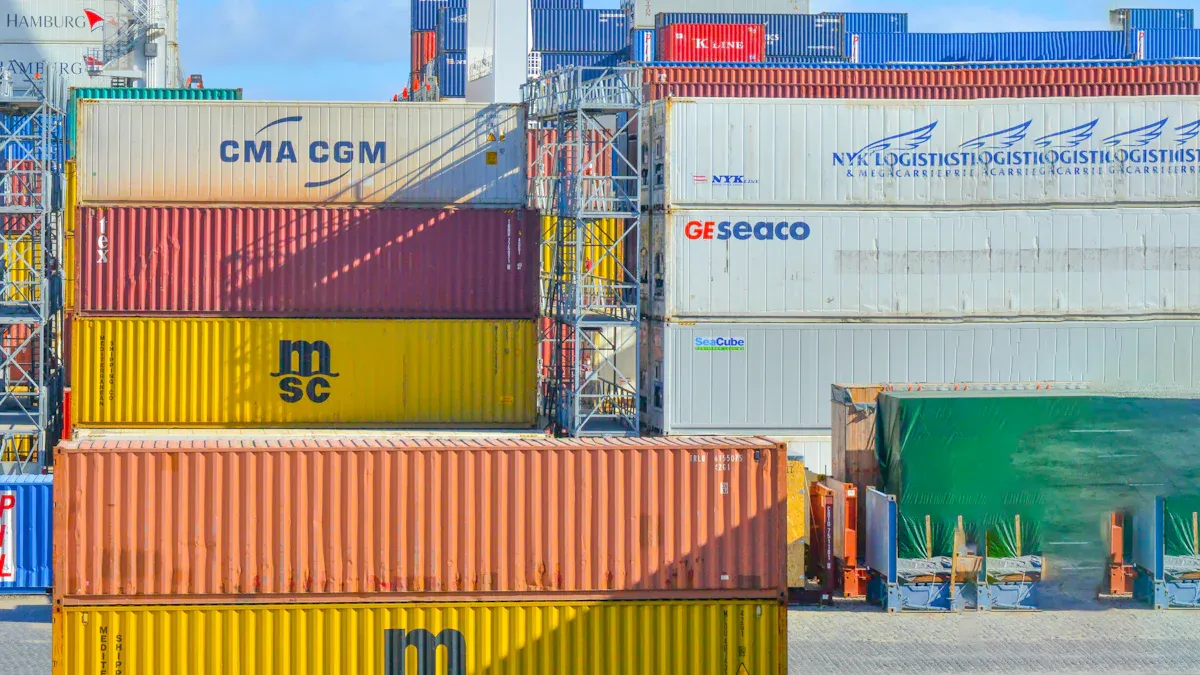
When you think about freight forwarding skills and qualifications, you see many types. Some skills are technical, some are about paperwork, and some are about working with people. The table below lists important skills for logistics jobs today:
Skill/Qualification | Description |
|---|---|
Getting Information | Find and use details from many places. |
Identifying Objects, Actions, and Events | Notice changes and spot differences quickly. |
Monitoring Processes | Watch shipments and find problems early. |
Working with Computers | Use software for tracking, booking, and entering data. |
Making Decisions | Solve problems and choose the best answer. |
Logistics changes quickly because of new technology. Global trade also makes things change fast. Business needs can change too. You must keep your freight forwarding skills and qualifications up to date. You should learn new things and adjust to changes. Take time to look at your own strengths. Find ways you can improve and grow.
Key Takeaways
Freight forwarding needs both technical and soft skills. Work on both skills to manage shipments well and make customers happy.
Keep learning about international trade rules and customs laws. Knowing these things is important for following the rules and shipping goods safely.
Paying close attention to details is very important. Check all papers twice to stop mistakes that can slow down shipments or lose customer trust.
Build good communication and negotiation skills. These skills help you make friends and get better deals in logistics.
Keep learning new things all the time. Take training, earn certificates, and get real experience to grow your freight forwarding career.
Core Freight Forwarding Skills
Freight forwarding skills and qualifications help you do well in this busy field. You need both technical and soft skills to handle shipments, fix problems, and keep customers pleased. This part talks about the top skills you should work on.
International Trade and Shipping Knowledge
You have to know how global trade happens. You should learn about ocean, air, road, and rail shipping. Incoterms are rules that say who pays for what in shipping. You must follow trade laws and customs rules. The table below lists important things you need to know:
Aspect | Description |
|---|---|
Customs Regulations | Know how to clear goods through customs and prepare the right documents. |
Quotas and Tariffs | Learn about limits and taxes on goods traded between countries. |
Sanctions | Understand penalties for breaking international laws. |
Export Controls | Follow rules that restrict certain goods or technology from leaving a country. |
Incoterms | Use global trade terms to define responsibilities in shipping transactions. |
You act as a compliance gatekeeper. You check for restricted items and screen people before shipping. Trade agreements change a lot, so you must keep learning. When tariffs change, you need to change your shipping plans to stay ahead.
Documentation and Administrative Skills
You work with many documents every day. You fill out Bills of Lading, customs forms, and letters of credit. Mistakes can slow things down or cost more money. The table below shows common documents and errors:
Documentation Type | Common Errors |
|---|---|
Bill of Lading | Inaccurate information |
Customs Declarations | Missing documents |
Letter of Credit (L/C) | Late submission |
Good administrative skills help you keep shipments organized and records correct. You arrange storage, warehousing, and delivery. You must follow customs rules in your country and others. You get shipping papers ready on time. You make sure every step follows the rules. Freight rules can be different in each city, so you must stay updated.
Tip: Always check every document before you send it. Small mistakes can cause big trouble.
Communication and Negotiation
You talk to shippers, carriers, and customs officers all the time. Good communication helps you explain what you need and fix problems fast. You must build strong ties with clients and partners. Negotiation helps you get better prices and service. Try these tips:
Check market prices and what clients want before you talk.
Watch loading and drop-off times to set fair prices.
Be sure of yourself and know when to say “no.”
Focus on good service, not just low prices.
Speak clearly and listen to others.
Build trust for better deals and more choices.
Keep up with market news to spot changes early.
Use digital tools to help with deals and get steady agreements.
When you are good at negotiation, you can group shipments, plan better, and get good prices. You show your worth by being on time and fixing problems for clients.
Problem-Solving and Critical Thinking
You face new problems every day in freight forwarding. You may need to join shipments from different places or find new routes if there are delays. Use problem-solving and critical thinking to fix these issues. For example, you can look at shipment data and work with your team to find better routes. This can save money and speed up deliveries.
Logistics companies test your problem-solving skills when you apply. They use tests and real-life situations to see how you handle hard problems. You must show you can make smart choices and learn fast. Skills-based hiring looks at what you can do, not just your past jobs.
Note: Practice solving real problems. Try to find ways to make shipping faster or cheaper.
Attention to Detail
You need to notice every small detail. Quality checks in logistics stop mistakes and keep customers happy. When you check orders closely, you avoid costly errors. Customers trust you more when you send the right shipments. Good attention to detail helps you build trust and beat other companies.
Filling orders right makes customers happy.
Careful checks stop mistakes and save money.
Quality checks help your business grow.
Technical and IT Skills
Digital tools make freight forwarding faster and easier. You need to use Transport Management Systems, freight audit platforms, and route planning software. These tools help you plan shipments, book faster, and handle documents. AI-powered tools can guess delays and help you make better choices.
Tool Type | Functionality | Efficiency Enhancement |
|---|---|---|
Transportation Management Systems | Manage shipments and automate booking and documents. | Optimize planning and improve shipment execution. |
Freight Audit and Payment Platforms | Automate invoice review and payment. | Reduce errors and improve cost visibility. |
Route Optimization Software | Analyze routes for efficient shipping. | Lower fuel costs and delivery times. |
Warehouse Automation Solutions | Streamline storage and inventory. | Minimize errors and manual work. |
AI-Powered Predictive Logistics | Predict delays and optimize routes. | Support proactive decisions and better communication. |
Doing things by hand can slow you down and cause mistakes. Knowing how to use digital tools helps you work smarter. Real-time data helps you make quick choices. The right systems help your business grow and lower IT costs. Automatic updates keep your tools working well.
Making choices based on data is important in freight forwarding. You look at fuel use, warehouse trends, and stock levels. Predictive analytics help you guess what you need and avoid running out. Real-time tracking lets you tell customers what is happening and react fast. Checking risks on routes helps you stop problems and keep shipments moving.
Tip: Learn to use Excel, Power BI, and other data tools. These skills help you make better choices and improve shipping results.
Freight Forwarding Qualifications and Certifications

You need the right qualifications and certifications to do well in freight forwarding. These show you care about learning and help you stand out. You build your career with education, certifications, and knowing about other cultures.
Academic Background
Your school background is important for your freight forwarding job. Most companies want workers with a bachelor’s degree. In college, you learn how to organize, talk to others, and follow customs rules. Some jobs let you start with a high school diploma, but more school gives you more chances.
Requirement Type | Details |
|---|---|
Educational Background | |
Work Experience | Prior experience in freight forwarding, logistics, or a related field is preferred |
Skills | Organizational abilities, communication skills, knowledge of customs regulations |
Most people in supply chain jobs have a bachelor’s degree. If you get a graduate degree, you can become a manager. More school means better pay and more job choices. You learn about trade rules and customs, which helps you fix problems and work with people from other countries.
Higher education gives you more job options.
Advanced degrees help you earn more money.
You learn how to manage shipments and teams.
Tip: If you want to move up fast, study logistics, supply chain management, or international business.
Industry Certifications
Certifications prove you have the right skills for freight forwarding. You must know customs rules and the best ways to do your job. Many groups offer certifications to help you grow in logistics.
Certification Name | Description | Eligibility Requirements | Exam Details |
|---|---|---|---|
Certified International Freight Forwarder® (CIFF) | Shows you know importing and exporting terms and best practices. | Must finish 10 Continuing Education Units each year. Exam is in English only. | Four-hour test with a proctor. Cost: $300.00. |
You can also get an Ocean Transportation Intermediary Freight Forwarder license. You must fill out Form FMC-18 and pay a fee. You need someone with three years of maritime experience. These certifications help you learn about customs and trade rules.
CIFF certification shows you know global shipping rules.
IATA certification helps you work with air cargo.
Customs Broker License lets you handle customs paperwork.
Dangerous Goods (DG) Training teaches you to ship hazardous materials safely.
Note: Certifications help you keep up with customs laws and new technology.
Language and Multicultural Competence
You work with people from many countries in freight forwarding. Knowing languages helps you talk to clients and partners. Understanding other cultures helps you avoid mistakes and give better service.
Speaking many languages helps you serve more clients.
Diverse teams solve problems faster and share new ideas.
You can work in different places and meet client needs.
You do better work by thinking about culture.
You attract good workers and make your company stronger.
Companies check your language skills to help them grow worldwide. They use tests to see if you can talk clearly. Teams that speak many languages help your company do well in new markets. Good communication makes workplaces friendly and creative.
Tip: Learn languages like Spanish, Mandarin, or German to improve your skills and help your company grow.
You need strong skills in customs, talking to others, and understanding different cultures. These qualifications help you work with trade rules and do well in logistics.
Specialized Skills for Freight Forwarding Jobs
Freight forwarding jobs need you to learn special skills. Each job has its own skills you must know. These skills help you do well in logistics. You need to know why each skill is important. Adaptability and problem-solving are needed for every job. Let’s see what you need for each role.
Coordinator and Operations Roles
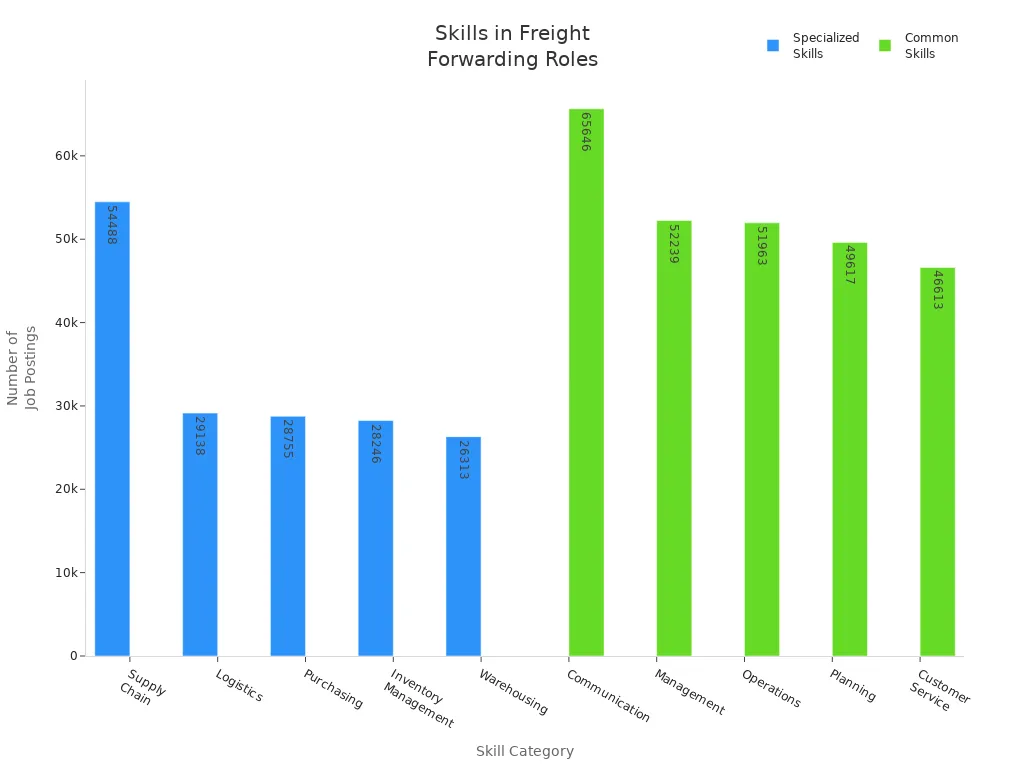
You help shipments move and keep track of cargo. You make sure everything works well. You need skills in supply chain, logistics, purchasing, inventory management, and warehousing. These skills help you plan shipments and fix problems fast. You also need to talk well, manage teams, plan work, and help customers.
Specialized Skills | Postings | % of Total Postings |
|---|---|---|
Supply Chain | 54,488 | 36% |
Logistics | 29,138 | 19% |
Purchasing | 28,755 | 19% |
Inventory Management | 28,246 | 19% |
Warehousing | 26,313 | 17% |
Common Skills | Postings | % of Total Postings |
|---|---|---|
Communication | 65,646 | 43% |
Management | 52,239 | 34% |
Operations | 51,963 | 34% |
Planning | 49,617 | 33% |
Customer Service | 46,613 | 31% |
You must be ready for changes in schedules and cargo. Problem-solving and adaptability help you fix delays and find new answers.
Brokerage and Sales Roles
You match shippers with carriers and make deals. You need skills in negotiation, market research, and sales strategy. You check key performance indicators to see how well you do.
Description | |
|---|---|
On-Time Deliveries | Shows how often deliveries are on time. |
Average Wait Time | Finds loading delays and helps lower costs. |
Order Accuracy | Tracks if deliveries are correct and safe. |
Lead Conversion Time | Measures how fast sales happen and worker speed. |
Average Freight Cost per Tonne Shipped | Helps clients pick cheaper shipping routes. |
Ratio of Value Added Costs (Surcharges) | Helps lower extra costs for clients. |
Average Margin | Shows how much profit the business makes. |
Quote Conversion Ratio | Makes quote process better and raises sales. |
Number of New Sales Leads | Counts new sales chances and business growth. |
Shipment Quantum and Capacity Utilization | Helps use space better and ship more efficiently. |
You must be ready for new client needs and market changes. Problem-solving and adaptability help you find new clients and boost sales.
Project Cargo and Compliance Roles
You move big or tricky cargo shipments. You need skills in project management, compliance, and risk management. You must know how to get permits and follow safety rules.
You use your skills to handle tough cargo and follow rules.
You make plans for special cargo shipments.
You use risk management to stop damage, delays, and rule problems.
Adaptability helps you keep up with new rules and project needs. Problem-solving and adaptability help you find safe ways and avoid trouble.
Adaptability and flexibility are very important for supply chain workers. The supply chain keeps changing a lot. New trends make things different from the past. The best logistics managers must change as their company and work change.
Businesses learned to stay flexible during the supply chain crisis.
Logistics managers can win by using new technology or finding new answers when problems come up.
You need special skills for each freight forwarding job. Problem-solving and adaptability help you grow and stay ahead in logistics.
Developing Freight Forwarding Skills and Career Growth
Gaining Practical Experience
You get better at freight forwarding by doing the job. You learn a lot when you see how things work every day. Internships and starter jobs teach you by letting you help with shipments. You meet skilled freight forwarders who give advice and show you how to fix problems. Mentors help you learn faster and understand the business. You go to events to meet people in logistics. These steps help you build your skills and get ready for bigger jobs.
Look for internships or beginner jobs to learn by doing.
Talk to skilled workers for help and advice.
Join mentor programs and go to events to learn more.
You use data tools to check how you are doing and see what you need to work on. You watch your skills get better over time. You learn how to handle papers, shipments, and help customers. Doing the job helps you know what freight forwarding is all about.
Professional Development and Networking
You move up in freight forwarding by joining groups for workers. You meet others in logistics and share ideas. Networking helps you find new jobs and learn about different companies. You go to events to meet leaders and other workers. These meetings can help you find mentors, partners, or new jobs. Making friends through networking gives you support and inside tips.
Networking helps you find new jobs in freight forwarding.
Worker groups help you make strong connections.
Events let you meet leaders and learn from them.
You use data to see how you grow and set new goals. You join training to learn new things. Always learning helps you keep up with changes in logistics.
Staying Updated with Logistics Trends
You stay ahead in freight forwarding by knowing the newest trends. Digital supply chain tools make your work faster and more exact. You use different shipping methods to make deliveries more reliable and quicker. Being flexible helps you use new technology and meet market needs. API tools let you use data right away and help customers fast. Demand forecasting uses data to plan shipments and manage supplies. Green goals push you to cut pollution and meet service needs.
Using many shipping ways makes deliveries better.
Flexibility helps you keep up with changes.
API tools help you use data quickly.
Forecasting uses data to plan better.
Green goals help you work in a cleaner way.
You keep learning to make your skills better. You use training and data tools to stay ahead in freight forwarding.
You do well in freight forwarding by learning technical skills, getting certifications, and building soft skills. People in this field need to adapt, fix problems, and talk clearly. These things are important in transportation jobs. Meeting goals and making good relationships also matter a lot. The table below shows ways you can get better in this field:
Skill Type | Development Method |
|---|---|
Technical Skills | Take online classes about transportation management and logistics software |
Soft Skills | Practice project management and working with teams |
Continuous Learning | Learn on the job and get help from mentors |
You help the field grow when you keep learning and try new things. Begin your freight forwarding career by getting education, certifications, and real experience in transportation. The field gives more chances to people who keep learning and improving.
FAQ
Why do you need strong freight skills in the transportation industry?
You need strong freight skills because the transportation industry moves goods across borders every day. These skills help you solve problems, keep shipments safe, and make smart decisions. You help your company grow and keep customers happy.
Why does attention to detail matter in freight forwarding?
You must check every freight document and shipment. Small mistakes can cause delays or extra costs. Careful work helps you follow supply chain rules and avoid problems. You build trust with clients and keep the chain moving smoothly.
Why is decision-making important for freight jobs?
You make choices about routes, costs, and timing. Good decision-making helps you avoid delays and save money. You use data from the supply chain to pick the best options. Quick decisions keep freight moving in the transportation industry.
Why should you learn about supply chain management for freight careers?
You need to understand supply chain management to plan shipments and solve problems. You work with many teams in the chain. Learning these skills helps you manage freight better and find new ways to improve the transportation industry.
Why does adaptability help you succeed in the transportation industry?
You face changes in freight rules, weather, and customer needs. Adaptability lets you adjust quickly and keep the supply chain strong. You find new solutions and keep shipments moving, even when things change in the transportation industry.
See Also
Key Strategies for Effective Global Logistics Operations
PGL's Knowledge in Global Logistics and Supply Chain Solutions
PGL's Proficiency in LTL and FTL Shipping Services
Maximize Savings with Nationwide FTL Shipping from PGL
Enhancing Global Operations Through Innovative Logistics Strategies
