What Is the Difference Between Freight In and Freight Out
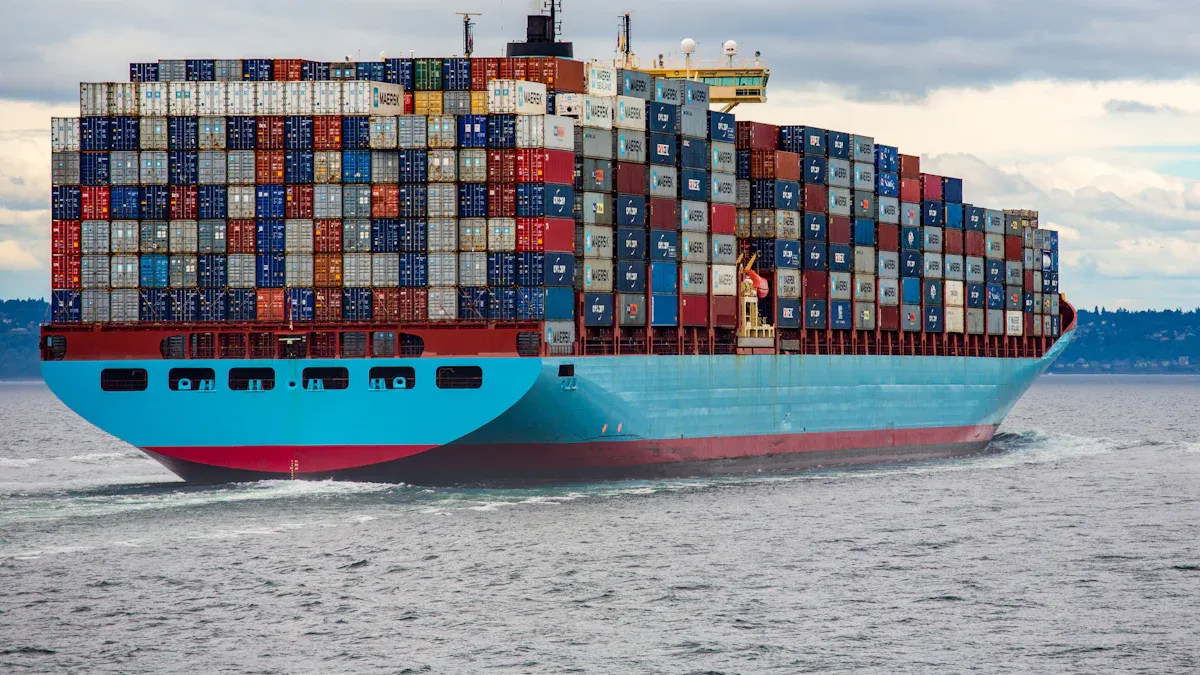
You may wonder about the difference between freight in and freight out. Freight in refers to the cost you pay to bring goods into your business, while freight out covers the expense of sending goods to your customers. Understanding these terms helps you track costs and report financial results correctly.
Freight in increases your inventory value as a direct cost.
Freight out acts as a selling expense and affects your profit margins.
Knowing these differences supports accurate expense tracking and better business decisions.
You need to use the right freight in accounting practices to record these costs correctly.
Key Takeaways
Freight in is the cost of bringing goods into your business. Always add this cost to your inventory value.
Freight out is the cost of sending goods to customers. Record this as a selling expense on your income statement.
Understanding the difference between freight in and freight out helps you track expenses accurately and make better business decisions.
Use proper accounting practices for freight in to avoid mistakes that can affect your profits and inventory value.
Check your shipping terms to know who pays for freight costs. This clarity helps you manage your expenses effectively.
Freight In and Freight Out Defined

Freight In Meaning
You pay freight in when you receive goods from a supplier. This cost covers shipping, delivery, and sometimes insurance. According to major accounting standards like GAAP, you add these costs to the price of your inventory. You do not treat freight in as a regular expense right away. Instead, you keep it with your inventory until you sell the goods. This method helps you see the true cost of your products.
Tip: Always include freight in when you calculate the total cost of your inventory. This gives you a clear picture of your profit when you sell items.
Accounting textbooks also explain freight in in a simple way. You pay this cost as the buyer, especially when the shipping terms are "FOB shipping point." This means you own the goods as soon as they leave the seller. You must add freight in to your inventory value for accurate records.
Here is a quick look at how experts define freight in:
Source | Definition |
|---|---|
Accounting Coach | Freight-in is the shipping cost paid by the buyer when the terms are FOB shipping point, considered part of the merchandise cost and included in inventory if unsold. |
Accounting Tools | Freight in refers to the transportation cost for delivering goods from a supplier to the buyer, incurred by the buyer and linked to inventory acquisition. Proper accounting for freight in is essential for accurate inventory valuation and gross profit calculation. |
You follow freight in accounting practices to make sure your inventory and profits are correct.
Freight Out Meaning
Freight out is different. You pay freight out when you send goods to your customers. This cost is part of selling your products. You do not add freight out to your inventory. Instead, you record it as a selling expense on your income statement. GAAP and other standards say that freight out does not increase the value of your inventory.
You see freight out as a cost of doing business. It helps you deliver products to your customers. You track this cost to understand your selling expenses and manage your profit margins.
Note: Freight out affects your income statement, not your inventory value.
Freight out shows up in your records as a selling and administrative expense. This helps you see how much you spend to get products to your customers.
Freight In Accounting Practices
Inventory Cost Treatment
You need to understand how freight in accounting practices affect your inventory. When you buy goods, you often pay extra costs to get them delivered. These costs include shipping, handling, and sometimes insurance. You should add these normal costs to your inventory value. This approach helps you see the true cost of your products.
You include freight and handling costs in inventory if they are normal and expected.
If you face abnormal costs, like those from a natural disaster, you expense them right away instead of adding them to inventory.
Higher shipping prices from routine business do not count as abnormal.
This method follows the idea of landed costs. Landed costs mean you add up all expenses needed to make a product ready for sale. By using proper freight in accounting practices, you make sure your inventory value is accurate.
Tip: Always check if your shipping costs are normal or abnormal before adding them to inventory.
Let’s look at a simple example. Suppose you buy items for $2,500 and pay $35 for shipping. You record both amounts as inventory. Your journal entry looks like this:
Debit Inventory: $2,500 (for the items)
Debit Inventory: $35 (for shipping)
Credit Accounts Payable: $2,535 (total liability)
You now have an inventory value of $2,535. This amount includes both the cost of the items and the shipping. You use this value to track your inventory on the balance sheet.
Impact on Financial Statements
Freight in accounting practices also affect your financial statements. When you add freight in costs to inventory, you increase the total value of your inventory on the balance sheet. This change also impacts your cost of goods sold (COGS) when you sell the items.
Including freight costs in inventory raises both COGS and the reported value of inventory.
Landed costs, which include freight, help you see the full cost of getting products ready for sale.
Different accounting methods, like FIFO or LIFO, can change how freight costs affect your profit margins and taxes.
If you do not match freight in costs with inventory, your gross margin may look lower than it really is. This mistake can lead to wrong profit numbers and poor business decisions. You want to make sure you use the right freight in accounting practices to avoid these problems.
Here is a table showing how shipping costs are treated under different accounting rules:
Aspect | IFRS Treatment | GAAP Treatment |
|---|---|---|
Shipping Costs (FOB Shipping Point) | Treated as a separate performance obligation, recorded as shipping revenue. | Can be treated as fulfillment costs or additional revenue component. |
Shipping Costs (FOB Destination) | Expensed as incurred, not part of revenue. | Expensed as incurred, not part of revenue. |
Presentation Flexibility | Allows reporting by nature or function. | Requires reporting by function, as per SEC guidelines. |
Note: Accurate freight in accounting practices help you report the right inventory value and profit. This accuracy supports better business planning and financial reporting.
By following these steps, you make sure your records show the real cost of your goods. You also avoid mistakes that could hurt your business in the long run.
Freight Out in Accounting
Selling Expense Classification
You need to know how to classify freight out in your accounting records. In a merchandising business, you record freight out as a delivery expense. This category includes all costs you pay to transport goods to your customers. For example, you might pay for gas, oil, or courier fees. These costs help you deliver products after a sale.
Tip: Always check your chart of accounts for a "Delivery Expense" or "Freight Out" account. This helps you track these costs easily.
GAAP gives you some flexibility when you classify freight out. You can choose to record it as a selling expense or include it in your cost of goods sold (COGS). Many companies prefer to list freight out as a selling expense. This choice makes it easier to see how much you spend on getting products to your customers. Your company’s policy will guide your decision. The way you classify freight out can change your financial results and make it harder to compare your numbers with other companies.
GAAP lets you classify freight out as a selling expense or as part of COGS.
You can choose the method that fits your company’s policy.
Your choice affects your financial metrics and how others compare your business.
Income Statement Impact
Freight out appears in the selling expenses section of your income statement. When you pay for shipping goods to customers, you record this cost as an expense during the same period as the sale. This practice matches your expenses with your sales, which gives you a clear view of your profit.
Freight out increases your total selling expenses. As a result, your profit margin goes down. You see this effect in your operating expenses, where freight out sits with other costs like advertising and sales commissions. Every time you ship a product, you add to your selling expenses for that period.
Note: Recording freight out as a selling expense helps you understand the true cost of making sales. This information supports better pricing and budgeting decisions.
You should always record freight out when you ship goods. This habit keeps your income statement accurate and helps you manage your business more effectively.
Key Differences

Inventory vs. Selling Expense
You need to know where each freight cost belongs in your accounting records. Freight in and freight out serve different roles in your business. Freight in relates to bringing materials or goods into your company. You add this cost to your inventory. This means you do not expense it right away. Instead, you wait until you sell the goods. This approach follows standard freight in accounting practices. You see the true cost of your products when you include these shipping costs in inventory.
Freight out works differently. You pay this cost to deliver finished goods to your customers. You record freight out as a selling expense. This cost appears on your income statement during the period you make the sale. It does not increase your inventory value. Instead, it reduces your profit for that period. You can see the main difference: freight in supports inventory acquisition, while freight out relates to delivering products to customers.
Here is a summary table to help you compare freight in and freight out:
Aspect | Freight In | Freight Out |
|---|---|---|
Definition | Movement of materials from supplier to factory | Movement of finished goods to customers |
Accounting Treatment | Added to inventory value | Recorded as a selling expense |
Timing | Expensed when goods are sold | Expensed when goods are shipped |
Financial Statement | Balance Sheet (then COGS on Income Statement) | Income Statement (Selling Expenses) |
Responsibility | Buyer | Seller |
Tip: Always check if a shipping cost helps you get goods into your business or helps you deliver goods to customers. This check helps you record costs in the right place.
Practical Implications
You face real challenges when you mix up freight in and freight out. If you record freight in as a selling expense, you may understate your inventory value. This mistake can lead to wrong profit numbers. If you treat freight out as part of inventory, you may overstate your assets. These errors can confuse your financial reports and make it hard to manage your business.
In daily operations, you see the effects of these costs. Delays in freight in can slow down your production process. You may not have enough materials to meet your schedule. This delay can increase your expenses and hurt your bottom line. On the other hand, delays in freight out can upset your customers. Late deliveries can damage your reputation and reduce customer satisfaction.
Here is a table that shows how these differences affect your business:
Aspect | Freight In | Freight Out |
|---|---|---|
Impact of Delays | Affects production process and expenses | Impacts delivery commitments and customer satisfaction |
Importance | Critical for production timelines and costs | Essential for maintaining customer satisfaction and operational efficiency |
You need to follow the right freight in accounting practices to keep your records accurate. This habit helps you make better decisions and keeps your business running smoothly. When you understand these differences, you can set clear policies and train your team to handle shipping costs the right way.
Note: Clear records help you see where your money goes. This knowledge supports better planning and stronger business growth.
Responsibility & Identification
Who Pays for Freight In and Freight Out
You need to know who pays for shipping costs in every transaction. The answer depends on the shipping terms you agree to with your supplier or customer. If you see "FOB shipping point" on your contract, you, as the buyer, pay for freight in. You take responsibility for the goods as soon as they leave the seller’s location. This means you cover all shipping costs and risks during transit.
If your agreement says "FOB destination," the seller pays for freight out. The seller keeps responsibility for the goods until they arrive at your place. You do not pay for shipping in this case. The seller handles all costs and risks until you receive the goods.
International trade uses Incoterms to set clear rules about who pays for shipping. Here is a table that shows how different Incoterms split responsibility:
Incoterm | Seller's Responsibility | Buyer's Responsibility |
|---|---|---|
EXW | Goods available at seller's facility | All costs and risks from that point forward |
FOB | Deliver goods to port and load onto vessel | Risk transfers once goods are onboard |
CIF | Shipping and insurance to destination port | Responsible once goods are loaded |
DAP | Deliver goods to specified location | Handles import duties and final clearance |
DDP | Full responsibility including duties/customs | N/A |
You should always check your shipping terms before you agree to a deal. This step helps you avoid confusion about who pays for freight in and freight out.
How to Distinguish in Practice
You can spot freight in and freight out by looking at your invoices and shipping documents. Freight in appears as a cost for bringing goods into your business. You add this cost to your inventory records. Freight out shows up as a cost for sending goods to your customers. You record this as a selling expense.
Here is a quick comparison to help you:
Indicator | Freight In | Freight Out |
|---|---|---|
Definition | Shipping goods into your business | Shipping finished goods to customers |
Responsibility | Buyer pays | Seller pays |
Accounting Treatment | Added to inventory, part of COGS | Selling expense, recorded when incurred |
You may face common mistakes when you record these costs. Some businesses mix up freight in and freight out. This mistake can lead to wrong billing and errors in your financial records. You might also see problems like incorrect weights, duplicate invoices, or wrong freight rates. These errors can cost you money and time.
Tip: Always double-check your shipping terms and invoice details. This habit helps you record freight costs in the right place and keeps your accounts accurate.
You now know the key differences between freight in and freight out. Freight in adds to your inventory value, while freight out counts as a selling expense. Correctly tracking these costs helps you create reliable financial reports and manage your expenses. If you misclassify these costs, you may face problems like higher shipping charges or even fines:
Financial Implication | Description |
|---|---|
Increased Shipping Costs | Overcharges and inflated rates from incorrect classifications. |
Potential Fines | Fines due to misclassification. |
Disrupted Operations | Delays and strained logistics. |
Strained Relationships with Carriers | Reduced service quality or lost partnerships. |
Damage to Customer Trust | Lost business from delayed shipments. |
Increased Operational Costs | Time and resources spent fixing errors. |
Understanding these differences also improves your internal controls and cost management. For more tips and best practices, you can explore resources that explain freight accounting, discuss challenges, and offer advice for accuracy and profit.
Learn about freight accounting basics and why it matters.
Discover best practices and tips for managing freight costs.
Find out how technology can help you track expenses.
Apply these lessons to keep your records clear and your business strong.
FAQ
What is the main difference between freight in and freight out?
Freight in covers the cost you pay to bring goods into your business. Freight out is the cost you pay to deliver goods to your customers. You record freight in as inventory and freight out as a selling expense.
Does freight in affect my profit right away?
No. You add freight in to your inventory value. You only see the effect on profit when you sell the goods. This method helps you match costs with sales.
Where do I record freight out in my accounts?
You record freight out as a selling expense on your income statement. This cost reduces your profit for the period. It does not change your inventory value.
How can I tell if a shipping cost is freight in or freight out?
Check who pays and the direction of the shipment. If you pay to receive goods from a supplier, it is freight in. If you pay to send goods to a customer, it is freight out.
See Also
Deciding on LTL, FTL, or Drayage Services with PGL
Begin Your Freight Journey with PGL's FTL Services
PGL Specializes in LTL and FTL Shipping Solutions
Transport Large Loads Economically with PGL's Cross-Country FTL
PGL Offers Efficient Drayage and Trucking from LA and Oakland
