Understanding Freight In and Freight Out Definitions
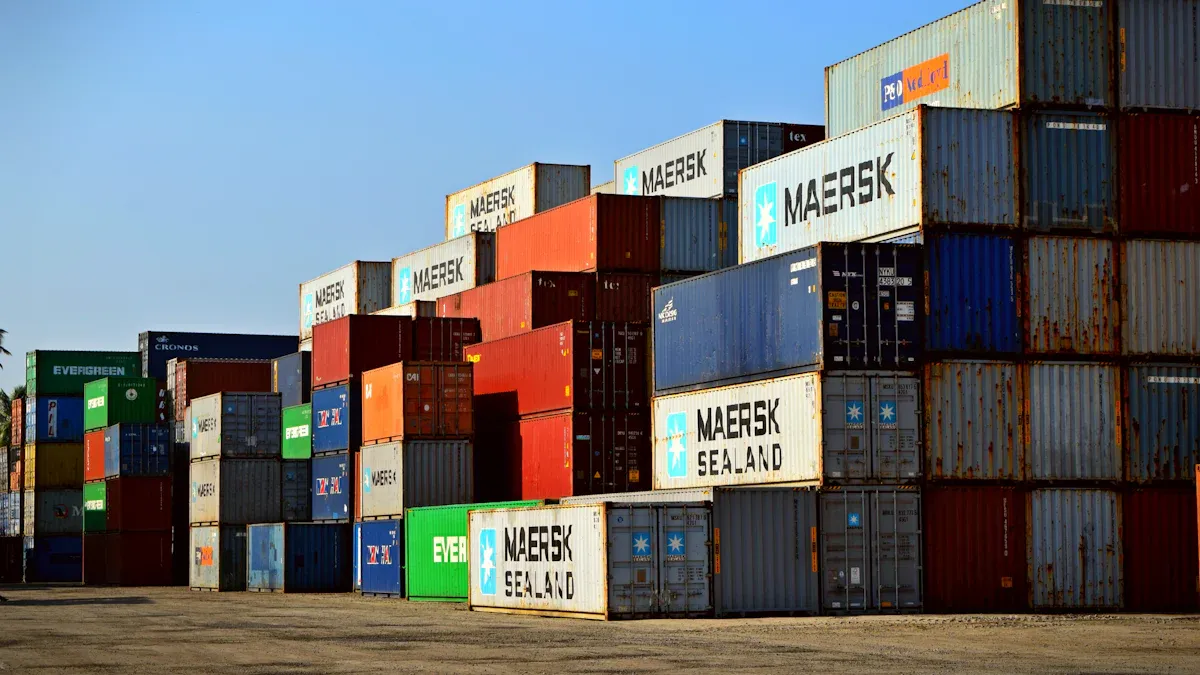
You will often see the terms freight in and freight out definitions in business and accounting. You need to know that freight in describes the cost of moving goods or raw materials into your company’s facility. Freight out means the cost of shipping finished products to your customers.
Understanding these costs helps you track expenses and manage your profit margin.
Freight in costs usually increase your inventory value.
Freight out costs reduce your profit margin and appear as selling expenses.
Key Takeaways
Freight in costs increase your inventory value. Always include shipping and insurance in your total inventory cost.
Freight out costs are selling expenses that reduce your profit margin. Track these costs to manage your overall expenses effectively.
Accurate accounting of freight costs prevents mistakes like misclassifications. This helps maintain clear financial records.
Understanding who pays for freight in and freight out is crucial. Check your contracts to clarify responsibilities and avoid confusion.
Using best practices in tracking freight costs can improve efficiency and save your business money.
Freight In and Freight Out Definitions
What Is Freight In?
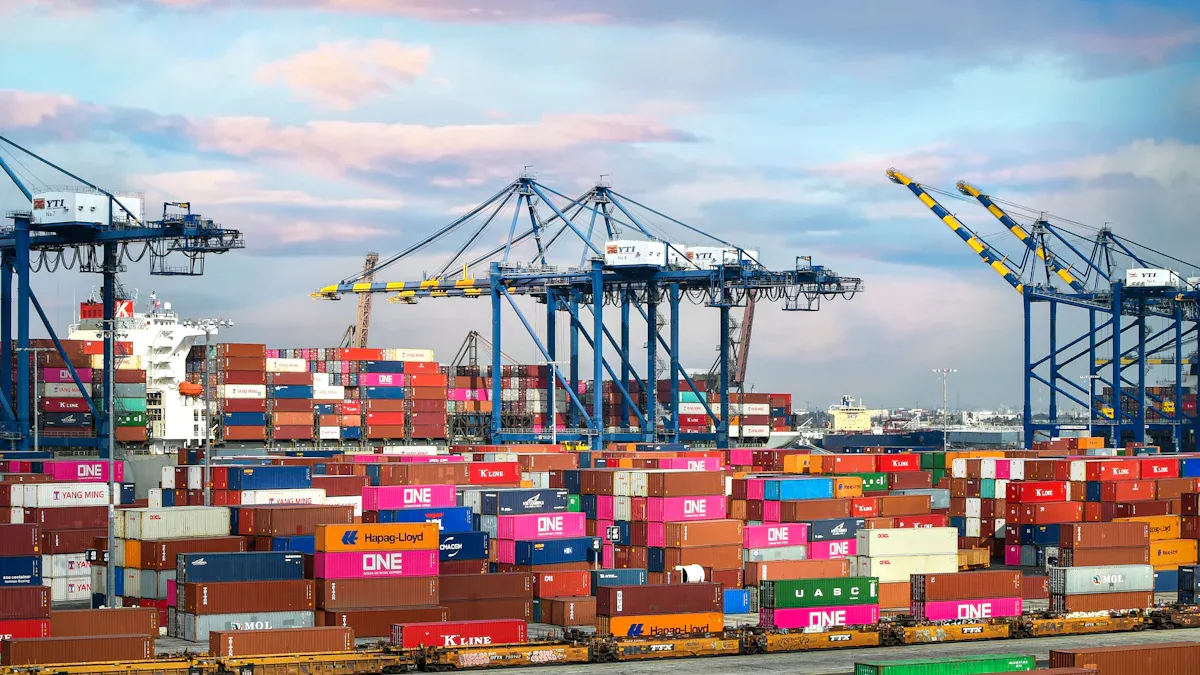
You see freight in as the cost you pay to bring goods or raw materials into your business. This cost covers everything needed to get products from a supplier to your warehouse or production area. In accounting, freight in means you, as the buyer, pay for shipping when you receive goods from a seller. You include these expenses, such as delivery and insurance, in the total purchase cost. These costs stay with your inventory until you sell the goods.
Freight in is an inventory cost. You record it on your balance sheet because it helps prepare goods for sale. When you sell the finished products, freight in becomes part of your cost of goods sold.
You might wonder what specific costs make up freight in. Here are some typical items:
Line haul (the main transportation charge)
Pickup and delivery
Terminal handling
Billing and collecting
Insurance (if needed)
You also see other charges that affect freight in, such as:
Base rates for moving goods
Accessorial charges for extra services
Fuel surcharges
Dimensional factors (size and weight)
Service level impacts (speed or quality)
Geographic considerations (location-based fees)
Modal comparisons (different transport types)
Carrier performance metrics (on-time delivery, claims rates)
Understanding freight in and freight out definitions helps you see how these costs affect your inventory and profit.
What Is Freight Out?
Freight out is the cost you pay to ship finished products from your business to your customers. You treat freight out as a selling expense. This means you record it as an expense when you send goods out, not as part of your inventory.
When you ship products to customers, you pay for:
Transportation charges
Delivery fees
Handling costs
Insurance (if you cover it)
You see freight out on your income statement as a selling expense. It does not increase your inventory value. Instead, it reduces your profit margin because it is a cost you pay to complete a sale.
You need to track freight out carefully. It shows how much you spend to deliver products and helps you manage your selling expenses.
Freight in and freight out definitions show a clear difference. Freight in adds to your inventory cost. Freight out is a selling expense that affects your profit. You need to know which costs belong to each category so you can keep accurate records and make smart business decisions.
Freight In in Accounting
Recording Freight In Costs
You need to know how to record freight in costs in your accounting system. When you pay shipping charges to bring goods into your business, you add these costs to the purchase price of your inventory. You do not treat freight in as a separate expense. Instead, you increase your Merchandise Inventory account and decrease your Cash account. This method helps you track the true cost of getting products ready for sale.
Tip: Always include delivery and insurance costs in your inventory value. This gives you a clear picture of your total investment in goods.
Here is a simple table to show how companies treat freight in and freight out:
Freight Type | Treatment | Category |
|---|---|---|
Freight-In | Capitalized as part of inventory; included in COGS when sold. | |
Freight-Out | Expensed as operating expenses; not included in COGS. | Shipping Expense, Freight Expense |
UCR | Larger businesses must capitalize freight-in; small businesses may simplify. | N/A |
Impact on Inventory and Final Accounts
Freight in costs change the value of your inventory on the balance sheet. When you capitalize freight charges, you increase your inventory value. This makes your assets look stronger to investors. If you treat freight as an expense, your inventory value goes down. Including freight in your inventory costs can lead to higher asset ratios and better financial health.
Capitalizing freight charges increases the inventory value on the balance sheet.
Including freight in inventory costs can change your financial statements.
Omitting freight can mislead your financial reports and affect your pricing and cash flow.
When you sell your goods, the freight in costs move from inventory to cost of goods sold (COGS) on your income statement. This step affects your profit. Freight in and freight out definitions help you understand which costs belong in inventory and which belong in expenses. You need to record these costs correctly to show your true business performance.
Freight Out in Accounting
Recording Freight Out Costs
You record freight out costs when you ship products to your customers. These costs include transportation, delivery, and handling fees. You do not add freight out to your inventory value. Instead, you treat it as an expense that happens when you make a sale. You see freight out listed on your income statement under operating expenses.
You need to track freight out costs carefully. These expenses show how much you spend to deliver goods and help you understand your selling costs.
Companies decide how to classify freight out based on the nature of the expense. You can use the following guidelines:
Freight costs directly tied to the sale of goods may be included in cost of goods sold (COGS).
General freight costs related to selling are classified as selling expenses.
The person responsible for shipping, such as sales or plant management, can influence the classification.
You should check your business process to see which category fits your freight out costs. This helps you keep accurate records and understand your true expenses.
Freight Out as a Selling Expense
Freight out appears as a selling expense in your financial statements. You include it in your operating expenses. This means freight out affects your total operating costs and reduces your net profit. You need to watch these costs, especially if your business has a small profit margin. If you do not manage freight out, your profits can shrink quickly.
Freight out is important in industries where shipping costs are high. If you sell products that need special delivery or travel long distances, freight out can take up a large part of your budget. You must pay attention to these expenses to protect your profit margin.
Freight in and freight out definitions help you separate inventory costs from selling expenses. This separation gives you a clear view of your business performance.
You can use a simple table to see the difference:
Cost Type | When Recorded | Financial Impact |
|---|---|---|
Freight In | When goods arrive | Increases inventory value |
Freight Out | When goods are shipped | Increases operating expenses |
You need to understand how freight out affects your financial statements. This knowledge helps you make better decisions and keep your business healthy.
Differences and Cost Responsibilities
Key Differences
You need to understand the main differences between freight in and freight out. Freight in refers to the cost you pay to bring goods or materials into your business. You add this cost to your inventory value. Freight out is the cost you pay to ship finished products to your customers. You record freight out as a selling expense.
Here is a table that shows how each cost affects your business:
Aspect | Impact on Profitability and Cash Flow |
|---|---|
Freight-In Cost | Directly affects the cost of goods sold and inventory valuation, influencing gross margin calculations. |
Misallocation of Costs | If freight-in costs are not properly accounted for, it can lead to an inaccurate representation of gross margin. |
Customer Profitability | Accurate freight cost accounting is essential for assessing customer contribution to overall profitability. |
You see that freight in changes your inventory value and gross margin. Freight out increases your selling expenses and reduces your net profit. If you do not separate these costs, you may not see your true profit.
Tip: Always keep freight in and freight out definitions clear in your records. This helps you track your costs and make better business decisions.
Who Pays for Freight In and Freight Out?
You can determine who pays for freight in and freight out by looking at the terms of your business agreement. The payment responsibility often depends on shipping terms and contracts.
Here is a table that explains common freight payment terms:
Freight Payment Term | Description | Responsibility |
|---|---|---|
Freight Prepaid | The seller pays the freight charges before shipment. | Seller |
Freight Collect | The buyer pays for the freight upon receiving the goods. | Buyer |
Third-Party Payment | A third-party manages the freight payment process. | Third-Party |
You also need to know about Incoterms. These are international rules that define who pays for shipping, insurance, and customs duties. Some Incoterms, like CIF and CFR, make the seller pay for freight and insurance. DDP means the seller pays for customs duties and taxes. FOB requires the seller to pay for transportation until the goods are loaded onto the ship.
Incoterms set clear rules for cost responsibilities.
You should check your contract to see which term applies.
Knowing these terms helps you avoid confusion and plan your cash flow.
When you understand who pays for each cost, you can manage your expenses and protect your profit. You will also see how freight in and freight out definitions affect your business agreements.
Practical Examples

Freight In Example
Imagine you run a small electronics store. You order 1,000 headphones from a supplier. The supplier charges $10,000 for the headphones. You also pay $1,000 for shipping and insurance to bring the goods to your warehouse. You record the total cost of $11,000 as your inventory value.
Including freight costs in your inventory valuation increases your total expenses. This change affects your cost of goods sold (COGS) and the reported inventory value. When you sell the headphones, the $11,000 moves from inventory to COGS on your income statement.
You need to track all costs that make a product ready for sale. These costs, called landed costs, include freight. If freight charges rise, your inventory value goes up. Different accounting methods, such as FIFO or LIFO, can also change how you see these costs in your financial statements. LIFO may show the impact of rising freight costs faster than FIFO. This difference can affect your profit margins and tax payments.
Freight Out Example
Suppose you own a company that makes widgets. You ship 500 widgets to customers in one month. You pay $10,000 for shipping. You record this amount as Freight Out, a selling expense. You charge each customer a flat shipping rate of $20, which covers your freight out cost and adds a small profit.
Freight out appears as an operational expense on your income statement. This cost reduces your reported profit because you subtract it from your revenue. You need to manage these expenses to keep your business profitable.
You see how freight in and freight out definitions work in real life. Freight in increases your inventory value and affects COGS. Freight out shows up as a selling expense and impacts your net profit.
You now understand freight in and freight out definitions and how they affect your business.
Freight in increases your inventory value and must be tracked in your records.
Freight out is a selling expense and impacts your profit.
Accurate accounting helps you avoid mistakes like duplicate invoices or wrong classifications.
Using tools and best practices improves efficiency and saves money.
Applying these concepts lets you make better decisions and keeps your business healthy.
FAQ
What is the main difference between freight in and freight out?
Freight in increases your inventory value. Freight out appears as a selling expense. You record freight in when you receive goods. You record freight out when you ship products to customers.
Do you include freight out in the cost of goods sold (COGS)?
No, you do not include freight out in COGS. You record freight out as a selling expense. This cost reduces your net profit but does not affect your inventory value.
Who usually pays for freight in and freight out?
Cost Type | Typical Payer |
|---|---|
Freight In | Buyer |
Freight Out | Seller |
You should check your contract or shipping terms to confirm who pays each cost.
Can you recover freight out costs from customers?
You can recover freight out costs by charging customers a shipping fee. Some businesses add this fee to the invoice. Others include it in the product price.
See Also
Discover PGL's Specialized Solutions for LTL and FTL Shipping
Begin Your Freight Journey with PGL's FTL Services
Selecting LTL, FTL, or Drayage with PGL for Truck Loading
