Understanding the Difference Between Freight In and Freight Out in 2025
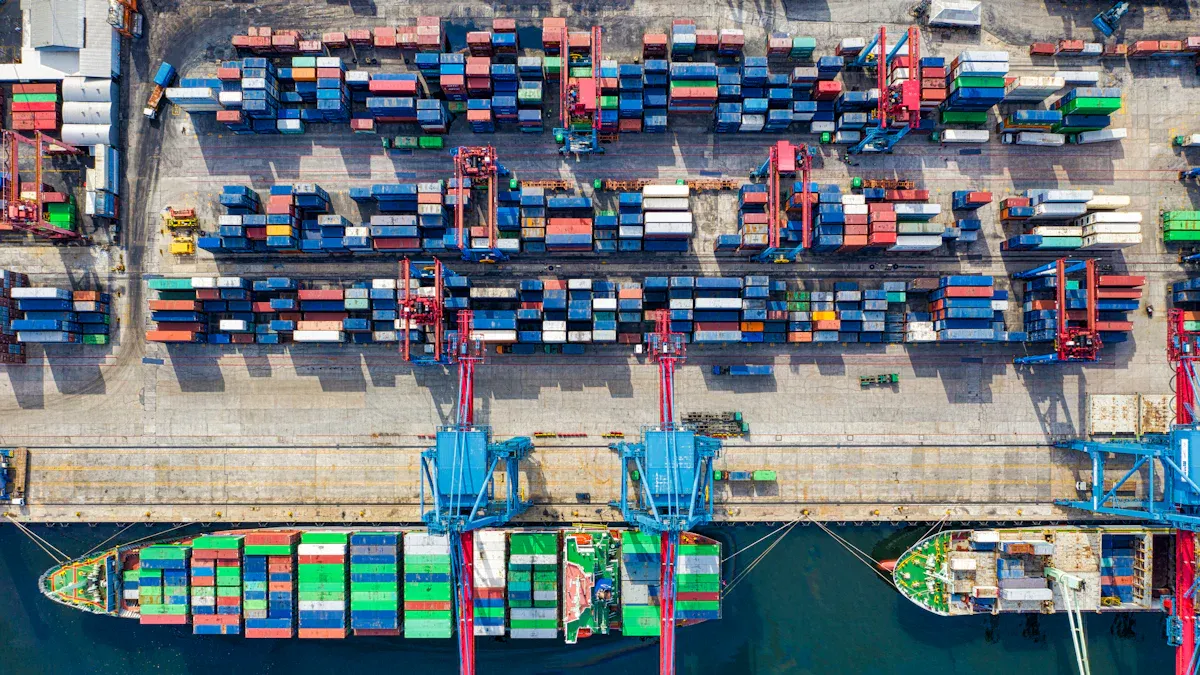
You often hear about freight in and freight out when you manage shipments. Freight in means you pay to bring goods or materials into your business. Freight out means you pay to send finished products to your customers. The freight out vs freight in difference matters because smart freight management can protect your profit margins. Many companies lose money when they ignore shipping costs. Customer demands for fast delivery continue to grow, so you must watch these costs closely.
Key Takeaways
Freight in refers to costs for bringing goods into your business, while freight out covers costs for sending products to customers.
Understanding these costs is crucial for accurate pricing and maintaining healthy profit margins.
Record freight in as part of inventory costs and freight out as a selling expense to ensure proper accounting.
Regularly review shipping agreements and costs to avoid unexpected expenses and improve cash flow.
Use data analytics and diverse carrier options to optimize freight management and reduce overall shipping costs.
Freight Out vs Freight In Difference

Key Definitions
You need to know what each term means before you can understand the freight out vs freight in difference. The table below shows the formal definitions according to leading accounting standards in 2025:
Term | Definition |
|---|---|
Freight Out | The transportation cost associated with delivering goods from a supplier to customers, charged to expense as incurred. |
Freight In | The cost incurred by a business for shipping raw materials or goods into their storage facility or production. |
You see freight in when you pay to bring products or materials into your business. You see freight out when you pay to send finished goods to your customers. The party responsible for each cost can change based on your contract or shipping terms. In most cases, you pay freight in as the buyer. You pay freight out as the seller.
Tip: Always check your shipping agreement. Sometimes, the contract makes you responsible for both freight in and freight out costs.
Main Distinctions
The freight out vs freight in difference goes beyond simple definitions. You must look at how each cost affects your accounting and your business decisions.
Term | Accounting Treatment |
|---|---|
Freight Out | Not considered an operating expense, incurred only when goods are sold to a customer. |
Freight In | Considered a direct expense as part of daily operations, essential for manufacturing demands. |
Term | How It Appears in Financial Records |
|---|---|
Freight Out | This cost is recorded within the cost of goods sold classification on the income statement. |
Freight In | It is recorded as a debit in the inventory records, reflecting its role in daily operations. |
You record freight in as part of your inventory cost. This means you add it to the value of your products before you sell them. You record freight out as a selling expense. This means you subtract it from your profit after you make a sale.
The party responsible for each cost can change depending on your shipping terms. Here is a quick guide:
Ex Works (EXW): Seller pays freight out.
Free on Board (FOB): Seller pays until goods are on board.
Cost, Insurance, Freight (CIF): Seller covers costs to a port, buyer pays after that.
The freight out vs freight in difference matters for your profit calculation. Freight in increases your inventory value. Freight out reduces your profit as a selling expense. You must track both costs to understand your true profit.
Note: If you ignore the freight out vs freight in difference, you may set prices too low or misjudge your profit margins.
You see the freight out vs freight in difference in every shipment. You must know who pays, how to record the cost, and how it affects your business. This knowledge helps you make better decisions and avoid costly mistakes.
Freight In Explained
What Is Freight In?
You pay freight in when you bring raw materials or inventory into your business. This cost covers the shipping, handling, and any other charges needed to move goods from your supplier to your warehouse or production area. Most of the time, you, as the buyer, are responsible for this cost. You see freight in on your invoices when you order products from a supplier and must pay to have them delivered to your location.
Freight in is not just the price of shipping. It also includes handling fees and other costs needed to prepare goods for sale.
When you compare the freight out vs freight in difference, remember that freight in happens before you sell anything. It is part of getting your products ready for customers.
Accounting for Freight In
You must add freight in to your inventory cost. This means you do not treat it as a regular expense right away. Instead, you include it in the value of your inventory until you sell the goods. This process follows the matching principle in accounting, which helps you match costs with the revenue they help generate.
Here is a simple way to calculate freight in for inventory purchases:
Add the purchase price of your goods.
Include all shipping and handling charges.
Add any other costs needed to prepare the goods for sale.
For example, if you buy 100 units of a product for $1,000 and pay $100 for shipping, your total inventory cost is $1,100. When you sell the goods, the freight in cost becomes part of your cost of goods sold.
You may see different shipping terms, such as FOB shipping point or FOB destination. These terms decide who pays for freight in and when you record the cost. If you pay for shipping, you must add the cost to your inventory.
Freight in affects your inventory valuation. When you include freight in, your inventory value goes up. This also means your cost of goods sold will be higher when you sell the inventory. You need to track these costs carefully to understand your true profit and to see the full freight out vs freight in difference.
Freight Out Explained
What Is Freight Out?
You pay freight out when you ship finished goods to your customers. This cost includes everything needed to deliver products from your warehouse to the buyer’s location. You see freight out as a selling expense in your accounting records. It stands apart from the cost of goods sold. The responsibility for freight out can change based on your sales agreement or shipping terms.
Freight out refers to the costs incurred for shipping finished goods to customers.
You record freight out as a selling expense, not as part of your inventory cost.
Shipping terms, such as Incoterms, decide who pays for freight out.
You may notice the freight out vs freight in difference when you compare how each cost affects your business. Freight out happens after you sell your products, while freight in occurs before you sell anything.
Accounting for Freight Out
You must know your responsibilities for freight out under different shipping terms. The table below shows how common Incoterms affect who pays for freight out:
Incoterm | Seller's Responsibilities | Buyer’s Responsibilities |
|---|---|---|
EXW | Minimal responsibility; goods are made available at the seller's premises. | Responsible for all costs and risks from the seller's premises onward. |
FCA | Responsible for delivering goods to a carrier at a specified location. | Takes on risk and costs once goods are handed over to the carrier. |
DDP | Full responsibility for all costs, including freight, insurance, and duties until goods are delivered to the buyer's location. | Receives goods at the agreed destination without additional costs. |
When you pay for freight out, you record it as a selling expense on your income statement. For example, if you ship products using FOB destination, you pay the freight charges and record them as delivery expenses. These costs reduce your net profit. If you run an e-commerce business, high freight out costs can make it hard to keep healthy profit margins. Shipping fees, packaging, and handling all add up. You must track these expenses to avoid surprises in your cash flow.
Tip: Review your shipping terms and delivery costs often. Small changes in freight out can have a big impact on your bottom line.
You see the freight out vs freight in difference in your financial statements. Freight out lowers your profit after the sale, while freight in increases your inventory value before the sale.
Recording in Financial Records
Documentation Steps
You need to record freight in and freight out transactions correctly in your accounting system. This helps you keep accurate financial records and avoid mistakes. Follow these steps to make sure you document each transaction the right way:
Automate Document Formatting: Use AI tools to convert invoices and shipping documents into a single format. This saves time and reduces errors.
Manually Check Discrepancies: Review automated entries for mistakes. Human oversight catches errors that software might miss.
Prioritize Accounts by Date Due: Organize invoices by their due dates. This helps you pay on time and maintain good relationships with carriers.
Provide Line-Item Invoicing Details: Break down each invoice to show shipping, handling, and other costs. This makes your records clear and transparent.
Use AI to Instantly Code and Organize: Let AI help you enter and sort data quickly. Accurate coding keeps your records organized.
Tip: Always maintain accurate records, file necessary documents, and store them securely. Regular audits and data protection controls help you stay compliant with local, state, and federal guidelines.
You should also use proper coding and consistent documentation. Keep a clear audit trail and include permits, customs documents, and vendor agreements when needed.
Impact on Financial Statements
Freight in and freight out affect your financial statements in different ways. You need to understand how each cost changes your balance sheet and income statement.
Freight in increases your inventory value on the balance sheet. When you sell inventory, the cost moves to the cost of goods sold on the income statement. This matches the cost with the revenue from sales.
Freight out appears as a selling expense on the income statement. You record this cost in the period when you ship goods to customers.
If you misclassify freight costs, you risk overcharging, fines, and inaccurate financial reports. Misclassified expenses can distort your logistics cost analysis and make it hard to track true transport rates. Always classify freight in and freight out correctly to follow accounting principles and keep your business healthy.
Note: Accurate classification of freight costs protects your profit margins and ensures compliance with accounting standards.
Business Implications and Cost Factors
Pricing and Profitability
You must understand freight in and freight out costs to set the right prices for your products. These costs shape your overall cost structure and help you stay competitive. When shipping rates change, your product prices may need to change too. Economic conditions and customer demand can also affect how much you pay for freight services.
Freight in and freight out costs affect your total expenses.
Changes in shipping capacity can cause freight rates to rise or fall.
Customer demand and the economy influence your need for freight services.
Accurate freight accounting helps you see which customers bring the most profit. You can use this information to adjust your prices and focus on high-volume buyers. If you track freight costs well, you can lower shipping expenses and improve delivery times. Rising fuel prices and mistakes in your process can hurt your profit margins. You need to manage freight costs carefully to keep your business healthy.
Tip: Review your freight costs often. Small changes can make a big difference in your profits.
Common Scenarios
You face many situations where freight in and freight out costs impact your decisions. Here are some examples:
Tracking freight out costs helps you find ways to reduce expenses.
High shipping costs may force you to raise product prices.
Itemizing shipping costs can prevent customer disputes.
Watching shipping efficiency can lead to faster deliveries and savings.
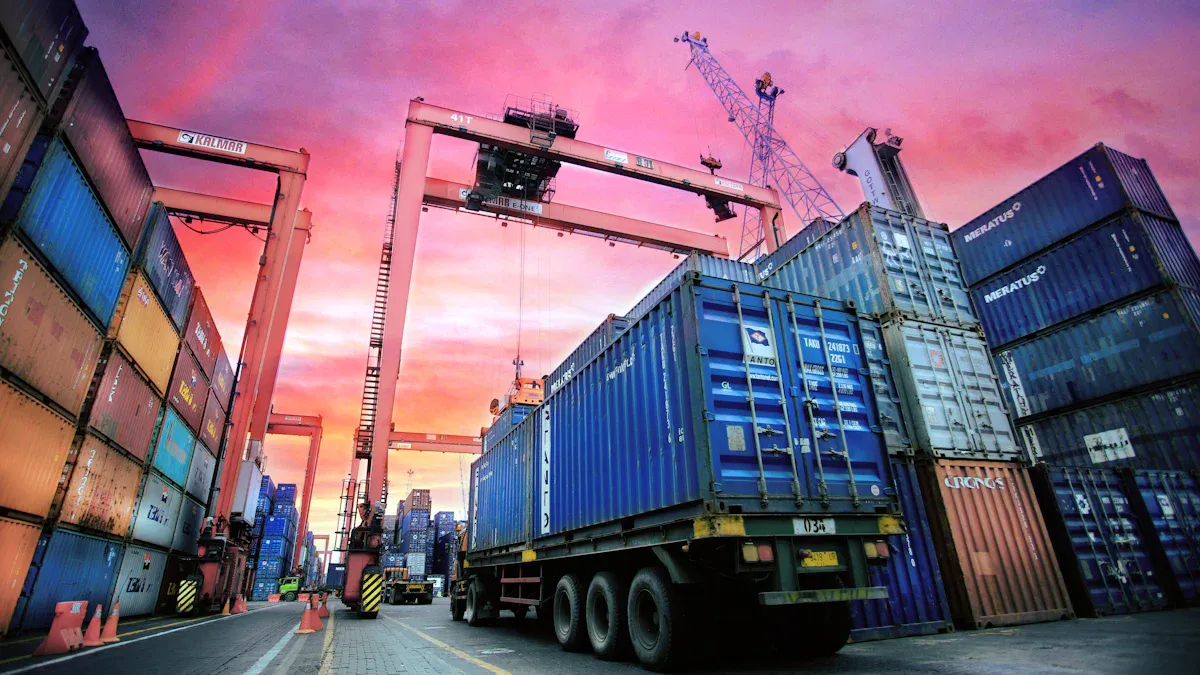
A global shipping container backlog once caused delays and higher costs for many businesses. Some companies raised prices to cover these costs. Others absorbed the extra expenses, which lowered their profits.
Shipping terms like FOB shipping point and FOB destination decide who pays for freight. Under FOB destination, you as the seller pay for shipping until the goods reach the buyer. Under FOB shipping point, you as the buyer pay for shipping from the moment the goods leave the seller.
Industry practices also shape freight costs. You can use system integrations and real-time tracking to monitor expenses. Machine learning helps you spot mistakes quickly. Outsourcing freight management can save time and reduce errors. Charges often depend on weight, volume, distance, and extra fees.
Note: Understanding these scenarios and cost factors helps you make smart choices for your business.
You see clear differences between freight in and freight out. The table below highlights the main points:
Aspect | Inbound Freight | Outbound Freight |
|---|---|---|
Definition | Raw materials coming into your business | Finished products leaving your business |
Main Focus | Deals with suppliers | Deals with customers and partners |
Purpose | Supports manufacturing | Delivers to end customers |
Accurate accounting for these costs helps you track expenses and improve profit margins. You can use these tips to optimize freight management:
Diversify carrier options for better pricing.
Use data analytics to monitor shipping costs and performance.
Review freight practices often to find savings and boost efficiency.
Regular reviews lead to fewer errors, cost savings, and better compliance. You build stronger relationships with carriers and make smarter decisions for your business.
FAQ
What is the main difference between freight in and freight out?
You pay freight in to bring goods into your business. You pay freight out to send products to customers. Freight in increases inventory value. Freight out counts as a selling expense.
Who usually pays for freight in and freight out?
You, as the buyer, usually pay freight in. You, as the seller, often pay freight out. Shipping terms in your contract decide who pays each cost.
How do freight in and freight out affect your profit?
Freight in raises your inventory cost. Freight out lowers your profit because it adds to selling expenses. Tracking both helps you set better prices.
Can you record freight in and freight out in the same account?
No, you should not record both in the same account. You add freight in to inventory. You record freight out as a selling expense. Keeping them separate helps you track costs correctly.
See Also
Maximize Savings with Premier Global Logistics' FTL Services
Deciding on LTL, FTL, or Drayage with PGL Solutions
Simplifying Cross-Border Freight on the West Coast with PGL
Enhancing International Operations Through Innovative Logistics Solutions
