Freight Shipping Meaning in Global Trade: A Complete Explanation
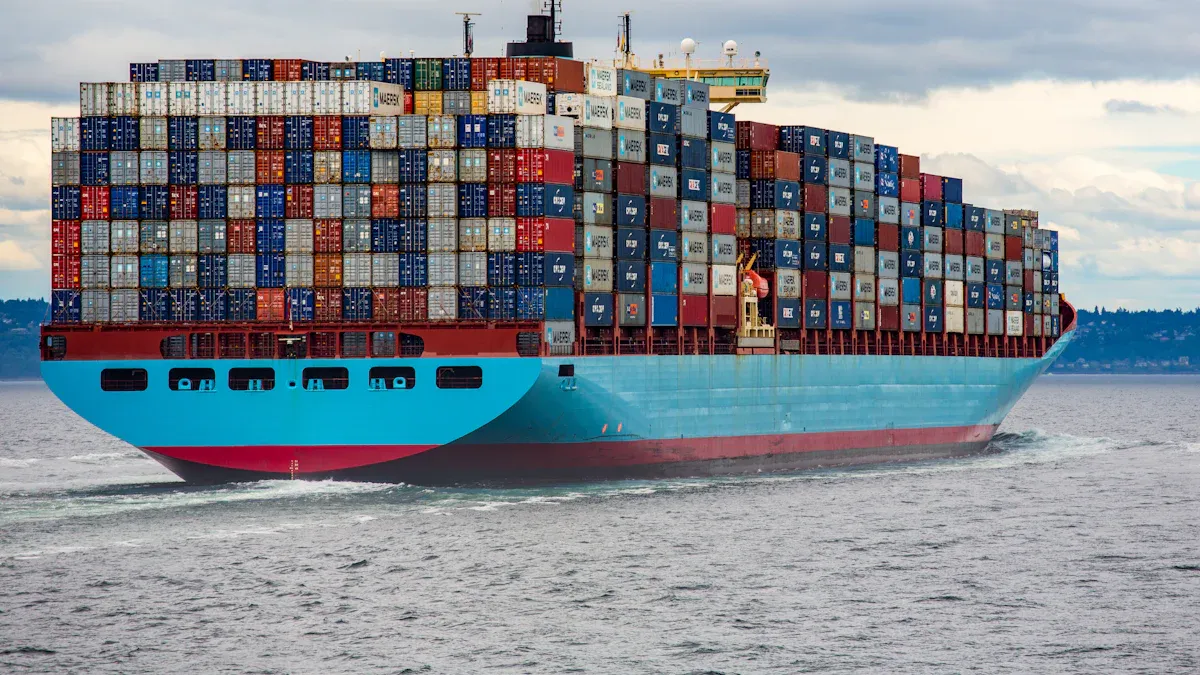
Freight shipping meaning global trade is crucial for the movement of goods between countries. It facilitates the quick and safe transportation of products. In 2022, the global freight shipping market was valued at $30,916.4 million, and it is projected to grow to $72,975.0 million by 2030, with an annual growth rate of approximately 11.3%. Understanding the freight shipping meaning in global trade is essential for staying competitive.
Advantage | Description |
|---|---|
Cost Efficiency | Saves money by shipping many items together. |
Wide Range of Options | Lets you choose how to ship based on size, speed, or cost. |
Reliability and Speed | Ensures goods arrive on time for customers. |
Scalability | Can accommodate more or fewer goods as your business evolves. |
Environmental Efficiency | Reduces pollution by consolidating shipments. |
Freight shipping impacts your costs, delivery speed, and environmental sustainability. Being knowledgeable about freight shipping meaning in global trade enables you to make informed decisions.
Key Takeaways
Freight shipping is very important for global trade. It moves goods quickly between countries.
Knowing about freight shipping helps businesses spend less money. It also helps them deliver things faster.
Picking the best shipping method is important. You can use ocean, air, rail, or road. The choice depends on your cargo's size. It also depends on how fast you need it and your budget.
Good paperwork and insurance are needed for easy international shipping. They help keep your goods safe.
Learning about freight trends and problems helps businesses change and grow. This is important in a market that keeps changing.
Freight Shipping Meaning in Global Trade
What Is Freight Shipping
To understand freight shipping, you need to know how it is different from parcel shipping. Freight shipping moves big groups of goods. These goods usually weigh more than 150 pounds. Businesses use freight shipping to send items across borders. It needs special tools and careful planning. Parcel shipping sends single packages. These packages are lighter and easier to handle.
Here is a table that shows the main differences:
Aspect | Freight Shipping | Parcel Shipping |
|---|---|---|
Shipment Size | Ships large groups, often over 150 pounds | Ships single packages, usually under 150 pounds |
Handling | Needs special planning for big shipments | Easier to handle one package at a time |
Uses LTL and FTL for moving goods | Simple delivery, less planning needed |
Freight shipping uses sea, air, rail, or road to move goods. You often see freight in containers, pallets, or truckloads. This way works best for heavy or big items. It needs careful planning and teamwork. The cost depends on weight, distance, and service type. Some services are Less-Than-Truckload (LTL) or Full Truckload (FTL).
Freight shipping moves many goods together by pallet, truckload, or container.
Parcel shipping sends one package at a time.
Freight shipping is better for heavy or bulky items that need more planning.
Freight shipping connects your business to the world. It helps move raw materials, finished products, and supplies between countries. Freight shipping does more than move goods. It links economies and helps global trade grow.
Why It Matters for International Trade
Freight shipping is very important for global trade. It is the main way goods travel between countries. Businesses use freight shipping to reach new places and stay strong in the market.
About 80% of global trade travels by ocean shipping. Some experts say it is even 90%. This shows how important freight shipping is for world trade.
Freight shipping links producers, sellers, and buyers everywhere.
It makes supply chains work better by saving time and money.
The industry gives people jobs and helps local businesses.
Freight shipping lets you sell to customers far away.
Freight shipping helps economies grow. When you ship goods across borders, you help create jobs and raise GDP. For example, trade between the U.S. and Mexico supports almost 5 million U.S. jobs. Many jobs are in transportation and logistics. Mexico also gets more jobs in making cars and electronics.
Freight shipping fits any business size. You can buy materials from other countries. You can send products to customers around the world. You can change your plans when demand goes up or down. Trade deals make freight shipping easier by lowering costs and making customs faster.
Freight shipping keeps global trade alive. It helps businesses and economies grow.
When you learn about freight shipping, you can make smart choices for your business. You can pick the best way to ship, control costs, and build a strong supply chain. This knowledge helps you do well in international trade.
How Freight Shipping Works
Shipping Process
You should know the steps in shipping goods worldwide. Each step helps your items move safely from seller to buyer. Here is how freight shipping usually works:
Export Haulage: You send goods from your warehouse to the port or freight forwarder.
Items Checkpoint: Workers check the goods for mistakes and damage.
Export Custom Clearance: Customs officers look at papers and approve the export.
Origin Handling: The freight forwarder loads and gets the shipment ready.
Import Custom Clearance: The shipment reaches the new country and goes through customs.
Destination Handling: Workers unload and sort the goods at the port or terminal.
Import Haulage: Goods travel from the port to their final stop.
Fast Deliveries: Some shipments need quick delivery for urgent orders.
Every step helps you watch your cargo and stop delays. You will learn about different ways to ship freight in the next part.
Key Participants
Many people and companies help finish the shipping process. You will work with these main groups:
Exporter: Sells and ships goods to another country.
Importer: Buys and gets goods from another country.
Freight forwarder: Plans and manages how your shipment moves.
Customs agent: Handles customs papers and checks.
Shipping company: Owns ships or planes that carry your freight.
Shipping agent: Takes care of port jobs for the shipping company.
Consolidator: Puts goods from different exporters into one container.
Carrier: Moves the freight to the port where it will arrive.
Insurance provider: Protects your goods while they travel.
Banks: Handle payments and important money papers.
The exporter gets the goods ready and ships them. The importer checks and accepts the delivery. Each person or company has a special job in freight shipping.
Trade Terms and Documentation
You need to use the right trade terms and papers for easy freight shipping. Incoterms are rules that say who pays for costs, takes risks, and does tasks in shipping. These rules help you and your partner avoid problems and arguments.
Aspect | Description |
|---|---|
Transportation Responsibility | Shows who arranges shipping and when. |
Cost Coverage | Explains who pays for freight, insurance, customs, and taxes. |
Risk Transfer | States when the risk moves from seller to buyer. |
You must prepare important papers for freight shipping:
Commercial Invoice: Lists the goods and their value for customs.
Bill of Lading: Is a receipt and contract for shipping.
Packing List: Tells what is inside each package.
Certificate of Origin: Shows where the goods are made.
Insurance Certificate: Proves your goods are covered during shipping.
Import/Export Licenses: Allows legal trade of some goods.
Customs Declaration: Gives details about the shipment to customs.
Air Waybill: Used for air freight shipments.
Letter of Credit: Makes sure the buyer pays the seller.
Using the right papers and trade terms keeps your freight shipping safe and smooth. You can read more about Incoterms and documents in our freight shipping guide.
Modes and Equipment in Freight Shipping
Ocean Freight
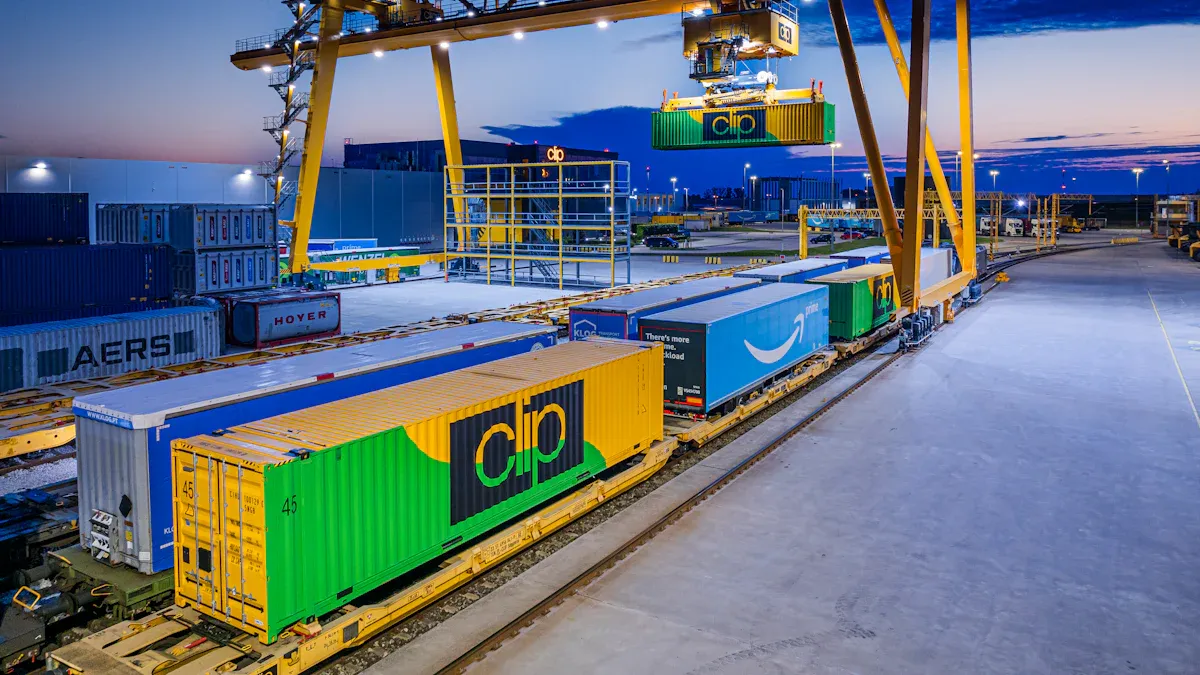
Ocean freight is the most popular way to ship goods. Ships move lots of freight across oceans. This method is very important for global trade. About 80% of all freight shipping uses ocean freight. You can send bulk items, machines, cars, and raw materials this way.
Disadvantages of Ocean Freight Shipping | |
|---|---|
Cost-Effective: Saves money for moving big loads across long distances. | Longer Transit Times: Takes weeks or even months, unsuitable for urgent deliveries. |
Great for Bulk and Large Items: Can carry huge amounts of items economically. | Weather-Dependent Delays: Storms can cause delays and affect reliability. |
Environmentally Friendly: Lower carbon footprint per unit compared to air freight. | Limited Suitability for Urgent Shipments: Not ideal for time-sensitive deliveries. |
Reliability: Consistent and dependable with fewer disruptions. | Handling of Perishable Goods: Difficult to keep items fresh during long transport. |
Versatility in Cargo Types: Can transport various types of cargo safely. | Port Congestion: Can lead to delays in loading or unloading. |
Global Reach: Can connect diverse markets worldwide. | Limited Accessibility to Inland Areas: May require additional transport modes. |
Reduced Risk of Theft or Damage: Enhanced security during transport. | Documentation and Regulatory Requirements: Complex paperwork can cause delays. |
You can learn more about ocean freight in our freight shipping guide.
Air Freight
Air freight moves goods fast over long distances. You use air freight for urgent or valuable shipments. Medicines, medical tools, and fresh foods often go by air. Electronics, jewelry, and art also travel by air for safety and speed.
Air Freight | Ocean Freight | |
|---|---|---|
Cost | High | Low |
Speed | Very fast (1–5 days) | Slow (2–8 weeks) |
Cargo Size | Limited | Large and heavy |
Reliability | High | Moderate |
Environmental Impact | Higher | Lower per unit |
Best For | Urgent, valuable goods | Bulk, non-urgent cargo |
Tip: Pick air freight if you need quick delivery or must protect fragile items.
Rail and Road Freight
Rail and road freight help move goods across continents. They also connect ports to places far away. Rail freight is cheaper for big shipments and cuts down pollution. Road freight is flexible and brings goods right to your door.
Category | Rail Freight | Road Freight |
|---|---|---|
Cost Efficiency | Cheaper for large shipments | More expensive for bulk shipments |
Energy Efficiency | 75% lower CO₂ emissions than road transport | Higher emissions |
Reliability | Greater predictability | Prone to traffic and weather delays |
Capacity | Can replace over 50 trucks in one journey | Limited capacity per vehicle |
Flexibility | Needs road transport for final delivery | Can reach door-to-door locations |
Infrastructure | Depends on rail networks | Operates in areas without rail infrastructure |
Speed on Short Routes | Slower due to loading times | Faster for short distances |
Restrictions | Not ideal for perishable or small shipments | Suitable for many types of goods |
Combination Needs | Often requires road for final delivery | Can deliver directly to customers |
You can read more about rail and road freight in our logistics overview.
Intermodal and Specialized Equipment
Intermodal shipping uses more than one shipping mode. It combines rail, road, and ocean with special containers. You save money on long trips, especially over 500 miles. Intermodal shipping uses less fuel and tracks shipments better.
Note: Intermodal shipping helps the environment by lowering pollution and traffic.
Special equipment helps ship special freight. Temperature-controlled containers keep food and medicine fresh. Heavy-duty trailers move big parts like airplane pieces and farm tools. Secure containers protect expensive electronics and art.
Pick the right equipment for your cargo. This keeps your goods safe and follows shipping rules.
Costs, Risks, and Challenges
Main Cost Factors
It is important to know what makes freight shipping expensive. Many things can change how much you pay. Here are the main reasons costs go up:
Fuel prices change a lot. This can make your shipping bill higher. If diesel costs more, shipping costs more too.
How far your freight travels matters. Longer trips cost more money.
The kind of cargo you ship is important. Heavy or big freight needs special care. This makes shipping more expensive.
The weight and size of your freight can limit choices. Bigger or heavier items cost more to ship.
Extra fees like congestion or paperwork charges add to your total cost.
Surcharge Type | Impact on Costs |
|---|---|
Fuel Surcharges | Helps with changing fuel prices. |
Congestion Fees | Raises costs when there are delays. |
Documentation Charges | Adds costs for handling paperwork. |
Emergency Cost Recovery Surcharges | Pays for surprise costs during shipping. |
Security Fees | Covers extra security for some shipments. |
Peak Season Surcharges | Costs go up when demand is high. |
Surcharges help shipping companies deal with changing costs. They do not change the basic price. Always look for these fees so you do not get surprised.
Common Risks
Freight shipping has risks you need to watch out for. Here are the most common ones:
Bad weather, traffic, or not enough space can cause delays.
Shipments can get lost or misplaced.
Wrong shipment details or missed deliveries can mean extra fees.
Freight insurance helps protect you from loss, theft, or damage. It covers risks that shipping companies do not. This gives you peace of mind for expensive freight.
Always check the risks for your freight. Make sure you have the right insurance. For more help, see our freight insurance guide.
Industry Challenges
Freight shipping faces many problems today. You should know about these to plan better:
Busy ports slow down ships and cause backlogs.
Not enough workers, like dockworkers or truck drivers, means delays.
New rules, like stricter customs checks, slow down shipping.
Not enough containers can mess up the supply chain.
Storms and bad weather can stop port work and delay freight.
More waiting at ports means more pollution.
Big events like COVID-19 have changed freight shipping. Lockdowns made backlogs and problems worse. Shipping rates dropped in early 2020, then went up fast when demand came back. These changes show how quickly things can change.
Knowing about these problems helps you make smart choices. You can keep your freight moving without trouble. For more tips, visit our logistics overview.
Preparing Freight and Future Trends
Preparing Goods for Shipping
You must get your freight ready before it leaves. Good prep stops damage, delays, and extra costs. First, learn the rules for each country. Every place has its own import and export laws. If you follow these rules, your freight moves through customs easily.
Use the right HS codes for your goods. This helps avoid customs problems and saves time. Check all your papers, like invoices and bills of lading. Even small mistakes can slow things down or cost you money.
Pack your freight the right way. Use pallets or crates to keep items safe and make loading simple. Spread the weight evenly in each container. This keeps your goods from getting damaged while moving. Strap or tie down your items so they do not shift.
Tip: Always put clear labels on your freight. Good labels help your shipment move through each step without trouble.
Think about getting shipping insurance. Insurance pays you if your cargo is lost or damaged. Plan your route and watch out for bad weather. Have a plan for emergencies in case something goes wrong. For more about documents and tips, see our freight shipping guide.
Innovations and Outlook
Freight shipping is changing quickly. New tech makes shipping safer, faster, and better. Companies use real-time tracking to watch shipments and spot problems early. Robots and smart data help warehouses work well. AI and IoT tools help manage inventory and plan routes.
Here is a table that shows new trends and what they do:
Trend | Impact on Freight Shipping |
|---|---|
Automation and Optimization | Makes work easier and faster |
Digital Platforms | Helps everyone talk and share info |
Predictive Analytics | Finds risks and helps fix them quickly |
Sustainability Efforts | Cuts down pollution from shipping |
Digital tools are changing freight shipping. Electronic papers and online customs make trade faster and more reliable. Using less paper also helps the planet by making less waste. Electric trucks and green tech lower pollution and meet new rules.
Note: As world trade grows, you will see more digital tools and green ideas in freight shipping. Learning about these trends helps your business stay strong and ready for the future. For more on trends, visit our logistics overview.
Freight plays a key role in connecting countries and driving economic growth. Recent studies show that over 80% of goods move by sea, and developing nations depend on freight for most of their exports and imports. You need to understand freight to keep your business strong and your supply chain ready for change.
Staying updated on freight trends helps you adapt to new technology and market shifts.
Watching freight data lets you plan for changes in supply and demand.
Learning about freight operations helps you cut costs and use resources wisely.
Keep learning about freight to stay competitive. For more on supply chain strategies, see our logistics overview.
FAQ
What is the difference between freight and cargo?
You use freight to describe goods moved for commercial reasons. Cargo often means goods carried by ships or planes. In global trade, you see freight used for large shipments. Learn more in our freight shipping guide.
How do you choose the best freight mode?
You should look at cost, speed, and type of goods. Ocean freight works for heavy items. Air freight fits urgent or valuable goods. Rail and road freight help with inland delivery. See our modes and equipment section for details.
Why is freight insurance important?
Freight insurance protects your goods from loss or damage during transport. You lower your risk and avoid big losses. Many businesses use insurance for peace of mind. Read more in our freight insurance guide.
What documents do you need for international freight?
You need a commercial invoice, bill of lading, packing list, and customs forms. These documents help move freight smoothly across borders. Missing papers can cause delays. Check our trade terms and documentation section for a full list.
How does freight impact global supply chains?
Freight connects suppliers, manufacturers, and buyers worldwide. You rely on freight to keep goods moving and supply chains strong. Efficient freight supports business growth and customer satisfaction. Learn more in our global trade overview.
See Also
Key Strategies for Effective Global Logistics Operations
Maximize Savings with Cross-Country FTL Shipping Solutions
PGL's Specialization in LTL and FTL Freight Services
Comprehensive Ocean Export Services from U.S. Ports
Simplified Cross-Border Freight Solutions for the West Coast
