How Regional Freight Services Work for Businesses in the USA

Regional freight services usa help your business reach important markets. They offer shipping you can trust. You save money, get faster delivery, and have choices that work for you. Regional carriers use shorter routes. This means you pay less and get better service. If you handle logistics for manufacturing, retail, or e-commerce, you gain these benefits. The table below shows what regional freight services usa give you:
Advantage | Description |
|---|---|
Cost-effectiveness | Lower transportation costs and established lanes for efficient shipping. |
Agility | Flexible solutions that adapt to changing shipping needs. |
Personalized routing | Local expertise leads to reliable and timely delivery. |
Better capacity | Predictable schedules help carriers retain drivers and ensure dependable shipping. |
Key Takeaways
Regional freight services help businesses spend less money. They also deliver goods faster by using short routes.
You can pick Full Truckload (FTL) for big shipments. You can pick Less-than-Truckload (LTL) for small loads. This helps you save money.
Knowing about costs like distance, weight, and extra fees helps you plan your shipping budget well.
Technology like Transportation Management Systems (TMS) makes tracking easier. It also helps people talk to each other. This makes customers happier.
Picking a good regional freight provider with wide coverage and lots of experience helps your business run smoothly.
What Are Regional Freight Services USA?
Definition and Scope
Regional freight services help move goods in one part of the country. Regional carriers work in areas like the Midwest or Northeast. They know local roads well, so shipping is fast and dependable. You can pick less-than-truckload shipping, short-haul deliveries, or final-mile services. These carriers often ship on the same day or the next day. You get steady transit times and fewer delays because they use simple routes.
Regional freight services are flexible and efficient. You can ship products quickly and often over short distances. This is great for businesses needing local logistics solutions.
Here is a table that shows the main features of regional freight services:
Characteristic/Advantage | Description |
|---|---|
Geographic Operation | Regional carriers work in certain areas like the Midwest or Northeast. |
Service Specialization | They focus on LTL shipping, short-haul deliveries, and final-mile services. |
Speed | You get faster pickup and delivery because routes are simple and less complicated. |
Role in Business Logistics
It is important to know the difference between regional, national, and local carriers. Regional carriers cover one area, like the Eastern USA. National carriers work in all 48 states. Local carriers deliver in a city or commercial zone.
Carrier Type | Operational Scope | Service Area | Fleet Size | Delivery Speed |
|---|---|---|---|---|
Local | 80-100 miles | Commercial zone of a city/region | Smaller | Last-mile delivery |
Regional | Specific geographic territory | e.g., Eastern USA | Larger | Next-day deliveries |
National | 48 states | Nationwide | Largest | Long transits (up to a week) |
Regional carriers are good for businesses needing reliable shipping in one region. You get affordable solutions and special services. These carriers know the area well, so they handle local weather, roads, and seasons. You can use regional freight for manufacturing, retail, e-commerce, and distribution. If you want low-cost shipping and custom options, regional carriers are a smart pick.
Regional Freight Types: FTL vs LTL
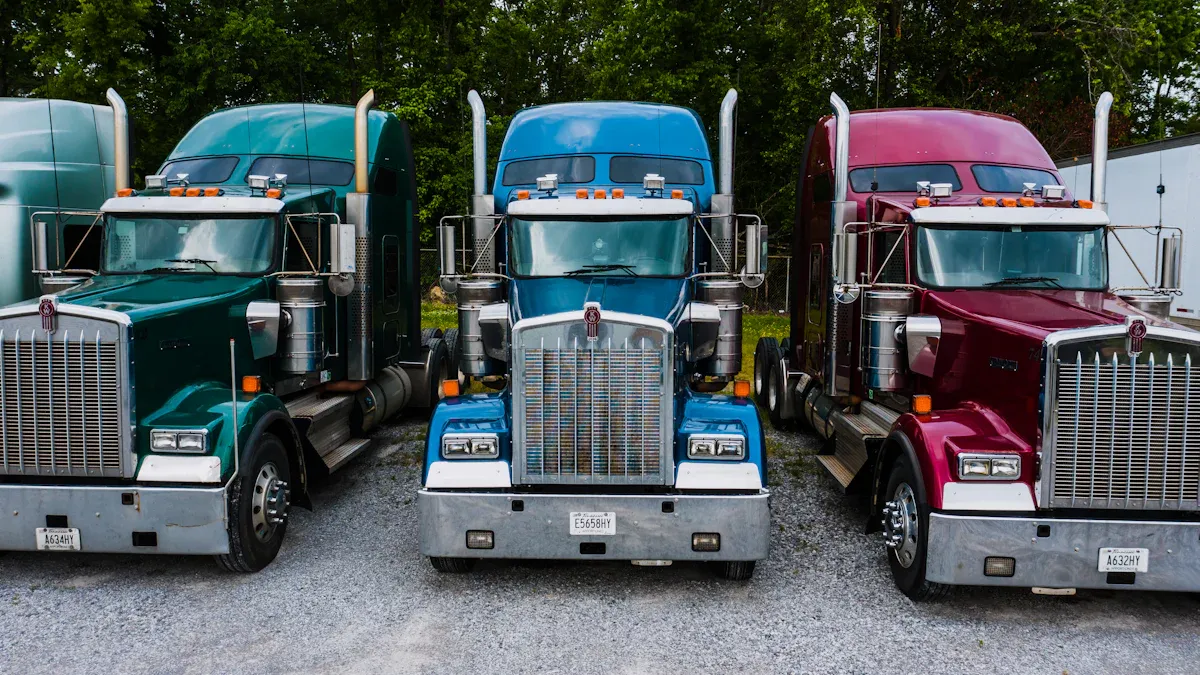
When you pick a regional freight service, you must choose between full truckload (FTL) and less-than-truckload (LTL) shipping. Each choice fits different business needs. Knowing the differences helps you save money, deliver faster, and keep your goods safe.
Full Truckload (FTL) Regional Freight
FTL means your shipment takes up the whole truck. You use FTL when you have lots of freight or need special care. FTL gives you direct service from pickup to delivery. Your goods do not stop or get moved, so they stay safe and arrive quickly.
Here is a table showing the main features of FTL regional freight:
Characteristic | Description |
|---|---|
FTL uses direct routes, so shipments arrive sooner. | |
Reduced Risk of Damage | No mixing with other loads, so goods are safer. |
Greater Control Over Scheduling | Shippers can set pickup and delivery times. |
Ideal for Large Shipments | FTL works best for big shipments and helps logistics. |
Time-Sensitive Deliveries | FTL is good for urgent deliveries that need quick handling. |
Special Handling Requirements | FTL can move goods needing special care during transport. |
FTL gives you speed and efficiency for big shipments. It saves money when you ship lots of goods. Your freight stays separate from other loads. This option is great for urgent deliveries and items needing special care.
Regional LTL Freight Explained
Regional LTL freight is best when your shipment does not fill a whole truck. You share space with other shippers. This method saves money if you have smaller loads. An ltl freight company combines shipments from different businesses, so you only pay for the space you use.
You can see the main differences between LTL and FTL in this table:
Aspect | LTL (Less-than-Truckload) | FTL (Full Truckload) |
|---|---|---|
Cost | Cheaper for small shipments, sharing truck space. | Higher cost since you pay for the whole truck. |
Delivery Times | Slower, as trucks make many stops. | Faster, with direct delivery from pickup to drop-off. |
Handling | More handling, so goods may get damaged. | Less handling, so goods are safer. |
LTL works well for small businesses. You can ship as little as one pallet. An ltl freight company picks up your goods and combines them with others. This process takes longer because the truck makes several stops. More handling means a higher risk of damage, but you save money on shipping.
Choosing Between FTL and LTL
You need to look at shipment size, cost, and speed when you choose between FTL and LTL. Here is a table to help you compare:
Factor | LTL Shipping | FTL Shipping |
|---|---|---|
Best For | Shipments under 5,000 lbs | Shipments over 20,000 lbs |
Cost per Pound | Higher ($5/lb for < 5,000 lbs) | Lower ($1/lb for > 20,000 lbs) |
Slower due to many stops | ||
Handling Needs | More frequent handling | Minimal handling needed |
Space Required | Partial trailer | Full trailer |
Time Sensitivity | Flexible timeline | Urgent delivery |
Destination Type | Multiple locations | Single destination |
Tip: If your shipment is over 10 pallets or weighs more than 10,000 pounds, FTL is usually the better choice. For smaller shipments, regional ltl freight offers savings and flexibility.
You should also think about these points:
FTL gives you steady costs and control over timing.
LTL saves money for small shipments, but prices can change.
FTL has less handling and lower risk, while LTL has more loading and unloading.
An ltl freight company often includes terminal handling in the base rate, but FTL may charge extra for special services.
When you work with a trusted ltl freight company, you get help picking the right option. You can ask about shipment size, speed, and cost. This way, you make the best choice for your business and keep your supply chain running well.
Coverage Areas and Major Routes
Key U.S. Regions and Cities
It is important to know where regional carriers work. This helps you plan your shipping better. Regional carriers serve certain parts of the country. They help you reach big cities and main distribution centers. Here are some important regions and cities they cover:
Northeast: New York City, Boston, Philadelphia
Midwest: Chicago, Columbus, Twin Cities (Minneapolis-St. Paul)
Southeast: Atlanta, Charlotte, Miami
Southwest: Dallas, Houston, Phoenix
West Coast: Los Angeles, San Francisco, Seattle
Regional carriers often use Minneapolis-St. Paul International Airport as a main hub for the Twin Cities. This airport links Minnesota, Wisconsin, North Dakota, and South Dakota. Chicago is a big center for freight. About 25% of all freight trains and half of intermodal trains go through Chicago. Columbus is also a key place for logistics in the Midwest. Its central spot and good roads and railways make it great for regional carriers.
Regional carriers know the area well. This helps them ship faster and more reliably. You can reach more customers in your chosen region.
Major Highways and Distribution Hubs
You need to know which highways and hubs regional carriers use. These routes help move goods quickly and safely. Here is a table with major interstate highways used by regional carriers:
Major Interstate Highways | Description |
|---|---|
IH 20 | Crosses through North Texas |
IH 30 | Connects various regions in Texas |
IH 35 | Major north-south route in Texas |
IH 45 | Connects Houston to Dallas |
Regional carriers also use highways like I-80 and I-90. These roads go through Illinois, Indiana, Ohio, Michigan, Pennsylvania, New York, and New Jersey. You can use these highways to reach big cities and main distribution centers. Class I railroads have over 500 miles of track in the Twin Cities. This network links you to national markets and helps with cross-country shipping.
Picking regional carriers with good coverage and access to big highways helps your supply chain. Your shipping gets faster and more reliable.
Cost Factors in Regional Freight
Knowing what makes regional freight cost more helps you plan. Regional carriers use different things to set their prices. If you learn about these things, you can guess your shipping costs better.
Distance and Weight
Distance and weight matter a lot for freight costs. Regional carriers use zone-based pricing. If your shipment goes farther, you pay more. Heavier shipments also cost more, no matter if you use ltl or full truckload.
Distance (miles) | |
|---|---|
25 | $6.07 |
200 | $3.91 |
Longer trips cost more because they use more fuel and labor. Heavier loads also raise the price. Regional carriers check both actual and dimensional weight to set prices.
Freight Class and Surcharges
Freight class changes your shipping rates. Carriers group shipments by density, handling, and liability. Higher freight class numbers mean you pay more. If your shipment needs special care or is big, it costs extra.
You might see surcharges for some situations:
Deliveries to far or busy places cost more.
Urban areas usually have lower rates because roads are good.
Surcharges happen for things like liftgate delivery or timed drop-offs.
Regional carriers add these fees for extra work or risk.
Accessorial Fees and Other Drivers
Accessorial fees are extra charges for special services. These fees can add up fast if you do not plan ahead. Here are some common fees you might see:
Charge Type | Description |
|---|---|
Fuel Surcharge (FSC) | Changes when diesel prices go up or down. |
Detention | Charged if loading or unloading takes too long. |
Lumper | Fee for hiring help to unload freight. |
Layover | Charged if a driver must wait overnight. |
Refrigerated | Extra cost for temperature-controlled shipping. |
Other fees include address changes, home delivery, and big package surcharges. Regional carriers may charge for scheduled pickups or redelivery if the first try fails.
Tip: Ask your regional carriers for a list of accessorial fees before you book. This helps you avoid surprises and control your shipping costs.
When you know these cost factors, you can compare ltl and other choices, plan your shipments, and work with regional carriers to get the best deal.
Technology and Tracking in Regional Freight

Modern technology helps you control your freight better. You can use special tools to track shipments and manage logistics. These tools also help you talk to others easily. They let you make smart choices and keep customers happy.
TMS and Real-Time Tracking
Transportation Management Systems (TMS) make shipping easier to see and understand. You can check where your freight is anytime. Automated alerts tell you when deliveries will arrive. TMS uses real-time traffic to guess arrival times. This helps you plan and avoid surprises.
Real-time tracking lets you follow shipments easily.
Automated alerts help you talk to customers.
Accurate arrival times make planning easier.
Clear updates make customers feel good.
You can work better with supply chain partners.
Here is a table showing real-time tracking benefits:
Benefit | Description |
|---|---|
Enhanced Visibility | Clear updates build trust and help communication. |
Proactive Problem-Solving | Quick fixes for delays stop big problems. |
Better Supply Chain Efficiency | Good scheduling and planning make operations smoother. |
Improved Security | Watching shipments all the time lowers theft and damage. |
Increased Customer Satisfaction | Accurate updates make customers less worried and help your business look good. |
EDI/API Integration
Electronic Data Interchange (EDI) and Application Programming Interfaces (API) make freight work faster. You can automate jobs and do less manual work. APIs fit your business and connect to your systems. Dashboards show what is happening and help you follow rules.
Advantage | Description |
|---|---|
Dashboards show what is happening and help you follow rules. | |
Automation of processes | Less manual work makes things faster. |
Flexibility | APIs can change to fit your business needs. |
Easy integration | APIs connect to your systems and update as needed. |
Enhanced communication | Two-way updates help everyone work together. |
Reporting and Visibility
Reporting tools give you important information about your logistics. You can fix problems before they get big. Central communication keeps everyone updated. Predictive arrival times help you plan and make customers happy. Better teamwork makes everything run smoother.
Feature | Description |
|---|---|
Proactive management of exceptions | Fix issues early for better efficiency. |
Centralized communications | Share updates quickly with everyone involved. |
Accurate arrival times help planning and make customers happy. | |
Enhanced coordination | Working together makes logistics smoother. |
Technology helps every step of your regional freight process. Tracking, automation, and reporting help you deliver on time and keep customers happy.
How to Choose a Regional Freight Provider
Picking the right regional freight provider helps your business work well. You should check what services they offer and if they are reliable. Look at their network and how they work with your other partners. Here is a simple guide to help you choose the best provider.
Service Capabilities and Reliability
You want a provider that always meets your needs. First, see if they are easy to work with. Look for quick replies and clear answers. Make sure they have many services, like ltl and full truckload. Ask if they can handle your goods and keep prices low.
Here is a table that lists what to check for service and reliability:
Criteria | Description |
|---|---|
Operations convenience | Easy to use and quick to help customers. |
Integrated service | Offers many types of shipping services. |
Transportation ability | Can move goods safely and on time. |
Price | Services are not too expensive. |
You should also think about these things:
Service price
On-time delivery
Fast replies
Good service
Trustworthy
Enough space
Can change plans
Good trucks and tools
Strong IT systems
Shares info well
Good money health
Good name
Right location
Good with customers
Handles risks
Extra helpful services
Tip: Ask the provider about how often they deliver on time. Find out how they handle urgent ltl shipments. Good providers use new technology to track and share updates.
Network Coverage and Industry Experience
Network coverage shows how fast your goods get to customers. Pick a provider with strong coverage in your area. Check if they go to big cities and main hubs. Wide coverage helps you reach more people and avoid late shipments.
Experience is important too. Providers with more years know how to move all kinds of freight, even ltl. They often ship faster and offer special help. Ask how long they have been in business and what types of companies they serve.
Here is a table that shows how coverage and experience help:
Evidence Type | Description |
|---|---|
Network Coverage | Regional carriers need to cover more areas to keep up with national carriers. |
Industry Experience | Experienced carriers ship faster and offer special services, making customers happy. |
Technology Integration | Carriers using new technology work better and give better service. |
Note: Pick a provider with wide coverage and lots of experience. This gives you good ltl shipping and better service.
Integrating with 3PL and Logistics Partners
You might work with 3PLs or other partners. Your freight provider should fit well with your team. Ask if they use EDI or API. This helps you track ltl shipments and share info easily.
See if they have reporting tools and real-time tracking. These tools help you manage your supply chain and keep customers updated. Good teamwork means fewer mistakes and faster shipping.
Ask these questions:
Can you link your system to theirs for easy tracking?
Do they give real-time updates for ltl shipments?
How do they fix problems or delays?
What reports do they offer?
Can they work with your 3PL partners?
Tip: Pick a provider that uses technology and works well with your partners. This makes your shipping smoother and faster.
If you follow these steps, you can find a provider that fits your needs. Look for strong services, good performance, wide coverage, and easy teamwork. Ask questions and compare choices to pick the best one for your business.
Industries That Benefit from Regional Freight
Regional freight services help many industries in the USA. These services make supply chains better. They help businesses save money and reach customers faster. Here are some main industries that use regional freight.
Manufacturing and Distribution
Manufacturing and distribution companies use regional freight to work better. You get more control when you use local logistics. Shorter routes help you move goods quickly and safely. You do not have to worry about delays at borders. You can respond fast to changes or special orders. Local partners help you keep the right amount of stock. You can plan warehouse space and delivery routes to make customers happy.
Regional logistics lower supply chain risks.
Short routes make shipping faster and more reliable.
Local partners help with inventory.
Flexible transport fits different types of freight.
Regional warehouses speed up delivery and cut costs.
Being close to factories helps logistics.
Good teamwork keeps operations running smoothly.
Retail, E-commerce, and Food
Retail stores, online shops, and food companies use regional freight. You can handle lots of shipments, especially during busy times. Good freight solutions help move inventory and support last-mile delivery. Food companies need fast shipping to keep goods fresh. More people shop online, so fast and reliable shipping is important. You can meet customer needs and keep products safe.
Good freight helps e-commerce grow.
Retailers ship more during busy seasons.
Food companies keep perishables fresh.
Note: Regional freight lets you deliver products quickly and safely. This makes customers happier.
Industrial and Specialized Freight
Industrial and special freight needs special trucks and logistics. You can ship raw materials, big machines, large parts, and finished goods safely. Special fleets give you the right trucks and equipment. Trained drivers and custom routes lower risks and help complex supply chains. You get deliveries on time and less damage.
Evidence | Description |
|---|---|
Dedicated Transportation | Industrial trucking handles tough freight safely. |
Guaranteed Capacity | Special fleets have steady drivers and equipment. |
Tailored Logistics | Custom routes and trained drivers help with fast delivery. |
Load One has the right trailers and support for tough freight. They make sure deliveries are on time and safe.
Regional freight services change to fit your industry. This makes your supply chain work better and more reliably.
You can make your shipping better by doing these things:
Look at how fast and reliable the service is.
Think about the price and help you get.
Try a test run with the carrier you pick.
Learn about freight classes and use strong packaging.
Plan early and use technology to help.
Picking the right freight type and company makes deliveries faster and customers happier.
Aspect | Delivery Speed | Customer Satisfaction |
|---|---|---|
Regional Carrier | Fast | High |
Ask for a regional freight quote or talk to logistics experts. You will get better shipping and happier customers.
FAQ
What is the difference between regional and national freight carriers?
Regional carriers work in certain parts of the country. National carriers ship everywhere in the USA. Regional carriers deliver faster and cost less if you ship in one area.
How do I choose between FTL and LTL for my shipment?
Pick FTL for big shipments or when you need speed. LTL is good for smaller loads. Look at your shipment size, delivery time, and budget to choose.
Can I track my regional freight shipment in real time?
Yes, you can use Transportation Management Systems (TMS) to track shipments. You get updates and know when your shipment will arrive. Real-time tracking helps you plan and keeps customers updated.
What cost factors should I consider for regional freight?
Check the distance, weight, freight class, and extra fees. Fuel surcharges and special services change the price. Ask your carrier for a full quote before you book.
Which industries benefit most from regional freight services?
Manufacturing, retail, e-commerce, and food companies use regional freight the most. You get quick delivery, lower costs, and flexible shipping. Regional freight helps you reach customers fast and manage your inventory.
See Also
Simplifying Cross-Border Freight Solutions on the West Coast
Streamlined Trucking Solutions Available Across the West Coast
Versatile Trucking Options Enhance West Coast Freight Services
Reliable Trucking Services Across California and Surrounding States
