Importing Goods by Air: How to Optimize Pallet Configuration for International Air Freight

Importing goods by air offers speed, but air cargo capacity is limited and expensive compared with many other transportation methods.
For importers, pallet configuration therefore deserves careful attention.
A poorly configured pallet can waste valuable aircraft space, increase dimensional weight, complicate handling, and create unnecessary risk of damage.
An optimized configuration uses available space efficiently while maintaining cargo stability, applicable weight limits, and handling requirements.
This guide explains how importers can optimize pallet configuration for international air freight.
Why Pallet Configuration Matters in Air Imports
Air freight pricing and capacity are strongly influenced by shipment dimensions and weight.
An inefficient pallet can create several problems:
· Excessive volume
· Poor space utilization
· Higher dimensional weight
· Difficult handling
· Increased damage risk
· Repacking requirements
The objective is therefore not simply to fit as many cartons as possible onto a pallet.
The objective is to create an efficient and compliant cargo unit.
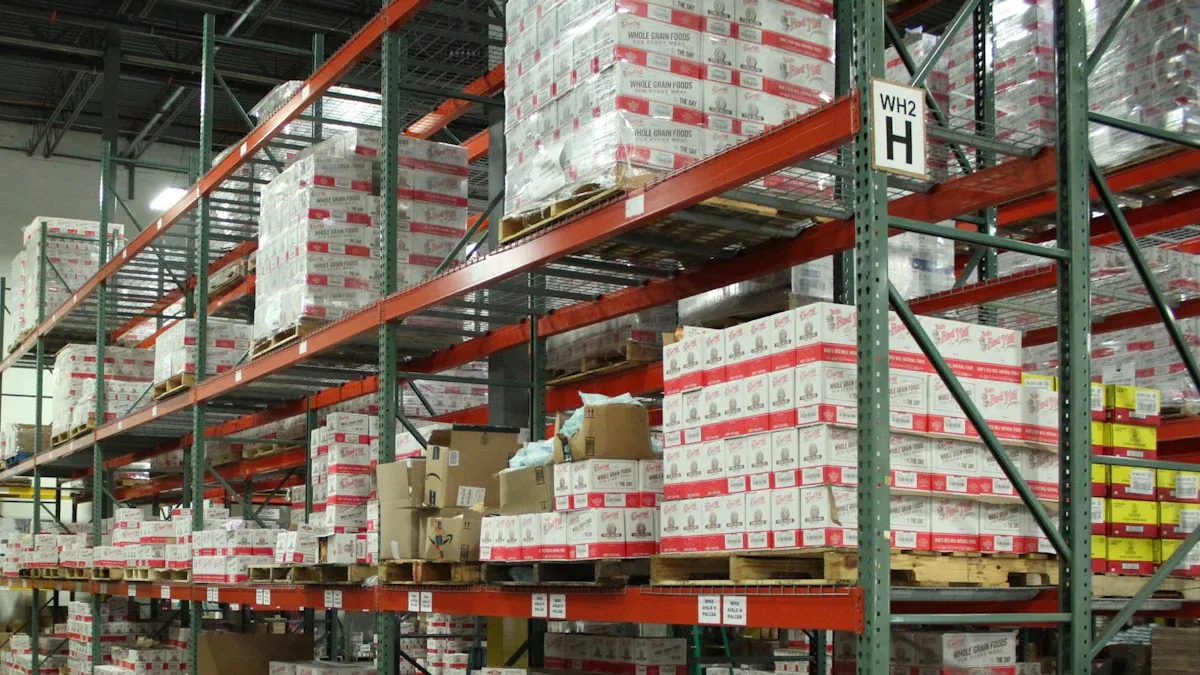
Step 1: Understand the Cargo
Before designing a pallet, identify:
· Product dimensions
· Product weight
· Carton dimensions
· Carton strength
· Stackability
· Fragility
· Temperature sensitivity
· Handling restrictions
Different products require different configurations.
Step 2: Measure Cartons Accurately
Small dimensional errors can multiply across a large shipment.
Measure:
· Length
· Width
· Height
· Gross weight
· Number of cartons
Use consistent units throughout the planning process.
Step 3: Determine the Applicable Pallet Size
The pallet must be compatible with the intended air transportation system.
Important considerations include:
· Pallet dimensions
· Maximum height
· Weight capacity
· Aircraft compatibility
· Handling equipment
Do not design the cargo configuration first and try to find a pallet afterward.
Step 4: Optimize Carton Orientation
Carton orientation can significantly affect space utilization.
Try different arrangements to reduce unused gaps.
For example, rotating cartons may allow more units to fit within the pallet footprint.
However, orientation must also respect:
· Product fragility
· Packaging strength
· Label visibility
· Stackability
· Handling instructions
Maximum density is not always the correct objective.
Step 5: Manage Pallet Height
Height is often one of the most important constraints.
An arrangement that fits perfectly on the floor may become unusable if the stacked cargo exceeds the permitted contour.
Plan vertically from the beginning.
Step 6: Consider Weight Distribution
Heavy cartons should be positioned carefully.
The load should remain balanced and within applicable pallet and aircraft limitations.
Avoid placing concentrated weight in locations where it could create excessive loading.
Step 7: Reduce Empty Space
Unused space increases volume without increasing cargo value.
Possible improvements include:
· Better carton orientation
· More efficient carton sizes
· Reduced packaging void
· Improved layer patterns
· Appropriate pallet selection
However, packaging should never be reduced to the point where cargo protection suffers.
Step 8: Protect the Cargo
Imported goods may experience multiple handling stages.
A pallet configuration should account for:
· Warehouse handling
· Terminal movement
· Aircraft loading
· Unloading
· Customs inspection
· Final delivery
Use appropriate wrapping, nets, corner protection, and other securing methods.
Pallet Configuration and Chargeable Weight
Air freight commonly uses a chargeable-weight concept.
The applicable charge may depend on the greater of actual weight and dimensional weight under the relevant pricing rules.
This means a lightweight shipment occupying substantial volume can be expensive.
Improving pallet density can therefore reduce transportation cost when it lowers the chargeable volume.
Example of Configuration Optimization
Suppose an importer has several hundred cartons.
The first configuration may use:
· Large unused gaps
· Excessive pallet height
· Uneven weight distribution
A revised configuration might:
· Rotate carton orientation
· Standardize layer patterns
· Place heavier cartons lower
· Reduce unused vertical space
· Improve load stability
The result can be a more compact and easier-to-handle shipment.
Documentation for Imported Pallets
Palletized shipments may need consistent information across:
· Commercial invoice
· Packing list
· Air Waybill
· Cargo receipt
· Import documentation
Package counts and weights should be reconciled before departure.
Common Pallet Configuration Mistakes
Optimizing Only for Volume
A dense pallet is not automatically a good pallet.
Ignoring Weight Distribution
Concentrated loads can create operational problems.
Exceeding Height Limits
This can require repacking or prevent acceptance.
Using Weak Packaging
Efficient stacking is useless if cartons collapse.
Changing Configuration Without Updating Documents
Physical and documentary information should remain consistent.
Frequently Asked Questions
Why is pallet configuration important for air imports?
It can affect capacity utilization, chargeable weight, handling efficiency, and cargo safety.
How can I reduce air freight costs through palletization?
Improve carton arrangement, reduce unnecessary volume, optimize pallet dimensions, and minimize unused space while maintaining proper cargo protection.
Should heavier cartons go at the bottom?
Generally, heavier and structurally stronger packages are often positioned lower when appropriate, but the exact configuration depends on the cargo and handling requirements.
Can palletization reduce dimensional weight?
If better configuration reduces overall shipment volume, it can potentially reduce the dimensional component of chargeable weight.
Conclusion
Optimizing pallet configuration is an important part of international air freight planning.
Importers should consider cargo dimensions, weight, pallet compatibility, height, load distribution, packaging strength, and chargeable weight together.
The most effective configuration is not simply the one that fits the most cartons. It is the one that uses space efficiently while keeping cargo stable, protected, compliant, and practical to handle.
Good pallet planning can improve both transportation efficiency and cost control.
See Also
Optimizing East Coast Import Storage And Delivery Solutions
PGL Offers Quick Miami Warehouse Solutions For East Coast
Understanding PGL's East Coast B2B Warehousing And Distribution
Streamlined Inventory Management And Distribution By PGL
PGL Provides Multi-Channel Fulfillment Services From West Coast

