What Is an Industrial Logistics Operations Hub and How Does It Work
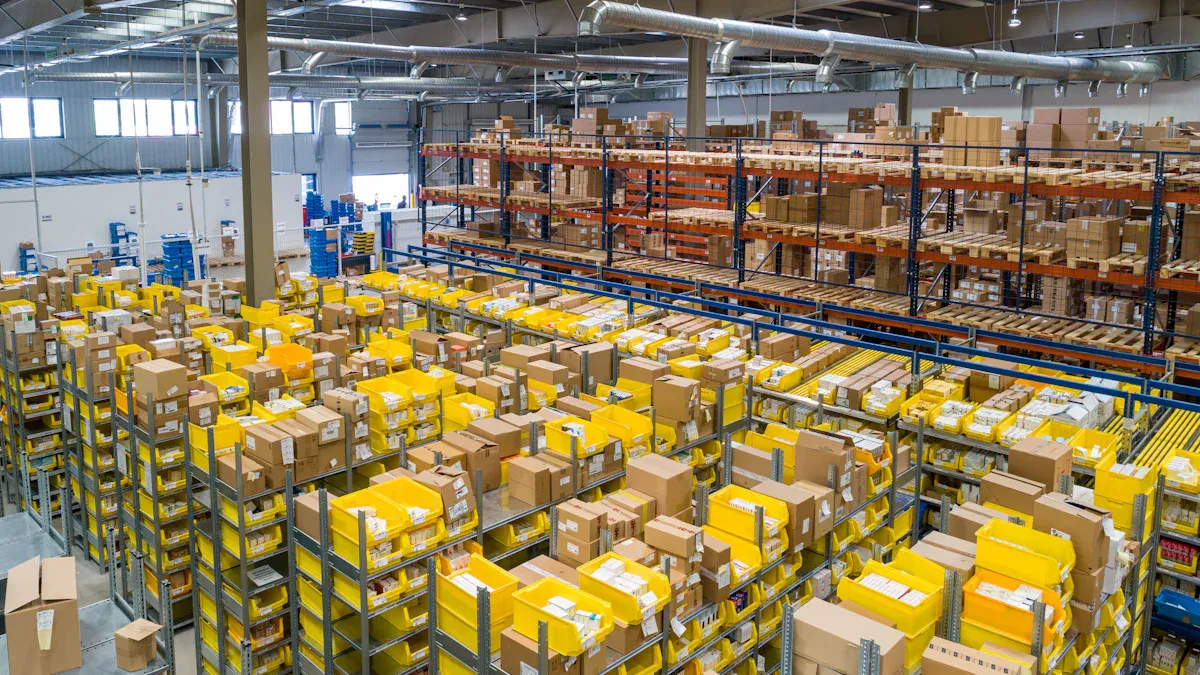
You encounter the industrial logistics operations hub at the heart of modern supply chains. This hub acts as a strategic center, where you see goods arrive, get sorted, and move out again. Companies rely on this hub to streamline operations and maintain control over shipments. Recent studies show that centralized hubs boost efficiency, lower costs, and make deliveries faster.
Benefit | Description |
|---|---|
Efficiency in operations | Centralized operations lead to better control, reducing failures and bottlenecks. |
Reduction of costs | Consolidation of loads minimizes journeys and optimizes resource use, lowering operational costs. |
Agility in deliveries | Quick redirection of goods to final destinations reduces warehouse time and speeds up order fulfillment. |
Key Takeaways
An industrial logistics operations hub centralizes the movement of goods, improving efficiency and reducing costs.
Using technology like automated systems and real-time tracking enhances accuracy and speeds up operations.
Strategic location near transport routes and suppliers lowers shipping costs and improves delivery times.
Collaboration with partners and effective inventory management boosts supply chain agility and responsiveness.
Implementing continuous improvement practices helps adapt to market changes and optimize hub performance.
Industrial Logistics Operations Hub Overview
Definition and Core Role
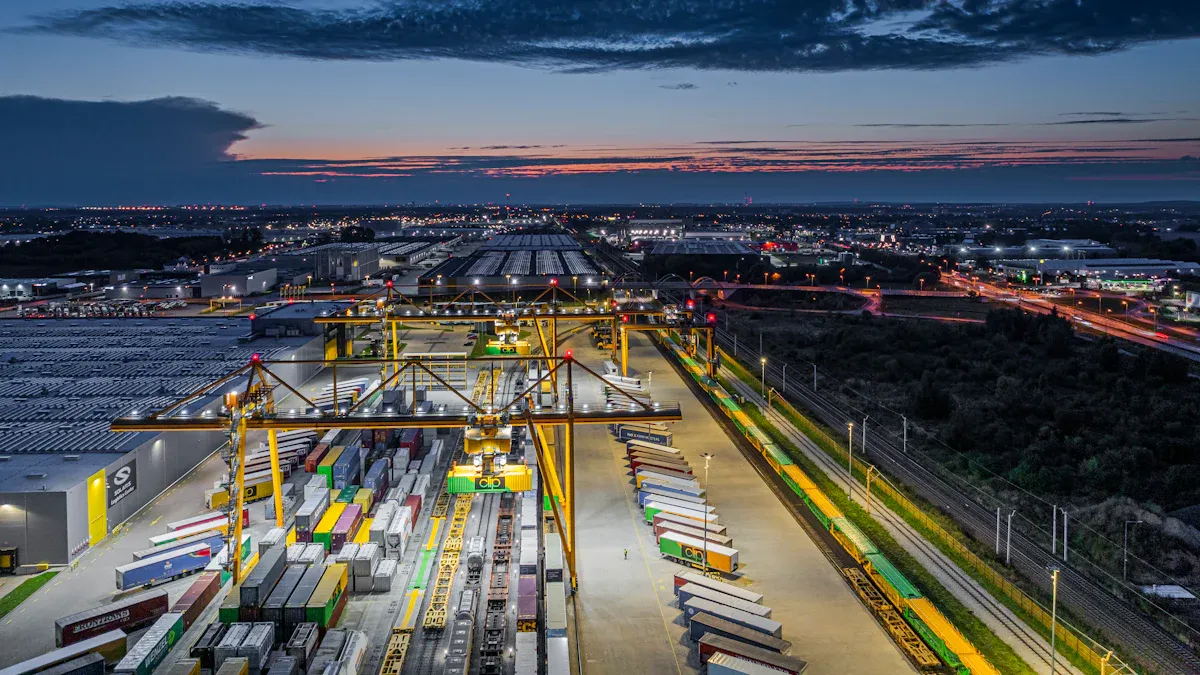
You find that an industrial logistics operations hub acts as the main center for moving goods through the supply chain. This hub connects suppliers, manufacturers, distributors, and retailers. It handles many tasks, such as receiving shipments, storing products, and sending orders to their next destination. The hub stands out from other logistics facilities because it brings together all the steps needed to move goods efficiently. You see the hub focus on organizing inbound shipments, managing storage, processing orders, and sending products out. This centralization helps you lower transportation costs, shorten delivery times, and keep better control of inventory.
Tip: When you use a hub, you can track shipments more easily and respond faster to changes in demand.
Strategic Importance in Supply Chain
You rely on an industrial logistics operations hub to keep your supply chain strong and flexible. The hub helps you connect with other companies and move goods smoothly between different partners. It supports key functions, such as consolidating shipments, picking orders, clearing customs, and transferring cargo. These features let you adapt quickly when market needs change.
Here is a table that shows how the hub supports your business:
Function | Description |
|---|---|
Receiving goods | Central point for receiving products from various suppliers. |
Sorting and storage | Organizing goods for efficient storage and retrieval. |
Order preparation | Preparing orders for dispatch to retailers. |
Shipping to final destination | Ensuring timely delivery of goods to their final locations. |
Monitoring and traceability | Tracking shipments to maintain visibility throughout the supply chain. |
You benefit from improved efficiency, faster delivery times, and better sustainability. The hub allows you to use different transport modes, such as trucks, trains, or planes, which helps you save money and reduce your environmental impact. By concentrating logistics flows, you also gain economies of scale, making each shipment more cost-effective.
How It Works
Receiving and Sorting Goods
You begin your journey at an industrial logistics operations hub by receiving goods from suppliers and manufacturers. The process starts with pre-receiving preparation, where you gather information about incoming shipments. When goods arrive, you unload them with safety checks to prevent accidents and keep everything organized. You verify each item to maintain inventory accuracy.
Scheduled unloading prevents bottlenecks.
Staging and sorting keep the hub organized.
Verification and quality control ensure accuracy.
You rely on technology to make these steps faster and more reliable. Sorting robots move items to the right locations, while automated conveyor belts transport goods smoothly. Robotic sorters handle fragile products with care. Vision systems use cameras and artificial intelligence to identify items quickly. Smart control systems manage the flow of goods and help you adjust to changes in demand.
Technology | Description | Use Case |
|---|---|---|
Sorting Robots | Mobile 3D robots improve space efficiency and sorting accuracy. | Small to mid-sized operations. |
Automated Conveyor Belts | Move items smoothly and detect dimensions and weight. | High-volume warehouses. |
Robotic Sorters | Handle items with precision, ideal for fragile goods. | Diverse item types. |
Vision Systems | Use cameras and AI for item identification and sorting. | Fast processing of large inventories. |
Smart Control Systems | Manage item flow and optimize resource allocation. | Warehouses with seasonal demand changes. |
Tip: Use a robust Warehouse Management System (WMS) to track goods in real time and reduce errors.
Storage and Consolidation
After sorting, you store goods in the hub until they are ready for the next step. You optimize warehouse layouts by placing frequently picked items near picking zones. You use vertical space by installing tall racks, which increases capacity without expanding the building. Cross-docking lets you transfer products directly from receiving to shipping, reducing congestion and saving time.
Strategy | Description |
|---|---|
Optimize Warehouse Layouts | Keep popular items close to picking zones for faster access. |
Utilize Vertical Space | Install taller racks to maximize storage. |
Implement Cross-Docking | Move products directly from receiving to shipping, reducing storage time. |
Invest in WMS | Track inventory movement in real time for better visibility. |
Consolidate Warehouse Locations | Merge warehouses to maximize storage and minimize redundancy. |
Develop Slotting Strategies | Organize inventory based on demand for efficient picking. |
Conduct Regular Inventory Audits | Find and fix storage problems to use space better. |
Leverage Demand Forecasting | Keep inventory levels optimal for efficient space use. |
Use AS/RS | Automated systems reclaim vertical space and boost storage density. |
Modern industrial logistics operations hubs often cover 180,000 to 200,000 square feet. You see rectangular layouts about 200 feet wide and 500 feet long. Clear heights range from 24 to 36 feet, which helps you use vertical space for more storage.
Faster flow of goods through the supply chain
Reduced handling and storage times
Improved inventory turnover rates
Quicker deliveries for customers
Redistribution and Transport Modes
You prepare goods for redistribution once orders are ready. The hub simplifies shipping by providing a single point for all shipments. You optimize route planning and delivery, which makes sorting and dispatching more efficient. You lower costs by reducing labor and overhead.
Consolidate shipments at the hub.
Plan routes for efficient delivery.
Dispatch goods to final destinations.
You use multimodal transport to move goods. This means you combine rail, road, sea, and air under one plan. You select the best mode based on the type of goods and delivery needs. You execute a single contract for the whole journey, which makes logistics easier. You ensure seamless handoffs between carriers and track shipments until they reach their destination.
Centralized logistics activity optimizes transportation flows and reduces costs.
Shipments move quickly to regional warehouses or other hubs.
Lower logistics costs come from reduced inventory management and transportation expenses.
Effective planning of routes improves productivity.
Shipping processes become simpler when you dispatch all loads from one facility.
Cross-docking helps you transfer goods directly from inbound to outbound carriers. This method minimizes storage time and speeds up delivery.
Note: Multi-modal transport at an industrial logistics operations hub boosts cost savings and delivery speed by coordinating different transportation methods under one operation.
Key Features and Infrastructure
Centralized Facilities
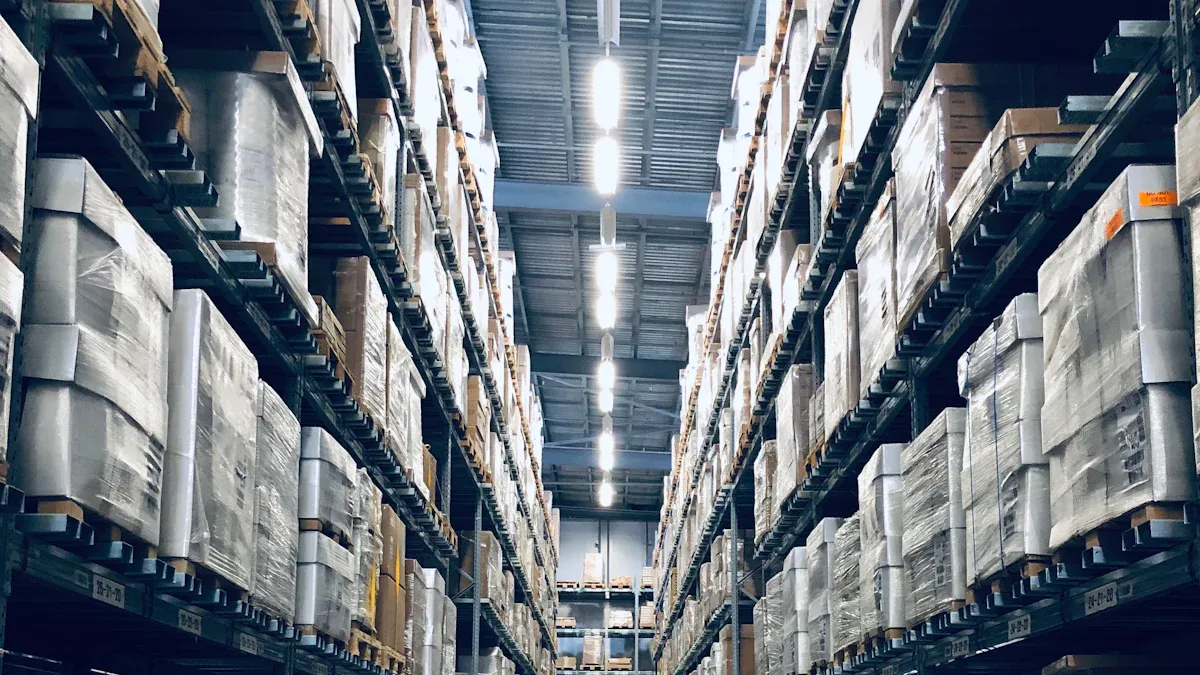
You see that centralized facilities form the backbone of an industrial logistics operations hub. These facilities bring together storage, sorting, and shipping under one roof. This setup helps you streamline processes and boost productivity. You use fewer resources and avoid waste. You manage inventory better and reduce costs. Centralized hubs also let you respond quickly to changes in demand.
Evidence Type | Description |
|---|---|
Centralized logistics streamline processes, reducing operational overheads and enhancing productivity. | |
Optimized Resource Utilization | Efficient operations minimize waste and redundancies, ensuring effective use of resources. |
Improved Inventory Management | Effective practices lead to minimized carrying costs and optimized inventory investment. |
Faster Turnaround Times | Streamlined operations enable quicker order fulfillment and reduced lead times. |
Enhanced Supply Chain Agility | Efficient operations allow for swift responses to market dynamics and customer demand fluctuations. |
Centralized logistics achieve cost efficiencies through bulk purchasing.
You reduce operational costs by streamlining maintenance and staffing.
Sophisticated tracking systems give you real-time information for better decisions.
Technology and Management Systems
You rely on advanced technology to keep operations accurate and fast. Automated systems and robotics help you reduce errors and speed up tasks. Drones deliver packages quickly over short distances. Self-driving trucks move goods safely for long trips. GPS devices let you track shipments in real time. AI algorithms help you plan routes and save fuel.
You need strong infrastructure to support these technologies. Here are the essential components:
Warehouse Management System & Transportation Management System (WMS/TMS)
Printing and scanning equipment
Server and desktop infrastructure
Reliable network and internet
Wireless coverage throughout the warehouse
Backups and disaster recovery plans
You choose from different types of warehouse management systems. Some work alone, while others connect with supply chain tools. Cloud-based systems offer flexibility and easy access. Integrated systems give you a complete view of your supply chain.
Type of WMS | Description | Advantages | Disadvantages |
|---|---|---|---|
Standalone WMS | Specialized software for managing warehouse operations independently. | High customization, optimized for warehouse efficiency. | Lack of integration with other systems, potential data silos. |
Cloud-Based WMS | Hosted on remote servers, accessible via the internet. | Scalability, flexibility, lower initial costs. | Dependence on internet access, ongoing subscription fees. |
Integrated WMS (ERP) | Part of a comprehensive suite for supply chain management. | Seamless integration, holistic view of supply chain. | Complexity in implementation, potential higher costs. |
Industry-Specific WMS | Tailored to meet unique industry requirements. | Incorporates best practices and compliance standards. | May lack flexibility for other industries. |
Supply Chain Execution (SCE) | Part of a larger suite for end-to-end supply chain management. | Provides holistic visibility and coordination across supply chain. | Can be complex and costly to implement. |
Tip: Use big data analytics to improve decisions and boost efficiency in your hub.
Integration with Partners
You work closely with supply chain partners to keep operations smooth. Collaboration with suppliers, distributors, and stakeholders is key. You combine logistics functions into one system to save time and money. You harmonize data and synchronize information in real time. Advanced analytics help you spot problems and improve performance.
Cloud-based platforms let you share data instantly across locations.
IoT devices like smart sensors and RFID tags give you real-time visibility of goods.
AI tools analyze data to predict disruptions and keep shipments on track.
Key Element | Description |
|---|---|
Data Sharing Platform | A decentralized federated data sharing platform for secure data exchange among logistics partners. |
Collaboration | Unites shippers, transportation providers, and software providers to enhance data sharing. |
Expected Outcomes | Improved decision-making, reduced congestion, and enhanced freight movement efficiency. |
Note: Real-time data sharing helps you make better decisions and keeps your supply chain moving efficiently.
Benefits and Challenges
Efficiency and Cost Savings
You gain many advantages when you use an industrial logistics operations hub. You see faster order processing and better customer service. Companies report fuel savings of 10% to 30% after using route optimization algorithms. This helps you save money and protect the environment. You also notice improvements in labor and energy costs, as well as order accuracy.
Improvement Type | |
|---|---|
Labor Cost Reduction | 25–40% |
Energy Cost Reduction | 20–30% |
Order Accuracy Improvement | 95% to 99.5% |
Fuel Savings from Route Optimization | 10% to 30% |
You can reduce transportation costs by 18% to 30% when you place distribution centers close to major markets. Distribution centers near transport hubs give you an extra 15% in savings. The hub-and-spoke model can cut average delivery times by 40% to 60%. You also lower risks by spreading inventory across multiple hubs.
Tip: Efficient returns processing helps you keep profit margins strong and improves customer satisfaction.
Common Operational Issues
You may face several challenges when you run a logistics hub. High transportation costs can affect your budget. Handling returns and organizing the warehouse can be difficult. You might struggle with global shipping rules and inaccurate demand forecasts. Sometimes, you lack real-time visibility of goods. Goods can get damaged during transit. Labor shortages and strikes can disrupt your operations. Equipment failures may stop production lines and delay shipments.
High transportation costs
Handling returns
Poor warehouse organization
Global shipping complexities
Inaccurate demand forecasting
Lack of real-time visibility
Goods damaged during transit
Labor shortages
Transportation strikes and infrastructure failures
Equipment breakdowns
Solutions and Best Practices
You can overcome these challenges by using smart strategies. GPS tracking and IoT-enabled fleet management give you real-time visibility. AI-powered route optimization software helps you find the best transportation routes. You should build partnerships with local logistics providers for better insights. Investing in better storage and transportation upgrades improves efficiency. You need contingency plans for backup suppliers and alternative transportation. Sustainable practices, like fuel-efficient fleets and eco-friendly packaging, help you save costs.
Best Practice | Description |
|---|---|
Leveraging technology | Use GPS tracking and real-time analytics for better visibility. |
Optimizing routes | Apply AI-powered software to plan efficient routes. |
Building local partnerships | Work with regional providers for local expertise. |
Investing in infrastructure | Upgrade storage and transport systems for higher efficiency. |
Developing contingency plans | Prepare backup options to handle disruptions. |
Focusing on sustainability | Use eco-friendly methods to lower costs and support the environment. |
You can also use logistics software to predict demand and manage operations. Third-party partnerships help you manage resources better. Strategic hub placement near industrial campuses improves responsiveness and service levels. Efficient reverse logistics processes minimize downtime and keep productivity high.
Note: Digitalization and automation help you achieve your operational goals and prepare for future growth.
Choosing or Optimizing a Hub
Selection Factors
You need to choose the right location for your industrial logistics operations hub. Start by looking at transportation access. Good roads, railways, and airports help you move goods quickly. You should check if future infrastructure projects will support your needs. Reliable utilities like electricity, water, gas, and internet keep your operations running smoothly. You must also think about the local workforce. Skilled workers make your hub more productive.
Consider how close you are to suppliers and customers. Short distances lower shipping costs and improve delivery times. Real estate costs matter too. You want a location that fits your budget and supports long-term growth.
Transportation access supports fast and efficient logistics.
Utility availability ensures smooth daily operations.
Workforce skills help you manage tasks and solve problems.
Proximity to suppliers and customers reduces costs and speeds up deliveries.
Real estate costs affect your financial planning.
Tip: A hub near major transportation networks and suppliers can boost your supply chain agility and help you meet customer expectations.
Optimization Strategies
You can make your hub work better by using smart strategies. Set clear goals and track key performance indicators (KPIs). This helps you see what works and what needs improvement. Use technology and automation to speed up tasks and reduce mistakes. Build strong relationships with suppliers and partners. Reliable partners help you solve problems quickly.
Invest in employee training. Skilled workers adapt to changes and keep your hub running smoothly. Start a continuous improvement program. Monitor performance in real time and fix issues fast. Streamline workflows to save time and money. Use data to make decisions and respond to changes in demand.
Strategy | Description |
|---|---|
Track progress and find areas to improve. | |
Use Technology and Automation | Speed up processes and improve accuracy. |
Build Strong Supplier and Partner Relationships | Ensure consistent operations and quick problem-solving. |
Invest in Employee Training and Development | Help your team adapt and manage logistics challenges. |
Monitor performance, optimize workflows, and reduce costs. |
Note: Continuous improvement makes your hub more agile and responsive, helping you stay ahead in a changing market.
You use an industrial logistics operations hub to move goods quickly and keep your supply chain strong. Modern hubs help you meet new sustainability standards and boost productivity. Many companies choose locations close to large markets for faster delivery and lower costs.
Location | Key Benefit |
|---|---|
Singapore | Shorter lead times, lower inventory costs |
United States | Access to big markets and global trade routes |
Ireland | Gateway for U.S. and Asian firms in Europe |
United Kingdom | Strong infrastructure and global connections |
Adopt automation and supply chain technology for better efficiency.
Analyze your transportation network to find the best routes.
Smart choices and modern tools help you create a successful logistics hub.
FAQ
What is the main purpose of an industrial logistics operations hub?
You use a logistics hub to receive, organize, and send goods. The hub helps you move products quickly and keeps your supply chain strong.
How does technology improve hub operations?
You rely on robots, smart systems, and tracking tools. These technologies help you sort items faster, reduce mistakes, and see where your goods are at all times.
Why should you choose a hub near major transport routes?
You save time and money when your hub sits close to highways, railways, or airports. Quick access helps you deliver goods faster and lowers shipping costs.
What challenges might you face in a logistics hub?
You may deal with high costs, damaged goods, or labor shortages. You can solve these problems by using smart technology and training your team.
Can a logistics hub help you meet sustainability goals?
You can use eco-friendly trucks, reduce waste, and plan better routes. These actions help you lower your carbon footprint and support green business practices.
See Also
Effective Strategies for Efficient Warehousing in U.S. Cities
Enhancing Global Operations Through Innovative Logistics Approaches
Boosting Global Efficiency with Point-to-Point Logistics Systems
PGL’s Strategic Warehousing in Miami and LA for Supply Chain
Understanding Premier Global Logistics’ B2B Services on the East Coast
