Ocean Freight Forwarders FCL & LCL Services: Comprehensive Guide for Shippers

Imagine you need to send your goods across the ocean. You can pick FCL or LCL shipping services. This choice can change your costs and how fast your goods arrive. Ocean freight forwarders FCL LCL services help you pick the best option. You get more value when you know how ocean freight works. The table below shows how your choice affects cost and speed:
Aspect | FCL Shipping | LCL Shipping |
|---|---|---|
Cost | Better for big shipments; lower cost per unit because you use the whole container. | Cheaper for small shipments; you pay for the space you use, but extra handling fees can add up over time. |
Efficiency | Faster shipping; your own container means quicker customs checks and fewer delays. | Slower because goods are grouped together; more stops can slow down delivery. |
Ideal For | People who ship a lot and want to save money and have steady service. | People who ship small loads or do not ship often and need more choices. |
Picking the right freight service helps you ship better and keeps your business running.
Key Takeaways
FCL shipping works well for big shipments. It costs less for each unit and is faster. Pick FCL if your cargo fills a whole container.
LCL shipping is good for small loads. You pay only for the space you use. It is flexible but can have more handling risks. It may also take longer to arrive.
Ocean freight forwarders make shipping easier. They handle paperwork, customs, and talk to carriers. They help you pick the right shipping method.
Getting your cargo ready is very important. Use strong packaging and clear labels. Make sure all paperwork is finished to stop delays or damage.
Keep up with market changes. E-commerce is making more people use LCL services. Digital tools help with tracking and make ocean freight more eco-friendly.
Ocean Freight Forwarders FCL & LCL Services Overview
What Is FCL Shipping?
If you pick FCL, you get a whole container for your stuff. This is good if you have a lot to ship. Your things do not mix with other people's cargo. FCL shipping has steady costs and not many extra fees. You pay one price for the whole container, so planning is simple. Most containers are 20-foot or 40-foot sizes. Here is a table showing common container sizes:
Container Size | Capacity (cbm) | Weight Limit (metric tons) |
|---|---|---|
20-foot container | 33 | 28 |
40-foot container | 67 | 30 |
FCL shipping is faster and customs checks are easier. Your cargo is safer because it is not mixed with other shipments.
What Is LCL Shipping?
LCL means you share a container with other shippers. This works well for small or odd-sized shipments. You only pay for the space you use. There is usually a minimum charge for 1 cubic meter. Even if your cargo is less, you still pay for 1 cbm. LCL prices change based on weight, size, distance, and other things. Here is a table showing what affects LCL prices:
Factor | Description |
|---|---|
Weight of the Shipment | Heavier shipments cost more. |
Volume of the Shipment | Bigger shipments cost more. |
Distance of Transportation | Longer trips cost more money. |
Pickup and Delivery Locations | Far away places can add charges. |
Seasonality and Market Demand | Busy times can make prices go up. |
LCL shipping gives you more choices and ships often. You must pack your goods well because they travel with other cargo.
Role of Ocean Freight Forwarders
Ocean freight forwarders FCL LCL services help you with every shipping step. They book space for your cargo and talk to carriers and ports. They handle all the shipping papers. Forwarders help with customs and make sure you follow the rules. They answer your questions and explain FCL and LCL shipping. Here is a table showing what freight forwarders do:
Function/Responsibility | Description |
|---|---|
Booking cargo space on vessels | Finds space for your shipment. |
Coordinating with carriers and ports | Works with carriers and port workers. |
Managing shipping documentation | Handles all the paperwork. |
Overseeing customs clearance | Makes sure your goods pass through customs. |
Compliance with regulations | Helps you follow trade and safety rules. |
Customer service | Supports you during shipping. |
FCL vs LCL considerations | Explains cost, safety, and handling. |
Ocean freight forwarders FCL LCL services make shipping by sea easier. They help you pick the best way to ship your cargo and save money.
FCL vs LCL: Key Differences in Shipping
Shipment Size and Cost
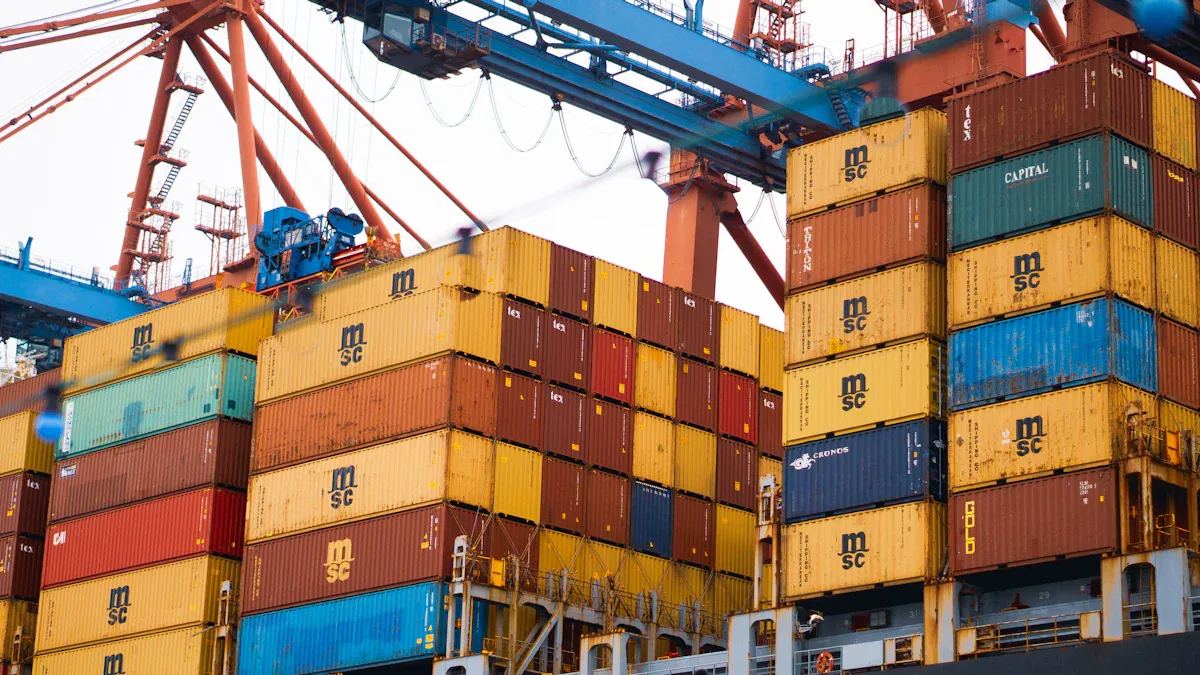
You should know how shipment size matters for FCL and LCL. FCL is best if you have enough cargo to fill a container. LCL works for smaller shipments that do not fill a whole container. The table below shows the usual volume ranges for each method:
Shipping Method | Minimum Volume | Ideal Volume Range |
|---|---|---|
LCL | 1 CBM (sometimes 2m3) | Less than 15 CBM |
FCL | More than 10 pallets or 14m3 | More than 14 CBM |
Ocean freight rates depend on the space you use. FCL gives you a better price per unit for big shipments. LCL has lower starting costs for small loads, but extra fees can add up. The table below compares cost:
Shipping Method | Cost Effectiveness | Volume Threshold |
|---|---|---|
FCL | Cheaper per unit for large loads | Good for full containers |
LCL | Good for smaller shipments | Less than 20 cubic meters |
Tip: If you ship more than 14 cubic meters or have over 10 pallets, FCL usually saves money. If your shipment is less than 15 cubic meters, LCL may be better.
Practical Example:
You own an electronics shop and need to ship many laptops. FCL helps you save money and keeps your goods safe. If you sell clothes and ship small batches often, LCL lets you send goods without waiting to fill a container.
Transit Time and Handling
Transit time can change when your goods arrive. FCL shipments move faster because the container goes straight from start to finish. LCL shipments take longer because forwarders group cargo from different shippers. The table below shows common transit times:
Shipping Method | Transit Time (Days) | Example Route |
|---|---|---|
FCL | 42 | London to Melbourne |
LCL | 50 | Tilbury to Melbourne via Singapore |
Handling also matters for your cargo. FCL containers stay sealed the whole trip. This lowers the risk of damage. LCL shipments get handled more, so the chance of loss or contamination is higher.
FCL shipments stay sealed and untouched the whole way.
LCL shipments get handled more, which can cause damage.
LCL cargo shares space with other goods, so contamination risk is higher.
Note: If you ship fragile or expensive items, FCL gives better protection. LCL works for strong goods that can handle extra handling.
Practical Example:
Car companies use FCL for big shipments of parts. They use LCL for quick deliveries of special parts that do not fill a container.
Customs and Documentation
Customs clearance is important for ocean freight. FCL shipments clear customs faster because you only need papers for one container. LCL shipments need more paperwork since the container has cargo from many shippers. The table below shows the main differences:
Aspect | FCL (Full Container Load) | LCL (Less than Container Load) |
|---|---|---|
Speed of Clearance | Faster | Slower |
Documentation | Less complex | More complex |
You need several documents for both FCL and LCL shipments. These include:
Bill of Lading: Receipt and contract for sea freight.
Certificate of Origin: Shows where your goods come from for customs and trade agreements.
Commercial Invoice: Lists the transaction details, including value and quantity.
Packing List: Details the contents and packaging.
Fumigation Certificate: Confirms treatment for pests.
Inspection Certificate: Verifies quality or safety standards.
Marine Insurance: Protects your goods during shipping.
Tip: Ocean freight forwarders fcl lcl services help you get the right documents for export and import. They guide you through customs and make sure you follow all rules.
Practical Example:
If you ship electronics in bulk, you need a Bill of Lading, Certificate of Origin, and Marine Insurance. If you ship clothes in small batches, you need extra paperwork for each shipment in the LCL container.
Practical Comparison Table
Aspect | FCL Shipping | LCL Shipping |
|---|---|---|
Shipment Size | Large, full container | Small, shared container |
Cost | Lower per unit for big shipments | Lower upfront for small shipments |
Transit Time | Faster, direct route | Slower, more stops |
Handling | Sealed, less risk | More handling, higher risk |
Customs | Simple, quick clearance | Complex, slower clearance |
You can pick FCL or LCL based on your shipment size, budget, and delivery needs. Freight forwarders help you compare prices, manage documents, and choose the best ocean freight option for your business.
How to Choose the Right Ocean Freight Forwarder
Picking the right ocean freight forwarder makes shipping easier and saves money. You should think about a few things before you choose. This part explains what to check and how to find the best match for your needs.
Evaluating Experience and Network
You want a forwarder who knows your business and the rules for your cargo. Experience helps avoid mistakes and stops delays. A big network means your goods travel faster and reach more places.
See if the forwarder has shipped goods like yours before. Ask for stories or references from other clients.
Make sure they know the rules for your shipping routes. This helps with customs and stops extra charges.
Check their connections with carriers and ports. Good relationships help get container space and speed up delivery.
Look at their coverage in important markets. A wide network gives you more choices and better prices.
Ask if they can handle tricky shipments. This matters for special or expensive cargo.
A big network lets you use more transport types and routes. This makes shipping more reliable and can lower costs. If the network is small, you might pay more and wait longer.
Tip: Ask your forwarder about their on-time rates and how they fix delays. Reliable ocean freight forwarders fcl lcl services keep your supply chain working well.
Technology and Tracking
Modern ocean freight forwarders use technology to help you see and control your shipments. Tracking tools show where your cargo is at any time. This helps you plan and react to changes fast.
Here are some top technology platforms and what they offer:
Platform | Features |
|---|---|
Freightos | Good freight prices, supply chain tracking, automated tools, API links |
Shippabo | Easy freight forwarding, live tracking, smart predictions, teamwork platform |
Gnosis Freight | Live container tracking, smooth operations, great customer service |
CargoWise | Full booking tracking, direct carrier links, live shipment updates |
Live tracking has many benefits:
Benefit | Description |
|---|---|
Predict Delays | You spot problems early and tell customers, so they do not get upset or lose sales. |
Optimize Costs | Knowing arrival times helps you get better prices from carriers. |
Improve Customer Experience | Clear updates make customers happier. |
Stakeholder Value | Live data helps you and your partners work better. |
Note: Ask your forwarder if they give online tracking and automatic updates. This makes ocean freight easier and clearer.
Customer Support and Flexibility
Good customer support helps you fix problems quickly. Flexibility means your forwarder can change plans for weather or urgent needs. Look for these things:
Adaptability: The forwarder can change plans to keep shipping on track.
Tailored Solutions: They adjust services for your cargo, whether you need FCL, LCL, or special care.
Proactive Communication: Account managers keep you updated and answer questions fast.
Real-Time Transparency: Tracking and document tools give you clear updates.
Timely Delivery: Good operations and backup plans help your cargo arrive on time.
Special needs matter for small businesses, online shops, and special cargo. Check if your forwarder can handle these needs:
Evidence Type | Description |
|---|---|
On-time Delivery Rates | Pick forwarders with on-time rates over 95% to avoid problems. |
Communication Efficiency | Look for answers within 4 hours for quick help. |
Industry Certifications | Check for certifications like ISO 9001 and C-TPAT for safety and quality. |
Performance Metrics | For growing businesses, see if the forwarder supports high online sales. |
Dedicated Account Management | For valuable cargo, choose forwarders with enough staff for personal service. |
Reliable and affordable ocean freight services help you ship both FCL and LCL.
Sea freight coverage makes sure your goods reach many countries.
Know what you want for service quality and check if your forwarder can deliver.
Work with logistics providers for smooth delivery.
Make sure logistics fit your online business needs.
Tip: Ask your forwarder how they handle urgent shipments, special cargo, and customs. The right partner will help your business grow and keep your supply chain strong.
If you follow these steps, you can pick an ocean freight forwarder who fits your shipping needs, gives good prices, and offers reliable service for both export and import.
Booking and Managing FCL & LCL Shipments
Preparing Your Cargo
You must get your cargo ready for ocean shipping. This helps stop damage and delays. Here are steps to prepare for FCL or LCL:
Know your cargo. Measure how big and heavy it is. Check if your goods break easily or need special care.
Pick strong packaging. Use tough boxes or crates. Add padding for things that can break.
Label every package clearly. Write shipping details on each box.
Finish all paperwork before you ship.
Learn how loading and unloading work. Seal containers if you use FCL.
Plan how to get containers to and from the port.
Check your cargo before loading and after it arrives.
Buy insurance to protect your goods.
Follow all safety and legal rules for sea shipping.
Tip: Careful planning lowers risks and keeps your shipment moving.
Documentation and Compliance
Correct paperwork is very important for ocean shipping. Mistakes in forms can slow things down and cost more money. You should:
Check all shipping papers for mistakes before sending.
Update documents often to match customs rules.
Use digital tools to fill out forms and make fewer errors.
Work with forwarders who know the newest rules.
Customs and changing trade rules can be hard. Regular checks help you avoid fines and keep your shipment on time.
Note: Good paperwork helps clear customs faster and can save you money.
Tracking and Visibility
You need to watch your ocean shipments from start to finish. Tracking tools show where your cargo is right now. This helps you plan deliveries and fix problems.
Use tracking that gives live updates.
Keep all papers correct and ready to show.
Pick forwarders who give clear updates about your shipment.
Connect shipping, warehouse, and accounting systems for better control.
Tracking helps build trust with customers and solves problems fast. You can spot delays early and change your plans.
Tip: Real-time tracking makes ocean shipping easier and helps your supply chain.
Market Trends in Ocean Freight Shipping
Growth of LCL Services
There are big changes in ocean freight shipping. E-commerce is making lcl shipping more common. Many online sellers send small parcels to other countries. You do not need a full container to ship worldwide. Lcl lets you send smaller shipments and save money. This helps you reach new places and grow your business.
The market for lcl services is getting bigger. In 2024, it was $74.4 billion. Experts think it will reach $100 billion by 2035. The market grows about 2.73% every year.
Year | Market Size (USD Billion) | CAGR (%) |
|---|---|---|
2024 | 74.4 | N/A |
2035 | 100 | 2.73 |
Ocean freight rates change a lot. Problems between countries and supply issues cause prices to go up and down. Fcl services are best for big shipments because they are fast and safe. Lcl services help you save money and give you more choices for small loads. Carriers give up to 28% off for long fcl contracts. Lcl shipments take 3-8 days longer than fcl because they need to be grouped together.
Tip: If you ship small loads or want to try new markets, lcl is a good idea. You can control costs and do not have to wait to fill a container.
Digitalization and Sustainability
Digital tools are changing ocean freight shipping. You can use smart tracking to see your cargo anytime. These tools help you plan and stop delays. Automation at ports makes fcl shipping faster and fixes problems like not enough containers.
Advancement Type | Description |
|---|---|
Digital Tracking Systems | Digital platforms help you track shipments and see updates. |
Automation in Logistics | Automated ports and smart tools make fcl and lcl work better. |
Vessel and Container Technology | Smart containers with GPS and IoT show cargo safety and health. |
Blockchain and AI | These tools give live tracking and quick booking for online sellers. |
People want ocean shipping to be greener. Shipping causes almost 10% of the world’s carbon emissions. Green shipping tries to lower pollution and make shipping better. Many carriers now use cleaner fuels like LNG and biofuels. Digital tools like IoT and AI help save fuel and cut waste.
Note: You can pick ocean freight companies that use green methods and new technology. This helps your business protect the environment and make your supply chain stronger.
You should know how FCL and LCL shipping are different. This helps you make good choices for your business. Ocean freight forwarders can help you pick the right service. They also help with paperwork and keep your cargo safe. Look at the table below to see the main differences:
Factor | LCL (Shared) | FCL (Exclusive) |
|---|---|---|
Cost Model | Pay per CBM | Fixed per container |
Transit Speed | Slower | Faster |
Security | Higher risk | Lower risk |
Think about how big your shipment is and when you need it. Ask forwarders with lots of experience for help. If you want more tips, check out the World Shipping Council or The Art of Importing Your Cargo: FCL vs. LCL.
FAQ
How do you decide between FCL and LCL shipping?
You should check your shipment size, budget, and delivery deadline. If your cargo fills a container, FCL works best. For smaller loads, LCL saves money. Ask your freight forwarder for advice based on your needs.
What documents do you need for ocean freight shipping?
You need a Bill of Lading, Commercial Invoice, Packing List, and Certificate of Origin. For some shipments, you may also need insurance and inspection certificates. Your freight forwarder helps you prepare these documents.
How can you track your ocean shipment?
Most freight forwarders offer online tracking tools. You log in to their portal and see real-time updates. You can also get email or SMS alerts about your shipment status.
What should you do if your cargo needs special handling?
Tell your freight forwarder about any fragile, hazardous, or temperature-sensitive items. They arrange special packaging, labeling, and handling. This keeps your cargo safe during transit.
Can you ship small parcels internationally using LCL?
Yes, you can ship small parcels with LCL. You pay only for the space you use. LCL works well for e-commerce and small businesses that send goods to different countries.
See Also
Comprehensive Ocean Export Solutions for FCL and LCL Shipments
Streamlined FCL Export Solutions Offered by Premier Global Logistics
Key LCL Shipping Strategies for Exports to Panama
Nationwide Ocean Freight Export Services by Premier Global Logistics
Transport Any Cargo Worldwide with Premier Global Ocean Freight
