How to Optimize Multi Supplier Sourcing for Freight Contracts
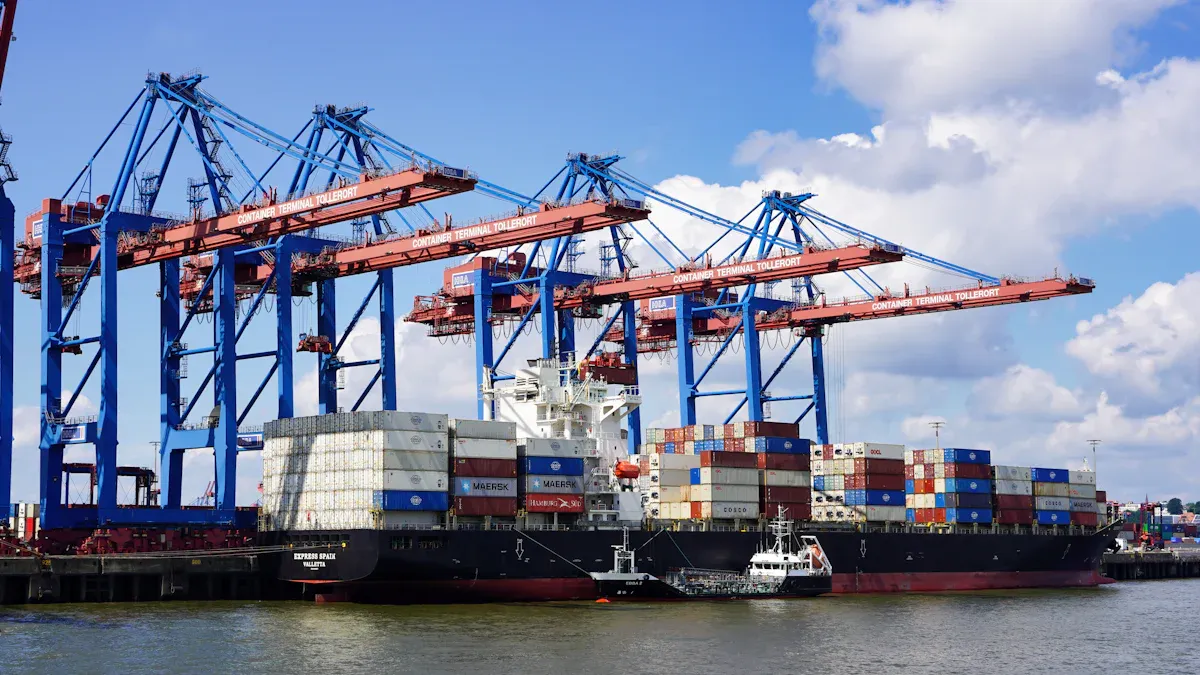
You make your supply chain stronger when you use multi supplier sourcing freight contracts as a main plan. In transportation procurement, having different suppliers gives you more choices if problems happen. You can change where you get things fast, which keeps your freight moving and lowers risk. This plan also helps you save money, because you make suppliers compete and get better deals. Multi-sourcing makes you better at negotiating and lets you change your plans when needed. Good supplier relationships help your plan and keep your buying process strong.
Key Takeaways
Multi supplier sourcing makes your supply chain stronger. It lowers risk and gives you more choices. Always keep backup suppliers for emergencies.
Using many suppliers creates good competition. This helps you get better deals and save money. Make suppliers compete for the best prices.
Check supplier performance often with clear KPIs. This lets you see service quality and make changes if needed.
Standardizing contract terms makes management easier. It also stops confusion. Use templates to keep things the same for all suppliers.
Use technology like Transportation Management Systems to watch shipments and supplier performance live. This helps you make better choices and work faster.
Multi Supplier Sourcing Freight Contracts: Key Benefits
Risk Mitigation and Supply Chain Resilience
Using multi supplier sourcing freight contracts makes your supply chain stronger. This plan helps you lower risk and keep things working when problems happen. Dual sourcing means you can change suppliers if one stops working. Extra suppliers help you when ports close or workers go on strike. You get more power to bargain and can react fast when demand goes up.
Tip: Always have backup suppliers ready for emergencies.
Here is a table showing the main benefits logistics managers talk about:
Benefit | Description |
|---|---|
Increased resiliency | Lowers the chance of problems and keeps supply chains working by letting businesses change suppliers. |
Healthy competition | Lets businesses get better deals by making suppliers compete. |
Greater innovation | Helps businesses work together and find new ways to solve supply chain problems. |
You can use these plans to help with category management and supplier relationship management. This way, your buying process stays flexible and dependable.
Enhanced Negotiating Power and Cost Control
You get better at negotiating when you use multi supplier sourcing. Suppliers compete, so you can control costs and get good prices. You can change how much you buy from each supplier based on how well they do.
Here is a table showing how companies save money:
Cost Savings Type | Amount |
|---|---|
Total cost savings from optimization | $4.5M |
Sourcing savings during market volatility | $3.5M |
Reduction in total shipments | 8% |
Stabilized eCommerce delivery pricing | N/A |
You can use sourcing plans to manage costs and keep contracts fair. This plan helps you not pay too much and makes sure you get the best deal for your freight.
Service Performance and Flexibility
Multi supplier sourcing helps you do better and stay flexible. You can check performance using time, cost, quality, and innovation metrics.
Numbers include on-time delivery, inventory replacement, and order accuracy.
Other metrics are customer happiness, good communication, and clear processes.
You can also track:
On-time delivery rate for each carrier and lane.
Difference between contract rates and invoice rates.
SLA credit capture rate.
A flexible supply chain helps you handle changes and surprises. You can switch suppliers or change logistics fast. Custom solutions and technology help you stay good and competitive. Strong supplier relationships help your sourcing plan and keep your buying process easy.
Strategic Sourcing Steps for Transportation Procurement

A good sourcing plan helps you build a strong freight network. You need to split your freight lanes and use your volume wisely. Set clear goals for how suppliers should perform. These steps help you lower risk and save money. They also help you work better with suppliers.
Segmenting Freight Lanes and Supplier Base
Start by splitting up your freight lanes and supplier base. This helps you pick the best supplier for each job. You can use different ways to split things for better results.
Strategy Type | Description |
|---|---|
Volume Segmentation | Group lanes by how much is shipped. This helps you focus on important lanes when bidding. |
Complexity Segmentation | Sort lanes by how hard the freight is. Change your buying plan for each group. |
Service Requirements Segmentation | Split lanes by special service needs. This makes sure you meet all customer needs. |
You can also use these ways to split things:
Segmentation Strategy | Description |
|---|---|
Dedicated Capacity | Use for lanes that need steady service. |
Awarded Hierarchical Route Guide | Rank routes by how well suppliers did before. Give top spots to the best suppliers. |
Spot Market | Use for urgent or one-time freight jobs. |
Market corridor plans help you focus on main trade routes. You can plan for what is strong and weak in each route.
Market Corridor Strategy | Description |
|---|---|
Focus on main trade routes to get the best deals. | |
Strengths of Specific Corridors | Use what is good in each corridor and plan for weak spots. |
When you split your supplier base, use lane data and scorecards. These tools show which suppliers do best on each lane. You can check delivery times and reliability. This helps with category management and supplier relationships.
Tip: Use past performance data to pick suppliers for each lane. Scorecards let you compare all suppliers with the same numbers.
Tiered Volume Allocation Strategy
A tiered volume plan lets you split your freight among many suppliers. This helps you lower risk and build strong supplier ties. You can give more freight to your best suppliers and keep backups ready.
For example, in Michigan’s car industry, Tier 1 and Tier 2 suppliers work together for better deals. They share warehouses and shipping contracts to save money and get better service.
You can use a tiered discount table like this:
$0.00 – $5,749,999.99: 0% discount
$5,750,000.00 – $6,249,999.99: 15% discount
$6,250,000.00 – $6,749,999.99: 16% discount
$6,750,000.00 – $7,499,999.99: 17% discount
$7,500,000.00 – $7,999,999.99: 18% discount
$8,000,000.00 – $8,999,999.99: 22% discount
$9,000,000.00 and above: 22.5% discount
Tiered discounts give you better rates when you ship more. You get rewards for higher shipping volumes. This plan also keeps you from using only one supplier.
Put key suppliers first to build trust and lower risk.
Focus on main suppliers to avoid running out or delays.
Keep many suppliers to make service more reliable.
Note: A tiered plan helps you balance your sourcing. You get strong supplier ties and backup options.
Defining Performance KPIs
You need clear KPIs to track how suppliers do in multi supplier sourcing freight contracts. These KPIs help you measure service, cost, and rules. You can use them to change your plans and get better results.
KPI | Description |
|---|---|
Defect rates | Track damaged or bad shipments. |
Lead times | Measure time from order to delivery. |
Contract compliance | Check if suppliers follow contract rules and schedules. |
Return on investment | Compare your budget to savings from each supplier. |
Innovation | See if suppliers offer new ideas or improvements. |
On-time Delivery Percentage | Track how often shipments arrive on time. |
Transportation Cost per Unit | Measure cost to ship each unit. |
Compliance Rate | Check if suppliers meet industry rules and standards. |
Safety Performance | Review safety events to lower risk. |
You can also track:
On-time delivery for each lane.
Transit time from start to finish.
Freight spend to see total costs.
Total spend per supplier.
Supplier defect rate.
Supplier risk rating.
Tip: Use regular reports to check supplier KPIs. This keeps suppliers responsible and helps you find ways to improve.
A strong sourcing plan uses splitting, tiered volume, and clear KPIs. These steps help you lower risk, save money, and build better supplier ties. You can make your contracts better and keep your freight moving well.
Standardizing Contracts and Performance Reviews
Consistent Contract Terms Across Suppliers
You should use the same contract terms for all freight suppliers. This makes your buying process easier and helps you manage your plan with less work. Standard contracts give you many benefits:
You finish deals faster and save time.
All contracts look the same, so managing them is simple.
Your legal team spends less time on paperwork and can focus on bigger jobs.
You save money by doing less repeated work and lowering costs.
Standard contracts stop confusion. When suppliers follow the same rules, mistakes happen less. Clear rules about liability and disputes help everyone know what to do. This lowers misunderstandings and makes it easier for suppliers to follow rules. You also keep risk terms and regulatory clauses easy to see and enforce. This helps you close compliance gaps and lowers disputes.
Tip: Use a contract template for every supplier. This keeps your sourcing plans neat and helps with category management and supplier relationships.
Regular Supplier Performance Evaluation
You need to check how suppliers do often to keep your plan strong. Reviews help you find problems early and improve supplier relationships. You can do reviews every month, every quarter, or every six months. How often depends on how much you buy and how important the supplier is. Feedback sessions help you fix problems together and keep talking.
Try these ways to review performance:
Hold monthly reviews to check daily work.
Set up quarterly reviews with clear goals, action owners, and due dates.
Reviews matter at every step of procurement. Here is a table showing how reviews fit in your plan:
Stage | Description |
|---|---|
Onboarding | Check supplier skills, risk, compliance, and quality. |
Competitive Events | Use past scores to help future awards and bids. |
Contract Fulfillment | Watch key performance indicators and get alerts for problems. |
Renewal | Use facts to decide if you want to renew, change, or renegotiate suppliers. |
You use reviews to decide if you want to renew contracts or find new suppliers. This keeps your multi supplier sourcing freight contracts working well and your buying process reliable.
Technology Integration and Continuous Improvement
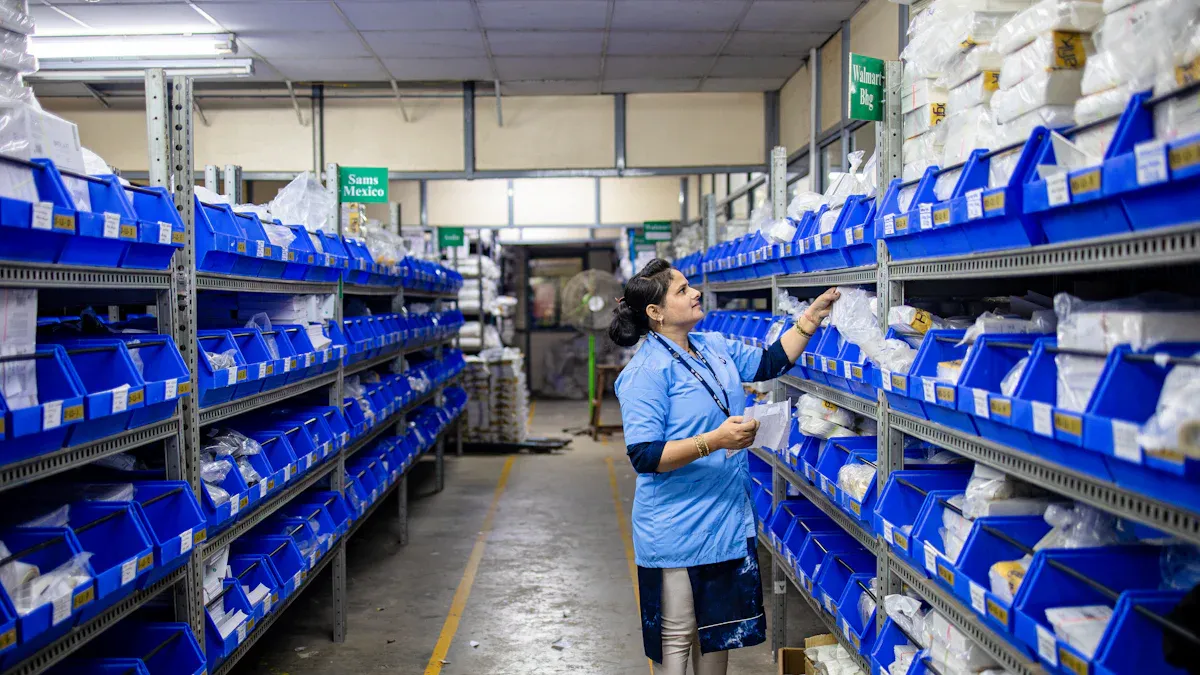
Transportation Management Systems (TMS)
You can make your sourcing plan better by using a Transportation Management System. A TMS lets you handle freight contracts and suppliers in one spot. You get more control over buying and can see each step. With a TMS, you can:
Track all your suppliers to manage carriers.
Always know where your freight is with shipment visibility.
Use real-time analytics to make smart choices.
Pick carriers based on cost, speed, and reliability.
Automate rate changes to keep costs low.
Get tracking and reports for every shipment in real time.
A TMS helps you plan, do, and check your transportation activities. You can compare how suppliers do, manage proposals, and keep your plan flexible.
Monitoring and Refining Supplier Performance
Digital tools help you watch supplier performance as it happens. Platforms like FourKites, Trax, and Kuehne + Nagel’s Road Customer Visibility let you track shipments for all types of freight. You see shipment status, get predicted arrival times, and alerts if something is wrong. These tools help you control costs and make better buying choices.
You should check supplier performance often. This means looking at KPIs, giving feedback, and making changes when needed. Reviewing contracts and performance builds trust and makes supplier relationships stronger. Good relationships help you manage risk and encourage new ideas.
Tip: Keep talking with your suppliers. Share tips and best ways to work. Work together to make your sourcing plan better.
Continuous improvement comes from teamwork. When you and suppliers talk often, you solve problems faster and reach goals together. This keeps your multi supplier sourcing freight contracts strong and your buying process ready for change.
You get lasting benefits when you use multi supplier sourcing for freight. This plan helps you lower risk and bring new ideas. It also helps you build strong supplier relationships. Here are the main advantages:
Strategic Advantage | Description |
|---|---|
Risk Mitigation | Multi-sourcing lets you be flexible and lowers supply chain shocks. |
Supplier-Driven Innovation | Having many suppliers brings new ideas and solutions. |
Strong Relationships | You get better service and more capacity when demand goes up. |
You should use clear sourcing steps, standard contracts, and technology to make buying easier and control costs. To balance having many suppliers and getting good deals, pick suppliers carefully, set clear rules, and build long partnerships. Check your sourcing plans often to keep your buying strong and ready for changes.
FAQ
What is multi supplier sourcing in freight contracts?
Multi supplier sourcing means you pick more than one carrier or forwarder for your freight contracts. This way, you lower risk and get better service. Your supply chain stays flexible and can handle changes.
How do you choose the right suppliers for each freight lane?
You look at how suppliers did before and how good their service is. You check costs and match suppliers to lanes based on what they do best. Scorecards and data help you pick the right supplier for your shipments.
Why should you standardize contract terms with all suppliers?
Using the same contract terms makes managing contracts easier. Standard contracts stop confusion and help you finish deals faster. You can compare how suppliers do in a fair way.
How often should you review supplier performance?
You should check how suppliers do every quarter or after big changes. Regular reviews help you find problems early and keep your sourcing plan strong.
What technology helps manage multi supplier sourcing?
You can use a Transportation Management System, or TMS. A TMS lets you track shipments and compare how suppliers do. It also automates tasks and helps you stay organized.
See Also
Simplifying Supply Chain Management With American Logistics Services
Key Strategies for Effective Global Logistics Operations
Connecting Warehouses and Enhancing Supply Chains Through PGL
Boosting Efficiency in Global Operations With Innovative Logistics
