Optimize Shipments by Freight Class: Strategies for LTL Cost Efficiency
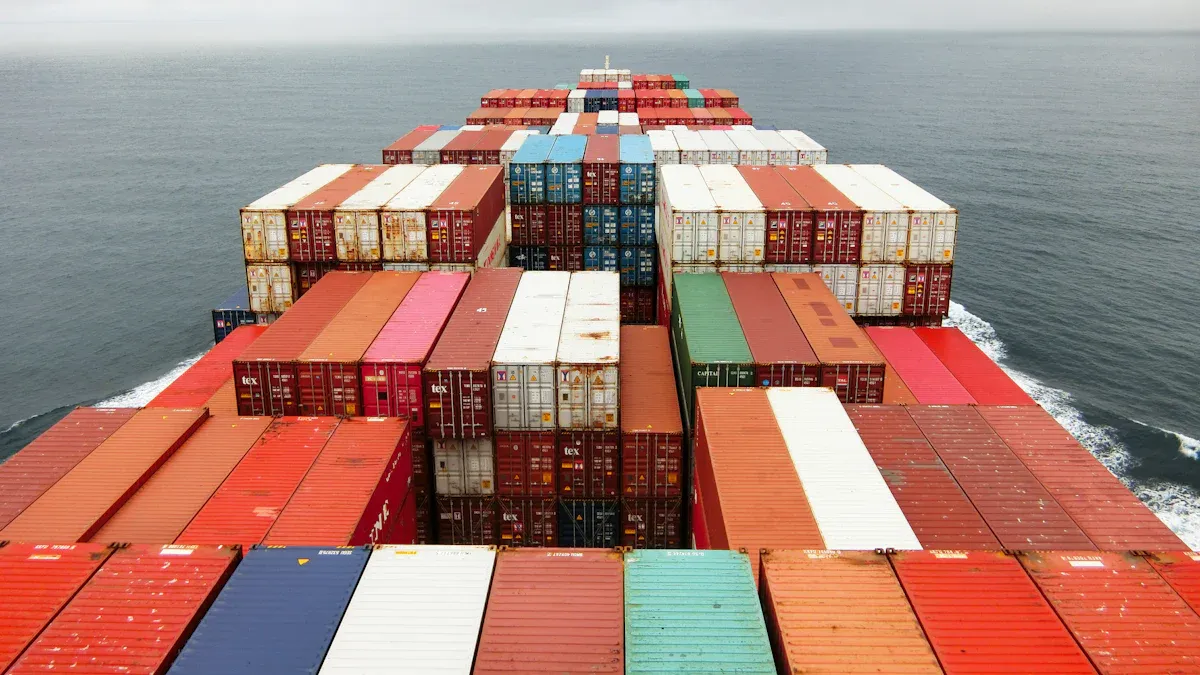
You can optimize shipments by freight class to enhance your shipping process. This approach helps you save money and improve efficiency in your LTL operations. Selecting the correct freight class affects pricing, carrier acceptance, and liability. By using the best freight class, you can plan loads more effectively and utilize resources efficiently, ultimately reducing costs.
Monitoring shipping steps and choosing optimal routes helps you work faster.
Planning loads allows you to maximize trailer space.
Description | |
|---|---|
Density | How much room does the freight occupy? |
Handling | Is the freight easy or difficult to move? |
Stowability | Can the freight be stacked or stored conveniently? |
Liability | What risks are associated with transporting it, such as value or hazards? |
By optimizing shipments by freight class, you can avoid common mistakes and delays, ensuring a smoother shipping process.
Key Takeaways
Picking the right freight class can save you money and make shipping better.
Measuring density the right way is very important. It helps you pick the right freight class and stops extra charges.
Good packaging uses space well and makes things denser. This can lower your freight class and save money.
Putting shipments together can cut down on handling fees and make shipping work better.
Training staff often and using the same rules helps stop mistakes and makes shipping better.
Freight Class and LTL Pricing
What Determines Freight Class
It is important to know what decides the freight class for your shipment. The National Motor Freight Classification system uses four main things to pick the freight class:
Density: This means how much space your freight takes up compared to its weight.
Stowability: This is about how easy it is to store or stack the freight in a trailer.
Handling: This tells if it is simple or hard for carriers to move your shipment.
Liability: This is the risk of damage, theft, or danger while moving the freight.
These things help carriers set the price for less-than-truckload freight. If your shipment is heavy for its size and easy to move, you usually pay less. If your freight is a strange shape, breaks easily, or is dangerous, your freight class goes up and costs more.
Impact on LTL Shipping Costs
Freight class changes how much you pay for LTL shipping. Carriers use different class levels to make prices. You can see how this works in the table below:
Freight Class | Examples | |
|---|---|---|
Class 50 | ≥ 50 | Very dense freight (bricks, steel rods) |
Class 100 | 9 – 10.49 | Packaged clothing, electronics |
Class 200 | 4 – 4.99 | Fragile or oddly shaped items |
A lower freight class means you pay less money. Higher classes, like Class 200, cost more because they are not as dense or need special care. LTL carriers also check the size and may charge more if you pick the wrong class. You should always check your freight class before you book a shipment.
Why Accurate Classification Matters
Getting the right freight class saves you money and keeps your shipments moving without problems. If you pick the wrong class, you might have these problems:
Paying too much for shipping
Getting fines from carriers
Delays and arguments that cost more money
Bad relationships with carriers
You can stop these problems by measuring density, checking how you pack, and looking at NMFC codes. When you choose the right freight class, you control your LTL costs and keep your business safe. You also make it easier for carriers to move your freight, which means better service.
Tip: Always check your freight class before you ship. Small mistakes can make you pay more and slow down your shipment.
Optimize Shipments by Freight Class
Accurate Density Calculation
You must measure density to make ltl freight shipments better. Density shows how much weight fits in a space. Carriers use density to pick the right freight class. If you measure density right, you can pay less and skip extra fees.
Here are steps to find density:
Measure the length, width, and height in inches.
Multiply these numbers to get total cubic inches.
Divide by 1,728 to change cubic inches to cubic feet.
Weigh your shipment in pounds.
Divide the weight by cubic feet to get density.
For example, a pallet that is 44" x 36" x 48" has 76,032 cubic inches. Divide by 1,728 to get 44 cubic feet. If the pallet weighs 600 pounds, the density is 13.64 pounds per cubic foot.
More density usually means a lower freight class and less cost. Less density means a higher freight class and more cost. Always check your numbers to get the right class.
Strategic Packaging for LTL
Packaging is important for freight class optimization. Use boxes or crates that fit your products well. Do not use extra packaging that makes the shipment bigger but does not help. The right size increases density and lowers cost.
Pick boxes that fit your product size.
Make sure items fit tight so you do not waste space.
Skip packing materials that make the shipment larger.
Stack items neatly on pallets to use space well.
Good packaging helps you optimize ltl freight shipments. It also keeps your freight safe and lowers risk. When you package freight right, you can get a lower freight class and save money.
Shipment Consolidation
Putting shipments together helps you optimize ltl freight shipments and pay less. When you combine small orders into one shipment, you increase density and use trailer space better. This can move your freight into a lower class.
Pool shipments from different orders.
Use cross-docking to cut handling and storage time.
Plan loads to fill pallets and trailers well.
Shipment consolidation also cuts extra fees, like charges for more handling or stops. You should balance these savings with inventory costs and delivery times. When you consolidate, you make ltl shipments work better and cost less.
Choosing the Right Freight Class
Picking the right freight class is important for optimization. Look at density, stowability, handling, and liability. Each thing changes your cost and how carriers treat your shipment.
Factor | Description |
|---|---|
Density | Weight compared to size; more density usually costs less. |
Stowability | How easy freight fits in a trailer; odd shapes may cost more. |
Handling | How easy it is to move freight; special handling costs more. |
Liability | Risk of damage or loss; high-value items may need more insurance. |
Check NMFC codes to make sure you pick the right class. Change packaging or pallets if you can lower the class. Do not pick a higher class than you need.
Freight brokers or forwarders can help check your class and get better rates. They know the ltl market and talk to carriers. Brokers can get good rates, check your freight class, and do paperwork. Working with a broker helps you avoid mistakes and optimize ltl freight shipments to save money.
Tip: Measuring density, smart packaging, and putting shipments together are the best ways to optimize freight class. When you use these ideas, you pay less and make shipping better.
Freight Class Optimization Strategies
Leveraging Technology and Tools
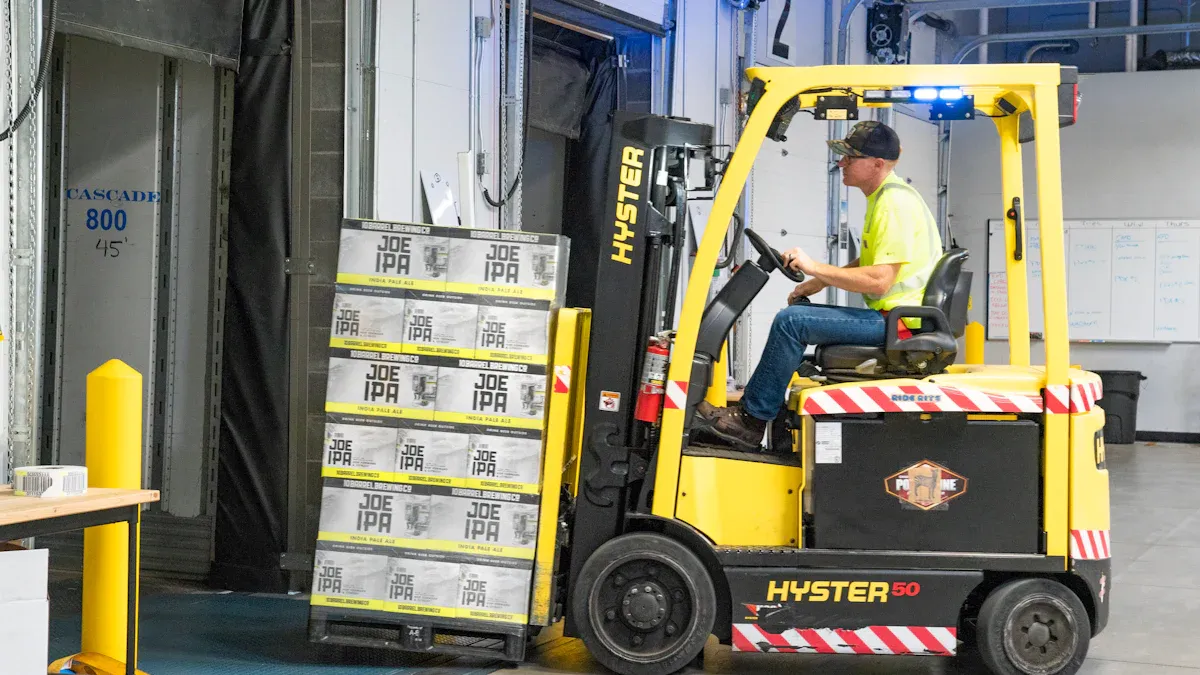
You can use technology to make freight class optimization easier. Automated systems help you avoid mistakes and save time. These tools compare shipping choices and check transit times. They pick the best way to ship each order. You save money because you do not pay too much or get reclassification fees. Technology helps you follow NMFC rules the same way every time. Shipium’s platform, for example, picks shipping modes and cuts down on manual work. These solutions make shipping faster and more accurate.
Feature | Description |
|---|---|
Manage Rating Complexity | Makes pricing talks and class management simpler. |
Optimize LTL Shipping Decisions | Gives current transit times and carrier details. |
Expedite Rate Analysis | Checks rates for many shipments quickly. |
Tip: Automated freight class optimization tools help you ship for less money and with fewer mistakes.
Staff Training and Standardization
You need trained staff to keep mistakes low and shipping costs down. Training teaches your team how to find density and pick the right freight class. This saves money and stops errors. A review before shipping catches wrong classes early. Standardization means everyone uses the same steps for freight class optimization. You should teach your team, use a set process, check classes often, keep records, and work with carriers.
Teach your team how to figure out freight class.
Use the same process for every shipment.
Check and update classes often.
Keep clear records.
Work with carriers for correct assignments.
Note: Training and standard steps help you save money and ship better in ltl shipping.
Negotiating with Carriers
You can get better LTL rates by using freight class optimization. Carriers give lower prices when you combine shipments and ship often. You should look at your shipping data to see what you need. Use your shipping volume and steady orders to get deals. Talk about extra charges like lift-gate delivery and fuel costs. Freight brokers help you compare prices and build good relationships with carriers. Honest talks build trust and help you get fair, steady deals.
Combine shipments for better prices.
Use shipping data to spot patterns.
Promise steady orders for discounts.
Talk about extra charges.
Work with brokers for good prices.
Compare rates and build strong partnerships.
Callout: Smart ltl negotiation helps you save money and ship more efficiently.
Avoiding Common LTL Mistakes
Density and Classification Errors
You can stop many ltl shipping problems if you know why density and freight classification mistakes happen. If you measure density wrong, you might use the wrong freight class. This mistake can make you pay more money and get reclassification fees. Carriers might charge you double or triple the first price if they find mistakes. Not thinking about how your freight stacks or not knowing how hard it is to move can also make your class higher and cost more.
Cost Implications | |
|---|---|
Incorrect Density Calculation | Causes wrong freight class and extra reclassification fees. |
Ignoring Stowability | Makes freight class higher if items do not stack well. |
Underestimating Handling Needs | Needs special care, so class and cost go up. |
Reclassification Penalties | You may pay two or three times more for wrong class. |
Always check your measurements and look at your freight class before you ship. This helps you stop expensive mistakes and keeps your ltl shipments moving right.
Packaging and Accessorial Pitfalls
Packaging mistakes and missing accessorial charges can make your ltl shipping cost more. If you pick the wrong class, you might get surprise fees and delays. Bad packaging can damage your shipment and add more handling fees. Forgetting about accessorial fees, like liftgate or inside delivery, can make your total cost higher.
Picking the wrong class can bring surprise fees and slow shipping.
Bad packaging can break your shipment and add more fees.
Forgetting accessorial fees can make your shipping cost more.
Use packaging that fits your freight and check for all extra needs before you book your ltl shipment.
Staying Updated on NMFC Changes
NMFC changes can change your freight class and ltl shipping cost. The new density-based rules mean you must measure and weigh your freight carefully. Wrong measurements can put your freight in the wrong class, which costs more and can upset carriers. Automated systems help you keep up with changes and stop manual mistakes.
To stay up to date and avoid mistakes, follow these steps:
Use packaging that fits your freight.
Know what freight density means.
Learn the 13-tier NMFC chart.
Keep up with NMFC changes.
Watch for items with special rules.
Train your team often.
Tip: Check your ltl shipping process often, update your info, and work with carriers to keep your freight class right.
If you follow these steps, you can stop common ltl mistakes, control your cost, and keep your freight moving well.
You can save more money on ltl shipping by using the right freight class, packing smart, and always trying to get better. Companies that do these things save a lot of money and work faster, as you can see here:
Company | Cost Savings |
|---|---|
Manufacturer | |
CPG Company | $315,000 in 6 months |
When you make ltl shipments better, you pack more into each load, move things easier, and lower the chance of problems. These actions help you spend less and work better now and later.
FAQ
Why does freight class matter for LTL shipping?
Freight class decides how much you pay for shipping. It affects if carriers accept your shipment and how they handle it. Picking the right class helps you avoid extra fees and delays.
Why should you measure density before shipping?
You need to measure density to find the correct freight class. Accurate density helps you pay the right price. It also stops reclassification fees and keeps your shipments moving smoothly.
Why do carriers charge more for higher freight classes?
Carriers charge more for higher classes because these shipments are less dense, harder to handle, or riskier. You pay more when your freight takes up more space or needs special care.
Why is it important to update NMFC codes regularly?
NMFC codes change often. If you use old codes, you might pick the wrong class. This mistake can lead to higher costs, delays, or even rejected shipments.
Why should you work with a freight broker or forwarder?
Freight brokers know the rules and can help you pick the best class. They also negotiate better rates and handle paperwork. This support saves you time and money.
See Also
PGL's Knowledge in LTL and FTL Shipping Services
Selecting LTL, FTL, or Drayage for Your Trucking Needs
Premier Global Logistics: Flexible LTL Trucking on the East Coast
Transport Large Loads Economically with Premier Global Logistics
