Proven Strategies for International Freight Optimization in 2025
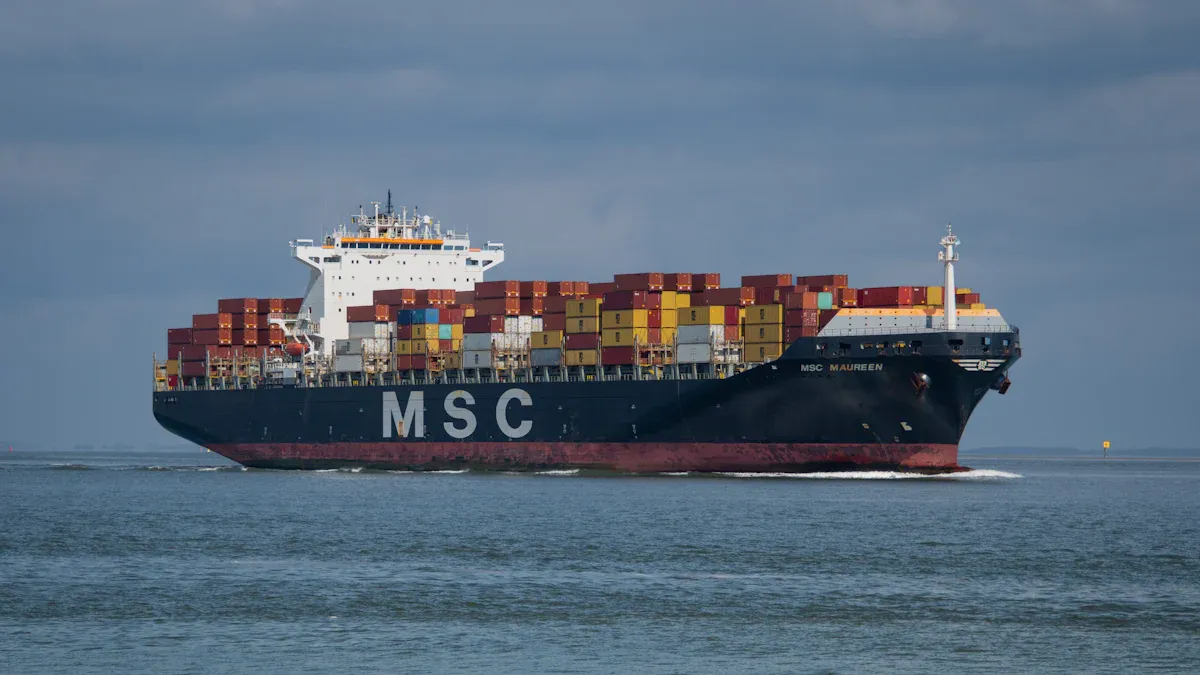
In 2025, experts predict that global freight volumes will grow by 6%. You need to focus on international freight optimization to stay competitive. Smart strategies help you cut costs, improve speed, and avoid common mistakes. Think about your current freight process. Are you ready to make changes that boost your results?
Key Takeaways
Optimize your freight costs by negotiating with carriers. Understand your needs and seek quotes to secure better rates.
Choose the right transportation mode based on your goods and delivery requirements. Match your cargo type with the most efficient route.
Consolidate shipments to save money and reduce waste. Combining smaller loads into one can significantly lower costs.
Leverage technology for real-time tracking and data centralization. This improves visibility and helps you make informed decisions.
Focus on continuous improvement by regularly reviewing your processes. Small changes can lead to significant savings and better customer satisfaction.
Freight Cost Drivers
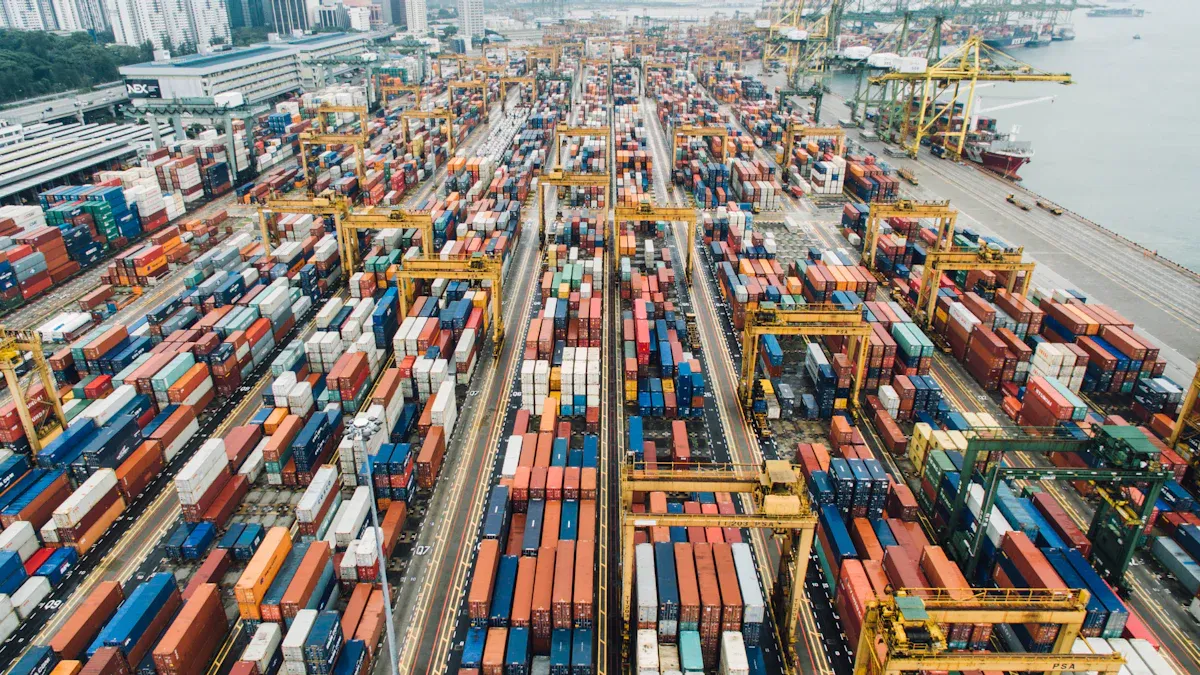
Main Cost Components
You face many cost drivers in global logistics. Fuel prices and labor costs have a big impact on your freight expenses.
Fluctuations in fuel prices directly affect transportation costs.
Labor costs influence operational efficiency and employee retention, impacting logistics expenses.
Increased fuel prices can lead to higher operational costs for logistics companies, affecting their pricing strategies.
When fuel prices drop, you benefit in several ways:
Lower fuel prices lead to reduced fuel surcharges, decreasing overall shipping expenses.
Freight companies may experience higher profit margins due to decreased operational costs.
Competitive pricing may increase as fuel prices drop, benefiting both shippers and carriers.
While falling fuel prices can provide immediate relief for freight costs, you should stay cautious. Fuel prices change quickly. You need a flexible logistics strategy for international freight optimization.
Common Inefficiencies
You may encounter several inefficiencies in your freight process.
Inefficient preparation can delay shipments and cause initial problems.
Lack of understanding of international paperwork can lead to delays due to errors in documentation.
Freight damage can occur due to improper handling or packaging.
Rising shipping costs can impact overall logistics expenses.
Poor communication can result in misunderstandings and further delays.
Customs delays can disrupt delivery times, leading to missed deadlines and extra costs.
Inaccurate or missing documentation is a leading cause of delays, potentially resulting in goods being refused entry.
The financial impact of these inefficiencies can be significant.
Here is a quick look at some key metrics:
Metric | Value |
|---|---|
Average annual cost for LTL damage claims | |
Percentage of shippers with empty truckloads | 43% |
Average linear feet of unused deck space | 29 linear feet |
Average LTL damage rate | 1.94% |
Average cost per LTL damage claim | $3,777 |
Ratio of shipments resulting in claims | 1 in 51 shipments |
You can reduce these costs and improve your process by focusing on international freight optimization.
International Freight Optimization Challenges
Regulatory and Compliance Barriers
You face many rules and regulations when shipping goods across borders. Trade tariffs can raise your costs and make planning harder. Customs rules and changing policies can slow down your shipments or cause extra paperwork. Geopolitical events may change how you move goods. You can lower risks by diversifying your supply chain and working with trusted partners.
Trade tariffs increase expenses for businesses involved in international trade, directly affecting freight costs.
Policies regulating global trade impact logistics through customs regulations, compliance, and geopolitical factors.
Companies can minimize the impact of tariffs by diversifying supply chains and negotiating better freight contracts.
Capacity and Volatility Issues
You must plan for changes in shipping capacity and market conditions. Ports in Northern Europe often get crowded, causing delays. Attacks in the Red Sea have forced ships to take longer routes, which increases costs and travel time. Freight rates can change quickly, making it hard to predict expenses.
Here is a table showing some main issues:
Issue | Description |
|---|---|
A sharp increase in container shipping capacity from the Far East to North Europe is noted. | |
Port Congestion | Northern European ports are experiencing delays and operational slowdowns due to increased traffic. |
Geopolitical Tensions | Attacks in the Red Sea have led to rerouting of vessels, increasing journey times and costs. |
Freight Rate Volatility | The combination of high capacity and rising rates is making the market unpredictable for shippers. |
You need to monitor demand and adjust your plans often. Accurate forecasting helps you avoid empty trucks or wasted space. Optimizing resources and making quick changes keeps your shipments moving.
Visibility and Tracking Gaps
You may struggle to see where your shipments are at every step. Road shipments can be hard to track because drivers may not use digital tools. Rail shipments often lack clear data, making it tough to follow railcars. Ocean freight gets tricky when cargo leaves the port and switches to another mode. Air shipments involve many small carriers and truck routes, which can hide problems.
Transportation Mode | |
|---|---|
Road | Fragmented road networks and resistance from drivers to use digital trackers hinder real-time tracking. |
Rail | Limited access to data and different tracking identifiers prevent full visibility into railcar movements. |
Ocean | Challenges in tracking cargo after it leaves the port, especially during transitions to other transport modes. |
Air | Complex logistics involving small carriers and numerous truck routes complicate end-to-end visibility. |
General | Data quality issues at container terminals lead to delayed or out-of-sequence updates, creating blind spots. |
Limited visibility can cause delays, overstocking, and missed deadlines. When you improve tracking, you boost delivery reliability and customer satisfaction. Better visibility lets you spot problems early and keep your customers informed.
Tip: Focus on improving visibility and planning to overcome these challenges. This will help you succeed with international freight optimization.
Proven Strategies for International Freight Optimization
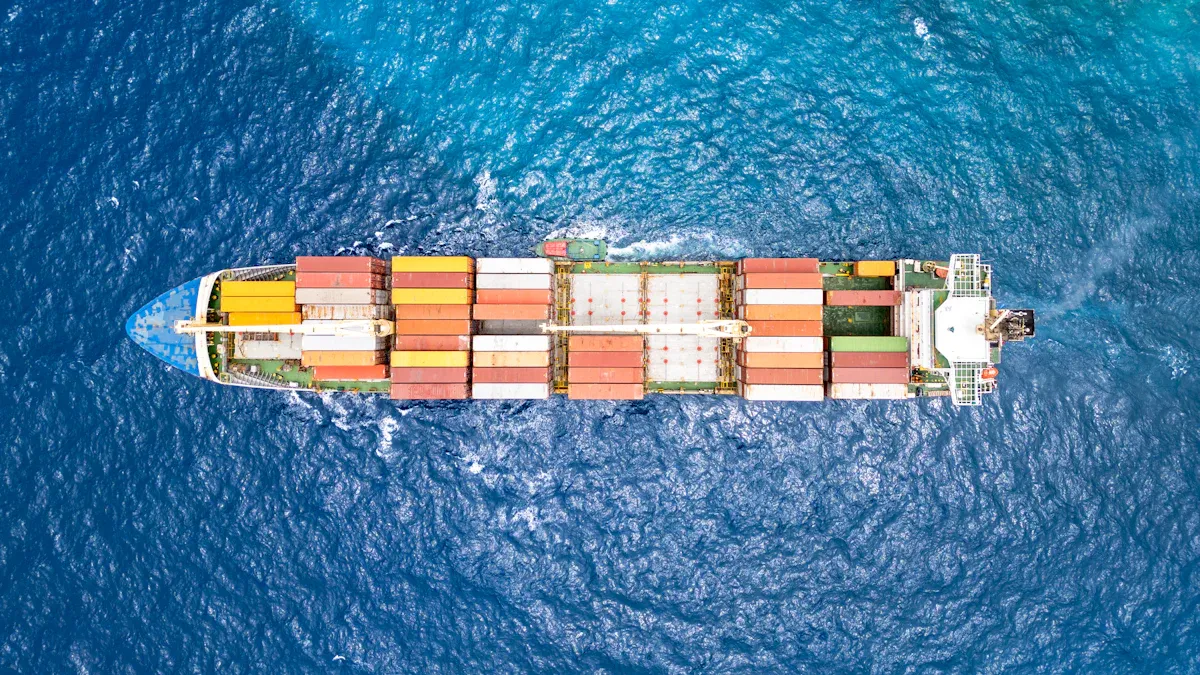
Carrier Negotiation
You can lower your shipping costs by using smart carrier negotiation tactics. Start by understanding freight rates and only pay for the services you need. Always read the fine print to spot hidden fees and ask carriers to reduce extra charges. Request quotes for all your shipments to encourage better rates. Look beyond just the price and discuss penalties for service failures. Build strong relationships with your carriers to secure better deals. Join buying groups to increase your negotiating power and get discounts.
Here are steps you can follow to improve your negotiations:
Know your service needs and discuss them with your carrier.
Check contracts for hidden fees and negotiate them down.
Ask for quotes on multiple shipments.
Set penalties for poor service.
Build long-term relationships.
Join group buying programs.
Successful logistics teams use data and visibility to make informed decisions. They monitor market trends and carrier performance. Standardized contract templates and regular reviews help you save time and money.
Route and Mode Selection
Choosing the right route and transportation mode is key for international freight optimization. You need to consider the type of goods, destination, cost, delivery time, security, and support services. The table below shows important criteria:
Criteria | Description |
|---|---|
Type of Goods | Perishable, hazardous, or valuable items need special routes. |
Destination Country | Match the route with the country’s infrastructure. |
Transportation Costs | Sometimes longer routes cost less. |
Delivery Time | Fast delivery prevents contract issues. |
Route Security | Safe routes protect your goods. |
Support Services | Tracking and insurance help you manage shipments. |
Different modes of transport affect cost and speed. Ocean shipping is slow but cheap and good for large loads. Road transport is flexible and best for short distances. Air shipping is fast but expensive, ideal for urgent or valuable goods. Rail is cost-effective and reliable for medium to long distances. You should match your cargo type and urgency to the right mode.
Load Consolidation
Load consolidation helps you save money and use space better. You combine smaller shipments into one larger load. This cuts fuel use and lowers labor costs. You need to plan and organize shipments well to improve timing and efficiency. Work with other shippers and logistics partners for best results.
Steps for successful load consolidation:
Receive shipments from different suppliers at the port.
Check and sort each shipment for quality and compliance.
Plan and load containers carefully to avoid damage.
Prepare accurate packing lists and export documents.
Companies only pay for the space they use, which reduces costs. For example, consolidating two class 50 pallets can save up to $1,600. This strategy is ideal for smaller shippers who do not fill a whole truck.
Data Centralization
Centralizing your data gives you a clear view of your freight operations. You can see carrier rates, shipment statuses, and performance metrics in one place. This helps you improve negotiations and spot problems in your supply chain. Centralized systems make communication easier, reduce errors, and boost efficiency. You can make better decisions and offer better service to your customers.
Technology and Automation
You can use technology and automation to make your freight process faster and more accurate. Automated systems help you track shipments, manage documents, and plan routes. Real-time tracking tools show you where your goods are at every step. Automation reduces manual work and errors. You save time and money while improving delivery speed and reliability.
Shipment Auditing
Shipment auditing helps you control costs and catch mistakes. You should check invoices against contracts to make sure charges are correct. Review service agreements and address corrections. Keep records of any problems and follow up with carriers. Regular audits help you spot billing errors. Train your staff on billing practices and keep detailed shipment records. Good relationships with carriers make audits smoother.
Advanced audit software can automate the process. You can use data analysis to create reports and dashboards. Protect your business by using controls to spot duplicate invoices and schedule payments based on carrier terms.
Micro-Hubs and Pool Points
Micro-hubs and pool points help you move goods faster and cheaper. You can set up small distribution centers close to your customers. This reduces travel distance and delivery time. Pool points let you combine shipments from different sources before final delivery. You cut costs and improve efficiency by using local hubs and shared resources.
Dynamic Pricing Tools
Dynamic pricing tools help you manage freight costs in real time. Carriers can adjust prices based on market demand and conditions. You get cost-effective options tailored to your needs. These tools help carriers fill their trucks with profitable loads and optimize revenue. Real-time data improves pricing and logistics decisions.
Role of Dynamic Pricing Tools in Freight Cost Management | Description |
|---|---|
Real-time Price Adjustment | Carriers change prices based on market signals. |
Revenue Optimization | Carriers fill capacity with profitable loads. |
Cost-effective Options for Shippers | Shippers get prices that fit their needs. |
Enhanced Operational Efficiency | Data insights improve pricing and operations. |
Packaging Optimization
Optimizing your packaging can lower freight costs and protect your goods. Denser pack-outs use truck space better. A 10% increase in packing density can cut the number of trucks needed by the same amount. Right-size your boxes to remove extra space. Use custom inserts and fillers to protect products and minimize empty space. Try modular and stackable designs for better storage. Choose lightweight materials to reduce shipping weight. Sustainable packaging improves your brand and helps the environment.
A new packaging design can reduce shipped containers by 12%. This change saved one company $1.2 million in freight costs in a year.
Logistics Partnerships
Strong logistics partnerships help you optimize international freight. Partners share knowledge and data, which improves decision-making. Joint planning reduces waste and saves money. Consistent collaboration builds trust and accountability. You get better service and can respond quickly to disruptions.
Tip: Use these strategies to improve your international freight optimization. You will save money, deliver faster, and keep your customers happy.
Implementation and Measurement
Setting KPIs
You need clear Key Performance Indicators (KPIs) to measure your freight optimization success. KPIs help you track progress and spot areas for improvement. Start by choosing metrics that match your business goals. Common KPIs include on-time delivery rate, cost per shipment, damage rate, and customer satisfaction score. You can use a simple table to organize your KPIs:
KPI Name | What It Measures | Why It Matters |
|---|---|---|
On-Time Delivery | Shipments arriving as scheduled | Shows reliability |
Cost Per Shipment | Total shipping cost per order | Tracks expenses |
Damage Rate | Percentage of damaged goods | Protects product quality |
Customer Satisfaction | Feedback from customers | Improves service |
Review your KPIs often. You can set monthly or quarterly targets. Use these numbers to guide your decisions and adjust your strategies.
Tip: Share your KPIs with your team. Everyone should know what success looks like.
Continuous Improvement
You can make your freight process better by focusing on continuous improvement. This means you look for ways to improve every day. Encourage your team to share ideas and spot problems. Regular reviews help you find new opportunities. You should check metrics like on-time delivery and customer satisfaction often. When you see a problem, act quickly to fix it.
Foster a culture of innovation so employees feel comfortable suggesting changes.
Hold regular performance reviews to track progress and identify areas for growth.
Use feedback from customers and partners to guide your improvements.
Small changes add up over time. You build a stronger, more reliable freight operation when you keep improving. Your team will feel more engaged, and your customers will notice the difference.
Benefits of Optimization
Cost Savings
You can see real savings when you use international freight optimization. Many companies use smart tools and better planning to cut costs. The table below shows how much you can save with different strategies:
Strategy | Cost Savings Percentage |
|---|---|
TMS Solutions | 8% to 10% |
AI Logistics Tools | 15% to 35% |
Freight Consolidation | 18% to 30% |
Package Optimization | Up to 20% |
LTL Freight Consolidation | 10% to 50% |
TMS Automation | 15% to 20% on fuel costs |
You can lower your shipping bills by choosing the right mix of these methods. Even small changes in your process can lead to big savings over time.
Speed and Reliability
You want your shipments to arrive on time. International freight optimization helps you plan better routes and use the best carriers. You can track your goods in real time and fix problems before they cause delays. When you use automation, you cut down on errors and speed up paperwork. Your customers get their orders faster, and you build a reputation for reliability.
Tip: Reliable delivery builds trust with your customers and helps you win repeat business.
Customer Experience
You improve customer experience when you optimize your freight process. Here are some ways you make a difference:
You offer better service quality, which keeps customers happy.
You reduce costs, so you can give customers more competitive prices.
You deliver faster, meeting customer expectations for quick service.
Happy customers come back and tell others about your business. When you focus on international freight optimization, you set yourself apart from the competition.
You can optimize your international freight by using proven strategies like carrier negotiation, route selection, load consolidation, and technology adoption. Review your process often and adapt to new trends. Small changes, such as better packaging or data centralization, can deliver quick wins.
Remember: Continuous improvement keeps you ahead in global logistics. Start with one strategy today and watch your results grow.
FAQ
What is the fastest way to reduce international freight costs?
You can start by consolidating shipments and negotiating better carrier rates. Use technology to track expenses and spot savings. Review your contracts often. Small changes can lead to big savings.
How does technology improve freight visibility?
Technology gives you real-time tracking and instant updates. You see where your shipments are at every step. This helps you avoid delays and keep customers informed.
Tip: Use automated tracking tools for better results.
Why should you centralize your freight data?
Centralized data helps you make quick decisions. You see all your shipments, costs, and carrier performance in one place. This reduces errors and improves efficiency.
What are micro-hubs and how do they help?
Micro-hubs are small distribution centers near your customers. You use them to shorten delivery times and lower costs. Pool points let you combine shipments for better efficiency.
🚚 Faster delivery
💰 Lower shipping costs
See Also
Enhancing Global Operations Through Innovative Logistics Strategies
Key Strategies for Effective Management of Global Logistics
Streamlined Supply Chain Solutions for American Logistics Success
Boosting Global Efficiency with Point-to-Point Logistics Systems
Top Global Logistics Services for Efficient West Coast Trucking
