What is Retail Logistics and Why Retailers Need It
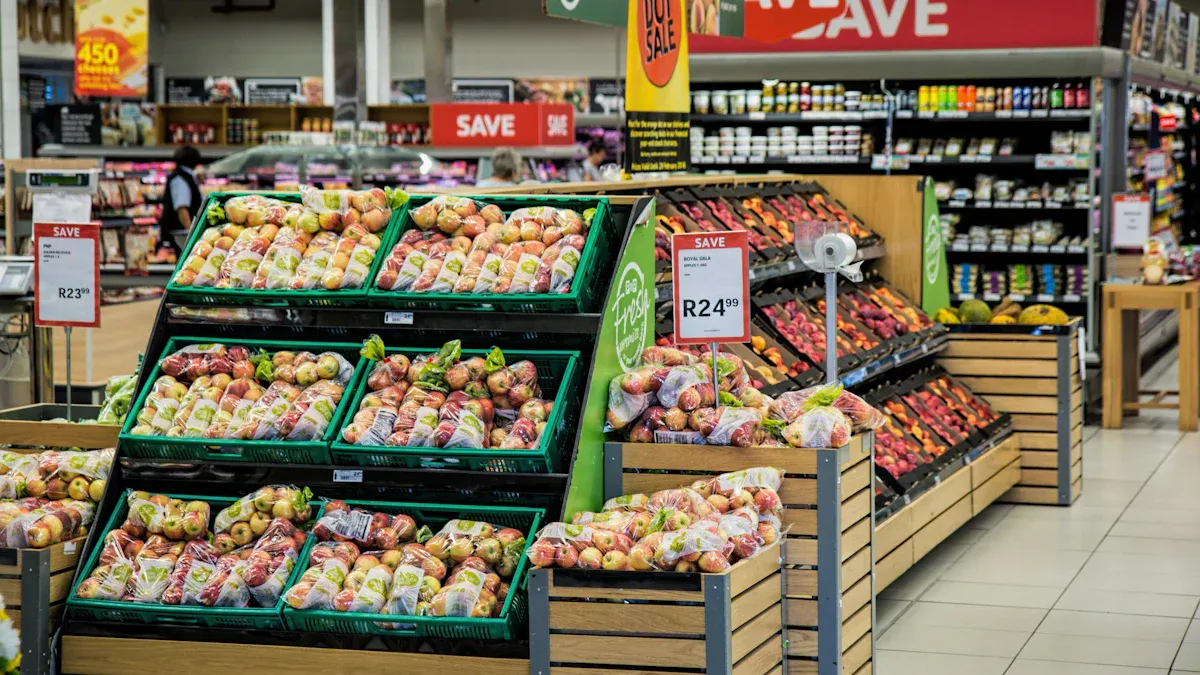
Retail logistics means moving products from suppliers to your store or directly to your customers. You use it to keep your shelves stocked and meet customer needs fast. Strong retail logistics helps you run a smooth supply chain and grow your business.
The global retail logistics market is expanding quickly:
Expected to grow from USD 363.47 billion in 2025 to USD 925.97 billion by 2033.
CAGR of 12.4% from 2025 to 2033.
Recent studies show that technology and product quality matter most for customer satisfaction. See the table below:
Key Findings | Description |
|---|---|
Technology Usage | Improves customer experience the most. |
Product Condition | High standards in logistics lead to happier customers. |
Understanding these basics is the first step toward using a retail logistics solutions guide for your store’s success.
Key Takeaways
Retail logistics is essential for moving products efficiently from suppliers to customers, ensuring shelves are stocked and customer needs are met.
Investing in technology and strong inventory management can significantly improve customer satisfaction and operational efficiency.
Understanding the unique challenges of retail logistics, such as rising consumer expectations and inventory visibility, helps retailers build stronger systems.
Effective logistics management can lower operational costs by 15-30%, leading to higher profits and better customer experiences.
Utilizing a retail logistics solutions guide can help retailers optimize their supply chain, improve delivery times, and enhance overall business performance.
What is Retail Logistics
Definition & Scope
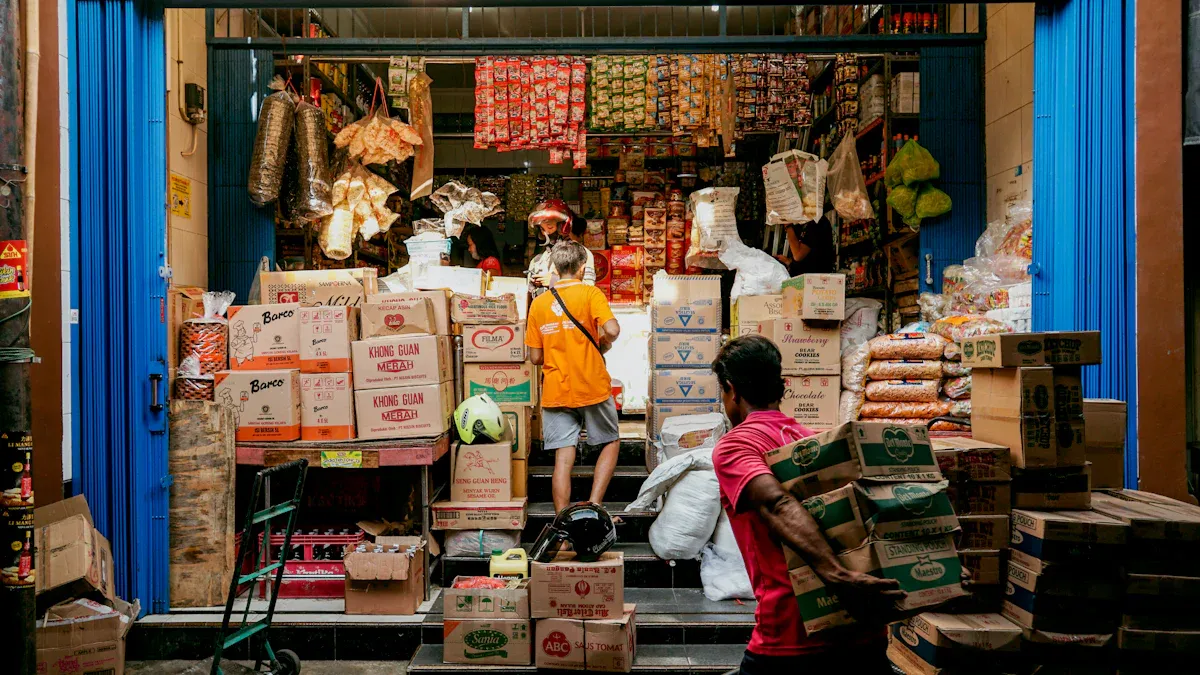
You use retail logistics to move products from suppliers to your store shelves or directly to your customers. This process covers every step needed to get the right product to the right place at the right time. Retail logistics is more than just shipping. It includes planning, storing, and delivering goods so you can meet customer needs and keep your business running smoothly.
Tip: When you manage retail logistics well, you reduce costs and improve customer satisfaction.
Here are the main points that define retail logistics:
Retail logistics ensures the efficient flow of goods from suppliers to store shelves and finally to consumers.
You handle key tasks like inventory management, warehousing, distribution, and last-mile delivery.
Good retail logistics helps you meet customer demands, optimize your supply chain, and lower transportation costs.
You can see how retail logistics covers many important functions in your business. The table below shows the main functions and what each one means for your store:
Function | Description |
|---|---|
Inventory Management | You track stock levels to make sure products are ready to ship when customers want them. |
Warehousing | You store products in the best locations to save time and money on deliveries. |
Order Fulfillment | You process orders quickly and accurately for your customers. |
Transportation | You move products from warehouses to stores or directly to customers. |
Returns Management | You handle returns smoothly to keep customers happy. |
Demand Forecasting | You predict what customers will want so you never run out or overstock. |
Procurement | You buy products from suppliers and manage the purchasing process. |
Distribution | You coordinate moving inventory from warehouses to stores or customers. |
Customer Service | You make sure deliveries are accurate and on time to meet customer expectations. |
Technology Integration | You use tools like RFID and GPS to make logistics faster and more reliable. |
Retail Logistics vs. General Logistics
You might wonder how retail logistics is different from general logistics. The main difference comes from the focus and scale of each process. Retail logistics deals with getting products to individual customers or small businesses, while general logistics often handles larger shipments for big companies or across countries.
The table below highlights the key differences:
Aspect | Retail Logistics | Global Logistics Management |
|---|---|---|
Scope | Local or regional operations | Operates across multiple countries |
Complexity | Less complex, focused on local markets | More complex, involves international regulations and diverse supply chains |
Cost Structure | Generally lower costs | Higher costs due to international factors |
Customer Focus | Individual consumers or small businesses | Large corporations and international markets |
Technology Requirements | Basic inventory and delivery systems | Advanced tracking and ERP systems |
Retail logistics faces some unique challenges that you need to manage every day. For example, customers now expect fast and cheap shipping. Almost all shoppers say shipping cost and speed matter most when they decide to buy. You also need to keep track of your inventory at all times. If you lose sight of your stock, you risk disappointing customers. Labor shortages and rising costs can also make logistics harder for your store.
Challenge | Description |
|---|---|
Rising Consumer Expectations | Most customers care about shipping cost and speed when making purchases. |
Lack of Inventory Visibility | Not knowing your inventory levels can slow down order fulfillment. |
Supply Chain Complexity | More suppliers and global sourcing can make your supply chain harder to manage. |
High Costs | Logistics costs often get added to product prices, so you need to keep them low to stay competitive. |
Labor Shortages | Not enough workers in transportation can delay deliveries and hurt your business. |
Note: When you understand these differences and challenges, you can build a stronger logistics system for your retail business.
Why It Matters for Retailers
Product Availability & Customer Satisfaction
You need to keep your shelves stocked and your customers happy. Retail logistics helps you do this by making sure products arrive on time and in good condition. When you use real-time data to track sales and inventory, you can quickly adjust to changes in demand. This means you avoid running out of popular items or having too much stock that does not sell.
Optimizing your warehouse and distribution processes reduces delivery times.
Managing inventory across your stores helps you minimize stockouts and improve turnover rates.
Timely and accurate deliveries make sure customers find what they want, when they want it.
Tip: When you invest in modern equipment and train your staff well, you boost service quality and customer satisfaction. Studies show that efficient logistics operations lead to higher customer satisfaction scores.
Operational Efficiency
Retail logistics makes your business run smoother. You can use technology like AI, automation, and IoT to speed up your logistics. These tools help you deliver products faster and more reliably, which saves you money and keeps your customers coming back.
Efficiency Aspect | Description |
|---|---|
Advanced Inventory Management | Forecast demand, manage stock in real time, and avoid overstock or stockouts |
Enhanced Delivery Processes | Analyze routes for cost-effective and quick delivery |
Real-time Tracking | Let customers monitor orders and improve reliability |
Scalable Technology | Grow your logistics as your business expands |
Sustainable Practices | Lower your environmental impact and build brand loyalty |
You can also streamline order management and warehouse operations to cut costs. For example, companies like Amazon and Walmart use advanced systems to reduce excess inventory and lower transportation costs.
Economic Impact
Retail logistics does more than move products. It shapes the entire retail industry. In the U.S., the retail logistics market was valued at over $43 billion in 2021 and keeps growing. Good logistics helps you manage your supply chain, deliver products quickly, and control costs.
Retail logistics creates jobs in warehouses, fulfillment centers, and customer service.
E-commerce growth shifts jobs from stores to logistics, often with better pay.
Automation changes the types of jobs available, creating new roles in tech and management.
Note: When you use strong retail logistics, you not only improve your business but also support the economy and create new opportunities for workers.
Key Components of Retail Logistics
Inventory Management
You need strong inventory management to keep your store running smoothly. Good practices help you avoid running out of popular products or holding too much stock. Here are some best practices you can follow:
Flex your ordering muscles to keep the right amount of stock.
Share forecasts with your suppliers and track their performance.
Monitor key performance indicators (KPIs) to understand what sells best.
Organize your warehouse to make finding products easier.
Conduct regular audits and train your staff for accuracy.
Use an inventory management system to automate tasks.
Advanced inventory systems give you real-time visibility and use data analytics to help you make better decisions. These systems save money by catching mistakes early and keeping your shelves stocked.
Feature | Benefit |
|---|---|
Real-time visibility | Prevents out-of-stock situations |
Data analytics | Improves forecasting and planning |
Cost savings | Reduces expenses by finding errors quickly |
A retail logistics solutions guide can help you set up these systems and improve your inventory control.
Warehousing & Distribution
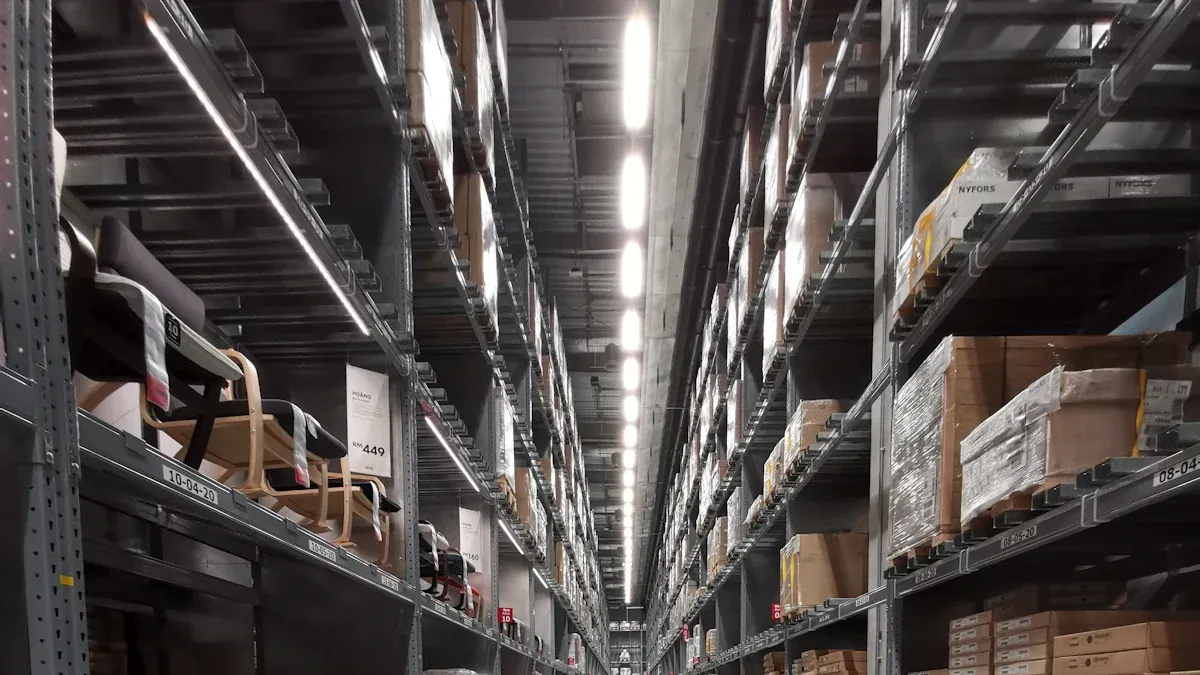
Warehousing and distribution make sure your products reach customers quickly. Trends like micro-fulfillment centers and on-demand warehousing help you respond to changing demand. Automation, such as robotics and guided vehicles, speeds up picking and packing.
By using automated systems, you can make your warehouse faster, more accurate, and ready for busy seasons.
Micro-fulfillment centers in cities help you solve last-mile delivery challenges. A retail logistics solutions guide can show you how to use these new trends to boost your efficiency.
Order Fulfillment & Last-Mile Delivery
Order fulfillment covers everything from receiving an order to delivering it to your customer. You can use automation to track inventory and pick orders faster. Good communication keeps your team and customers updated.
Modern last-mile delivery uses real-time tracking and clear delivery timelines. These features build trust and encourage customers to buy from you again.
Service | Customer Benefit |
|---|---|
Real-time tracking | Reduces uncertainty and builds trust |
Expedited shipping | Speeds up delivery and increases sales |
Clear timelines | Lowers cart abandonment |
A retail logistics solutions guide can help you choose the best fulfillment and delivery strategies for your business.
Returns Management
Returns are a big part of retail logistics. Online stores see higher return rates than physical stores. Handling returns well keeps your customers happy and protects your profits.
Automate returns to save time and resources.
Use a central system to keep everyone informed.
Offer easy return options to build customer loyalty.
A smooth returns process encourages customers to shop with you again.
Technology in Retail Logistics
Technology helps you manage every part of retail logistics. Tools like AI, machine learning, and IoT tracking improve demand forecasting and delivery performance. Automation reduces mistakes and speeds up your operations.
Technology Tool | |
|---|---|
AI and ML | Improve planning and pricing |
GPS tracking | Enhance delivery performance |
Automation | Reduce errors and speed up processes |
Using the right technology, you can make your logistics more efficient and reliable.
Retail Logistics Solutions Guide
Common Challenges
You face many challenges in retail logistics every day. High transportation costs can take up half of your supply chain expenses, especially when you use outdated routes or old delivery methods. Inventory planning often causes trouble. If you overstock or understock, you risk losing money and disappointing customers. Handling returns is another big issue. Online stores see return rates as high as 17.6%, and each return can cost you about $30. Poor warehouse organization slows down your team and leads to delays. Global shipping adds more complexity with customs and regulations. Demand forecasting mistakes can leave you with too much or too little stock.
Here is a table that shows the most common challenges you might encounter:
Challenge | Description |
|---|---|
High transportation costs | Fuel and inefficient routes can make up 50% of your supply chain expenses. |
Inventory planning issues | Overstocking and understocking cost businesses over $1 trillion each year. |
Handling returns | Ecommerce returns cost more and happen more often than in-store returns. |
Poor warehouse organization | Disorganized warehouses waste space and slow down order processing. |
Global shipping complexities | Customs and compliance issues can cause delays and extra costs. |
Inaccurate demand forecasting | Wrong predictions lead to lost sales or excess inventory. |
Long lead times can also hurt your business. When you wait too long for products, you risk stockouts and unhappy customers. Keeping extra inventory to avoid this problem increases your storage costs and ties up your cash. Stockouts mean customers leave your store empty-handed, while too much inventory can become outdated and expensive to store.
Tip: Understanding these challenges is the first step in using a retail logistics solutions guide to improve your operations.
Strategies & Best Practices
You can overcome these challenges by following proven strategies and best practices. Start by using inventory management software. This helps you track stock levels and automate reordering. Build strong relationships with your suppliers and use a reliable management system to keep your supply chain running smoothly. Train your employees well and use scheduling tools to make sure you always have enough staff.
Technology plays a big role in modern retail logistics. Invest in integrated solutions to connect your inventory, orders, and deliveries. Optimize your order fulfillment process to reduce lead times and boost efficiency. Make your return policies customer-friendly and use technology to handle returns quickly. Prevent losses by using security measures and regular audits. Use data analytics to understand sales trends and improve your inventory decisions. Always stay updated on regulations to avoid costly mistakes.
Here is a table of effective strategies and best practices:
Strategy/Practice | Description |
|---|---|
Inventory Management | |
Supply Chain Management | Build strong supplier relationships and use robust systems. |
Employee Management | Train staff and use scheduling software for better coverage. |
Technology Integration | Connect all logistics processes with integrated technology. |
Order Fulfillment | Streamline processes to reduce lead times. |
Returns and Exchanges | Make returns easy and use tech to speed up the process. |
Loss Prevention | Use security and audits to prevent shrinkage. |
Analytics and Reporting | Analyze data to spot trends and improve performance. |
Compliance and Regulations | Stay informed and follow all laws and rules. |
A retail logistics solutions guide can help you put these strategies into action. For example, you can use AI and predictive analytics to forecast demand and optimize warehouse space. Inventory management software gives you a clear view of your stock and helps you avoid costly mistakes. You can also use your stores as fulfillment hubs to speed up last-mile delivery. Focusing on sustainability by working with eco-friendly logistics partners can also set your business apart.
Note: Regularly review your key performance indicators, such as on-time delivery rates and transportation costs. Use these insights to find and fix problems quickly.
Optimizing Supply Chain Management
You can make your supply chain stronger by following a few key steps. Order inventory early and in the right amounts to meet customer demand. When you receive and sort merchandise, check everything carefully and store it properly to avoid losses. Use multiple warehouses to cut shipping times and costs. Meet customer expectations by fulfilling, managing, and tracking orders quickly and accurately. Ship from the nearest warehouse and handle returns efficiently to save time and money.
Here are some best practices for optimizing your supply chain:
Use demand forecasting and planning tools to predict what your customers will want.
Implement just-in-time inventory and ABC analysis to manage stock efficiently.
Integrate information systems and technology for real-time tracking and better decisions.
Optimize parcel shipping to lower costs and speed up deliveries.
Build a customer-centric supply chain with real-time tracking and easy returns.
When you follow a retail logistics solutions guide, you can see real results. Many retailers have reduced delivery times by 18% and increased order fulfillment accuracy by 22%. Failed deliveries dropped from 22% to 7%. Customer satisfaction, measured by Net Promoter Score, improved by 25%. You also benefit from fewer picking errors, faster order cycles, and higher on-time delivery rates. These improvements lead to better margins and stronger customer loyalty.
Remember: Each part of your logistics process matters. Use a retail logistics solutions guide to connect these parts and create a supply chain that works for you and your customers.
Impact on Customer Experience
Meeting Expectations
You want your customers to feel confident when they shop at your store. Retail logistics helps you meet their expectations every step of the way. When you deliver products on time, you build trust. Accurate inventory means your customers find what they need without disappointment. Efficient returns make shopping easy and encourage repeat visits. Real-time tracking lets customers know where their orders are, reducing uncertainty. Technology integration speeds up your logistics and makes your service more reliable.
Here is how retail logistics supports customer expectations:
Aspect of Retail Logistics | Impact on Customer Expectations |
|---|---|
Timely Deliveries | Establishes trust and prevents purchase abandonment due to delays. |
Inventory Accuracy | Prevents stockouts, ensuring product availability and customer satisfaction. |
Efficient Returns Management | Enhances shopping experience and builds long-term customer loyalty. |
Real-time Tracking | Reduces uncertainty and improves customer satisfaction. |
Integration of Technology | Optimizes logistics for faster, reliable, and cost-effective services. |
Tip: When you focus on these areas, you create a shopping experience that keeps customers coming back.
Driving Business Success
Retail logistics does more than satisfy your customers. It drives your business forward. If you manage logistics poorly, you risk losing up to 20% of your revenue. When you improve logistics, you can lower operational costs by 15-30%. Strong logistics management leads to better customer experiences, which helps you stand out in a crowded market.
Consider these facts:
Evidence | Explanation |
|---|---|
Inefficient logistics can consume up to 20% of a company's revenue. | Poor logistics drains resources that you could use for growth. |
Companies focusing on effective logistics see operational costs drop by 15-30%. | Lower costs mean higher profits and more room to invest in your business. |
Strong logistics management is linked to improved customer experience. | Satisfied customers are more likely to return and recommend your store. |
A poor delivery experience can lead to customers shopping elsewhere. | Reliable logistics keeps your customers loyal. |
Efficient logistics can provide a competitive edge in a crowded market. | You gain an advantage over competitors who struggle with logistics. |
Note: When you invest in retail logistics, you build a foundation for long-term success and customer loyalty.
Retail logistics shapes your store’s success. When you invest in smart logistics, you lower costs, speed up deliveries, and keep customers happy. You also build a business that can handle change and meet new demands. Retailers who use advanced logistics see better results, even during tough times.
You boost efficiency from warehouse to checkout.
You stay ready for market shifts and rising customer expectations.
A strong logistics system helps you grow and stay ahead in retail.
FAQ
What is the main goal of retail logistics?
You use retail logistics to get products to your customers quickly and accurately. The main goal is to keep your shelves stocked and meet customer needs every day.
How does technology help in retail logistics?
Technology helps you track inventory, manage orders, and plan deliveries. You can use tools like barcodes, GPS, and software to make your logistics faster and more reliable.
Why is last-mile delivery important?
Last-mile delivery gets products from your warehouse to your customer’s door. Fast and accurate last-mile delivery builds trust and keeps your customers happy.
How can you reduce logistics costs?
You can lower costs by:
Using better routes for delivery
Automating warehouse tasks
Managing inventory carefully
What happens if you ignore retail logistics?
If you ignore retail logistics, you risk empty shelves, late deliveries, and unhappy customers. Your business may lose sales and fall behind competitors.
See Also
Ensure Timely Movement Of Your eCommerce Inventory With PGL
The Role Of Point-to-Point Logistics In Global Efficiency
Reasons Southern California eCommerce Brands Prefer PGL Warehousing
Efficient Inventory Management And Distribution With PGL
Understanding PGL's B2B Warehousing And Distribution On The East Coast
