How to Find the Best Logistics Solution for Your Business in 2025
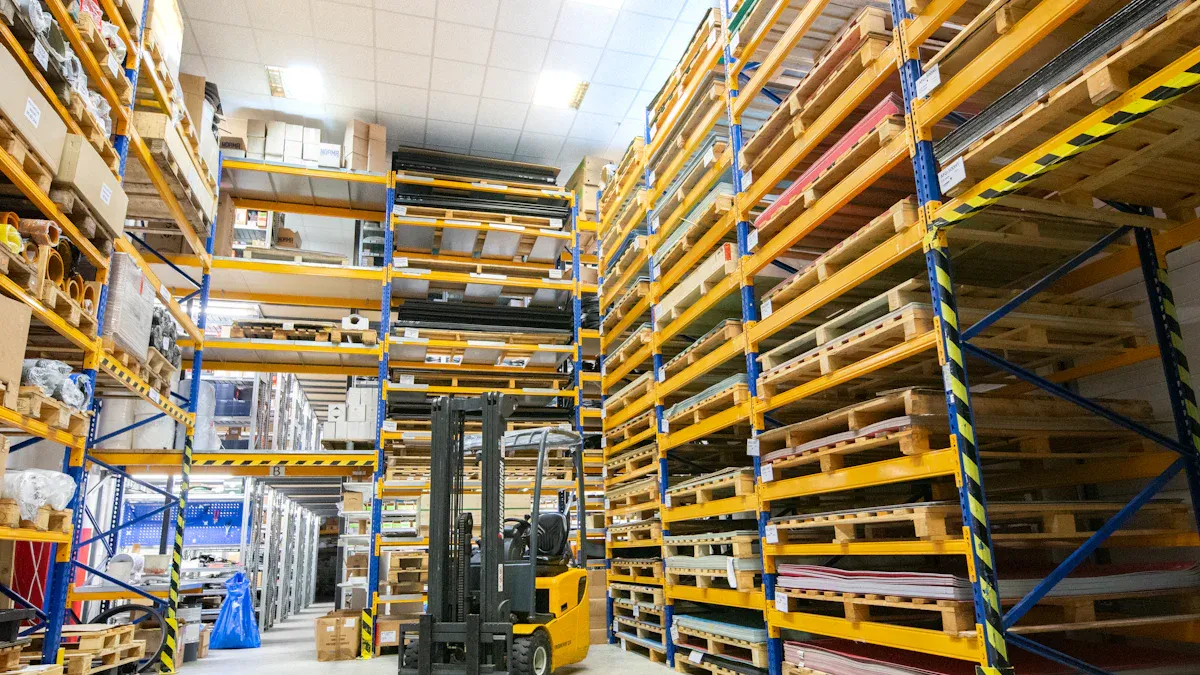
Finding the best logistics solution in 2025 starts with understanding your needs and comparing providers. The right partner boosts efficiency and customer satisfaction, driving business success. Companies see big changes when they choose wisely:
A major retailer cut shipping costs by 20% and improved customer satisfaction with expert logistics support.
Advanced technology led a consumer goods company to 15% more accurate orders and better stock levels.
You may face challenges like complex global supply chains, rising costs, and labor shortages. Use a solution logistics guide to reflect on your current struggles and future goals.
Key Takeaways
Understand your logistics needs clearly. Use a solution logistics guide to identify gaps and plan for future growth.
Evaluate logistics providers based on industry experience, service range, and technology capabilities. Choose a partner that aligns with your business goals.
Implement flexible and scalable logistics systems. This helps you adapt to market changes and manage demand fluctuations effectively.
Leverage advanced technologies like AI and IoT to enhance efficiency. These tools improve tracking, reduce errors, and boost customer satisfaction.
Focus on sustainability in your logistics strategy. Use eco-friendly practices to meet customer expectations and reduce your environmental impact.
Solution Logistics Guide: Define Your Needs
Choosing the best logistics solution starts with a clear understanding of your business needs. A solution logistics guide helps you break down your requirements, spot gaps, and plan for the future. You can use this guide to make smart decisions and set your business up for success.
Assess Current Operations
Begin by looking at your current logistics process. You need to know what works and what needs improvement. Use key performance indicators to measure your operations:
On-time final delivery shows if your shipments arrive when promised. If your rate falls below 98%, you may need to improve your process.
Cost per pound helps you see how much you spend to move products. This can reveal buying patterns and areas to save money.
Capacity utilization tells you if you use your resources well. High utilization means you handle demand efficiently.
Equipment utilization rate shows if you have enough equipment. Aim for 70%-90% to avoid waste or shortages.
Pick and pack cycle time measures how fast you prepare orders in the warehouse.
Inventory accuracy checks if your records match your actual stock.
Percentage of shipments damaged points to problems in handling or packaging.
Sustainability KPI tracks your carbon footprint per shipment.
Tip: Compare your logistics process to other successful companies. Benchmarking helps you find new ideas and spot gaps. You can also run training programs to teach your team about new strategies and technologies.
You can follow these steps to identify gaps:
Find a non-competitive company with similar products and study their logistics.
Take what works for them and avoid what does not fit your business.
Use up-to-date data to spot problems and plan improvements.
Identify Specialized Services
Your business may need more than basic shipping. Specialized services like bundling, kitting, and custom labeling can make your supply chain faster and more accurate. Professionals handle these tasks every day, so they work quickly and make fewer mistakes. Their skills help your products move smoothly through the supply chain.
Here are some benefits of using specialized services:
Benefit | Description |
|---|---|
Proper SKU labeling makes it easy to find items, saving time during kitting. | |
Error Reduction | Clear labels help workers pick the right items, reducing mistakes. |
Enhanced Order Accuracy | Accurate labeling supports automated checks before shipping, so orders are correct. |
You can use a solution logistics guide to list all the services you need. For example, e-commerce businesses often need fast warehousing and fulfillment. Omnichannel retailers look for flexible delivery options. Waterway and rail transport are growing because they save money and handle large shipments.
Note: Value-added services like kitting and custom labeling help you stand out from competitors. They let you meet customer needs and improve supply chain efficiency.
Plan for Growth
Your logistics needs will change as your business grows. You must plan for scalability and flexibility. Outsourcing logistics functions can lower costs and give you access to new technology. Negotiating better shipping rates helps control expenses as your order volume increases.
A solution logistics guide can help you choose strategies that support growth. Look for systems that grow with your business. These systems should be flexible, automated, and easy to upgrade. You may want to use cloud-based platforms, real-time tracking tools, and modular solutions that let you add new features as needed.
Strategy | Description |
|---|---|
Flexible and automated systems that grow with your business. | |
Multimodal Transport Management | Manage different shipping modes in one place, adapting to your needs. |
Seamless Integration | Connect with your current platforms for smooth data sharing. |
Centralized Visibility | See all your operations in one dashboard for better control. |
Automation | Use technology to reduce manual work and errors. |
Modularity | Build logistics capabilities step by step, saving time and money. |
Standardized Processes | Keep performance steady and reduce mistakes across locations. |
Flexibility | Change your logistics quickly to match market shifts. |
Seasonal changes can affect your logistics plan. You need flexible strategies to handle busy times and slow periods. Data-driven forecasting helps you predict demand. Working closely with suppliers keeps your supply chain strong. Surges in demand during holidays or sales can strain your system, while slow periods may leave you with extra stock. Build flexibility and scalability into your operations to stay agile.
Tip: Use demand forecasting and cross-functional teamwork to stay ahead of seasonal swings. This keeps your customers happy and your costs under control.
A solution logistics guide helps you prepare for industry-specific challenges and seasonal changes. You can use it to review your needs, plan for growth, and stay competitive in 2025.
Logistics Provider Criteria
Choosing the right logistics provider shapes your business success. You need to look at several important criteria before making a decision. A solution logistics guide helps you compare providers and find the best fit for your needs. Use the following checklist to evaluate each provider.
Industry Experience
You want a logistics partner who understands your industry. Providers with experience in your field know the rules and common challenges. They help you avoid mistakes and delays.
A seasoned provider reduces risks and keeps shipments on schedule.
Industry-specific knowledge means your logistics partner can handle special requirements.
Providers with a strong track record manage market changes and disruptions better.
Companies that handled past crises, like the COVID-19 pandemic, show reliability.
Tip: Ask providers about their experience with businesses like yours. Look for stories of how they solved problems for similar clients.
Service Range
Top logistics providers offer a wide range of services. You need more than just shipping.
Transportation
Warehousing
Supply chain management
Freight forwarding
Specialized solutions for your industry
A provider with many services can support your growth and adapt to your changing needs. You save time and money by working with one partner for many tasks.
Technology & Visibility
Advanced technology makes logistics faster and more accurate. You want a provider who uses modern tools for tracking and managing shipments.
RFID tags track items wirelessly.
Sensors monitor temperature and humidity during transit.
Electronic logging devices show driving time and delivery progress.
Barcode scanning records inventory movements.
Supply chain software gives you real-time access to information.
IoT connectivity lets you see every step in the process.
Modern technology helps you track shipments instantly. You can spot problems early and fix them fast. Real-time visibility improves efficiency and keeps your customers happy.
Scalability & Flexibility
Your logistics needs change as your business grows. You need a provider who can scale up or down quickly.
Scalable solutions let you handle busy seasons and slow periods without losing quality.
Flexible logistics help you manage unpredictable demand.
You save money by using resources only when you need them.
Fast delivery and custom options keep your customers loyal.
Scalable systems support your growth and keep operations smooth.
A solution logistics guide helps you find providers who offer scalable and flexible services. This keeps your business agile and ready for new opportunities.
Warehouse Network
Warehouse location affects delivery speed and cost. You want a provider with a strong network of warehouses.
Strategic locations improve supply chain agility and lower costs.
Multiple warehouses allow for faster fulfillment and shorter transit times.
Warehouses near customers enable same-day or next-day delivery.
Regional centers reduce pressure on single sites and solve last-mile challenges.
Well-placed warehouses boost customer satisfaction and cut expenses.
Note: Ask providers where their warehouses are located. Choose partners with sites close to your main markets.
Customer Support
Good customer support makes logistics easier. You need a provider who responds quickly and solves problems fast.
Here are key metrics to check:
Metric | Description |
|---|---|
Time to Answer Calls | How fast support responds to your questions |
Timeliness of Data Transactions | How quickly updates and reports are shared |
Frequency of Customer Surveys | How often feedback is collected |
Flexibility of Service Provider | How well the provider adapts to your needs |
Engagement of Customer Service Staff | How involved and attentive support staff are |
Escalation Process Performance | How well issues are resolved when they arise |
Quality of Supply Chain Recommendations | How useful their advice is for your business |
You can also look at other metrics like Net Promoter Score, Customer Churn Rate, and First Contact Resolution Rate. These scores show how well the provider serves its clients.
Reputation & Reviews
Online reviews and client testimonials help you judge a provider’s reliability.
Reviews build trust and show real experiences.
Positive testimonials attract new clients and set providers apart.
Feedback gives you insight into service quality and customer satisfaction.
Social proof helps you choose a provider who meets expectations.
Tip: Always check reviews and ask for references. Reliable providers have happy customers who share their stories.
Logistics Provider Criteria Table
Criteria | Description |
|---|---|
Expertise and Industry Knowledge | Specialized knowledge tailored to your industry, ensuring compliance and efficiency. |
Reliability and Track Record | History of timely deliveries and great service, giving you peace of mind. |
Technology Capabilities | Advanced systems for tracking and automation, reducing errors and boosting efficiency. |
Global Network and Reach | Wide transportation channels for international shipping and customs expertise. |
Scalability and Flexibility | Ability to adapt to your changing needs and handle demand swings without losing quality. |
Use this table as part of your solution logistics guide to compare providers. This helps you make a smart choice for your business in 2025.
Compare Logistics Solutions

Create an Evaluation Checklist
You need a clear checklist to compare logistics solutions. This helps you stay organized and make smart choices. Here is a step-by-step list you can use:
Assess your business needs and set clear goals.
Conduct a cost-benefit analysis for each provider.
Plan employee training and leadership roles.
Prepare for implementation and set up communication channels.
Customize software and integrate workflows.
Monitor and evaluate software deployment.
Manage changes and adapt quickly.
Work with logistics consultants for expert advice.
Fulfill your role in the deployment process.
Tip: Use this checklist to keep your evaluation focused and thorough.
Analyze Proposals
When you receive proposals from logistics providers, you should look at key areas:
Check their expertise. Make sure they know your industry and service needs.
Review their technology. Look for strong inventory management and real-time tracking tools.
Ask important questions. Find out how they handle demand planning and returns.
You can compare each proposal side by side. This helps you see which provider matches your needs best.
Reference Checks
Before you choose a provider, talk to their current or past clients. Ask questions that reveal real experiences. Use this table to guide your reference checks:
Question Number | Question |
|---|---|
1 | How smooth was your implementation? Did the system easily plug into your existing technology environment? |
2 | How long did it take to fully train your staff to use the solution? |
3 | Did the vendor assist in your roll-out? If so, in what way? |
4 | Have you experienced any problems with the software, such as bugs? |
5 | What kind of user adoption rates have you experienced? |
6 | What kind of feedback have you gotten from end users about the solution’s ease of use, functionality, etc.? |
7 | What kind of ROI have you achieved so far? Have you seen the kind of results you expected/were promised, or do you feel you could be getting more from the system? |
8 | What kind of support have you received, and how responsive is the vendor to your questions and issues? |
Cost vs Value
You must balance cost with value and service quality. Set a pricing strategy that fits your budget and goals. Cost-plus pricing helps you see true expenses and overheads. Digitization can lower costs and boost efficiency.
Optimize your warehouse layout for faster pick-and-pack.
Invest in advanced technology for better inventory management.
Logistics network optimization helps you move goods efficiently and keep expenses low. It makes sure your products reach customers quickly, balancing cost and service quality.
2025 Trends in Logistics

Advanced Technologies
You will see technology change logistics in 2025. Companies use smart tools to make work faster and more accurate. Robots help in warehouses. Artificial intelligence (AI) plans better routes and predicts what you need. Data analytics gives you real-time updates and helps you make good decisions. Blockchain keeps your shipments safe and easy to track. Cloud computing lets you see your supply chain from anywhere. The Internet of Things (IoT) connects devices and collects important data. These tools help you deliver products on time and keep customers happy.
Trend | Description |
|---|---|
AI & Robotics | AI and robots improve route planning, inventory, and demand forecasting. Warehouses work faster. |
Data Analytics & Predictive Insights | Real-time data helps you make smart choices and boost efficiency. |
Blockchain | Tracks goods from start to finish, stopping fraud and building trust. |
Cloud Computing | Makes supply chains flexible and helps you serve customers better. |
IoT Integration | Connects devices for better tracking and control. |
Omnichannel Logistics | Combines online and store shopping, making inventory easy to manage. |
Last-Mile Delivery Innovations | Drones and smart lockers speed up deliveries and add convenience. |
Tip: Use these technologies to stay ahead of your competition and meet customer needs.
Sustainability
Sustainability matters more than ever in 2025. You need to show that your business cares about the planet. Many companies now use electric vehicles and energy-saving systems. They pick routes that use less fuel and choose packaging that you can reuse or recycle. Carbon tracking tools help you measure and lower your impact on the environment. Meeting Environmental, Social, and Governance (ESG) standards is now a key part of doing business.
Strategy | Description |
|---|---|
Green practices | Use eco-friendly methods to improve performance and reduce waste. |
Electric vehicles | Lower emissions by switching to electric or low-emission trucks and vans. |
Energy-efficient systems | Save energy with smart storage and retrieval systems. |
Route optimization | Plan routes to use less fuel and cut emissions. |
Reusable packaging | Choose materials that you can use again or recycle. |
Carbon tracking tools | Track and report your carbon footprint with digital tools. |
Note: Customers and investors now expect you to use green logistics solutions.
Market Adaptability
You must adapt quickly to changes in the market. In 2025, logistics companies invest in new technology to stay flexible. They work closely with partners and clients to solve problems fast. Flexible operations help you handle sudden changes in demand or supply. Focusing on sustainability also helps you meet new rules and customer expectations.
Invest in technology to boost your logistics skills.
Work with partners to create agile and responsive operations.
Keep your processes flexible to handle market shifts.
Make sustainability a core part of your strategy.
Staying adaptable helps you manage risks and keep your business strong in a changing world.
Make the Right Choice
Align with Strategy
You need to make sure your logistics solution matches your business strategy. Start by looking at your market. Regional market analysis helps you understand local conditions and spot new opportunities. Design your logistics network to fit the needs of each region. Think about infrastructure and demand in every area.
Set up systems to measure performance. These systems track how well your logistics work. You can see what needs improvement and what works well. Work with other departments and partners. Collaboration helps you solve problems and find better ways to move goods.
When you align logistics with your strategy, you gain many benefits:
Improved decision-making lets you act quickly.
Proactive problem-solving helps you avoid delays.
Better forecasting keeps your inventory at the right level.
Efficient inventory management saves money and space.
Faster delivery times make your customers happy.
Tip: Review your logistics plan often. Make changes when your business goals shift or when you see new trends.
Plan Implementation
You need a clear plan to put your logistics solution into action. Start by choosing tools that fit your needs. A transportation management system (TMS) with accounting features saves time and improves cash flow. Pick a scalable system so you can grow without switching platforms.
Visibility matters. You must see every step in your logistics process. This helps you spot problems and find ways to improve. Lean logistics practices help you cut costs and make quick decisions. You can save up to 40% on logistics costs by using lean methods.
Use vendor compliance programs to keep your logistics running smoothly. These programs help you meet customer needs and stand out from competitors. Consider switching to Freight Collect for better control over inbound shipments. This gives you more cost visibility and efficiency.
Description | |
|---|---|
Back Office Duties | Integrated accounting in your TMS saves time and cuts costs. |
Scalability | Scalable systems let you grow without changing platforms. |
Visibility into Logistics | See every step to find opportunities and challenges. |
Lean Logistics | Quick decisions and lean practices can save up to 40% on costs. |
Vendor Compliance Programs | Streamline logistics and improve customer service. |
Freight Paid to Freight Collect | Gain control and visibility over inbound logistics. |
Continuous Evaluation | Regularly assess and improve your logistics strategies. |
Note: Keep checking your logistics performance. Regular evaluation helps you adapt to changes and stay ahead in your market.
A careful logistics evaluation helps you reach better business outcomes. You can measure order-to-delivery time, monitor returns, and check resource use to find ways to improve. Future trends like advanced technology and sustainability shape your long-term success. Start your evaluation now:
Explore new shipping routes and local distribution centers.
Use IoT sensors and tracking tools for real-time updates.
Key Benefit | Description |
|---|---|
Improved Efficiency | Faster, more reliable deliveries |
Cost Savings | Lower expenses through smart logistics |
Competitive Edge | Happier customers and stronger performance |
Connect with logistics providers today to build a smarter supply chain.
FAQ
What is the most important factor when choosing a logistics provider?
You should focus on reliability. A reliable provider delivers your products on time and keeps your customers happy. Check their track record and ask for references.
How can technology improve my logistics operations?
Technology gives you real-time tracking and better inventory control. You can use tools like IoT sensors and cloud software. These tools help you spot problems early and make quick decisions.
Why does sustainability matter in logistics?
Sustainability helps you lower costs and protect the environment. Customers and investors look for green practices. You can use electric vehicles, reusable packaging, and route planning to reduce your carbon footprint.
How do I know if my logistics solution can scale with my business?
Check if your provider offers flexible services and automated systems. Ask if they can handle more orders during busy seasons. Scalable solutions help you grow without delays or extra costs.
See Also
Enhancing Global Operations Through Innovative Logistics Strategies
Streamlined Supply Chain Solutions for American Logistics Success
Key Strategies for Effective Global Logistics Management
Boosting Global Efficiency With Point-to-Point Logistics Systems
Optimizing Inventory and Distribution Through Global Logistics Warehousing
