Specialized Project Cargo Forwarders: Expertise, Capabilities, and Key Selection Criteria
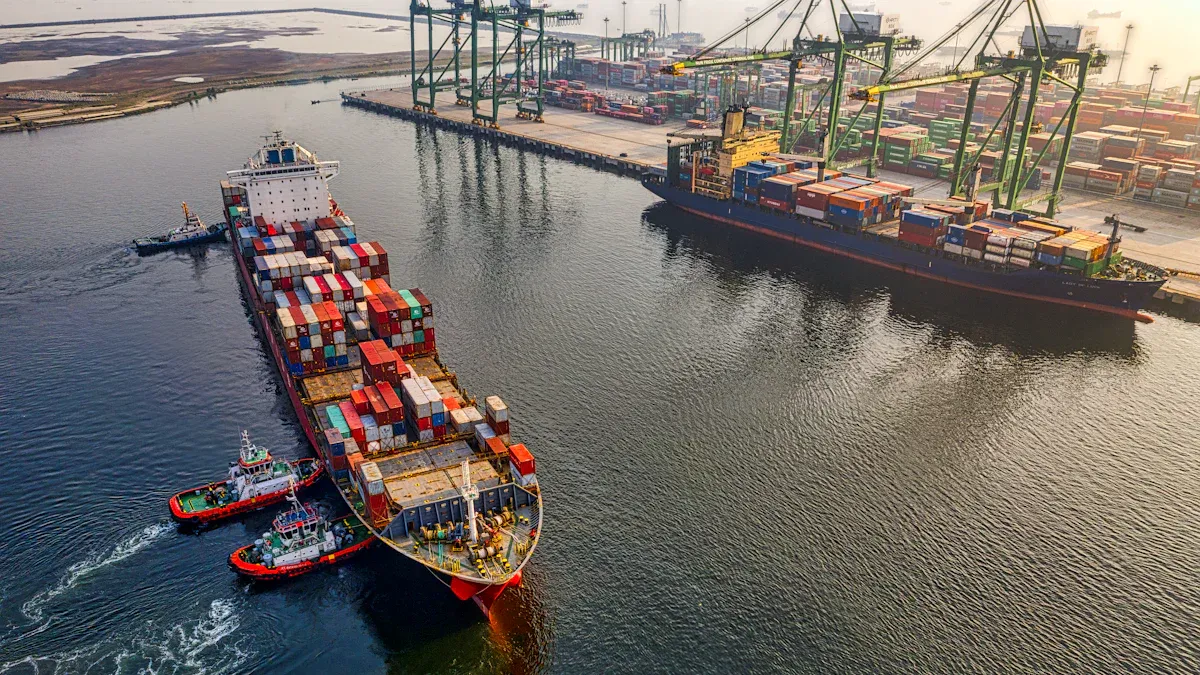
Specialized project cargo forwarders help you move big or tricky shipments. Regular cargo freight forwarder services cannot handle these shipments. You face special problems in project cargo logistics. These problems include legal permits, weather issues, and working with many suppliers. Expertise is important because each project has risks and needs careful planning. Each project also has technical needs. Look at the table below for common risks you must think about:
Description | |
|---|---|
Contract Risks | Hard contract words, like set loss amounts and damages. |
Logistical Challenges | Delays, damages, bad coordination, and checking infrastructure. |
Technical Expertise | Need for trained workers and safe lashing systems. |
Safety Measures | Watching and acting fast for important shipments. |
Environmental Risks | Effect on people and need to talk with them. |
You need a forwarder who knows these needs. They must handle every part of your freight shipment.
Key Takeaways
Specialized project cargo forwarders help move big shipments. They deal with hard problems like permits and planning.
Pick a forwarder who knows your industry well. Their skills help stop delays and keep your cargo safe.
Find someone who talks clearly and shares prices. Good forwarders tell you what is happening and answer your questions.
Look for certifications and safety records. A trusted forwarder follows rules and has insurance for your shipment.
Use digital tracking tools. These tools show updates on your shipment and help you plan better.
What Is Project Cargo?
Project cargo is when you move big, heavy, or expensive freight. These items do not fit in regular containers. You often see project cargo in large building, energy, or factory projects. These shipments need special planning and tools. In logistics, project cargo means freight that needs custom plans and strong risk control. The table below shows how project cargo is different from general cargo:
Key Characteristics | Project Cargo | General Cargo |
|---|---|---|
Oversized and Heavy Cargo | Yes | No |
Custom Solutions | Yes | No |
Project-Specific Planning | Yes | No |
Risk Management | Yes | No |
Types of Project Cargo
There are a few main types of project cargo. Each type needs special care and equipment. Here are some examples:
Wind turbine parts, like nacelles, blades, and towers. These are very big or heavy. A nacelle can weigh up to 120 tons.
Construction machines, such as cranes and excavators.
Oil and gas modules, which are often very large.
Mining equipment, like big trucks and drills.
Industrial production lines, which come in large, important pieces.
Project cargo shipping is used for big projects. You must plan every step to stop problems.
Unique Challenges in Project Cargo Shipping
Project cargo shipping has many tough problems. You might face delays, bad weather, or trouble getting to the site. For example, the Papua New Guinea LNG project had work stoppages and land problems. These issues cost $1.2 billion and added $700 million in extra shipping costs. The V.C. Summer Nuclear Station Power Plant Project had late deliveries and slow manufacturing. These delays made the project cost $200 million more.
Tip: Always check your route, permits, and tools before moving big loads. Good planning helps you avoid expensive delays.
You need to work with many suppliers and follow safety rules. You must control risks and keep your freight safe while moving it. Project cargo shipping means you must stay alert and fix problems fast.
Expertise of Specialized Project Cargo Forwarders
Specialized project cargo forwarders have special skills for each shipment. You need their help when moving big or heavy cargo. These experts know how to plan and organize freight that is too large for regular containers. Their skills help you avoid mistakes and delays.
Engineering-Led Planning
You must begin with strong engineering planning. Specialized project cargo forwarders use surveys to check every route. They look at bridge height, road strength, and port access. Your team can charter special planes, like the Antonov An-124, for big or urgent shipments. These forwarders also set up cranes at both ends. Many have teams just for project cargo.
Skills and certifications you should expect:
Route engineering surveys
Chartering special planes for big or urgent freight
Setting up cranes for loading and unloading
Teams for project cargo
Tip: Always ask your forwarder about their planning steps. Good planning stops problems before they happen.
Specialized project cargo forwarders use smart logistics to find risks early. They check carriers and make clear contracts to protect your shipment. You feel safe knowing your freight is in good hands.
Multimodal Coordination
Project cargo shipping often needs more than one way to move freight. You use sea, air, rail, and road to get your shipment from start to finish. Specialized project cargo forwarders manage all these ways in one plan. This makes your shipment faster and safer.
Mode | Description |
|---|---|
Sea Freight | Cheapest way for long-distance cargo. |
Air Freight | Best for fast or expensive goods. |
Rail Transport | Saves energy and money for moving inland. |
Road Transport | Gives flexibility and last-mile delivery. |
You get easier operations. One company handles your shipment, so you have one contract and one document. This saves you time and money. Better routes and schedules make shipping quicker. Using different ways to move freight helps you save money. You also face less risk because one company is in charge.
Benefits of multimodal transportation:
Easier operations
Saves money
Less risk
Specialized project cargo forwarders work with partners around the world. They offer shipping from start to finish, customs help, and tracking. You get help any time for urgent or tricky freight. Their global networks make sure your shipment arrives on time.
Industry-Specific Knowledge
Knowing your industry is important in project cargo shipping. You need a forwarder who understands your field. Every project has new problems. Kevin Mitchell, director at C.H. Robinson Project Logistics, says,
“Every project has its own problems. For each move, we build a supply chain that did not exist before. The cargo does not fit normal shipping.”
You want a team that knows how to plan and manage big, heavy, and valuable freight. Industries like oil and gas, energy, mining, and construction need special tools and careful planning. Fast delivery times and detailed plans help you avoid delays and damage.
Project cargo forwarders work with local teams and suppliers. They make special plans for your shipment. They handle all paperwork and work with local traffic to keep your freight moving. You get customs help so your shipment does not get stuck.
Specialized project cargo forwarders also handle heavy haul and out-of-gauge shipping. They know permit laws and how to check routes. They follow cold chain rules for freight that needs certain temperatures. They use reverse logistics to fix broken parts. In clean energy projects, they follow safety rules for dangerous materials.
Note: Knowing your industry helps you do better. Pick a forwarder with experience in your field for the best results.
You get a partner who knows your needs and delivers your freight safely.
Project Cargo Forwarder Capabilities
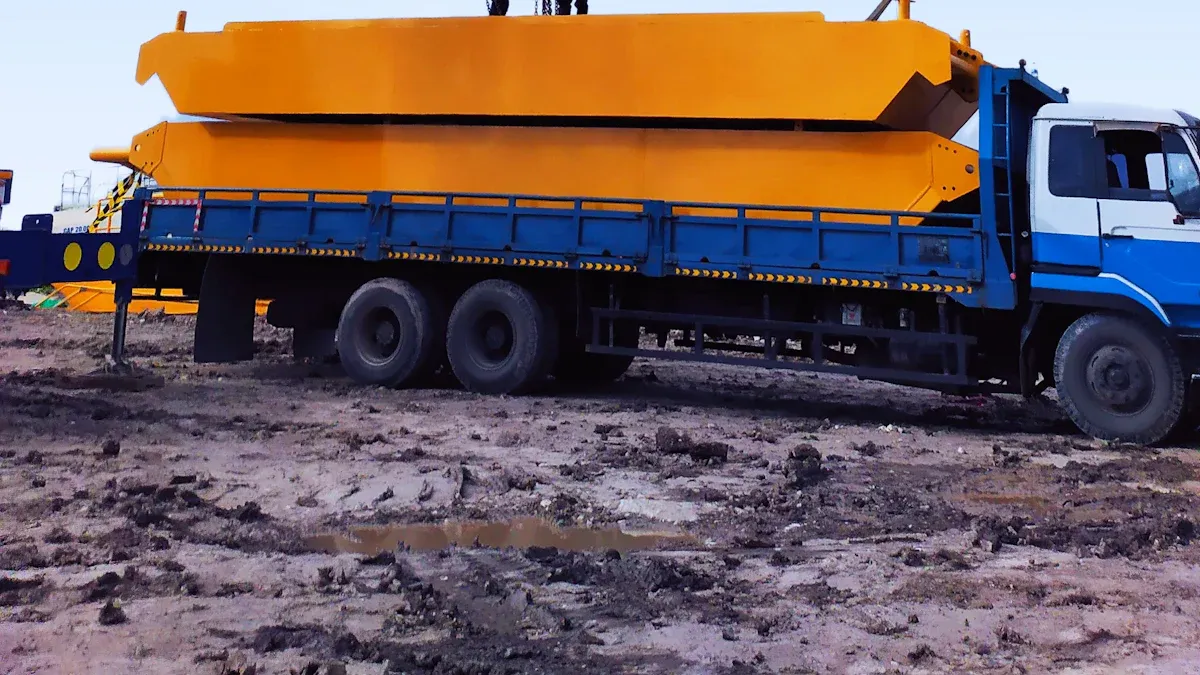
When you pick a project cargo forwarder, check what they can do. Their skills help move your freight safely and on time. You want a partner who handles every step, from planning to delivery.
Specialized Equipment and Solutions
You need special tools for project cargo shipping. Special vehicles and equipment keep your freight safe. The table below shows common equipment and what it does:
Equipment Type | Description |
|---|---|
Multi-axle trailers | Move heavy and oversized freight. |
Hydraulic lowbeds | Carry loads with low clearance. |
Extendable flatbeds | Fit cargo of different lengths. |
SPMTs (Self-Propelled Modular Transporters) | Handle out-of-gauge freight. |
20’/40′ Open Top | Hold heavy or tall cargo. |
20’/40′ Flat Rack | Stack heavy freight safely. |
These tools help move big or odd-shaped loads. Your forwarder’s network helps you find the right equipment anywhere. You get shipping solutions that fit your freight.
Risk Management and Compliance
Project cargo shipping has many risks. You must control these risks to keep your freight safe. Here are some ways forwarders manage risk and follow rules:
Work with skilled logistics providers to avoid mistakes.
Use different routes to lower delay chances.
Buy strong insurance to protect your freight.
Use real-time tracking to spot problems early.
You also need to follow global rules. These rules help you avoid fines and delays. Your forwarder keeps up with customs laws and trade standards. This keeps your project moving and on schedule.
Tip: Always ask your forwarder about customs and insurance. Good answers show they know what they are doing.
Digital Project Tracking
Technology makes project cargo shipping easier. Digital tracking gives you updates on your freight in real time. You can see where your shipment is and when it will arrive. This helps you plan and avoid surprises.
Real-time tracking helps you spot and fix delays.
Automated paperwork means fewer mistakes.
You get updates and flexible delivery for your freight.
Many forwarders use digital tools to work better. Some see a 15% jump in how fast they work and better service. Others get better data and faster project delivery. When you use a forwarder with good digital tools, you have more control and feel less worried.
Key Criteria for Project Cargo Logistics Partner Selection
When you pick a logistics provider, look for more than basic help. You need a partner who checks every detail and keeps your freight safe. They must deliver on time. Use these tips to find the best project cargo forwarder for your needs.
Experience and Track Record
Pick a provider with lots of experience in project cargo shipping. Find companies that have moved freight like yours before. Ask for stories or proof of successful deliveries. See if they know how to move turbines or generators. Make sure they understand how to use road, rail, air, and sea.
Experts say you should check for:
Experience with your freight, like turbines or generators.
Knowledge of project cargo in oil and gas, construction, or mining.
Ability to show proof from past projects.
Understanding of laws, customs, permits, and environmental rules.
Certifications like ISO that show safety and quality.
Tip: Always ask for proof of experience. If a forwarder cannot show success, look for another one.
Watch out for warning signs when picking a partner:
No proof or stories from past jobs.
Pressure to make fast choices.
Missing licenses or certifications.
Not much knowledge of customs or rules.
Contracts that are not clear.
If you see these problems, try other project cargo forwarders.
In-House Engineering and Local Execution
Strong engineering and local teams help a lot in project cargo shipping. You need experts who plan every step and fix problems fast. Local teams know the area and can find the best routes. They help you get permits and follow safety rules.
Local teams offer:
Skill in handling tough project cargo jobs.
Custom plans for each project.
Good partnerships with local agents and suppliers.
Experience with big or odd-shaped freight.
Planning that matches your goals.
Careful route planning and checking.
Following permits and safety rules.
Note: Local teams help you avoid delays and keep your project moving. Ask your provider about their local network and engineering help.
Safety, Insurance, and Compliance
Safety is the most important thing in project cargo shipping. Check your provider’s safety record. Ask about their insurance and if they follow global rules. Good forwarders have strong insurance and follow strict safety steps.
Here are common types of insurance and industry goals:
Insurance Coverage Type | Description |
|---|---|
Delayed Start-Up (DSU) | Covers project delays |
Marine Delay in Start-Up | Covers lost money from delays |
Construction All Risk | Covers onsite assembly |
Testing and Commissioning | Covers setup time |
Maintenance Periods | Covers after delivery |
Performance Indicator | Benchmark Target |
|---|---|
Recovery rate | Over 95% |
Recovery percentage | Over 85% |
Processing time | Under 60 days |
Documentation score | Over 90% |
Dispute rate | Under 10% |
Check for certifications and licenses that show your provider follows the law and safety rules:
Certification/License | Description |
|---|---|
OTI License | Needed for ocean forwarders in the U.S. |
IAC Certification | Needed for air forwarders in the U.S. |
IATA Cargo Agency Accreditation | Shows skill and money strength. |
AEO Certification | Given by customs for following security rules. |
CTPAT Certification | Shows AEO status by U.S. customs. |
BASC Certification | Shows high security for customs. |
Tip: Always check insurance and certifications before you sign. A good safety record means less risk for your freight.
Communication and Pricing Transparency
Good communication helps you avoid problems in project cargo shipping. You need clear updates and honest answers from your provider. Good forwarders explain prices and keep you informed.
Best ways to talk and set prices include:
Talk about how much you ship each year for better rates.
Plan shipments early to save money.
Discuss time and price to find the best deal.
Look at different container types for savings.
Check customer service quality too. Pick providers who reply fast and fix problems. Ask how they handle delays, complaints, and bills. Good teams use clear steps and keep you updated.
Common customer service problems and fixes:
Language problems: Use training and translation.
Shipping delays: Have backup plans and quick updates.
Complaints: Use special teams and clear complaint steps.
Tip: Test how fast your provider replies before you sign. Quick and clear answers mean fewer surprises.
How to Vet Your Project Cargo Forwarder
Follow these steps to check if a project cargo forwarder is good:
Check experience and if they fit your freight and industry.
Look for valid DOT numbers and insurance.
Confirm certifications for special goods.
Check carrier authority with USDOT and MC numbers.
Review cargo insurance.
Look at claims-to-damage ratio.
Search for customer reviews and history.
Find good references from past customers.
Check for complaints with the Better Business Bureau.
Check safety records and certifications with FMCSA SAFER.
See how fast and well they communicate.
Note: Picking a partner with strong experience, safety, and communication helps you worry less. Take your time to check each provider before you choose.
By using these tips, you can pick project cargo forwarders who protect your freight, keep your shipping on time, and give you good results.
You need a specialized project cargo forwarder for tough shipments. They help you move your freight safely and on time. Check their skills and what they can do for your project. Look at these important things:
Factor | Description |
|---|---|
Relationships with truckers | They know truckers with special gear and good prices. |
Relationships with shipping lines | They get better deals because they ship often. |
Economies of scale | You save money when you ship many containers. |
Attention to detail | They ask smart questions to stop mistakes. |
Insight into port conditions | They tell you about busy ports and problems. |
Special services | They help with deliveries that come at different times. |
Local presence | They give personal help and know customs rules. |
Always put safety, trust, and honesty first. These steps help you stop delays and keep your cargo safe:
Regular checks make sure shipments are safe.
Digital tools help fix paperwork mistakes.
Global reports help teams learn and follow rules.
Make a checklist and talk to forwarders before picking one. This way, you get the best results for your project.
FAQ
What is the difference between project cargo and regular freight?
Project cargo means items are big, heavy, or worth a lot. These need special planning and equipment. Regular freight uses normal containers and simple shipping steps. You need more skill and risk control for project cargo.
How do you know if your shipment needs a specialized project cargo forwarder?
If your shipment is very large or heavy, you need help. If it needs special care, use a specialized forwarder. Ask about permits, route checks, and custom equipment. These experts help you avoid delays and damage.
What documents do you need for project cargo shipping?
You need permits, customs papers, insurance, and route checks. Your forwarder helps you get and organize these papers. Always check local laws and project rules before shipping.
How do specialized forwarders manage risks during transport?
Specialized forwarders use route checks, insurance, and tracking. They plan for weather, road limits, and equipment needs. You get updates and quick help if problems happen.
What should you look for when choosing a project cargo forwarder?
Check their experience, safety record, insurance, and certifications. Ask for proof of past jobs. Make sure they give clear answers and prices. Good forwarders help you plan every step.
See Also
Efficient Project Trucking Solutions by Premier Global Logistics
PGL's Proficiency in Global Logistics and Supply Chain
Versatile Trucking Solutions for West Coast Freight by PGL
